

Jim Farley Warns Chinese Cars Could Reach US Showrooms Within 10 Years. Here Is What It Means
Ford's top executive just put a number on one of the auto industry's most uncomfortable possibilities. During an internal town hall, CEO Jim Farley told employees that Chinese automakers could start selling cars in the United States within the next five to ten years. For a company built in the heart of Detroit, that is not a vague worry. It is a countdown.
The comments, first reported by Reuters and attributed to people who viewed the meeting, land at a strange moment. Chinese vehicles are effectively locked out of America today by steep tariffs and national security rules. Yet Farley and his leadership team are treating the barrier as temporary, and they are racing to prepare the company before it falls.
The Big Picture
- Ford believes Chinese brands could reach American showrooms within five to ten years, despite current trade barriers.
- China already commands roughly one in ten new car sales across Europe and dominates whole segments in Australia and the UK.
- US tariffs near 100 percent and connected vehicle rules currently keep Chinese models out, but Ford is not betting those protections last.
- Ford is building a low cost EV family, including a roughly $30,000 electric pickup planned for 2027.
- Bill Ford puts it plainly: America cannot keep Chinese cars out forever and must beat them at their own game.
What Ford's CEO Actually Told Employees
The warning came during a question and answer session at a Ford employee town hall. According to Reuters sources, Farley and other senior leaders walked staff through the scenario of a Chinese incursion into the US market, framing it as a real planning case rather than a hypothetical. The message was blunt: Detroit now has a deadline to get its house in order.
Crucially, Ford's leadership suggested that any arrival would most likely happen toward the later end of the five to ten year window. That is a meaningful detail. It signals the company sees the wall holding for a while, but not forever, and it gives Ford a tangible target for its product pipeline.
Farley has been among the most vocal Detroit leaders on this topic. He has repeatedly argued that Chinese giants such as BYD are not just cheaper, but faster and more vertically integrated than legacy automakers. The town hall simply put a timeframe on a threat he has been describing for years.
Why America Is a Fortress Right Now
Today, selling a Chinese made car in the United States is brutally difficult. Several layers of protection stack on top of each other.
- Tariffs near 100 percent. As of 2026, duties roughly double the landed cost of a Chinese vehicle, erasing the price advantage these brands enjoy in open markets.
- Connected vehicle rules. US regulations restrict Chinese software in vehicles by model year 2027 and Chinese hardware by model year 2030, citing data privacy and national security.
- An expanding political push. Lawmakers in the Senate are moving to widen a ban on Chinese car sales in the world's second largest and most lucrative auto market.
Those rules have already claimed casualties. Polestar, a brand majority owned by China's Geely, plans to exit the US after the 2026 model year even though it builds the Polestar 3 at Volvo's plant in South Carolina. If a company with local manufacturing cannot clear the hurdle, a pure import stands almost no chance today.
Ford's leadership is clearly not betting the company on those protections standing indefinitely. That mindset matters more than any single regulation, because it shapes how Ford spends its engineering budget right now.
A Global Warning Sign Detroit Cannot Ignore
Ford's concern is not theoretical. It is built on what Chinese automakers have already done everywhere they have been allowed to compete.
In Europe, Chinese brands now account for roughly one in ten new car sales. In the United Kingdom, Jaecoo registered its very first vehicle in January 2025, and just thirteen months later one of its SUVs became the country's outright bestseller. That speed of uptake is exactly what keeps Detroit executives awake at night.
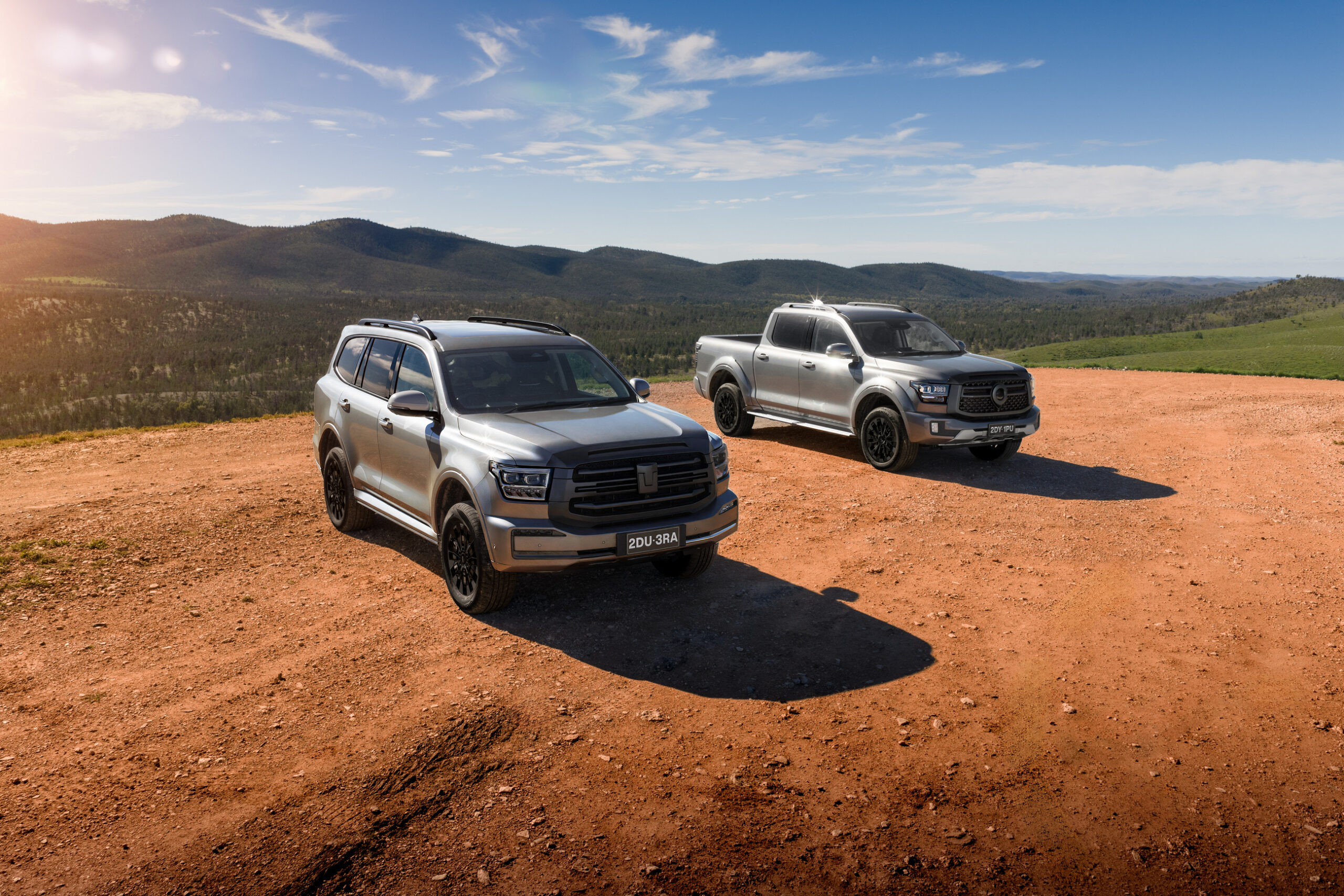
Chinese brands like Great Wall Motor already field deep SUV and pickup lineups overseas.
The pattern repeats in pickup crazy Australia, where the BYD Shark has become the country's bestselling truck. Chinese nameplates have also built a major footprint in Mexico, directly on America's southern border, and Canada is permitting a limited number of Chinese EVs as a possible preview of North American taste. For Ford, those neighbors are a live test lab sitting next door.
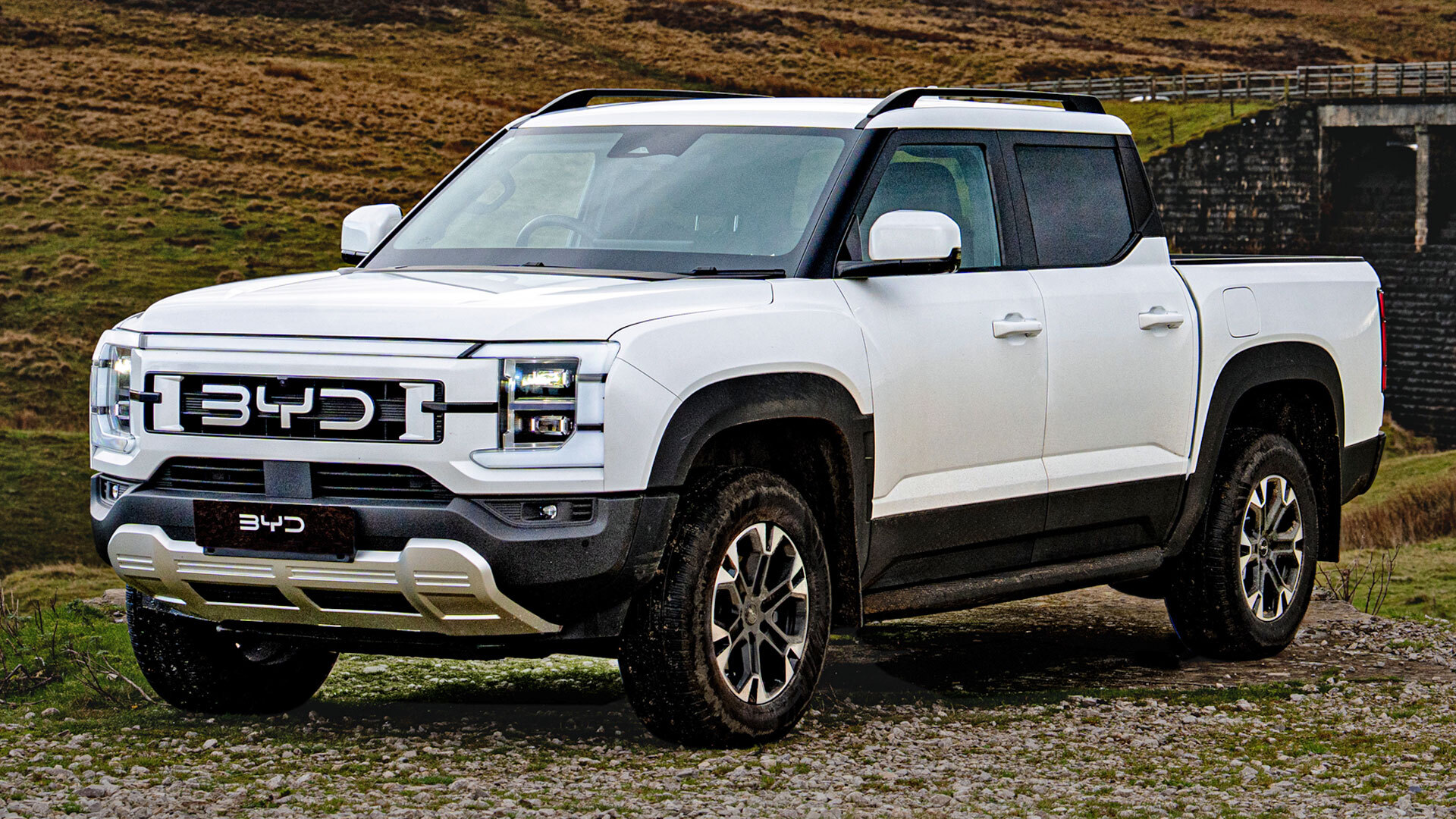
The BYD Shark has climbed to the top of Australia's pickup sales charts.
If you want broader context on how these brands are reshaping global EV demand, our sister publication World Cars Blog tracks the international electric vehicle shift in detail.
How Detroit Is Responding
Ford is not simply waiting to see what happens. The company is engineering a new family of affordable electric vehicles from the ground up, designed around lower cost and higher manufacturing efficiency rather than legacy platforms. The centerpiece is a roughly $30,000 electric pickup expected to arrive in 2027.
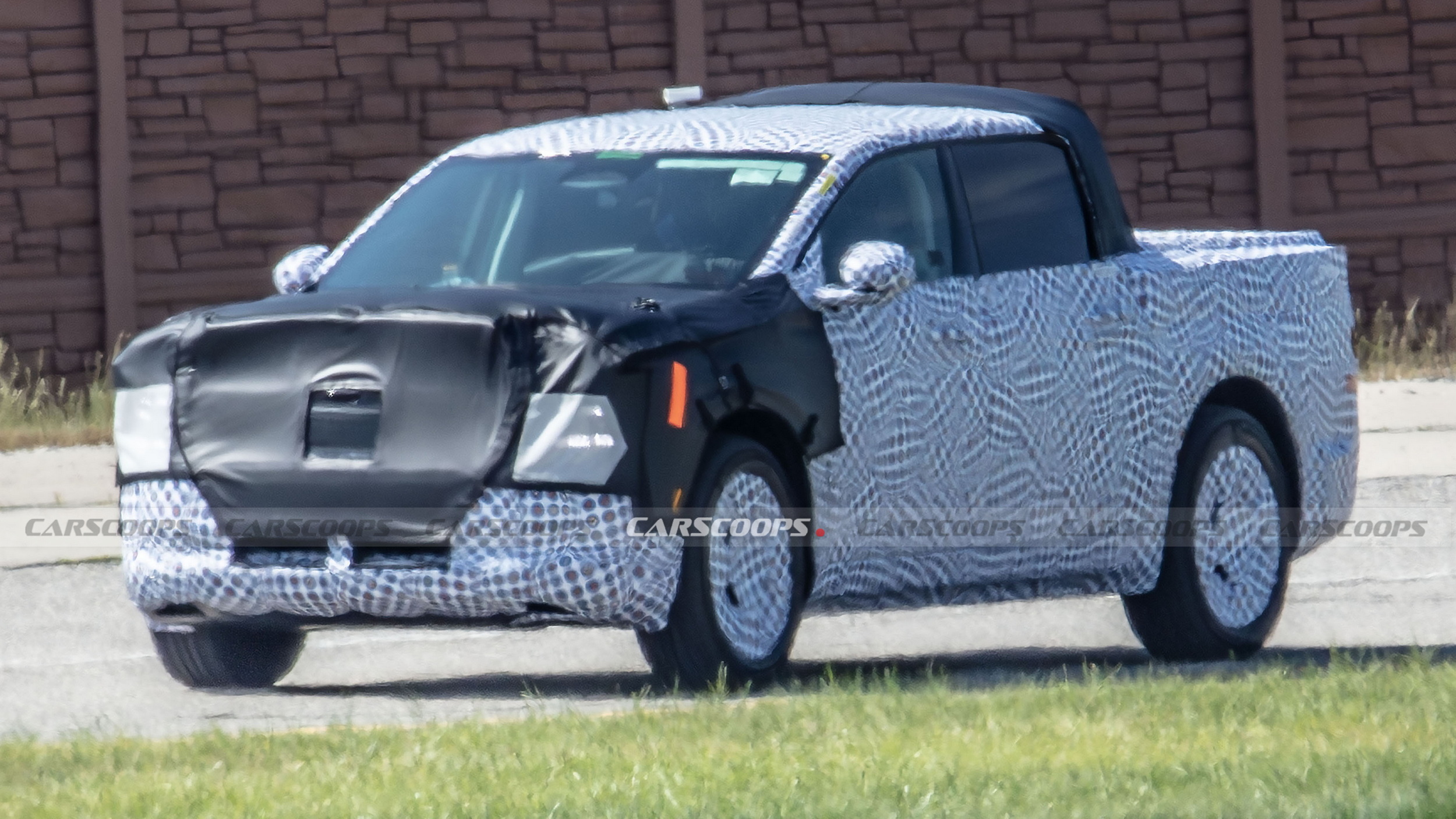
Ford's low cost electric pickup is central to its plan to match Chinese pricing.
Ford is even collaborating with Geely in Europe, where Chinese competition is already forcing established manufacturers to slim down and rethink how they operate. The partnership drew criticism from some US lawmakers, but Ford has framed it as a survival move in a cutthroat market.
The strategic logic is simple. If Chinese brands eventually arrive with cheaper, software rich vehicles, Ford wants to already own the cost curve that makes them dangerous. Building affordable EVs now is the insurance policy.
For readers tracking the broader transition, our electric vehicle coverage at Auto News Line follows every launch, price move, and policy shift in this space.
What Bill Ford and the Board Are Saying
The urgency is shared at the very top of the company. Executive Chairman Bill Ford made the point plainly in remarks reported by the Wall Street Journal: America cannot expect to keep Chinese cars out forever, and Ford has to be able to beat them at their own game.
That is a striking admission from the family whose name sits on the hood of millions of trucks. It reframes the debate. The question for Ford is no longer whether Chinese cars are good, but whether Detroit can match their cost and speed before the door opens.
Watch: Jim Farley on Why Ford Had to Rebuild to Compete With China
In this interview, Farley explains why Ford created a separate California skunkworks team to take on Chinese competitors, and why he believes the traditional auto industry model was unprepared for the challenge.
What It Means for Car Shoppers Today
Here is the part that matters if you are buying a car this year. The Chinese wave is still years away, and tariffs keep those models off US lots for now. That means the value equation in showrooms today is decided by the brands already here.
If you want maximum bang for your buck in the affordable crossover class, it is worth reading a head to head breakdown of the best value subcompact SUVs on the market, where the Kia Seltos, Chevrolet Trailblazer, and Buick Envista go toe to toe on price, space, and warranty. Smart shopping today is the practical takeaway from a threat that is still on the horizon.
Why Ford's Plan Could Work
- A dedicated low cost EV architecture targets the exact price band Chinese brands dominate.
- A roughly $30,000 electric pickup addresses America's truck loving market directly.
- Geely collaboration brings Chinese speed and supply chain lessons into Ford.
The Risks Ford Faces
- Tariffs and bans could stay in place far longer than the five to ten year window.
- Chinese brands keep cutting costs faster than legacy automakers can respond.
- Affordable EV margins are thin, raising the stakes on execution.
The Timeline Nobody Can Predict
Whether BYDs and Jaecoos actually fill American parking lots by 2036 remains impossible to know. Politics, trade deals, and security rules could keep the door shut well beyond the current window. Or a single policy shift could swing it open sooner than anyone expects.
What is certain is Ford's calculation. After watching what happened in Europe, the UK, Australia, and Mexico, the company does not want Detroit to discover too late that tariffs were never a permanent moat. The town hall was, in effect, a starting gun for the next phase of the American auto war.
Frequently Asked Questions
When could Chinese cars enter the US market?
Ford CEO Jim Farley told employees that Chinese automakers could begin selling vehicles in the United States within five to ten years, with arrival toward the later end of that window considered more likely. Tariffs and security rules still block them today.
Why are Chinese cars banned in the US right now?
The US applies tariffs of about 100 percent on Chinese vehicles and enforces connected vehicle rules that restrict Chinese software by model year 2027 and hardware by model year 2030 on national security grounds. Congress is also weighing an expanded sales ban.
Which Chinese car brands are already winning overseas?
BYD, Jaecoo, Geely, MG, and Great Wall Motor have all gained ground abroad. Chinese brands hold roughly one in ten European sales, a Jaecoo SUV became a UK bestseller just over a year after launch, and the BYD Shark is Australia's top selling pickup.
What is Ford doing to compete with Chinese automakers?
Ford is developing a new family of affordable electric vehicles built for low cost and high manufacturing efficiency, including a roughly $30,000 electric pickup expected in 2027. It is also partnering with Geely in Europe where Chinese competition is already intense.
Will BYD sell cars in America soon?
Not soon. BYD and other Chinese brands remain effectively locked out of the US by tariffs and regulations. Ford and analysts expect any meaningful entry to land closer to the back end of the five to ten year window, if at all.
How do tariffs affect Chinese electric vehicles?
Tariffs near 100 percent roughly double the landed cost of a Chinese EV, erasing the price advantage that brands like BYD hold in other markets. Combined with the connected vehicle ban, they make US sales impractical for now.
What did Bill Ford say about Chinese cars?
Ford Executive Chairman Bill Ford said the company cannot expect to keep Chinese cars out forever and must learn to beat them at their own game, echoing CEO Jim Farley's warning about preparing Detroit for the competition.
Are Chinese cars cheaper than American cars?
In open markets, Chinese brands frequently undercut rivals on price while offering strong features, which is why they gain share quickly abroad. In the US, tariffs currently cancel that advantage, but Ford is racing to match Chinese cost structures with its own affordable EVs.
Stay ahead of the shift. Get the latest on EV launches, tariffs, and Detroit's response at Auto News Line, and follow global coverage at World Cars Blog.


