

Mercedes Electric C-Class Features 108 Pounds of Recycled Plastic for Sustainable Luxury
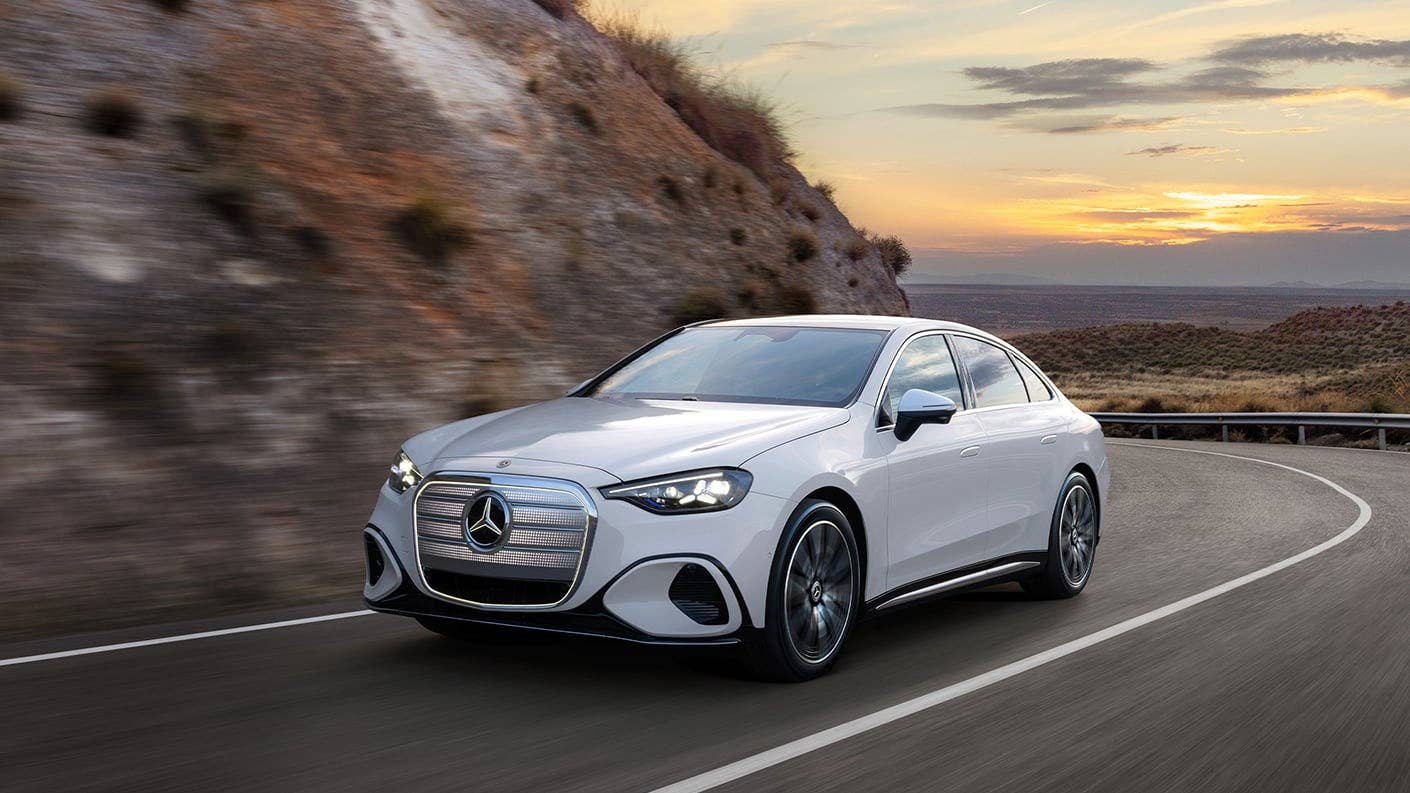
Mercedes-Benz continues to advance its sustainability initiatives with the all-new electric C-Class. The upcoming model incorporates substantial amounts of recycled materials, including 108 pounds of thermoplastic recycled plastic, as part of a broader effort to lower the vehicle's overall environmental footprint.
This approach builds on similar strategies seen in other Mercedes electric models. It reflects the brand's commitment to reducing emissions not only during vehicle operation but also throughout the manufacturing process and supply chain.
Watch the official preview video of the Mercedes-Benz electric C-Class showcasing its design and features.
Why Recycled Materials Matter in Modern Vehicles
Automakers face increasing pressure to reduce the environmental impact of vehicle production. Manufacturing a single car requires significant energy for material extraction, processing, and assembly. Mercedes-Benz has responded by focusing on secondary raw materials that lower emissions at the source.
The electric C-Class uses four times more secondary thermoplastic materials than its combustion-powered predecessor. This increase represents a meaningful step toward circular economy principles in the automotive industry.
For buyers interested in the value proposition of different compact vehicles, including how sustainability factors into overall ownership, this comparison of the Chevrolet Trailblazer vs Buick Envista vs Kia Seltos provides useful context on efficient options across segments.
Breakdown of Recycled and Low-Carbon Materials
Mercedes-Benz reports that the electric C-Class contains approximately 108 pounds of thermoplastic recycled plastic. Key applications include:
- Frunk tub
- Wheel arch liners
- Jacking points
- Bumper carriers
- Seat fabrics and cabin yarns
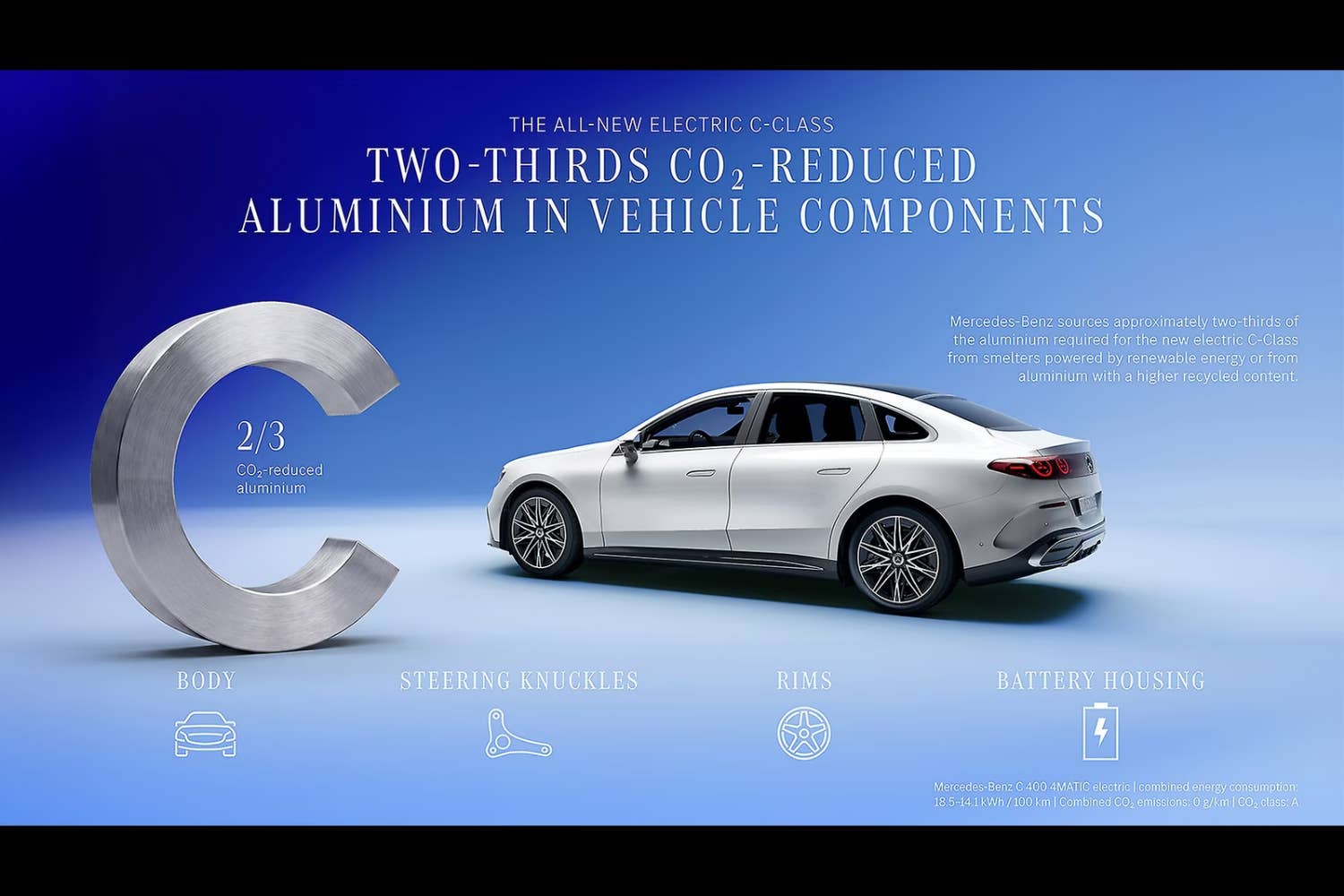
Recycled aluminum plays a significant role as well. Roughly two-thirds of the aluminum used in the vehicle comes from CO2-reduced sources. This includes components such as the body structure, steering knuckles, wheels, and battery tray.
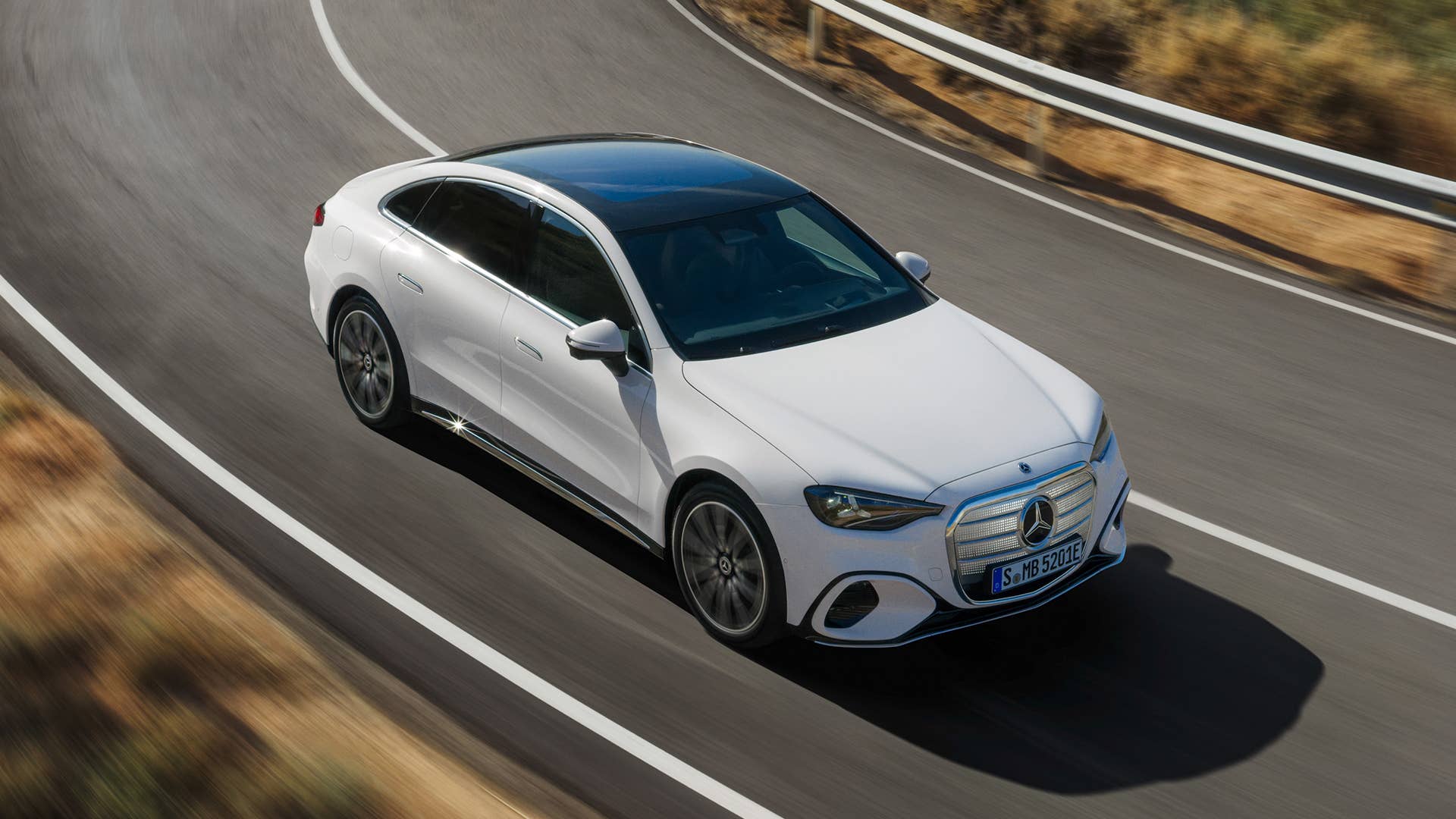
Sustainable seat fabrics and other recycled elements are integrated into the electric C-Class cabin.
The company also incorporates 45 kilograms of CO2-reduced steel produced in electric arc furnaces powered by renewable energy. This contributes to lower production emissions compared to traditional steelmaking methods.
Materials Summary
| Material Type | Quantity / Share | Key Applications |
|---|---|---|
| Recycled Thermoplastic Plastic | 108 pounds | Frunk, wheel arch liners, jacking points, bumper carriers, seat fabrics |
| CO2-Reduced Aluminum | Two-thirds of total aluminum | Body, steering knuckles, wheels, battery tray |
| CO2-Reduced Steel | 45 kg | Structural components |
Cleaner Manufacturing at the Kecskemét Plant
The electric C-Class is assembled at the Kecskemét plant in Hungary. This facility incorporates renewable energy sources, including a substantial solar installation. Approximately 25 percent of the plant's annual energy demand is covered by on-site solar capacity.
Mercedes has also upgraded the paint shop to reduce both energy consumption and emissions. The new facility uses roughly 20 percent less energy and produces about 80 percent fewer carbon emissions compared to the previous setup.
These production improvements complement the material choices and help lower the vehicle's overall manufacturing footprint.
The electric C-Class maintains elegant proportions while incorporating advanced sustainable technologies.
Significant Reduction in Overall Carbon Footprint
According to Mercedes-Benz's independently audited 360° Environmental Check, the electric C-Class delivers a substantially lower environmental impact than the current combustion-powered C-Class. The full lifecycle carbon footprint is approximately two-thirds lower.
Emissions from the supply chain alone have been reduced by around 23 percent. This result stems from the combination of low-carbon materials, renewable energy in manufacturing, and responsible sourcing practices.
Key Impact: The electric C-Class achieves a lifecycle carbon footprint roughly two-thirds lower than the combustion version, thanks to recycled plastics, low-carbon aluminum and steel, and sustainable production methods.
Responsible Sourcing and Broader Sustainability Goals
Beyond materials and plant operations, Mercedes-Benz is emphasizing responsible sourcing across its supply chain. This includes evaluating how suppliers manage resources and treat workers.
The company continues to explore additional opportunities to cut carbon emissions in material procurement and production processes. These efforts align with industry-wide moves toward greater transparency and accountability in automotive manufacturing.
Similar sustainability measures have already been applied in models such as the new electric GLC, demonstrating a consistent strategy across Mercedes electric vehicles.
Benefits for Owners and the Environment
Using more recycled content reduces demand for virgin raw materials and can lower the vehicle's embodied carbon. For owners, this contributes to a more responsible choice without compromising the premium experience expected from the C-Class nameplate.
The focus on sustainable materials also supports long-term circularity goals, such as easier recycling at the end of the vehicle's life.
Key Takeaways
- 108 pounds of recycled thermoplastic plastic in the electric C-Class
- Four times more secondary thermoplastics than the combustion C-Class
- Two-thirds of aluminum is CO2-reduced
- 45 kg of CO2-reduced steel from electric arc furnaces
- Lifecycle carbon footprint is two-thirds lower than the combustion model
- Supply chain emissions reduced by 23 percent
- Sustainable production at the Kecskemét plant with solar power and upgraded paint shop
How This Compares to Industry Trends
Many premium automakers are increasing the use of recycled and low-carbon materials in new models. Mercedes-Benz's approach with the electric C-Class places it among leaders in this area for the compact luxury segment.
By publishing detailed environmental data and achieving independent audits, the company provides transparency that helps consumers make informed decisions. For the latest automotive developments and deeper analysis, readers can explore additional resources at AutoNewsLine.com.
Practical Implications for Buyers
The electric C-Class is positioned as a premium compact sedan that balances performance, luxury, and environmental responsibility. Buyers who prioritize sustainability will appreciate the increased use of recycled content and the documented reductions in lifecycle emissions.
While exact pricing and availability details will be confirmed closer to launch, the sustainability credentials add another dimension of appeal alongside the vehicle's expected range, technology, and driving dynamics.
More in-depth coverage of the electric C-Class debut and specifications can be found in our dedicated debut article.
Looking Ahead
Mercedes-Benz has signaled ongoing work to further decarbonize its supply chains and increase the share of secondary materials across its lineup. The electric C-Class serves as a strong example of these priorities in action.
As the industry transitions toward electric mobility, innovations in material sourcing and manufacturing will become increasingly important differentiators.
For additional perspectives on sustainable automotive choices and broader car industry trends, visit WorldCars.blog.
Frequently Asked Questions
How much recycled plastic is used in the Mercedes electric C-Class?
The electric C-Class incorporates about 108 pounds of thermoplastic recycled plastic. This is four times the amount used in the current combustion-powered C-Class.
What parts of the electric C-Class use recycled materials?
Recycled plastics are used in the frunk tub, wheel arch liners, jacking points, bumper carriers, seat fabrics, and cabin yarns. Recycled and CO2-reduced aluminum and steel are also employed in structural components.
How much lower is the carbon footprint of the electric C-Class compared to the combustion model?
Mercedes-Benz reports that the full lifecycle carbon footprint of the electric C-Class is approximately two-thirds lower than that of the current combustion-powered C-Class, according to an independently audited assessment.
Where is the Mercedes electric C-Class built?
The vehicle is assembled at the Kecskemét plant in Hungary. The facility uses renewable energy, including solar power that covers about 25 percent of annual demand, along with an upgraded low-emission paint shop.
What is the amount of CO2-reduced steel used?
Mercedes uses 45 kilograms of CO2-reduced steel produced in electric arc furnaces for the electric C-Class.
Does using recycled materials affect vehicle quality or performance?
Mercedes-Benz maintains that all materials meet its strict quality and safety standards. Recycled content is integrated in ways that preserve durability, comfort, and performance while lowering environmental impact.
When will the electric C-Class go on sale?
The electric C-Class is expected to reach customers in 2027. Exact timing and regional availability will be announced closer to launch.
Conclusion
The Mercedes-Benz electric C-Class represents a thoughtful evolution in luxury vehicle production. By incorporating 108 pounds of recycled plastic along with substantial amounts of CO2-reduced aluminum and steel, Mercedes is demonstrating that premium vehicles can be built with greater attention to environmental responsibility.
These efforts, combined with cleaner manufacturing at the Kecskemét plant and a documented two-thirds reduction in lifecycle carbon footprint, strengthen the case for the electric C-Class as a compelling option for buyers who value both performance and sustainability.
As more details emerge ahead of the 2027 launch, the model is likely to set new benchmarks for sustainable practices in the compact luxury segment.
What are your thoughts on Mercedes' use of recycled materials in the electric C-Class?
Share your opinions in the comments below or explore more sustainable vehicle options and buying guides at WorldCars.blog and the latest industry updates at AutoNewsLine.com.


