

Nissan Interstar-e Relax Brings Quiet, Battery-Powered Heat to Electric Camping
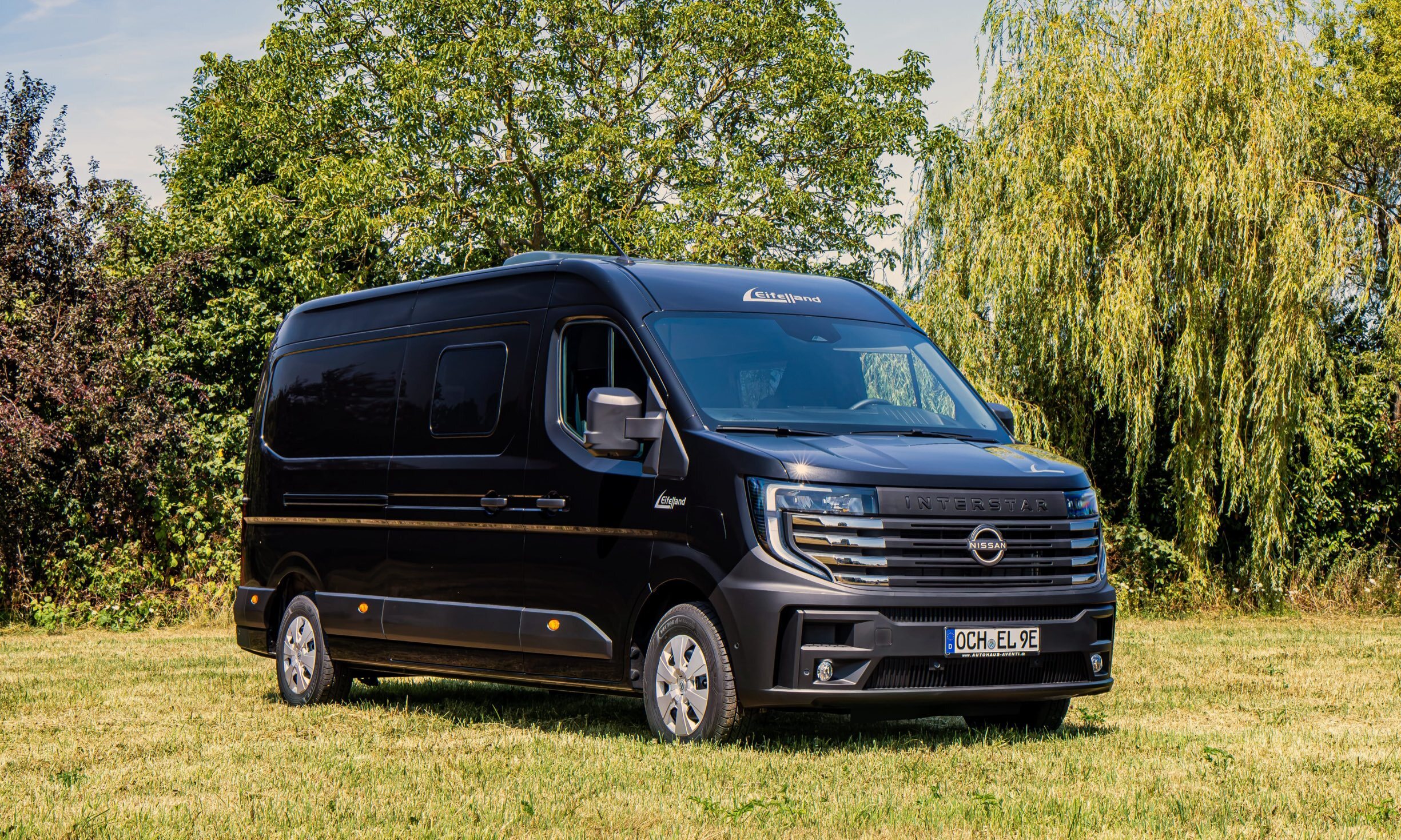
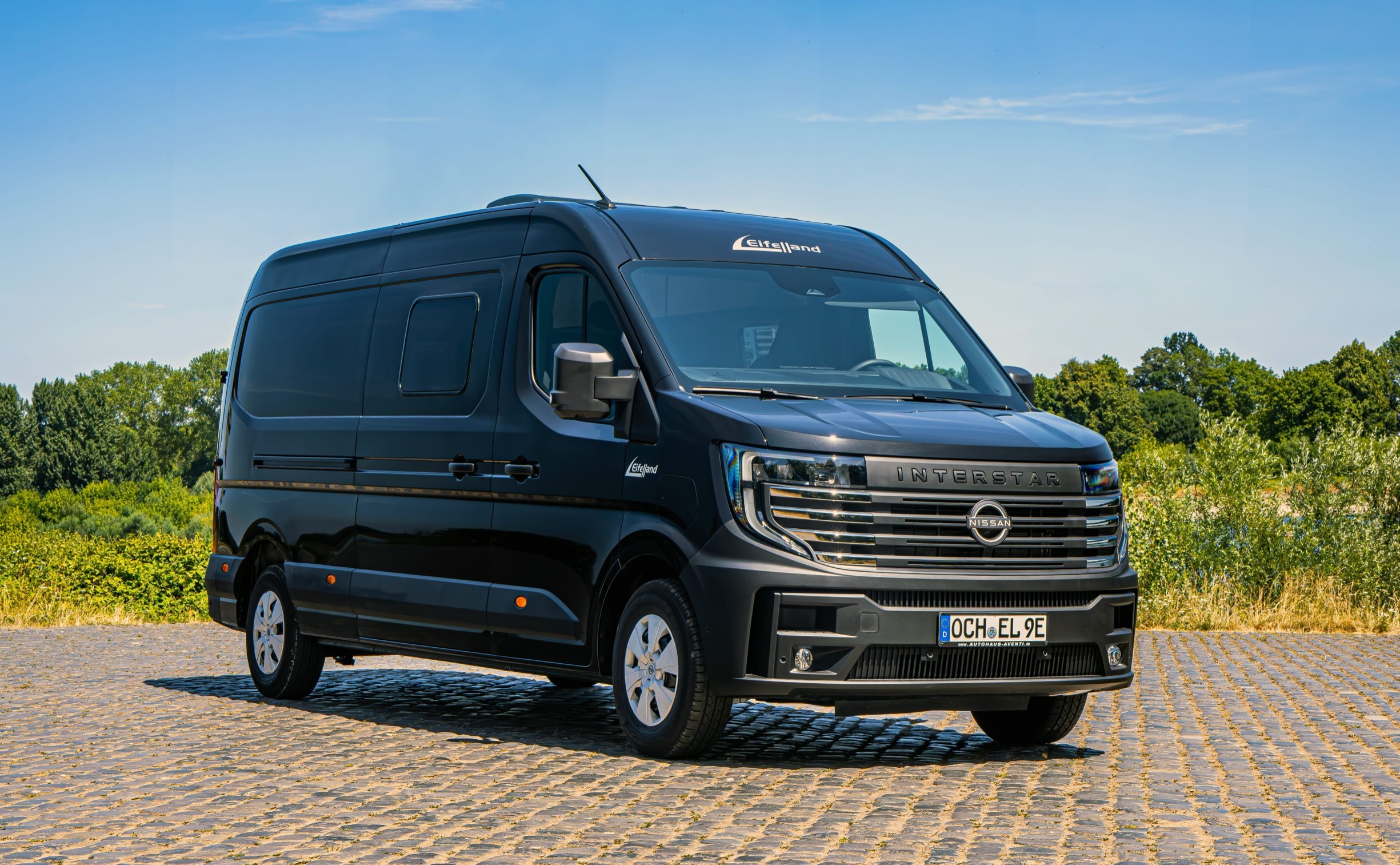
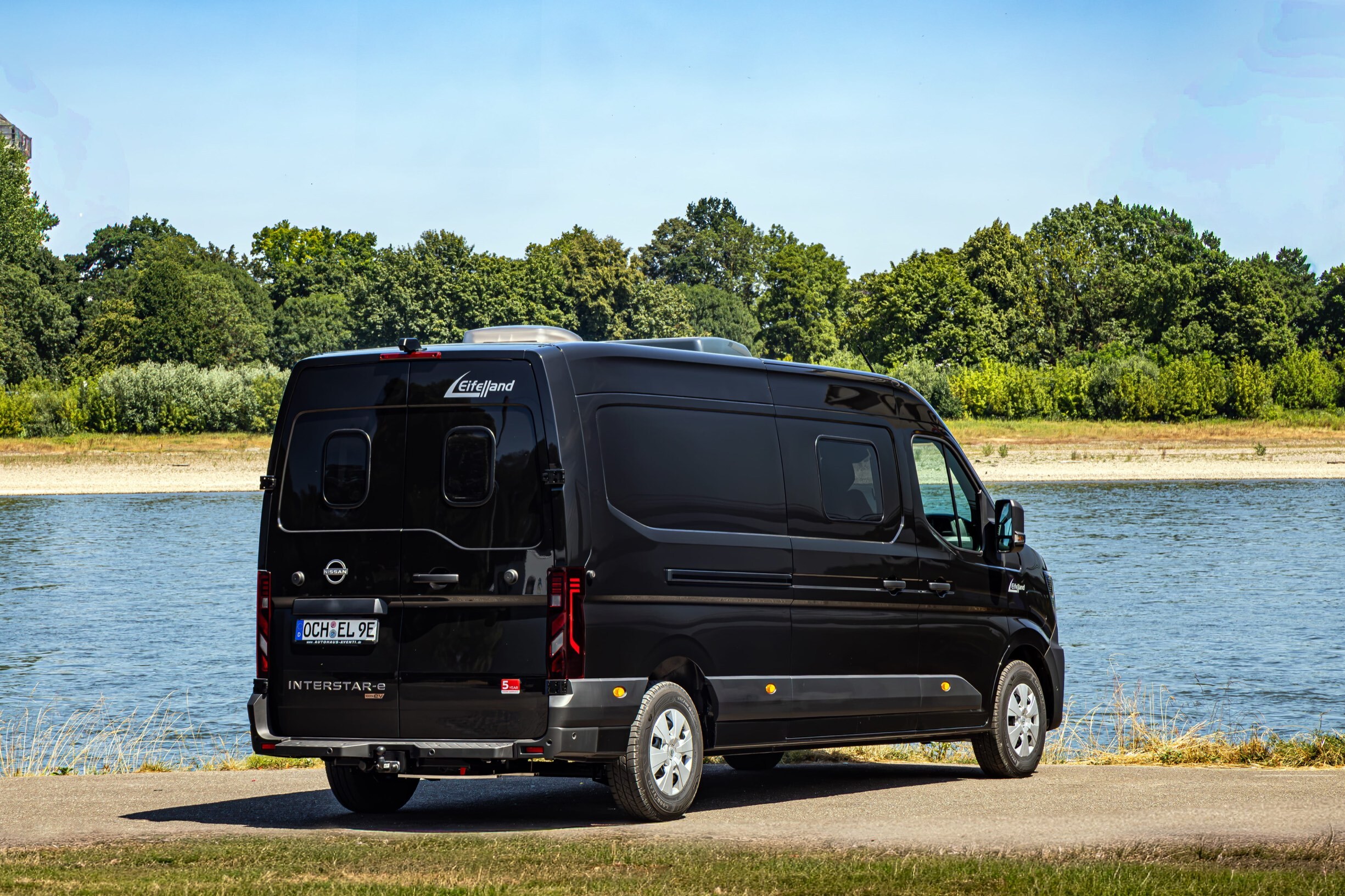
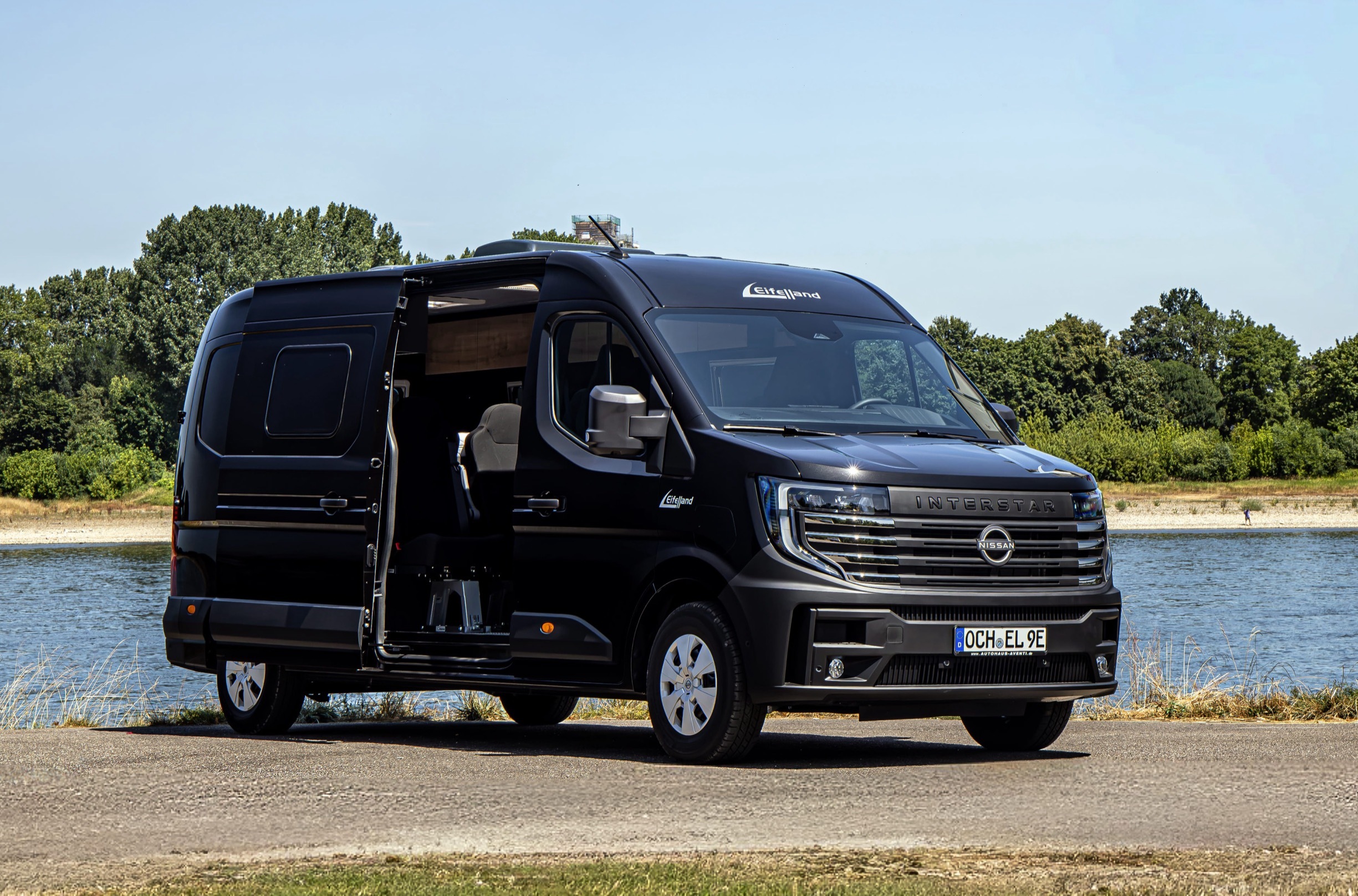
The Nissan Interstar-e Relax is an electric campervan developed with Eifelland that uses its traction battery to power cabin heat while parked. It combines an 87 kWh battery, a fixed double bed, a full kitchen and a flexible four-seat cabin in a package aimed at travelers who want less noise and no local tailpipe emissions at camp.

Reported specifications and pricing are for the European-market model announced ahead of Caravan Salon Düsseldorf. Availability, final equipment and local pricing should be confirmed with Nissan or Eifelland.
Key takeaways
- Eifelland's Relax conversion is based on Nissan's all-electric Interstar-e.
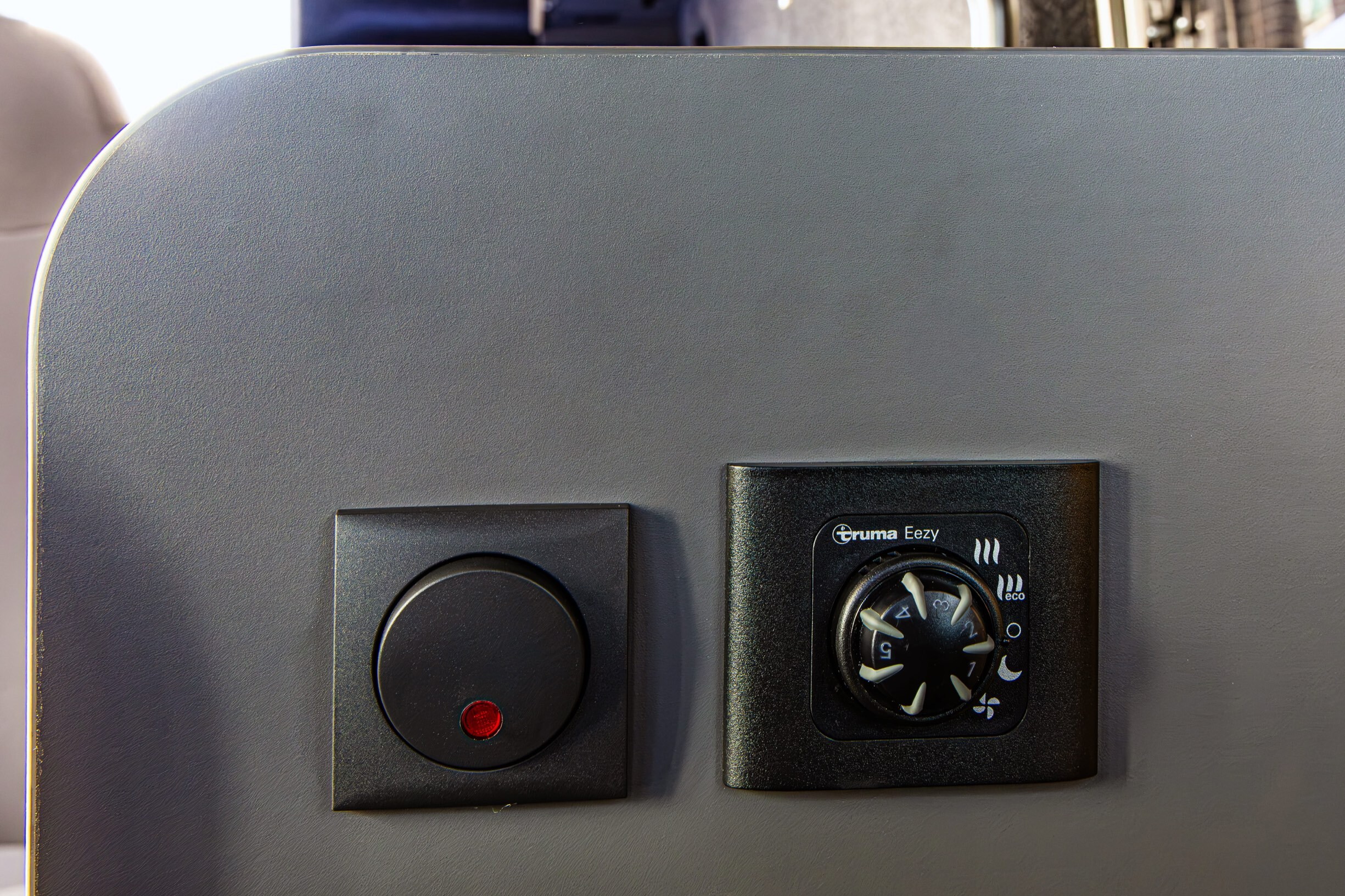
- Its Truma Eezy parking heater can draw energy from the van's high-voltage battery through vehicle-to-load functionality.
- The camper has an 87 kWh battery, a claimed base-van WLTP range of up to 410 km or 255 miles, and DC charging up to 130 kW.
- European pricing starts at €89,900. This is not a confirmed price for North America or any other market.
The big idea is heat without a generator or diesel burner
Electric campervans face a practical question that conventional diesel campers largely avoid: how do you stay warm while parked without turning the campsite into a noisy power station? The Interstar-e Relax answers by using energy already stored in the vehicle's traction battery.
Its standard Truma Eezy parking heater is designed to run through the Interstar-e's vehicle-to-load, or V2L, capability. That means the heating system does not need a campground electrical hookup or a fuel-burning generator to operate. Nissan and Eifelland say the heater has modest energy use, although neither company has published a precise overnight consumption figure. Actual range loss will depend on outside temperature, cabin temperature, battery state of charge and how long the heater runs.
This is the practical appeal of V2L for travel. Instead of treating the drive battery only as a propulsion component, the system makes it part of the camping energy plan. Readers interested in another use of mobile power at camp can compare the idea with this V2L-equipped adventure vehicle overview.
2026 Nissan Interstar-e Relax specs at a glance
| Item | Reported figure or feature |
|---|---|
| Conversion partner | Eifelland |
| Battery | 87 kWh |
| Claimed range | Up to 410 km or 255 miles WLTP for the unconverted base van |
| Motor output | 105 kW or 143 PS, 300 Nm or 221 lb-ft |
| DC charging | Up to 130 kW |
| AC onboard charger | 22 kW |
| Sleeping area | Fixed bed measuring about 1.90 m by 1.60 m |
| Kitchen | 90-liter refrigerator, induction cooktop and sink |
| Storage | About 2.6 cubic meters |
| Starting price | €89,900 in Europe |
Important: the WLTP range applies to the base Interstar-e, not necessarily the completed camper. Added conversion weight, passengers, cargo, weather, speed and parked energy use can reduce real-world driving range.
A real camper layout, not just a van with a mattress
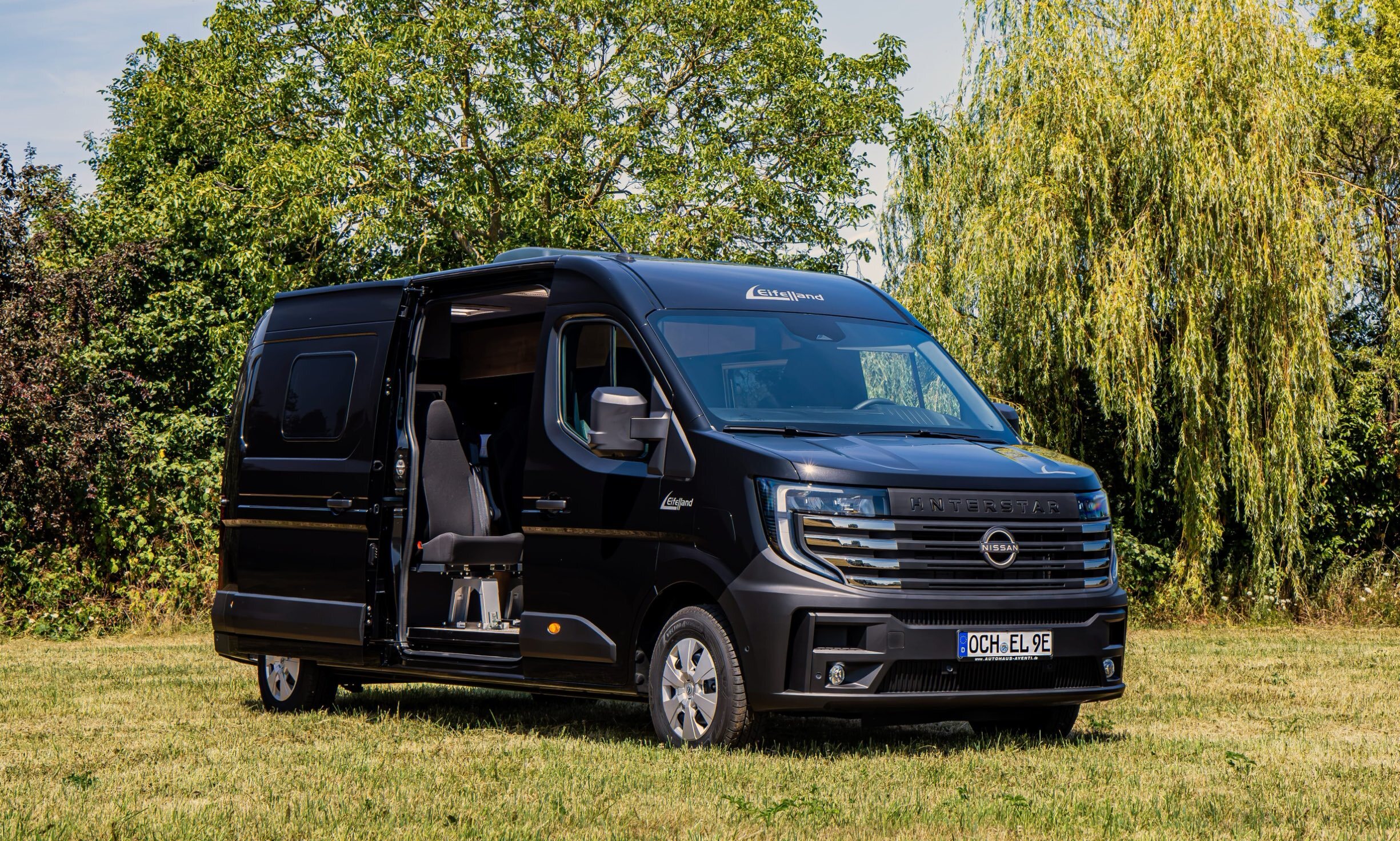
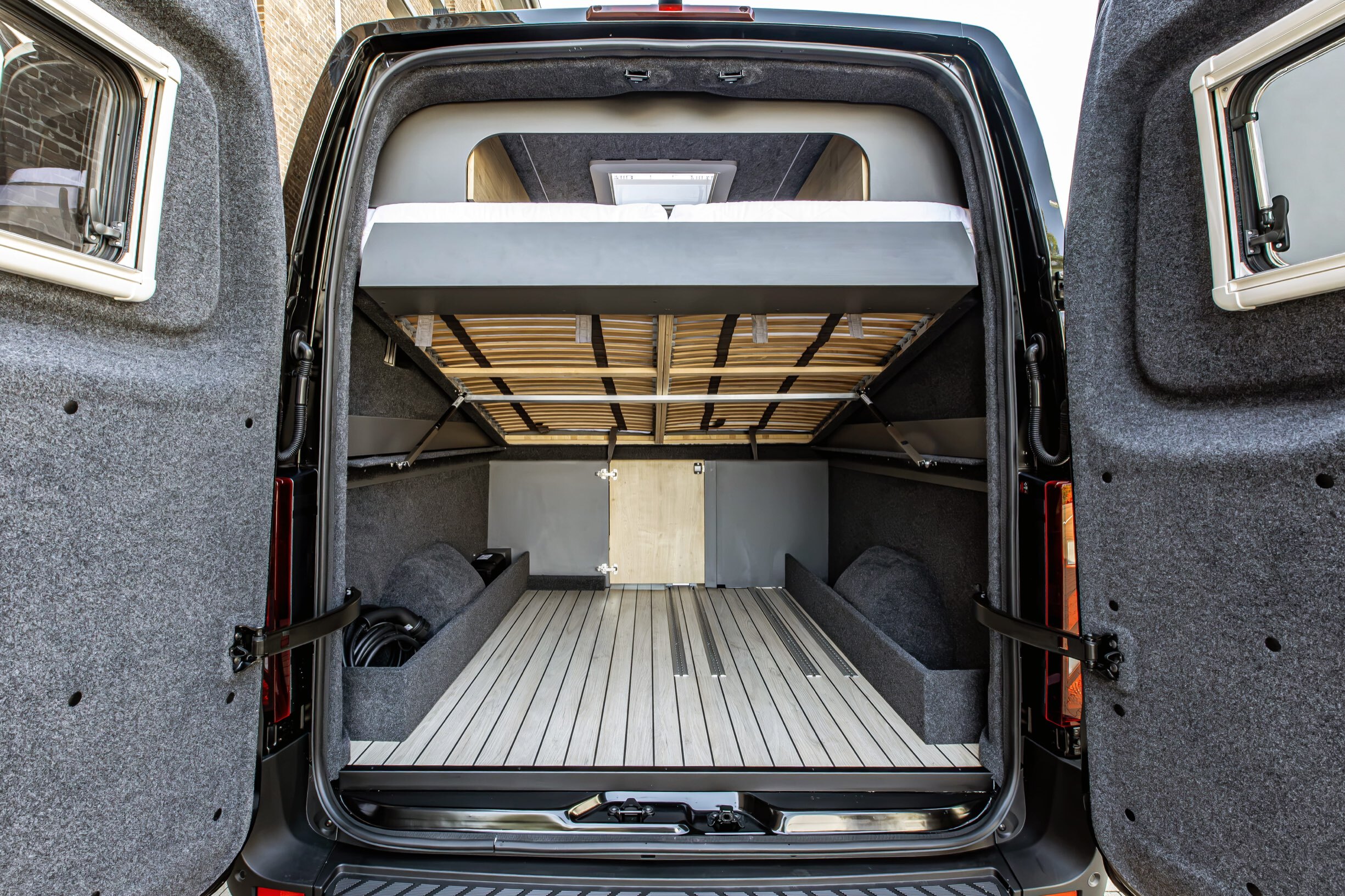
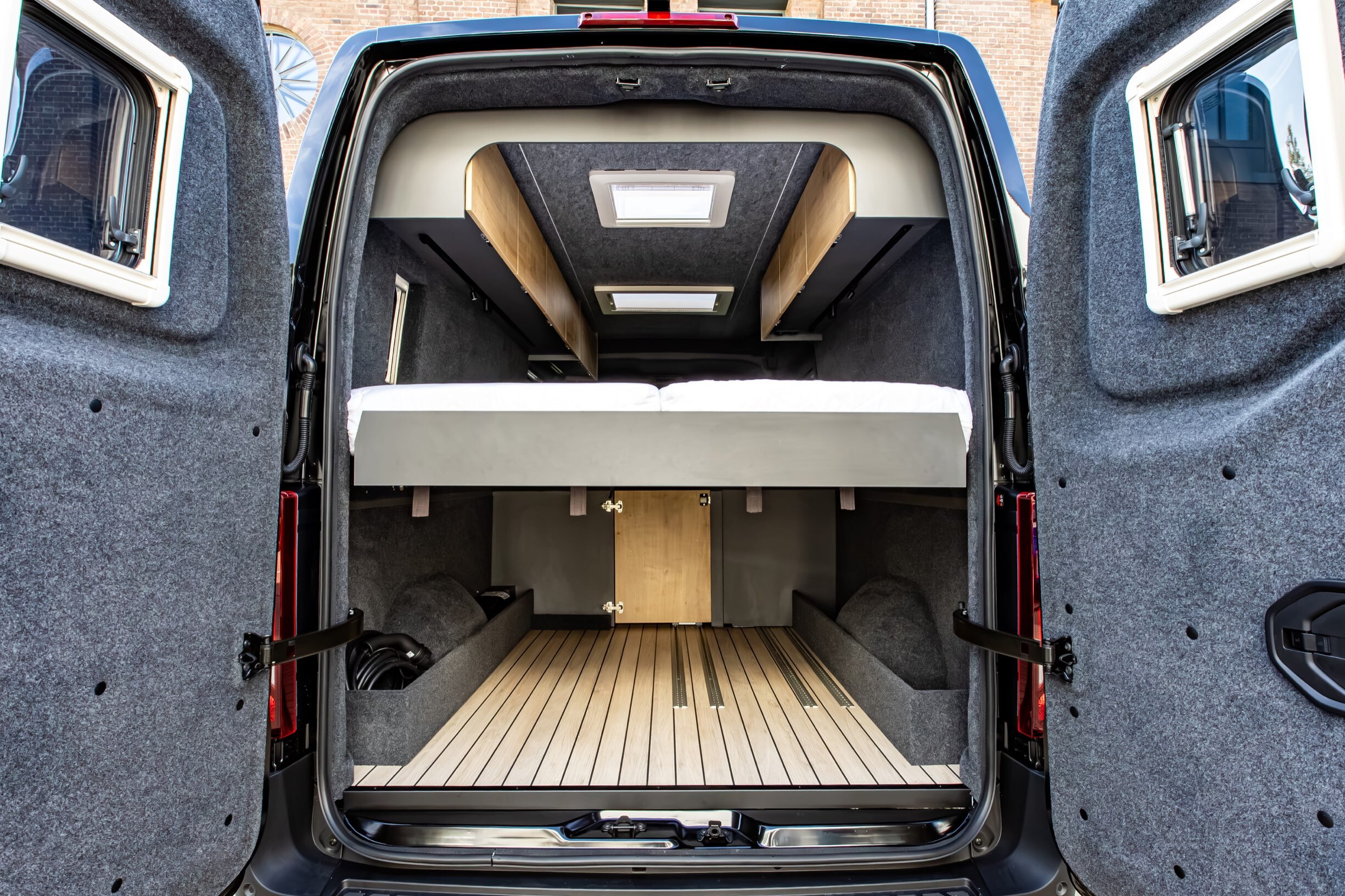
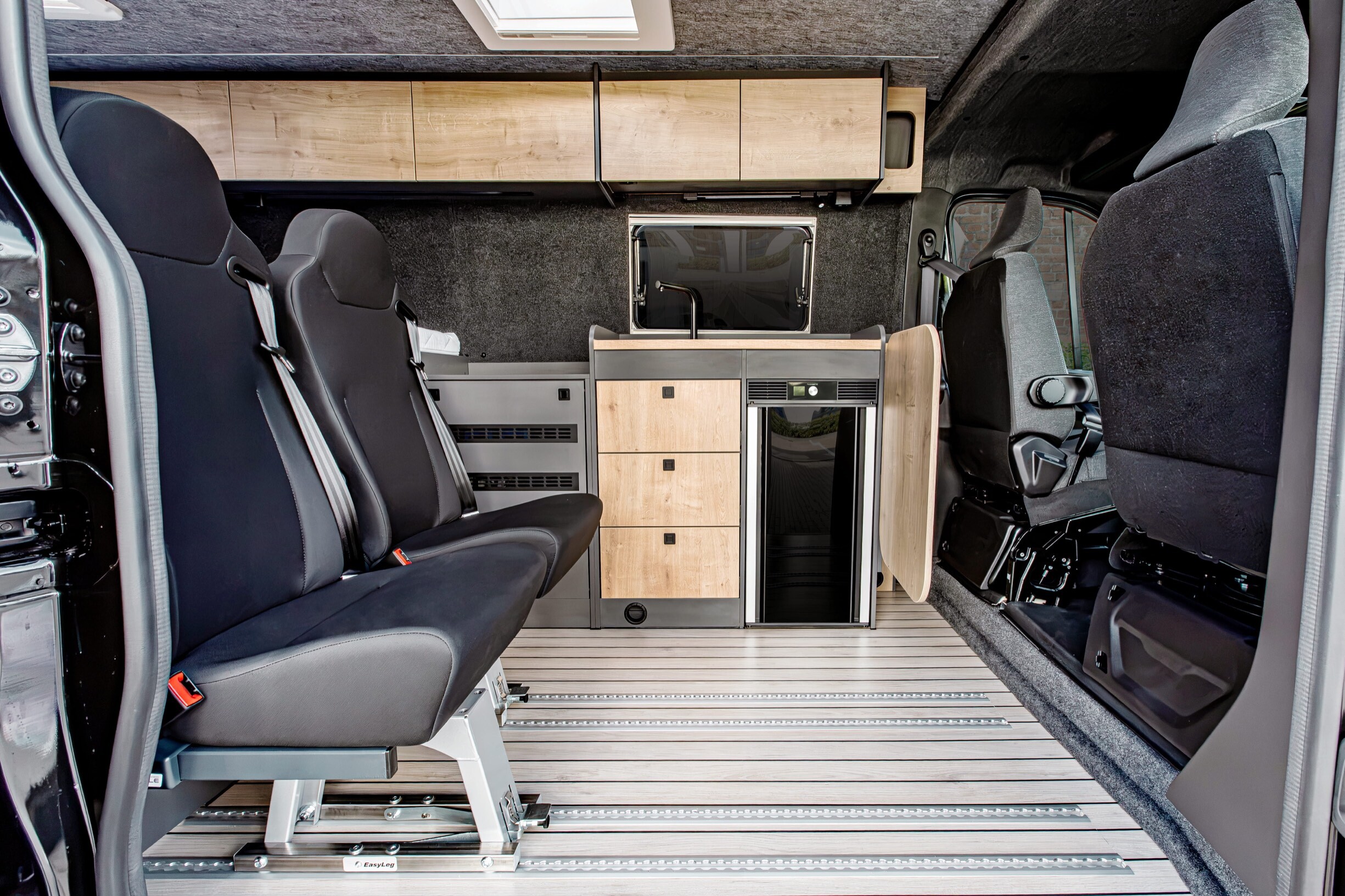
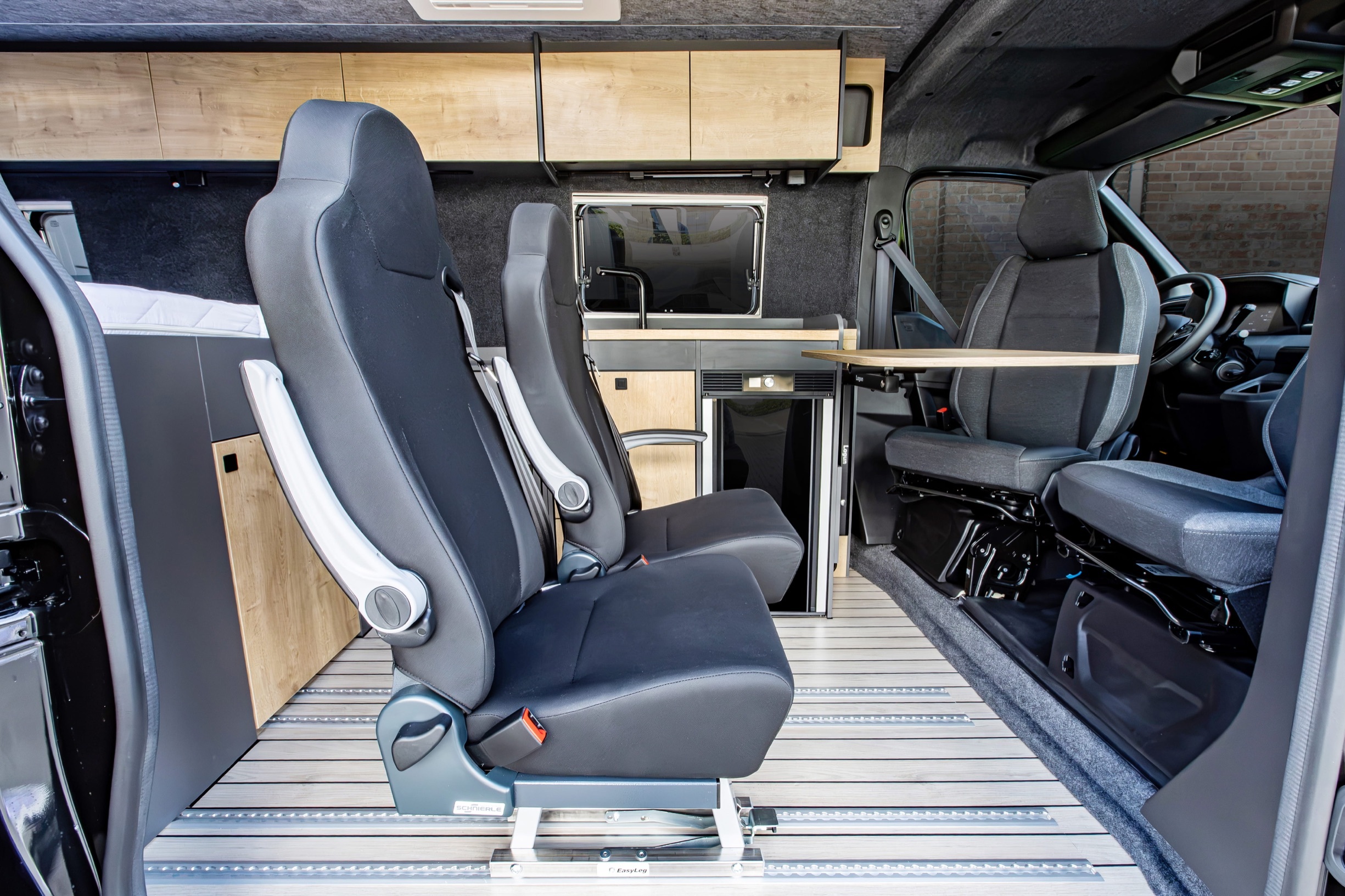
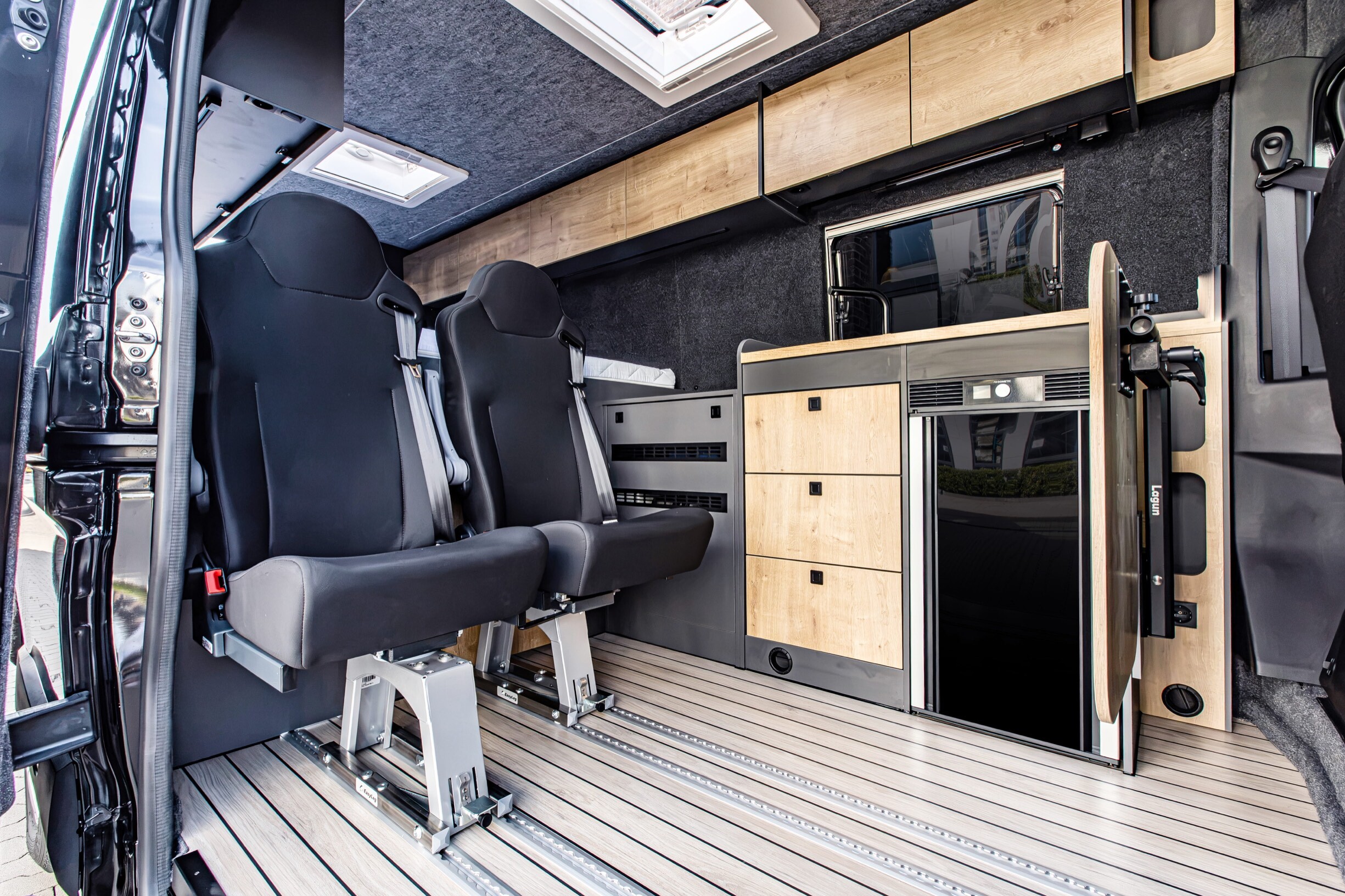
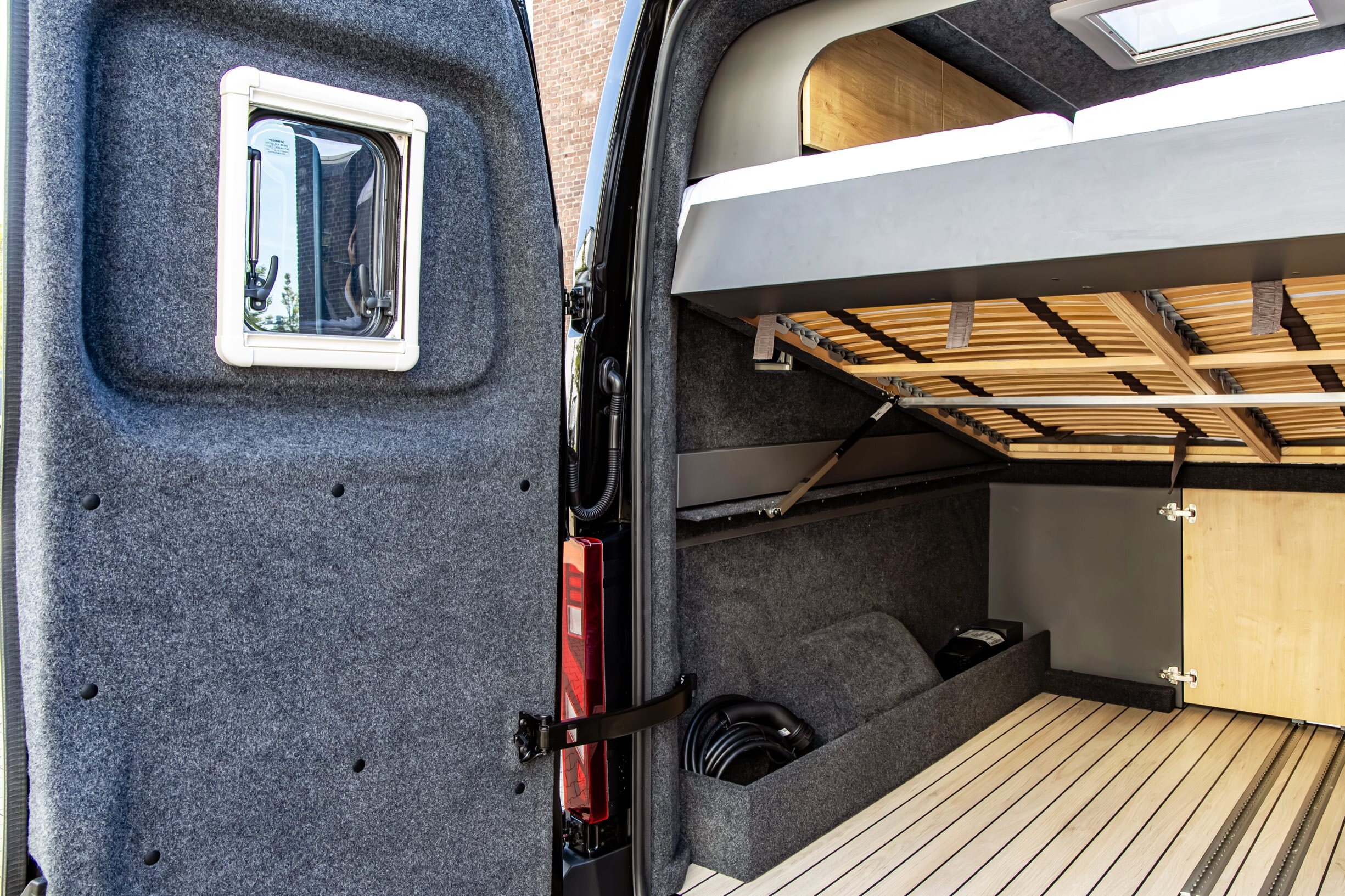
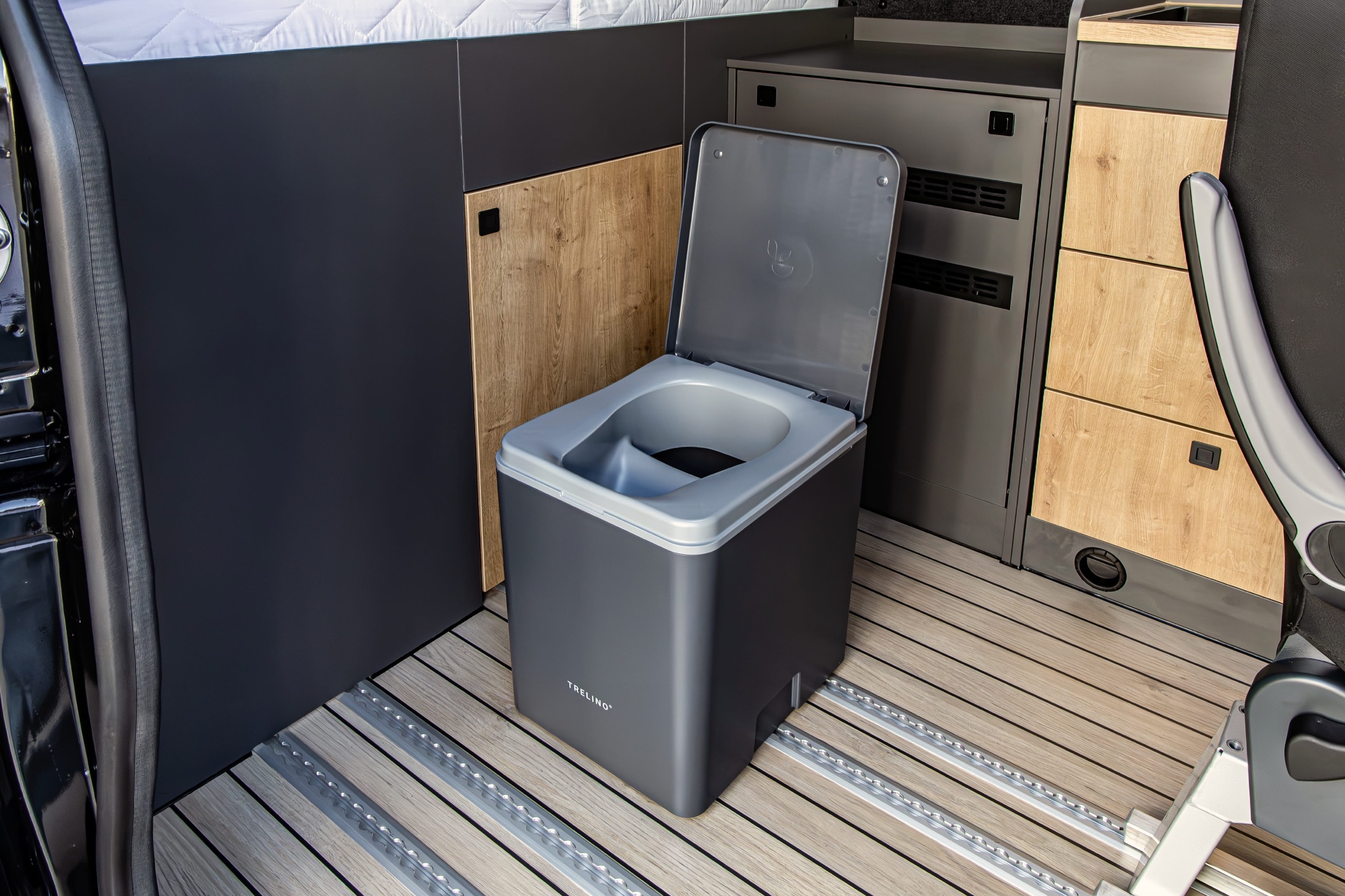
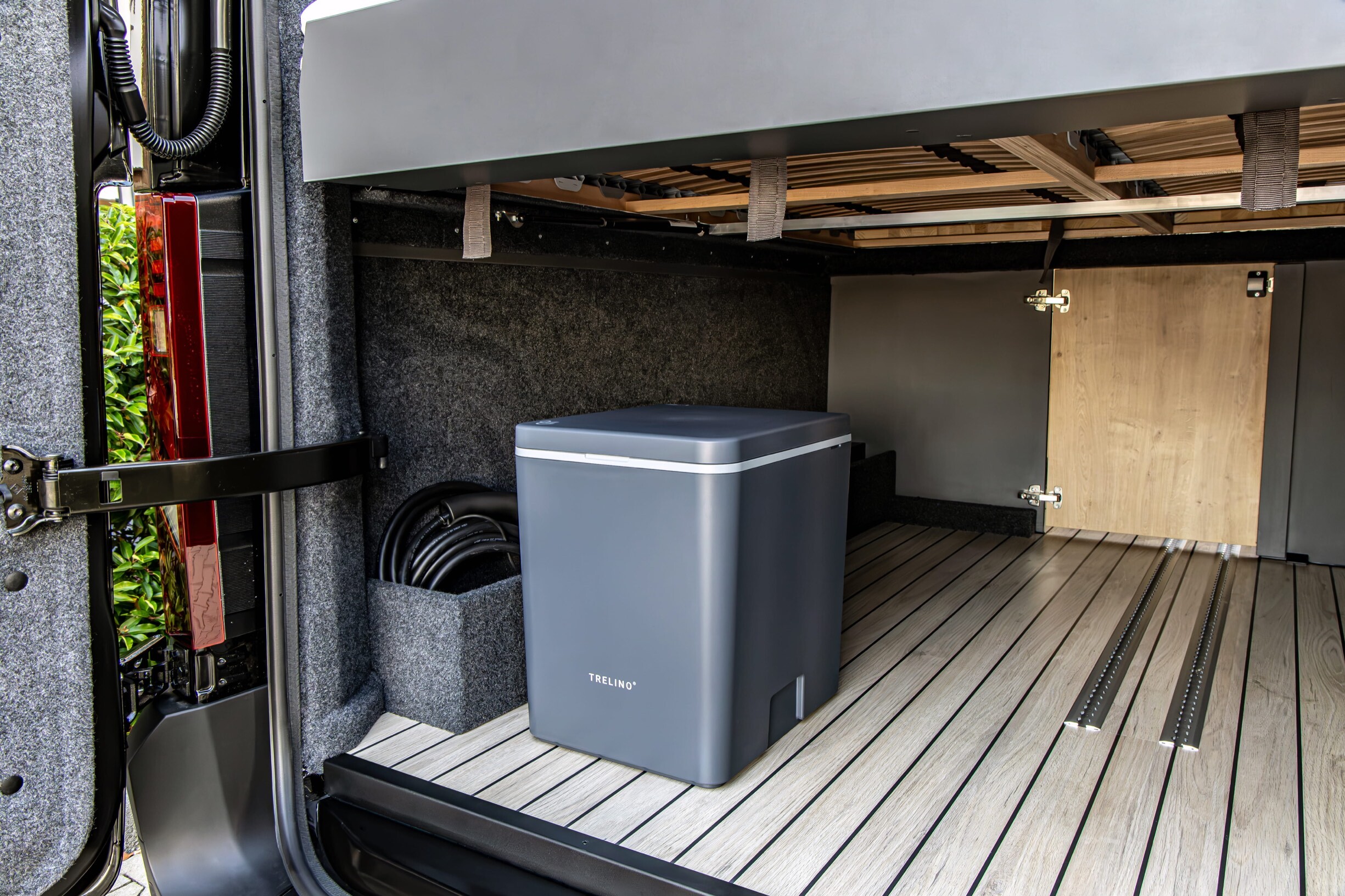
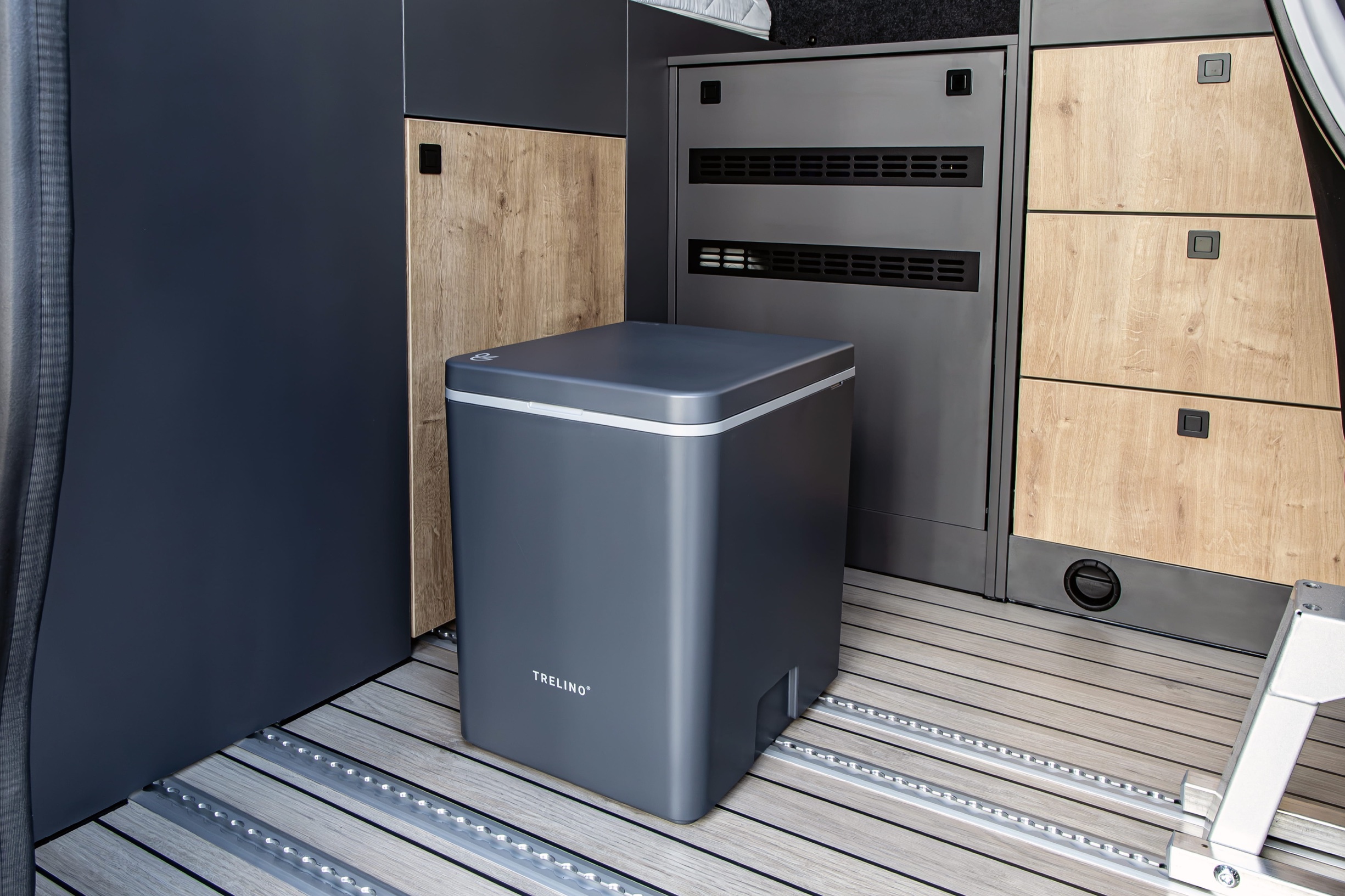
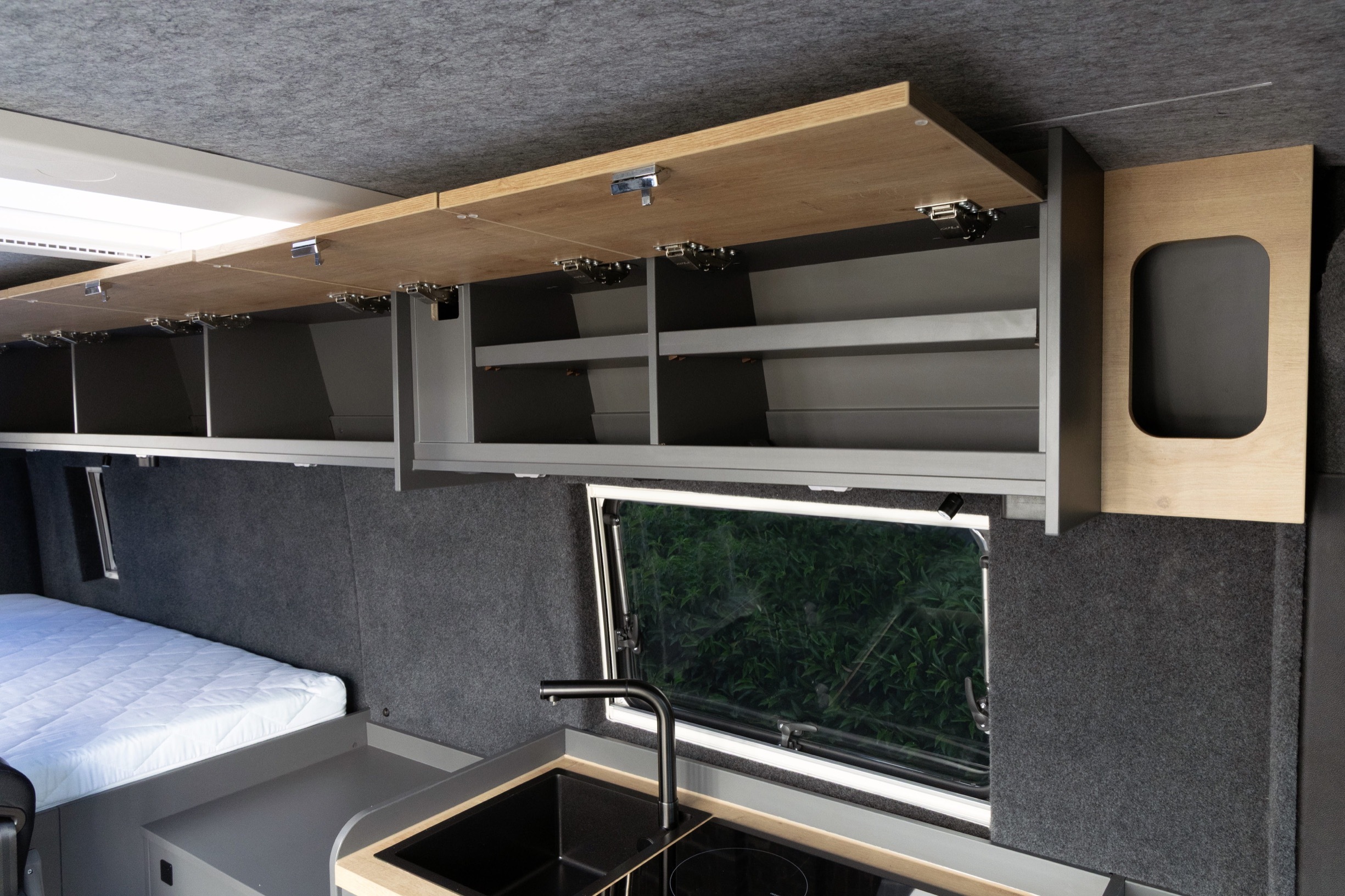
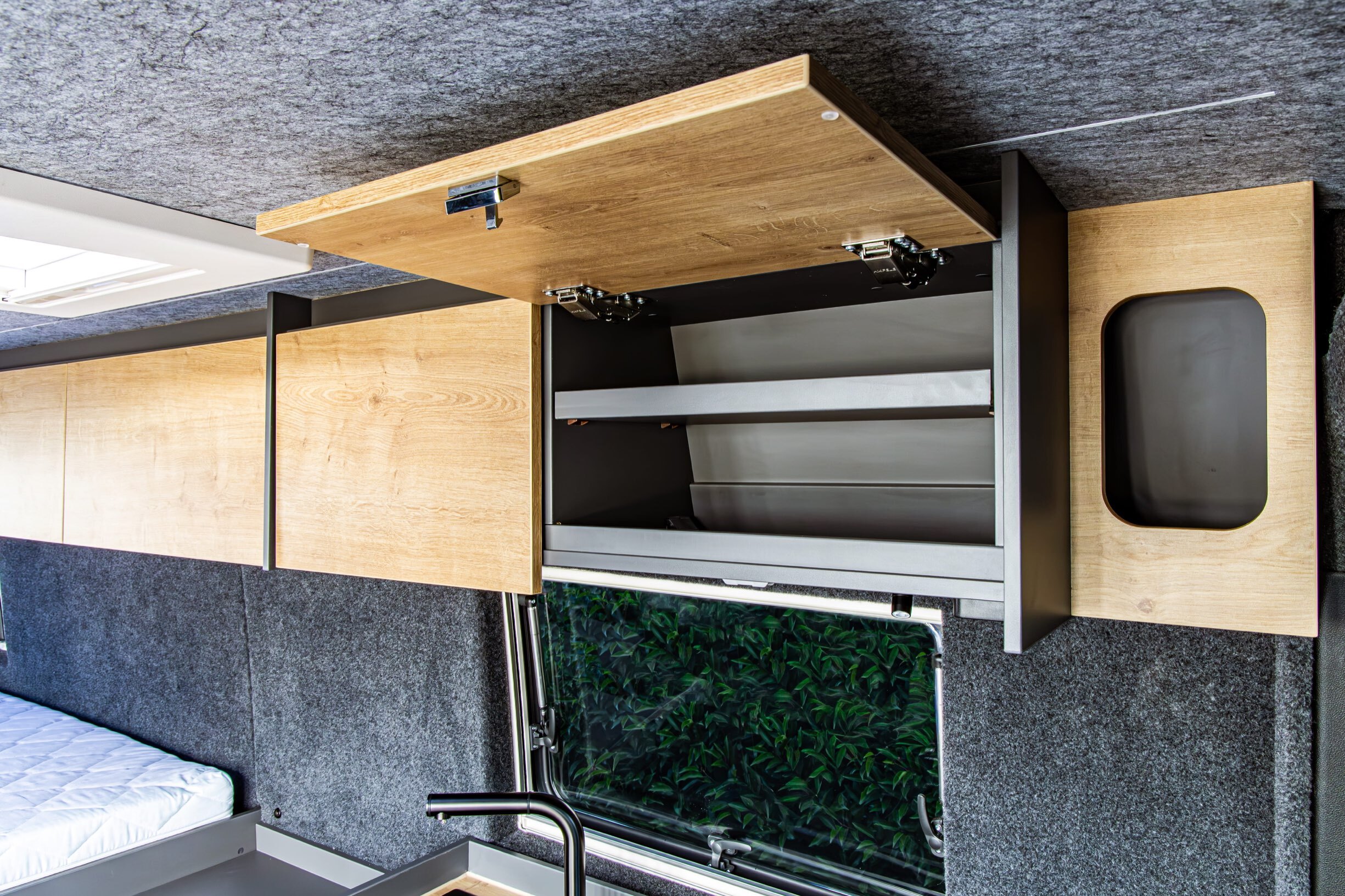
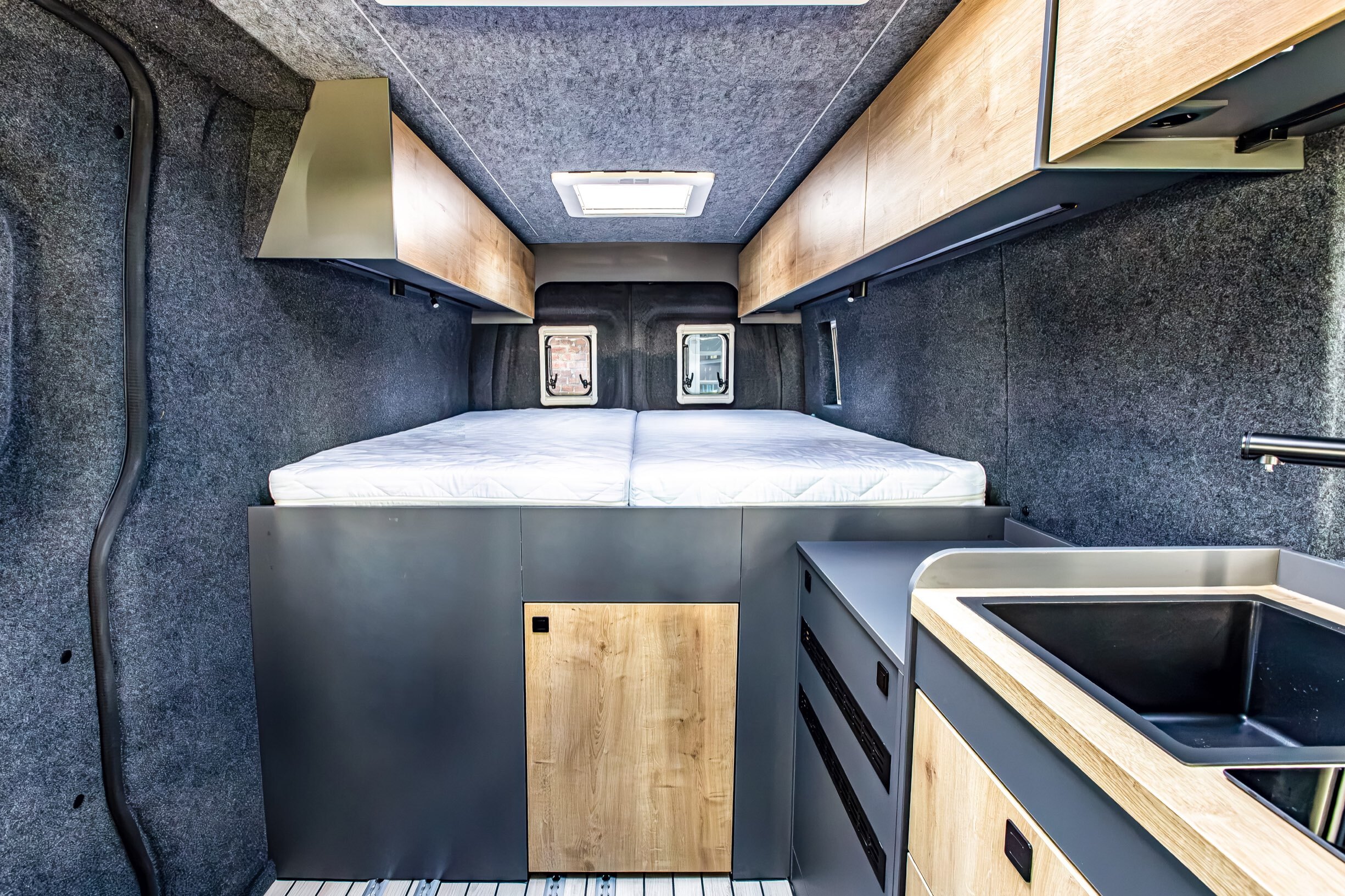
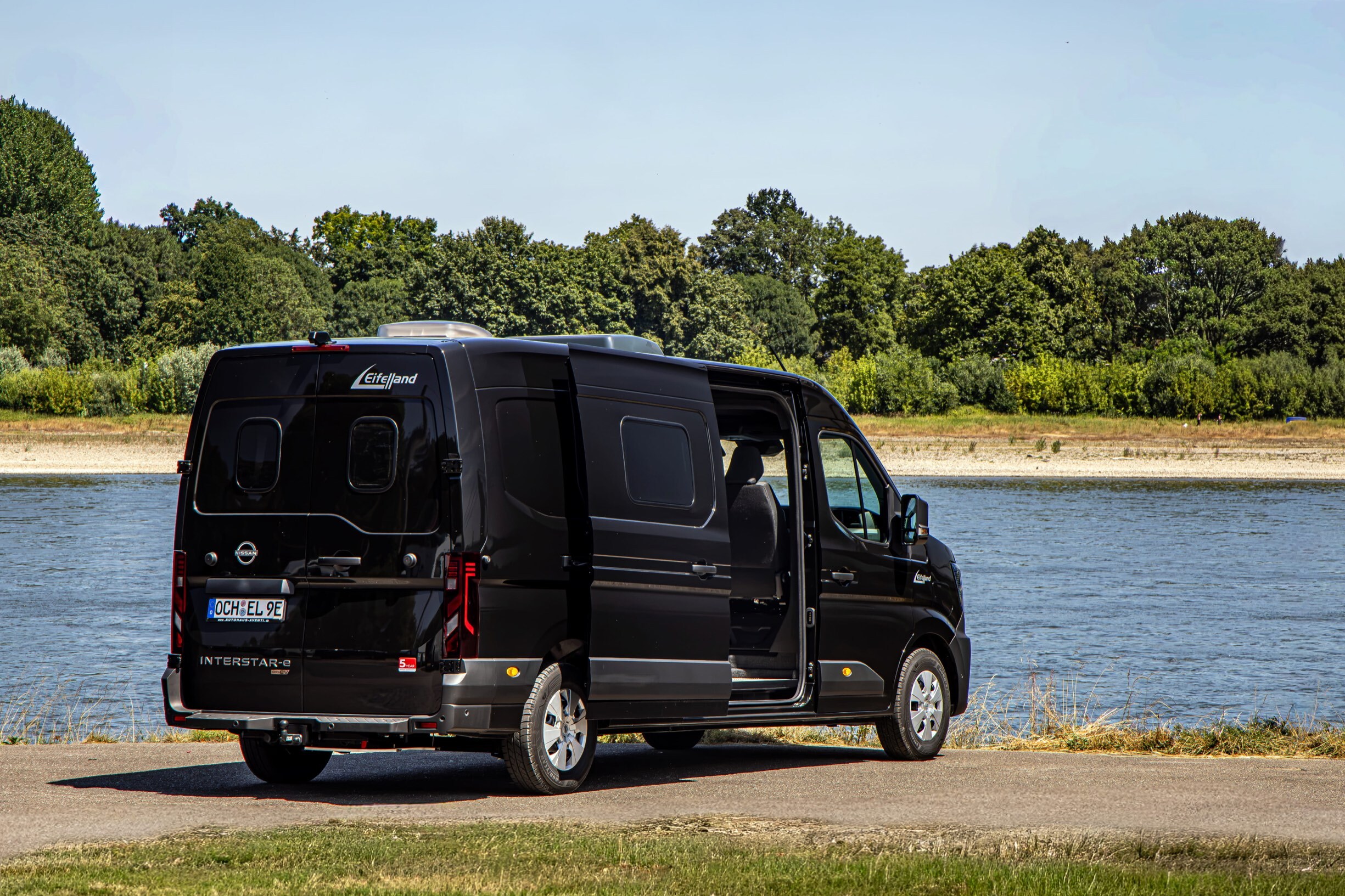
The Relax is built to function as a compact motorhome. Eifelland fits a fixed rear bed measuring approximately 1.90 by 1.60 meters, so owners do not have to convert the lounge into a sleeping space each night. The cabin also includes real-wood trim, overhead storage and a portable toilet.
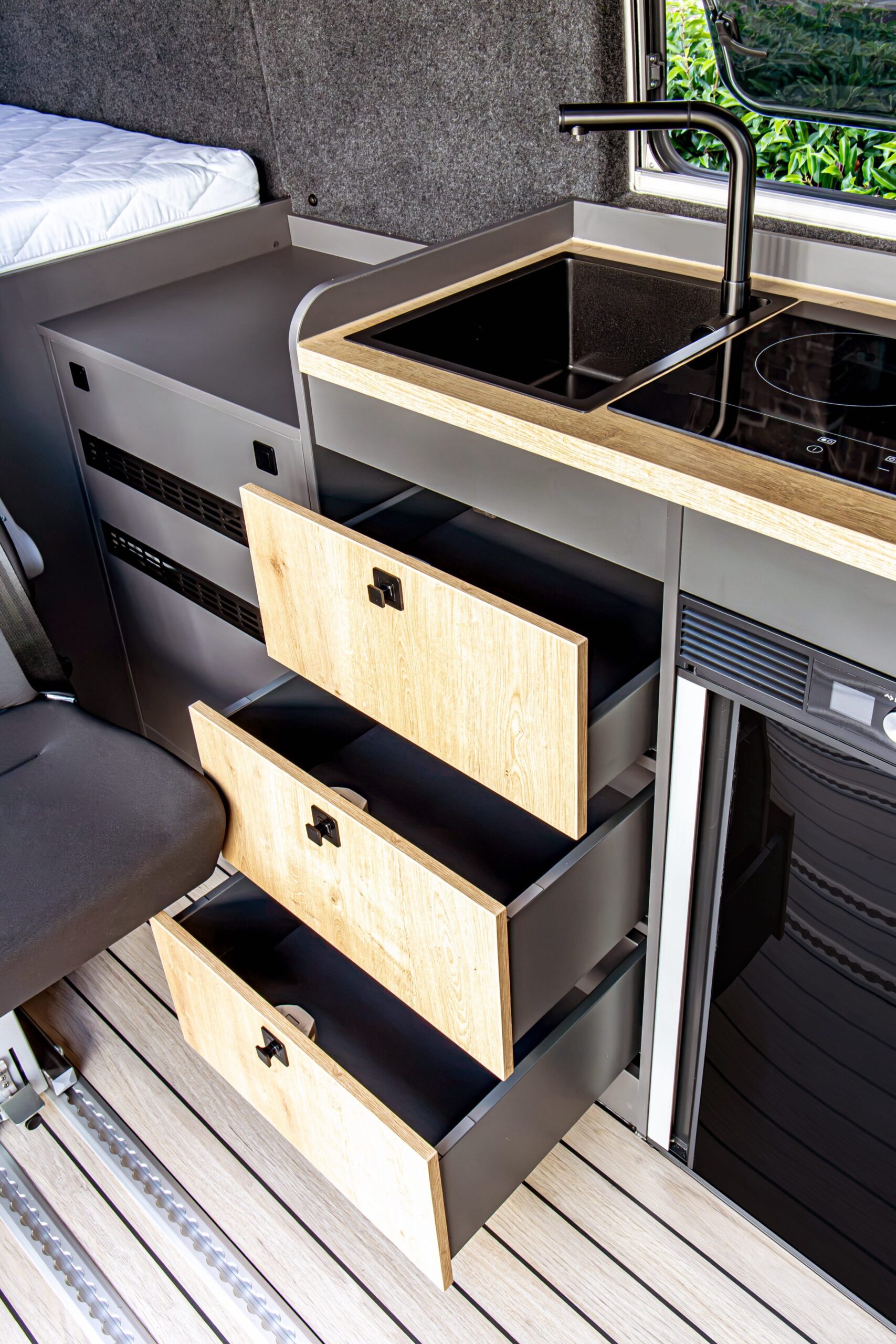
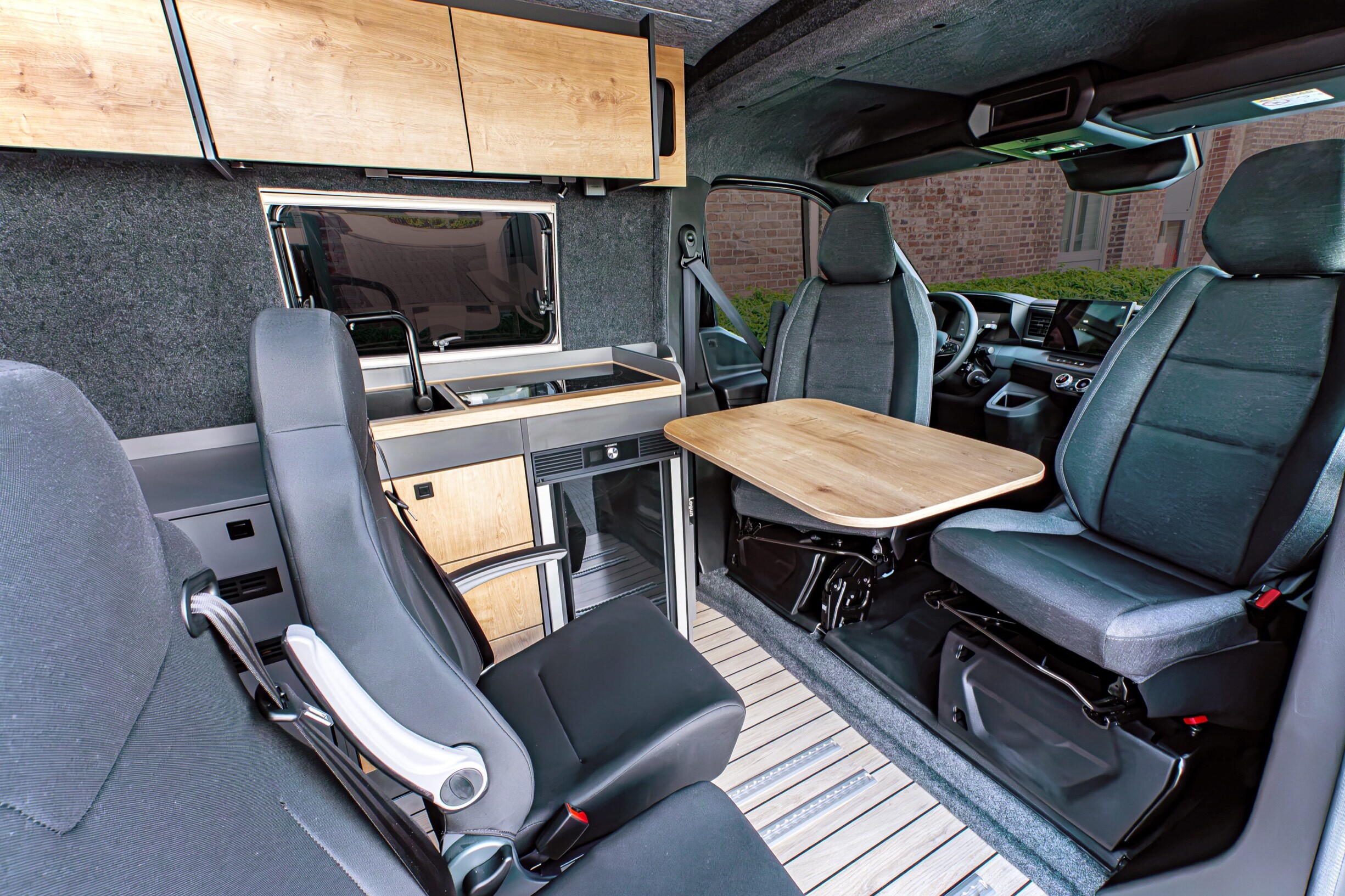
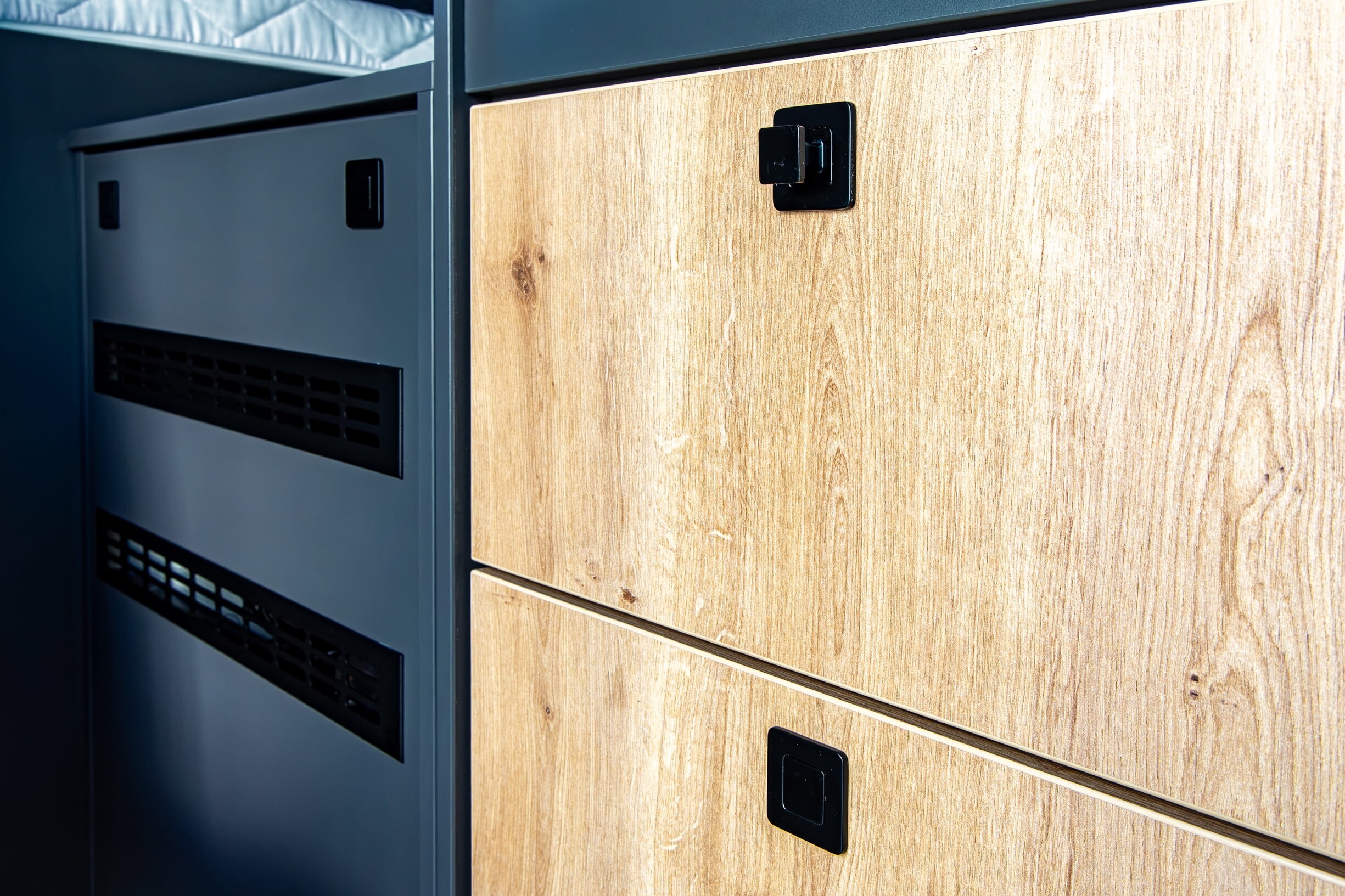
The kitchen specification is purposeful rather than minimal. A 90-liter refrigerator, induction hob and sink cover the basics for longer stops. Around 2.6 cubic meters of storage should be useful for boards, outdoor gear and travel supplies. Two additional individual seats can be fitted or removed, allowing the interior to prioritize either four-person travel or more open living space.
That balance between cargo capacity and passenger flexibility is part of the wider electric-van story. For a smaller commercial EV perspective, see World Cars Blog's coverage of the Kia PV5 Cargo electric van.
What the numbers mean for real trips
The 410 km WLTP figure is encouraging for a large electric van, but it must be interpreted correctly. WLTP is a standardized test result for the base vehicle. The camper conversion brings furniture, appliances, water, luggage and often more occupants. Motorway driving, steep grades, cold temperatures and cabin heating also demand more energy.
Practical planning insight
For an electric camper, plan the next drive and the overnight stay as one energy budget. Arrive with a healthy battery reserve, identify charging near the next destination, and treat parked heating as a real electrical load. The V2L heater is a valuable convenience feature, not a reason to ignore charge planning.
The charging hardware helps. Nissan quotes DC charging up to 130 kW and a standard 22 kW AC onboard charger. On a compatible three-phase AC supply, the latter can be particularly relevant at some European campgrounds and destination chargers. Charging times vary with charger capability, battery temperature, starting state of charge and local conditions, so no single session time should be assumed.
Who is the Interstar-e Relax for?
The electric campervan makes the most sense for travelers who can charge reliably before or during a trip, regularly use organized sites or destination charging, and value quiet nights at camp. Its large fixed bed, meaningful storage and removable seats also make it a credible option for active travelers carrying surf, kite or outdoor equipment.
It is less suited to buyers who routinely cover long motorway distances without predictable charging, or who expect to camp for extended periods with high electrical consumption far from infrastructure. For a broader look at emerging electric-vehicle coverage, explore the Auto News Line electric vehicles hub.
Potential advantages
- Quiet, locally emission-free parked heating
- Fixed double bed and proper kitchen
- Flexible removable rear seats
- Fast DC and capable AC charging hardware
- Useful storage for outdoor equipment
Points to consider
- Camper range is likely below the base-van WLTP claim
- Heating reduces available driving energy
- Charging access remains central to trip planning
- Starting price places it in a premium segment
- Market availability outside Europe is unconfirmed
How it fits the electric campervan market
Electric camping is still a small category, but it is becoming more credible as battery capacity and charging performance improve. The Relax's differentiation is not simply that it uses an electric drivetrain. It deliberately connects the drive battery to the lived-in part of the vehicle through V2L heating.
That approach makes a strong case for electric campers when travel patterns suit them. It avoids local combustion during overnight stops and reduces dependence on a separate generator. It also introduces a responsibility conventional campers do not have in the same way: drivers must protect enough charge for both comfort and the next leg of the journey.
For more EV news in Arabic, World Cars Blog maintains a dedicated electric vehicles section.
Official walkaround video
No official video specifically covering the 2026 Interstar-e Relax was located at the time of writing. This relevant Nissan Interstar camper conversion walkaround provides visual context for the base vehicle format. It is not a video of the Interstar-e Relax and should not be treated as evidence of this model's equipment.
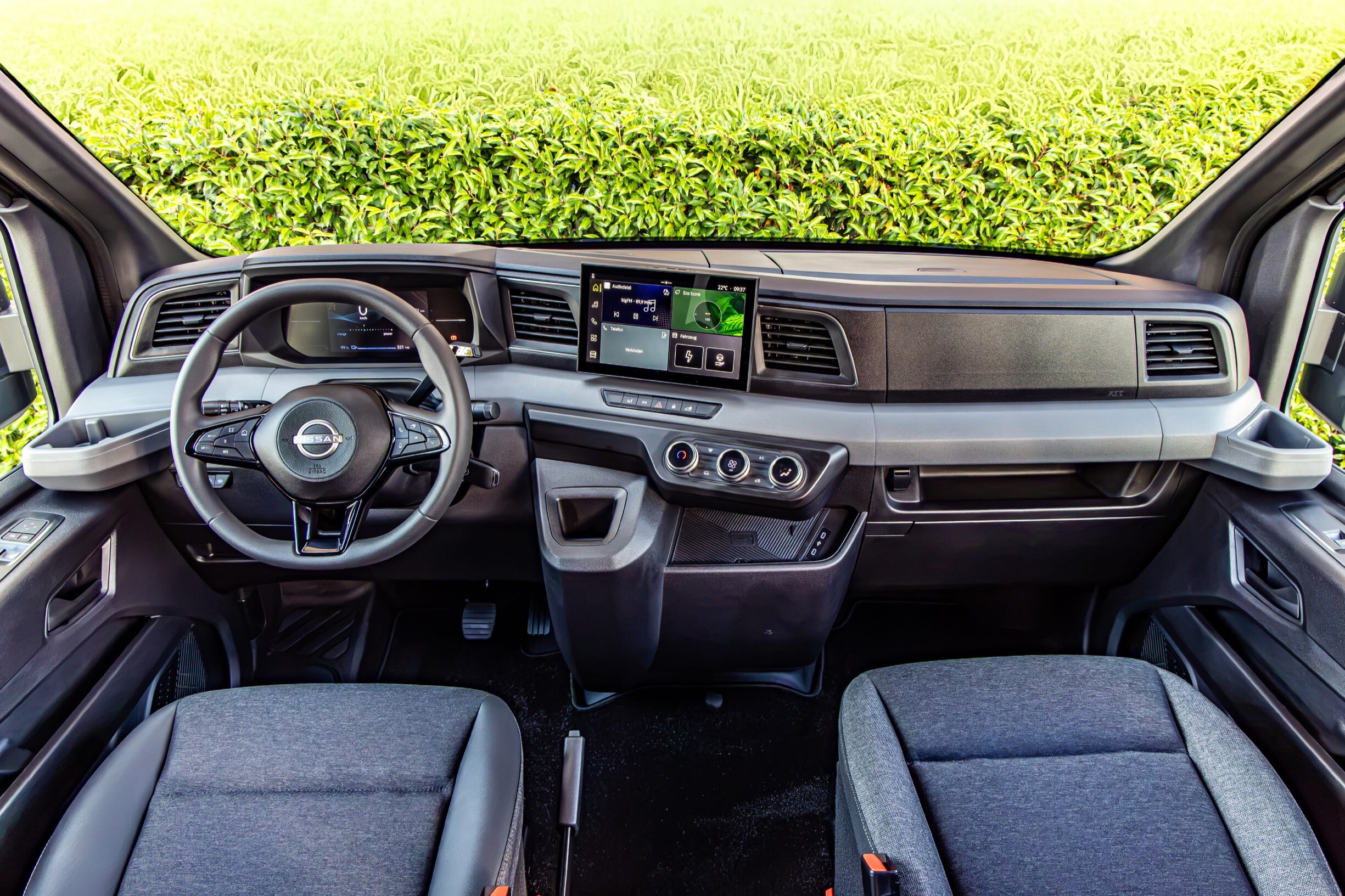
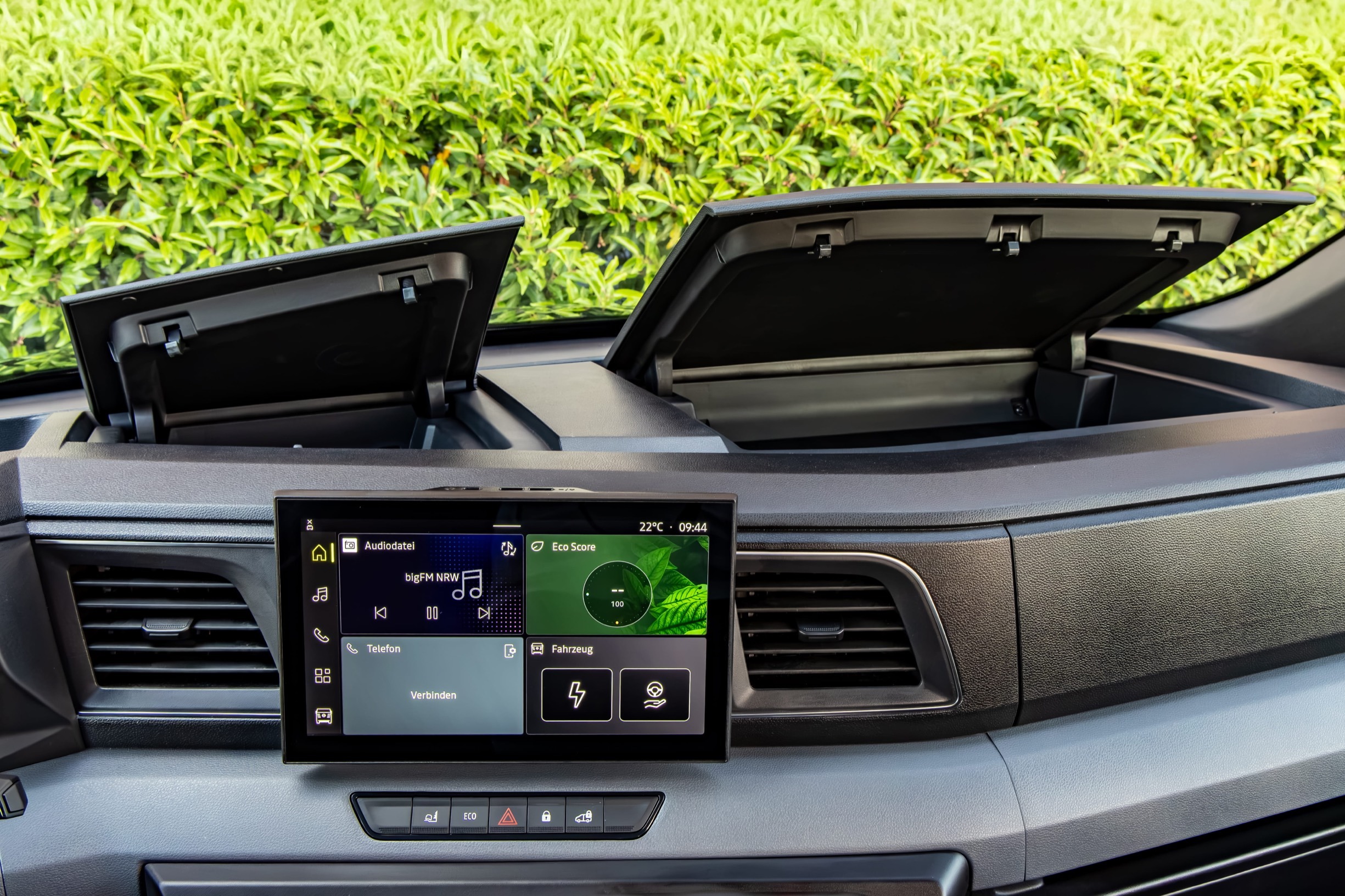
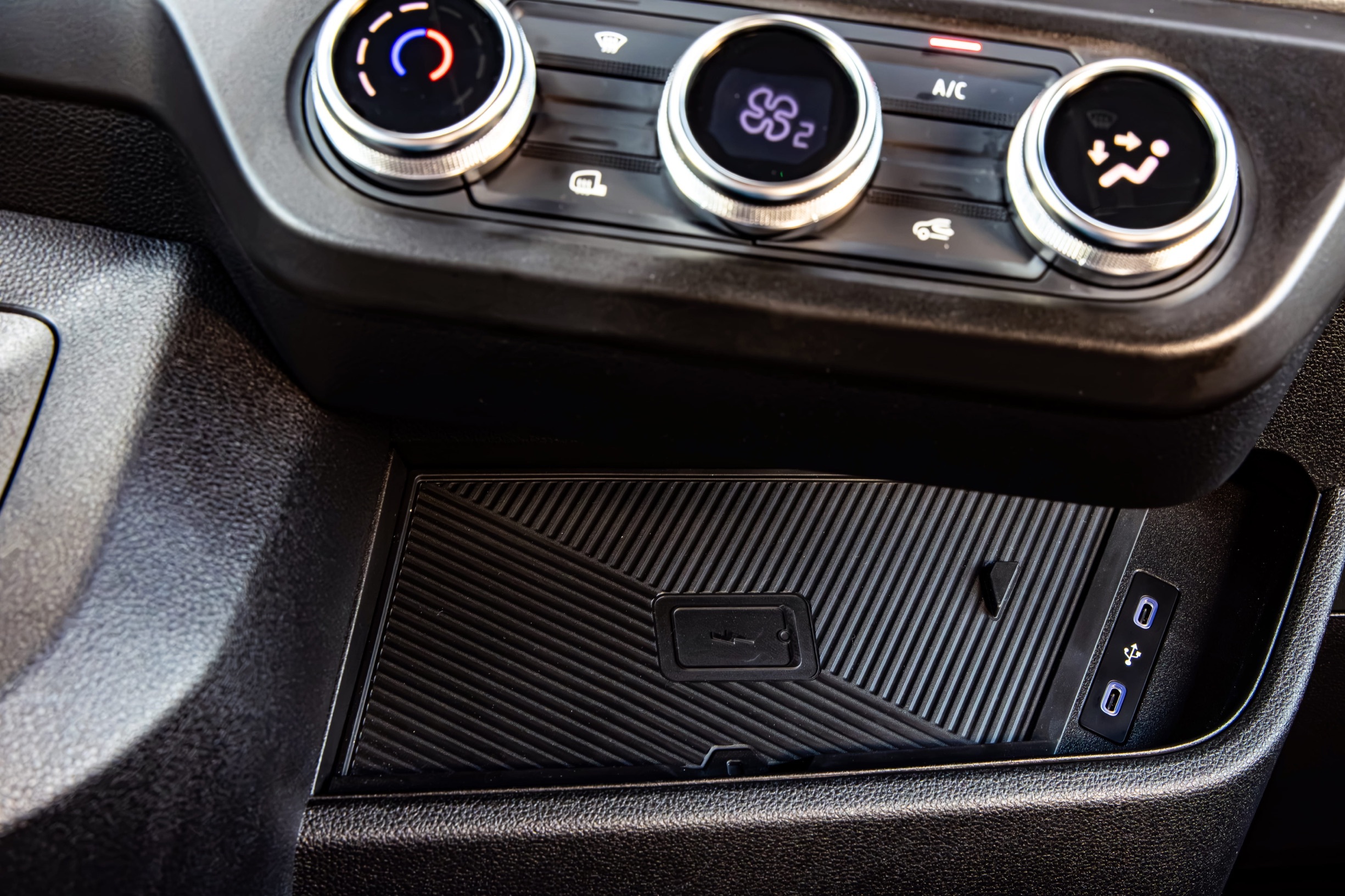
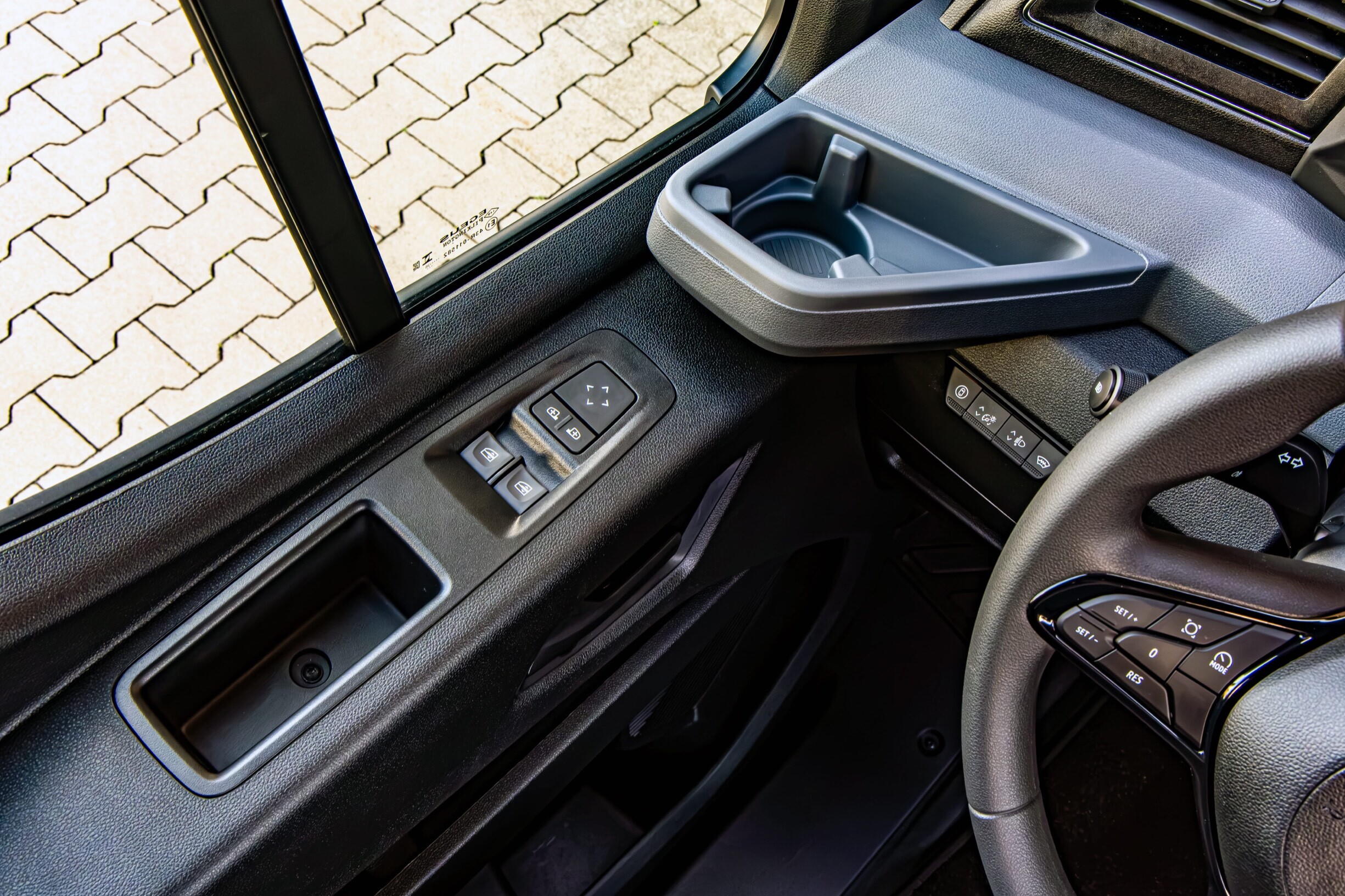
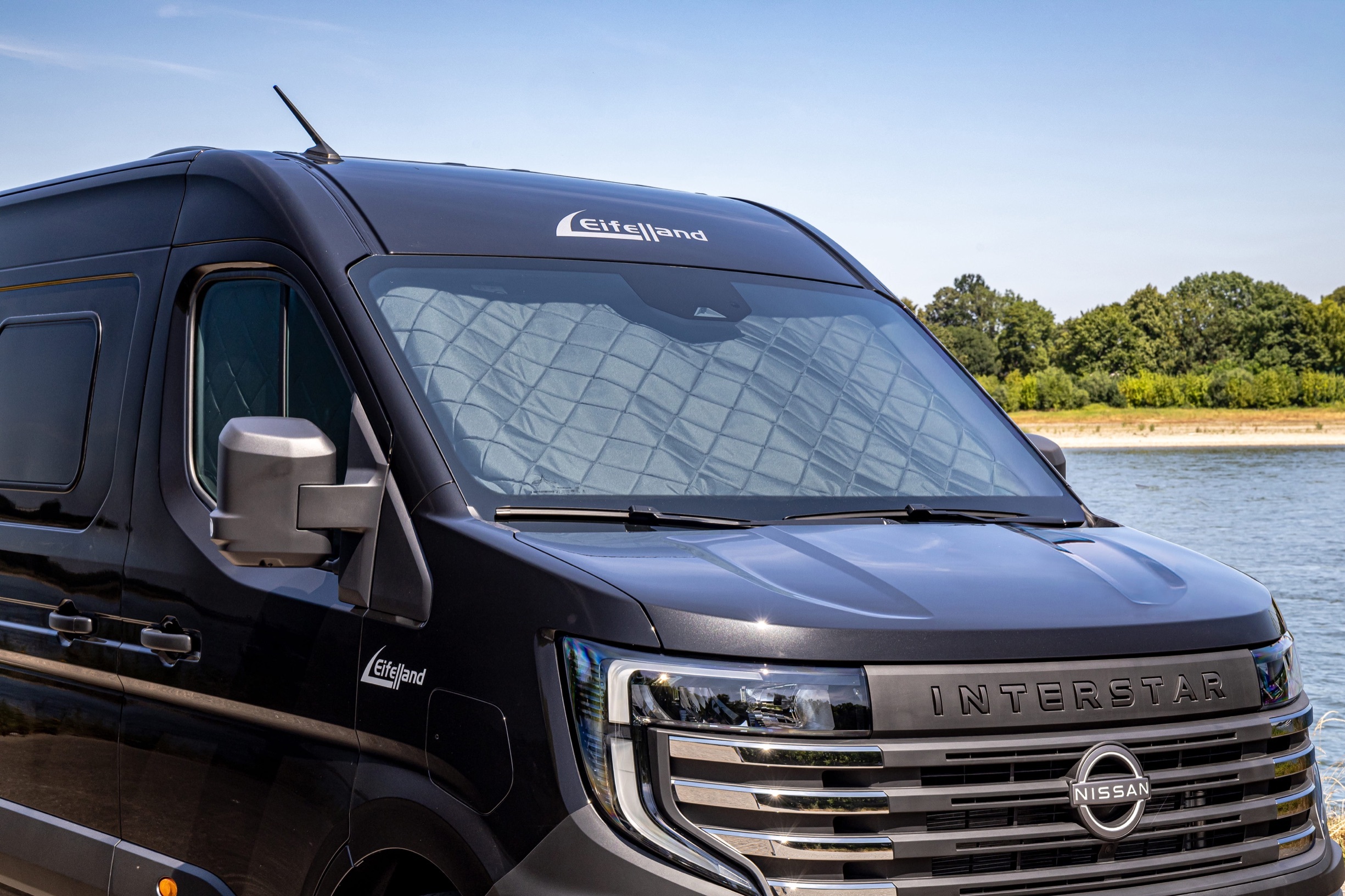
Photo gallery: Nissan Interstar-e Relax
The following supplied press-image URLs are presented in original gallery sequence. Nissan is credited on the source material. Obtain a license or express permission before republishing these images on a commercial site.






Frequently asked questions
What is the Nissan Interstar-e Relax?
It is a battery-electric campervan created by Nissan and German conversion specialist Eifelland. It is based on the Nissan Interstar-e electric van.
How does the Interstar-e Relax heat the cabin while camping?
Its Truma Eezy parking heater can use the van's high-voltage battery through vehicle-to-load functionality. It does not require a grid hookup or a fuel-burning generator to operate.
What is the Nissan Interstar-e Relax range?
Nissan quotes up to 410 km or 255 miles under WLTP testing for the unconverted Interstar-e base van. The completed camper's real-world range will vary and will likely be lower in many conditions.
How big is the bed in the Nissan Interstar-e Relax?
The fixed rear bed measures approximately 1.90 meters by 1.60 meters, or about 6.2 feet by 5.2 feet.
How fast can the Interstar-e Relax charge?
The Interstar-e hardware supports DC charging up to 130 kW and has a 22 kW AC onboard charger. Charge time depends on the charger, battery temperature and starting charge level.
How many people can travel in the Interstar-e Relax?
The conversion can accommodate up to four seats. Two additional individual seats can be removed to create more living space.
How much does the Nissan Interstar-e Relax cost?
European pricing starts at €89,900. Check with Nissan or Eifelland for current pricing, taxes and availability in your market.
Should you consider an electric campervan?
The Interstar-e Relax shows how an electric van can solve a real camping problem: quiet overnight heat without local combustion. If your routes have dependable charging and you value a proper bed, kitchen and flexible cabin, it is one of the more practical electric camper concepts to watch. Follow our latest automotive news for future electric camper and EV updates.
Verification notes: Launch information was cross-checked against the original report and contemporaneous coverage by Motor1 Germany and Auto Medienportal. No independent road test of the Interstar-e Relax was available at publication. This article avoids assigning a real-world range, heater consumption or market launch beyond published information.


