

Audi RS e-tron GT performance: The 925 PS Electric Gran Turismo Explained
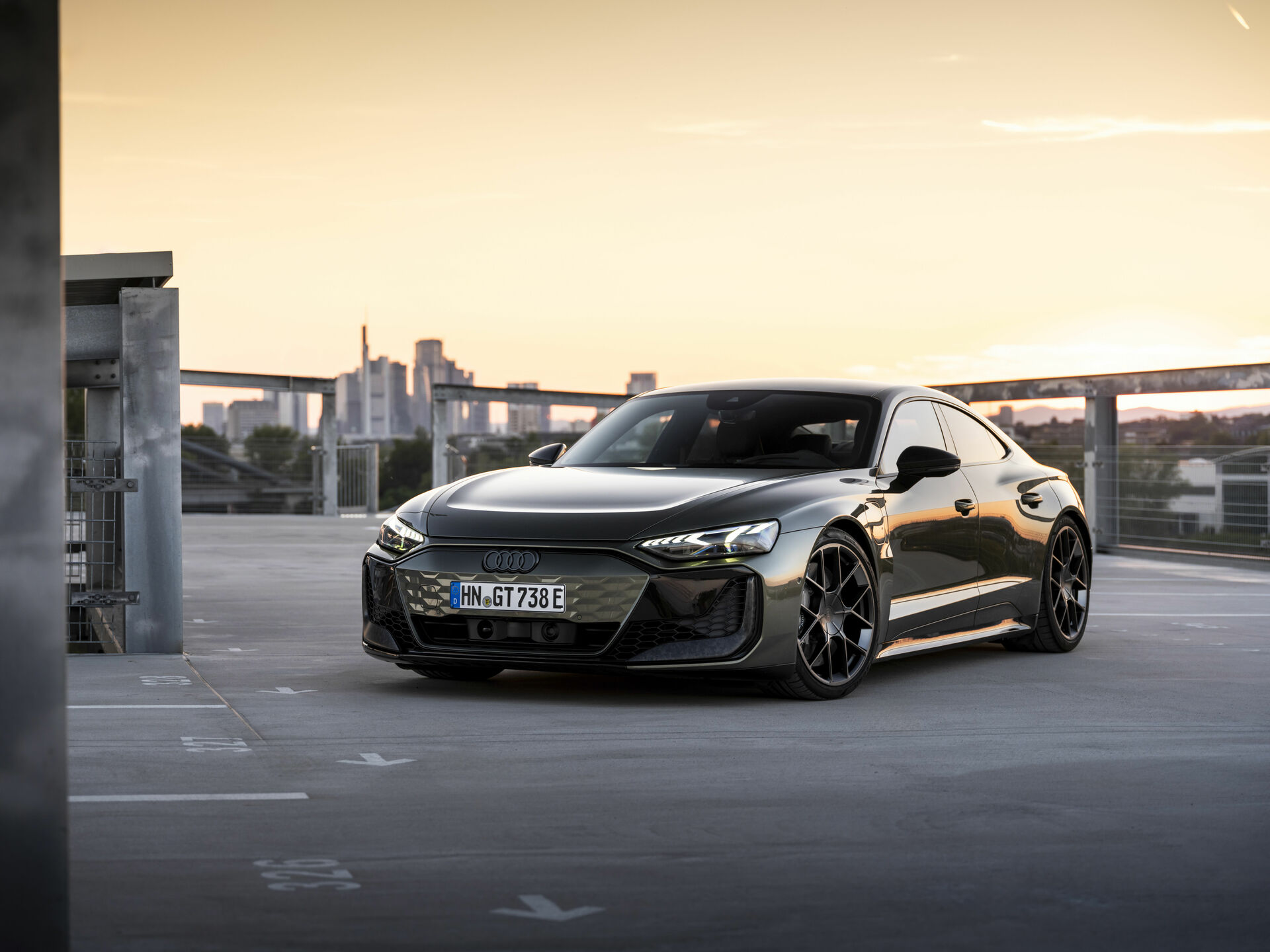
The Audi RS e-tron GT performance is not simply a quicker version of an already fast electric grand tourer. It is Audi Sport's first fully electric RS performance model, and Audi positioned it as the most powerful production vehicle in the brand's history when the announcement was issued. Its headline figure is up to 680 kW, or 925 PS, but the more interesting story is how Audi combines output, repeatable cooling, charging speed, chassis control, tire choice, and small-series craftsmanship.
This guide breaks down the official claims without adding independent test results. It explains what the numbers mean in real-world terms, identifies the equipment that separates the performance model from the other e-tron GT variants, and clearly labels pricing and availability as announcement-era information.
Audi RS e-tron GT performance: the important figures
The RS e-tron GT performance is aimed at buyers who want a luxury electric car that can function as a long-distance Gran Turismo and still offer a sharper, more specialized setup for demanding roads. The figures below come from Audi's official media release, not from an independent road test.
| Item | Official information |
|---|---|
| Maximum system output | Up to 680 kW, or 925 PS, with Launch Control resources |
| Front electric motor | Permanent-magnet synchronous motor rated at 252 kW, or 342 PS |
| Rear electric motor | New permanent-magnet synchronous motor rated at 415 kW, or 564 PS |
| Battery | 105 kWh gross capacity and 97 kWh net capacity |
| Maximum DC charging power | Up to 320 kW |
| Announced 10 to 80 percent charging time | 18 minutes at a suitable high-power charging station under ideal conditions |
| Standard suspension | Two-chamber, two-valve air suspension |
| Production site | Böllinger Höfe at Audi's Neckarsulm site |
For a broader overview of how high-output EVs are positioned across the market, see AutoNewsLine's guide to the top electric vehicles of 2025. That article serves as market context. It is not a substitute for the official Audi figures used here.
The 925 PS headline is only part of the engineering story
Audi describes the RS e-tron GT performance as its first fully electric RS performance model. The car uses one permanent-magnet synchronous motor on each axle. The front motor has a reinforced driveshaft and produces up to 252 kW, while the newly developed rear motor is rated at up to 415 kW.
The combined output can reach 680 kW, or 925 PS, when Launch Control briefly draws on the high-voltage battery and the electric motors. That figure is therefore a maximum system output under a specific operating strategy. It should not be read as a continuously available output in every driving situation.
Audi also reduced the mass of the rear electric motor by 10 kilograms through a lighter rotor and changes to the stator. The release links this lower mass with improved efficiency and a stronger performance focus. From an engineering perspective, reducing motor weight can help the vehicle's overall balance, but the official announcement does not provide independent handling measurements, so those results should not be assumed.
The meaningful upgrade is the combination of peak output and repeatability. A performance EV needs more than a large peak number. It needs a cooling system, battery, motor control strategy, tires, and suspension that can work together when the driver uses the car repeatedly. That is why Audi gives thermal management and chassis tuning almost as much attention as the 925 PS figure.
Battery, thermal management, and 320 kW charging
The RS e-tron GT performance uses a battery with 105 kWh of gross storage capacity and 97 kWh of usable net capacity. Audi says the revised cell chemistry allows higher energy capacity as well as greater charging and driving currents compared with the previous model.
Maximum charging current rises to 400 amps, while maximum charging power reaches 320 kW. Under ideal conditions at a high-power charging station, Audi gives an 18-minute estimate for charging from 10 to 80 percent. Real charging times can vary according to battery temperature, charger output, state of charge, weather, station sharing, and local infrastructure.
Thermal management is central to the claim of repeatable performance. Audi reworked the four coolant circuits so the high-voltage battery, electric motors, and cabin can be conditioned with greater independence. When the car demands extra output, the air-conditioning circuit can help cool the battery, while the motors and other components receive their own thermal control.
The practical implication is straightforward. The car is designed to manage heat before and during demanding use rather than treating cooling as an afterthought. That does not guarantee identical performance in every climate or driving session, but it explains why Audi presents thermal management as one of the model's main performance technologies.
Charging is also part of the wider EV conversation. Readers comparing the RS e-tron GT with Porsche's electric performance strategy can explore AutoNewsLine's coverage of the future Porsche lineup and Taycan context. The two brands serve different design and customer priorities even when their electric performance stories overlap.
What does Audi's push-to-pass function do?
Push-to-pass is a temporary output function designed for situations where the driver wants an extra burst of acceleration. When activated above 30 km/h, it adds 70 kW for up to 10 seconds. The release says the system uses the same battery strategy as Launch Control and automatically switches the car to Audi drive select dynamic mode.
After use, the function requires at least 10 seconds of regeneration before it can be activated again. Audi displays a timer in the virtual cockpit so the driver knows how long the additional output remains available.
This is not a separate motor or a permanent power rating. It is a controlled temporary boost that makes the car's power delivery more immediate when conditions allow it. In everyday driving, it may be used rarely. On a challenging road or track, however, the ability to access a short, clearly defined power increase can make the performance model feel more responsive.
RS performance mode, suspension, and tire choices
The driver can select the normal Audi drive select profiles called efficiency, comfort, and dynamic. There are also two individually configurable RS modes, RS1 and RS2. These allow the driver to adjust drive behavior, suspension, ride height, and sound, then access the preferred setup through the steering wheel controls.
RS performance mode is exclusive to the top model. Audi developed it for challenging circuits and winding mountain roads. The mode changes the behavior of anti-slip control, torque vectoring, suspension tuning, aerodynamics, cooling strategy, and drive torque management. It also keeps the two-speed rear transmission in first gear for longer in order to make acceleration feel more immediate.
A two-chamber, two-valve air suspension system is standard. Audi says the system improves the spread between comfort and dynamic response. A wheel-selective active suspension system is also available as an option. The purpose is not simply to make the car harder. It is to give the driver a wider range between a comfortable touring setting and a more controlled performance setting.
Long-range tires or performance tires
The standard setup uses 20-inch wheels and tires optimized for rolling resistance. Audi also offers optional 21-inch wheels with different designs and tire characteristics. The performance tires are intended to provide more grip and sharper response, while the lower rolling resistance tires prioritize efficiency and range.
Audi says the Bridgestone Potenza Sport tires use 55 percent renewable or recycled materials, including 35 percent renewable content and 20 percent recycled content. That distinction matters because tire choice can influence both the driving character and the efficiency priorities of a high-performance EV.
What stands out
- Very high official system output for a production Audi.
- Dedicated RS performance mode and temporary push-to-pass function.
- Fast charging capability with a large battery pack.
- Choice between efficiency-focused and grip-focused tires.
- Air suspension standard, with active suspension available.
What buyers should verify
- Current price, taxes, and equipment by market.
- Availability of the optional active suspension and 21-inch wheels.
- Actual range with performance tires and local weather conditions.
- Access to a 320 kW charging station in the intended driving area.
- Whether a specific configuration is still orderable.
Carbon camouflage gives the top model its own identity
Audi differentiates the RS e-tron GT performance visually with optional matte darkened carbon roof and carbon camouflage elements. The camouflage treatment can appear in the bumper inlays, rocker panels, diffuser sections, and mirror housings. Audi says this application is exclusive to the derivative described in the release.
The new Bedford Green exterior finish is another model-specific visual option. Inside, a Serpentine Green stitching package can match the exterior color, while matte carbon camouflage inlays continue the exterior theme in the cabin. The model also offers 18-way adjustable seats and a white Power Meter and speedometer as a digital design reference to the 1994 Audi Avant RS 2.
These details are not only cosmetic. A limited visual language helps distinguish the flagship from the regular RS e-tron GT and makes the car easier to identify in a crowded premium EV market. The design approach is deliberately more technical than decorative, using carbon pattern, green accents, and digital graphics to connect the cabin with the exterior.
A designed sound for an electric performance car
The RS e-tron GT performance can be driven quietly, but Audi also includes its e-tron Sport sound as standard. The sound experience was retuned for the performance model, particularly in the 70 to 90 km/h speed range.
Two control units and amplifiers generate separate exterior and interior sound through one speaker outside the car and one inside the cabin. Audi says the digital sound uses information such as electric motor speed, accelerator position, and vehicle speed. The result is a synthetic sound built from 32 individual sources, including recordings and processed synthesizer audio.
Whether this feature is a benefit depends on the driver's preference. Some owners will value a more expressive performance atmosphere, while others will prefer the quiet character that makes electric grand touring appealing. Audi leaves the customer in control of the sound experience.
Built at Böllinger Höfe with small-series attention
The RS e-tron GT performance is built at Böllinger Höfe, Audi Sport GmbH's production facility at the Neckarsulm site. Audi describes the location as a small-series environment where digital manufacturing tools are combined with final checks by experienced employees.
Around 500 employees at the facility received additional training for the new e-tron GT family. Audi adapted production processes to support the new model features, including preparation for the active suspension system.
One notable assembly moment is the joining of the body with the battery, electric motors, and suspension. Audi calls this the marriage process. The major components are positioned under the body with millimeter precision, and employees secure the battery and drive components at 74 points.
Böllinger Höfe also functions as a practical laboratory for connected production and logistics. Audi says solutions tested there can later be refined for higher-volume production. That makes the site relevant beyond one model because it links hand-finished small-series work with the wider modernization of Audi manufacturing.
Where the RS e-tron GT performance fits in Audi's electric strategy
The RS e-tron GT performance represents Audi's electric performance flagship in the 2024 announcement. It is a low-volume, high-technology car that shows how Audi Sport can translate familiar RS themes into an EV format without relying on an internal combustion engine.
That approach sits alongside Audi's broader electric expansion. AutoNewsLine's overview of the Audi E7X electric SUV covers a very different type of Audi EV, focused on space, technology, and long-distance capability. The contrast is useful: the E7X represents volume-oriented electric development, while the RS e-tron GT performance acts as a concentrated showcase for Audi Sport engineering.
Audi's broader performance story is also not limited to fully electric vehicles. The Audi Nuvolari performance project provides a useful comparison point for the brand's continuing interest in high-output engineering. The two vehicles use different powertrain philosophies, so they should not be treated as direct rivals. Together, they show how Audi is exploring more than one route to a flagship performance car.
Price and ordering context
Audi's official release listed the RS e-tron GT performance from 160,500 euros and stated that the top model was available to order at the time of publication. The same release listed the S e-tron GT from 126,000 euros and the RS e-tron GT from 147,500 euros.
These are announcement-era prices from September 2024, not a promise of current retail pricing in every country. Taxes, delivery charges, equipment, currency, dealer policy, and local ordering status can change. Buyers should confirm the final figure and availability through Audi or an authorized retailer.
The same caution applies to the car's charging and range expectations. Audi's 18-minute charging statement assumes a suitable high-power charger and ideal conditions. Performance tires, weather, temperature, traffic, driving style, and battery conditioning can all affect the ownership experience.
Official Audi RS e-tron GT performance image gallery
The slider below contains the 74 images listed in Audi's official RS e-tron GT performance album. The original order is preserved. Each image has a descriptive alt attribute, a title attribute, a caption, and lazy loading.
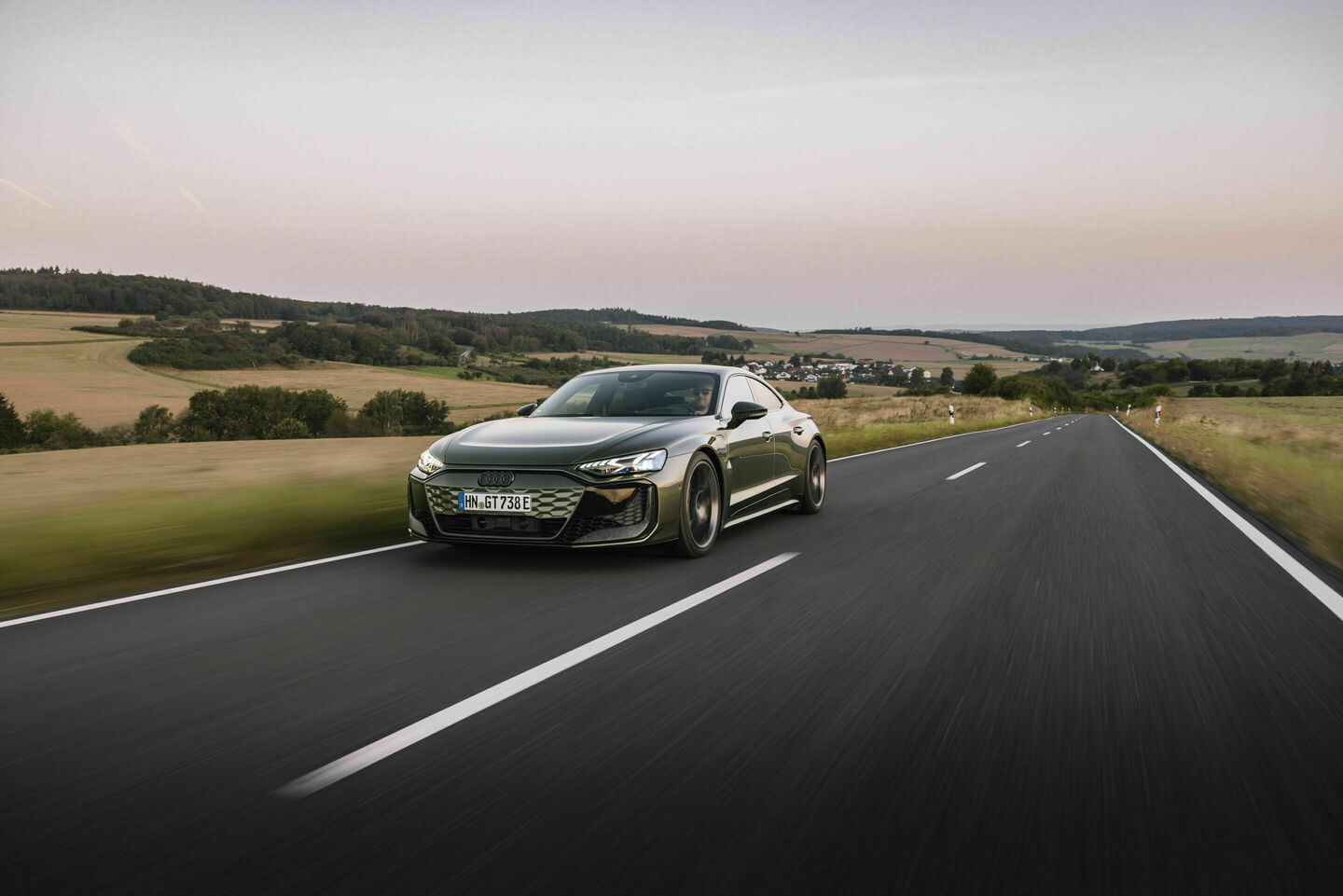
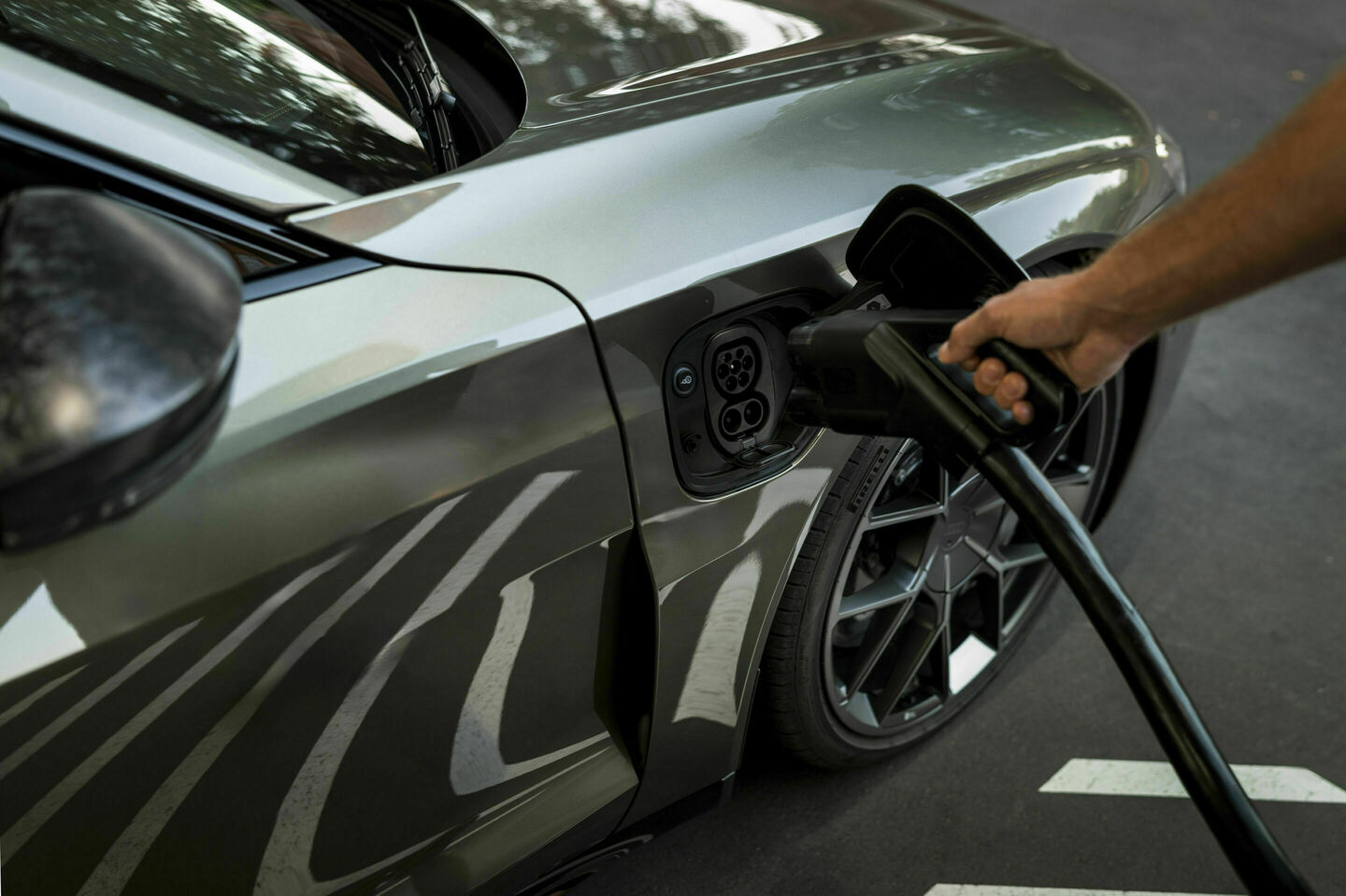
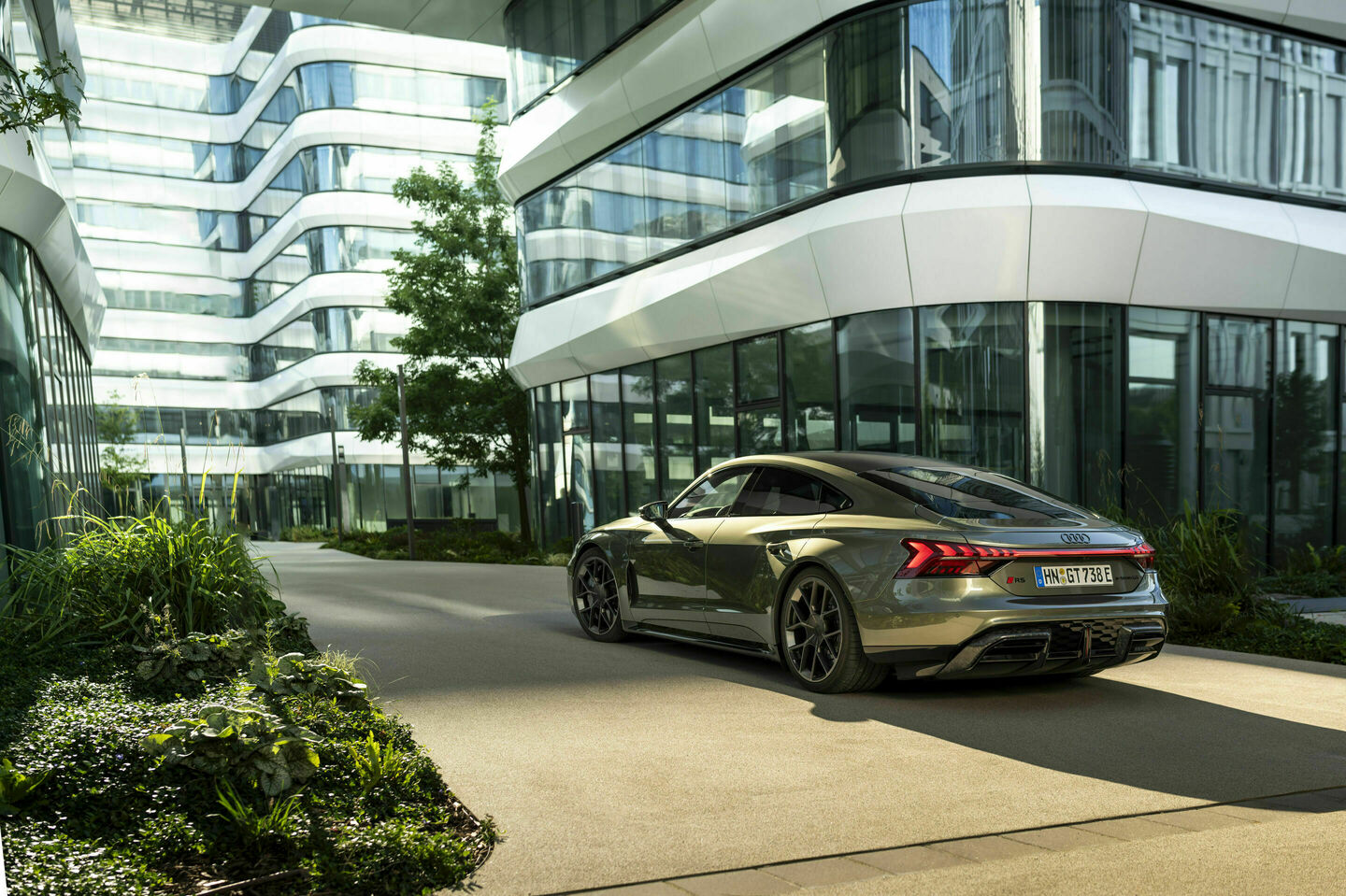
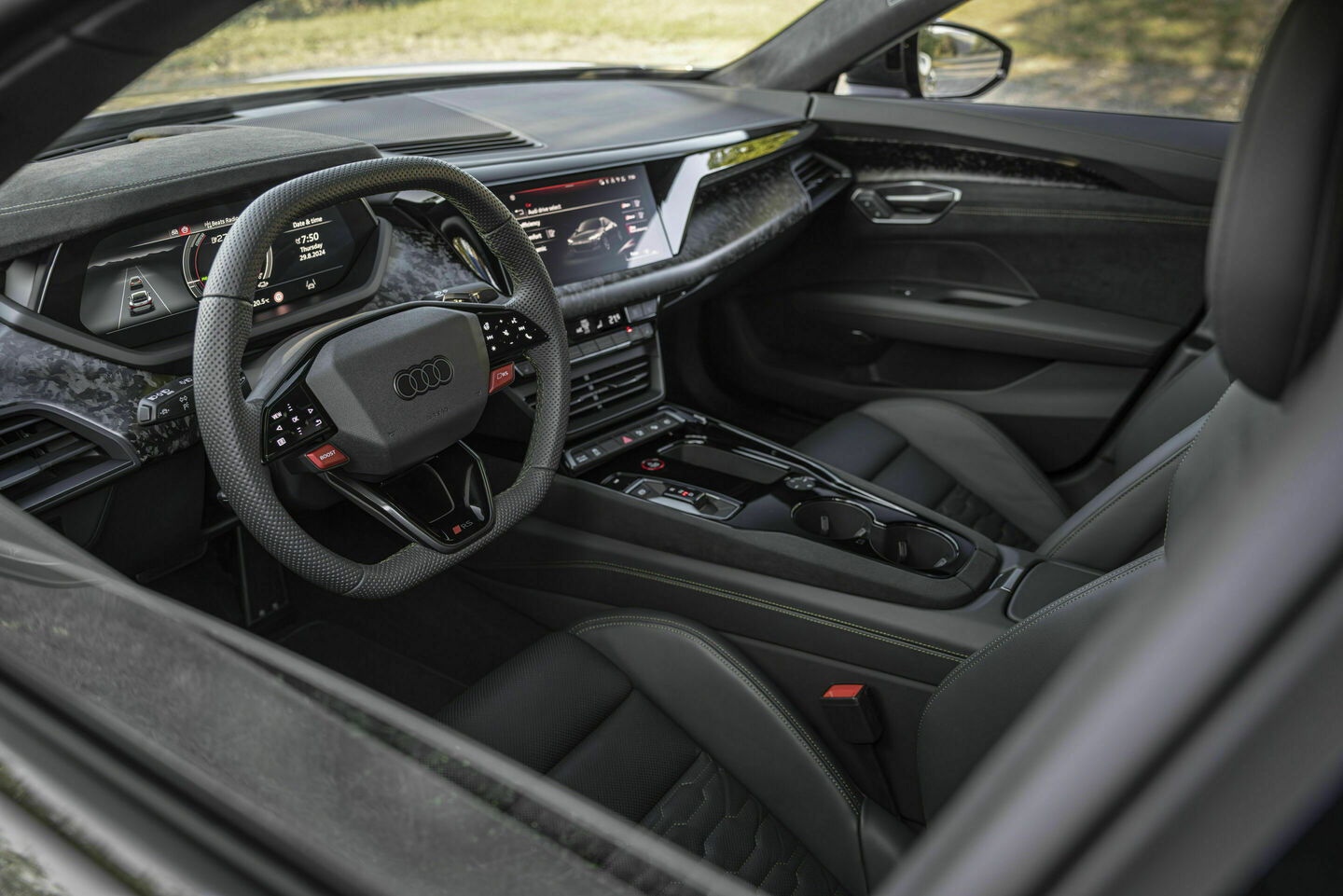
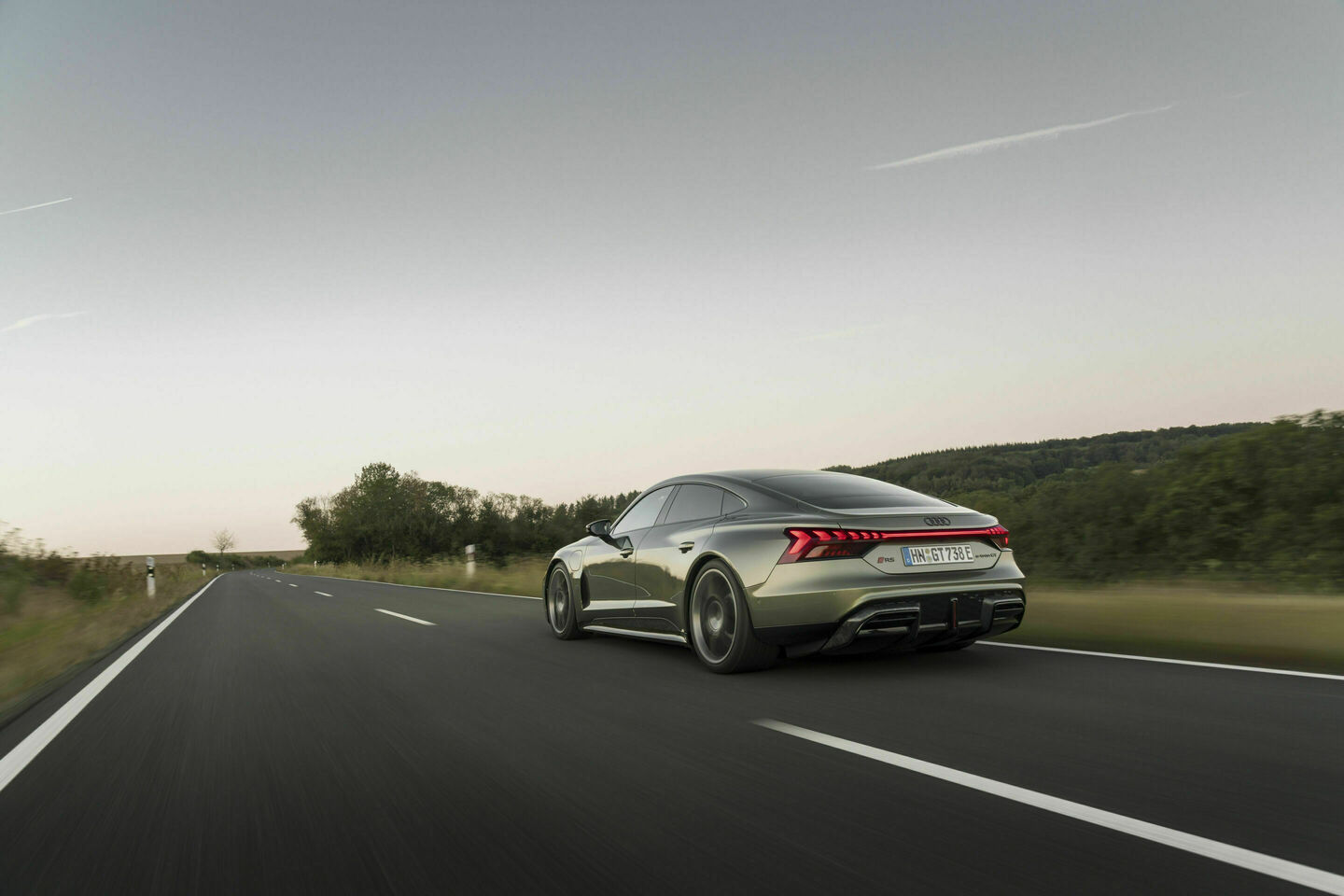
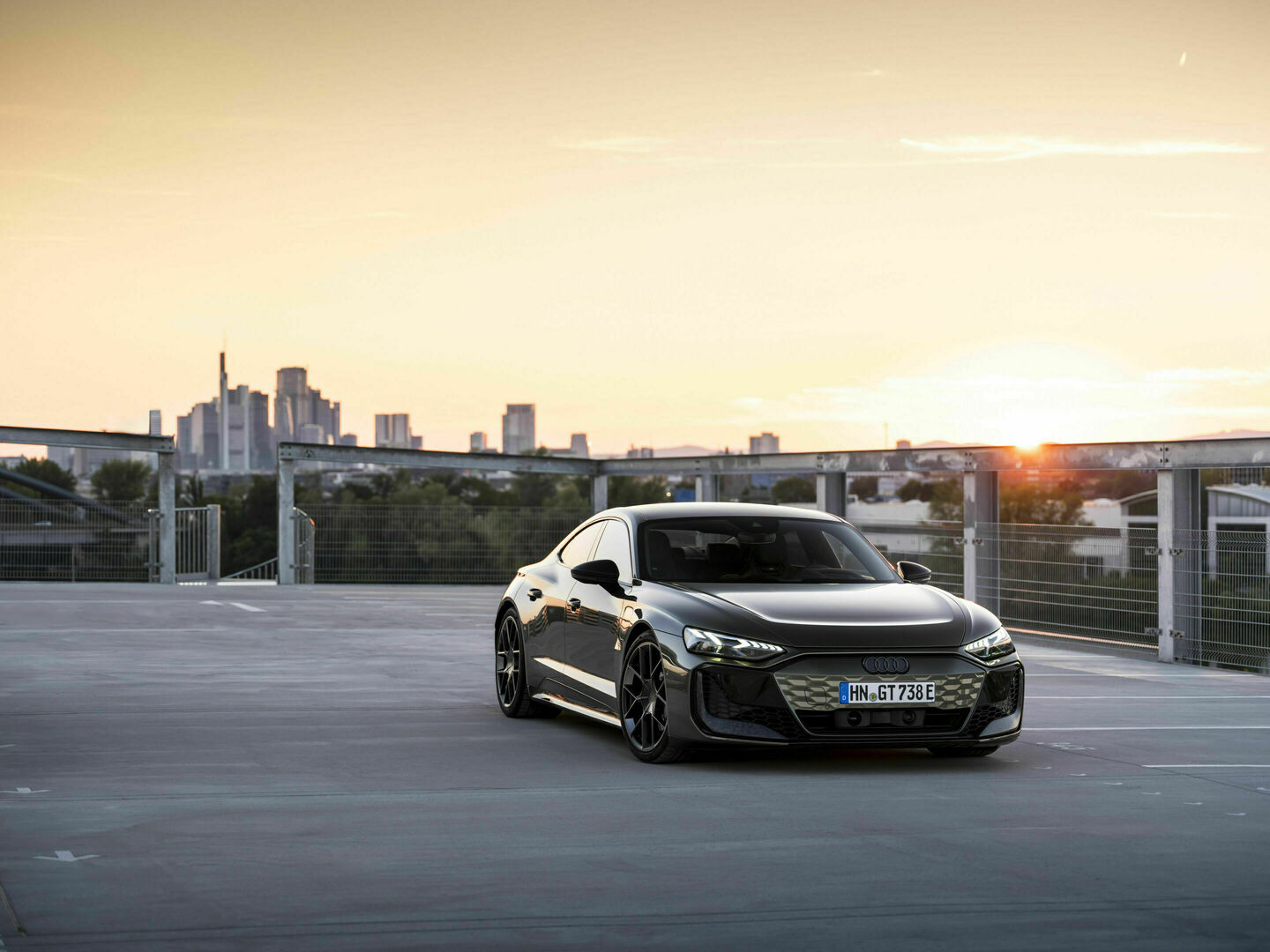
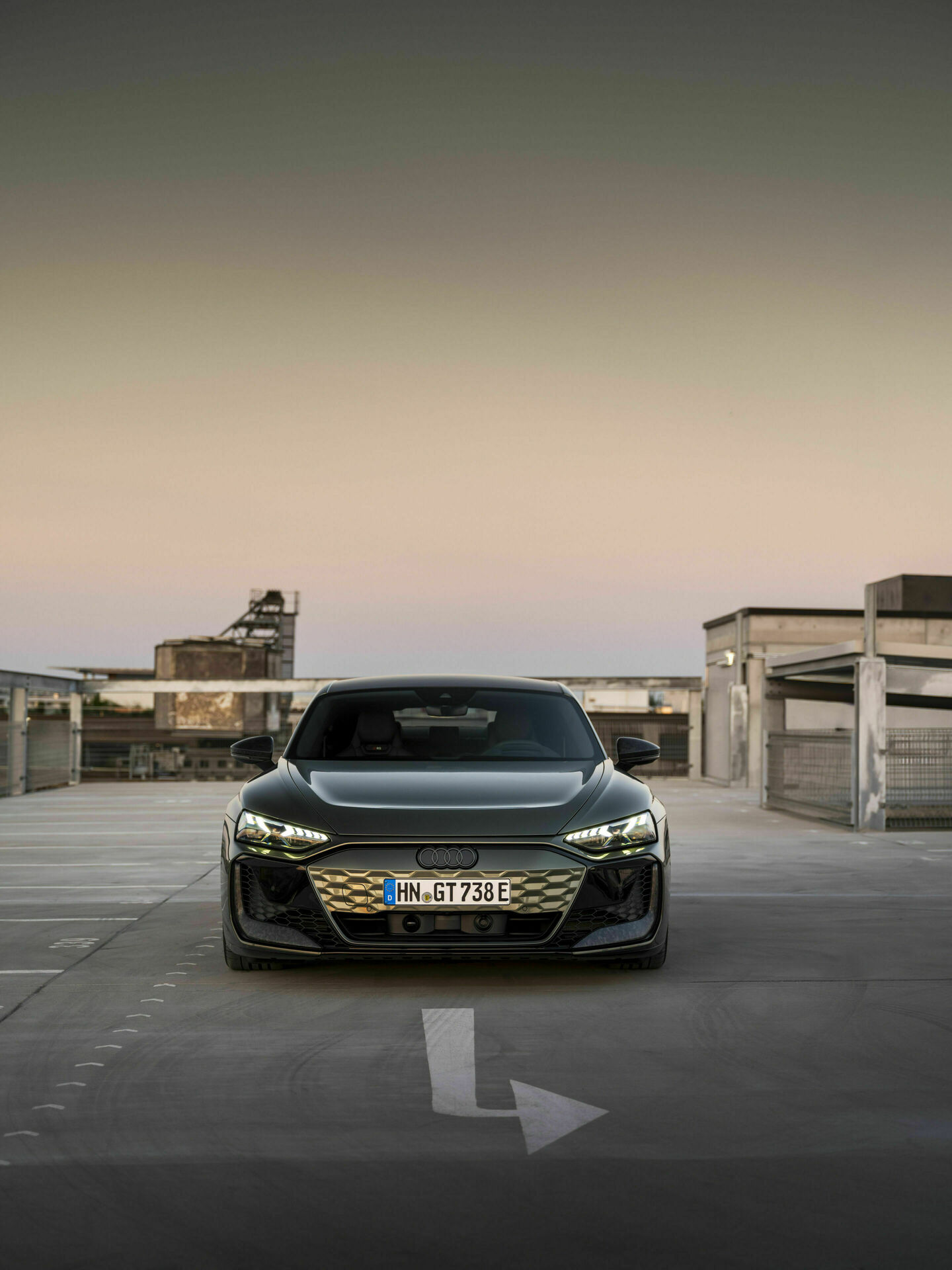
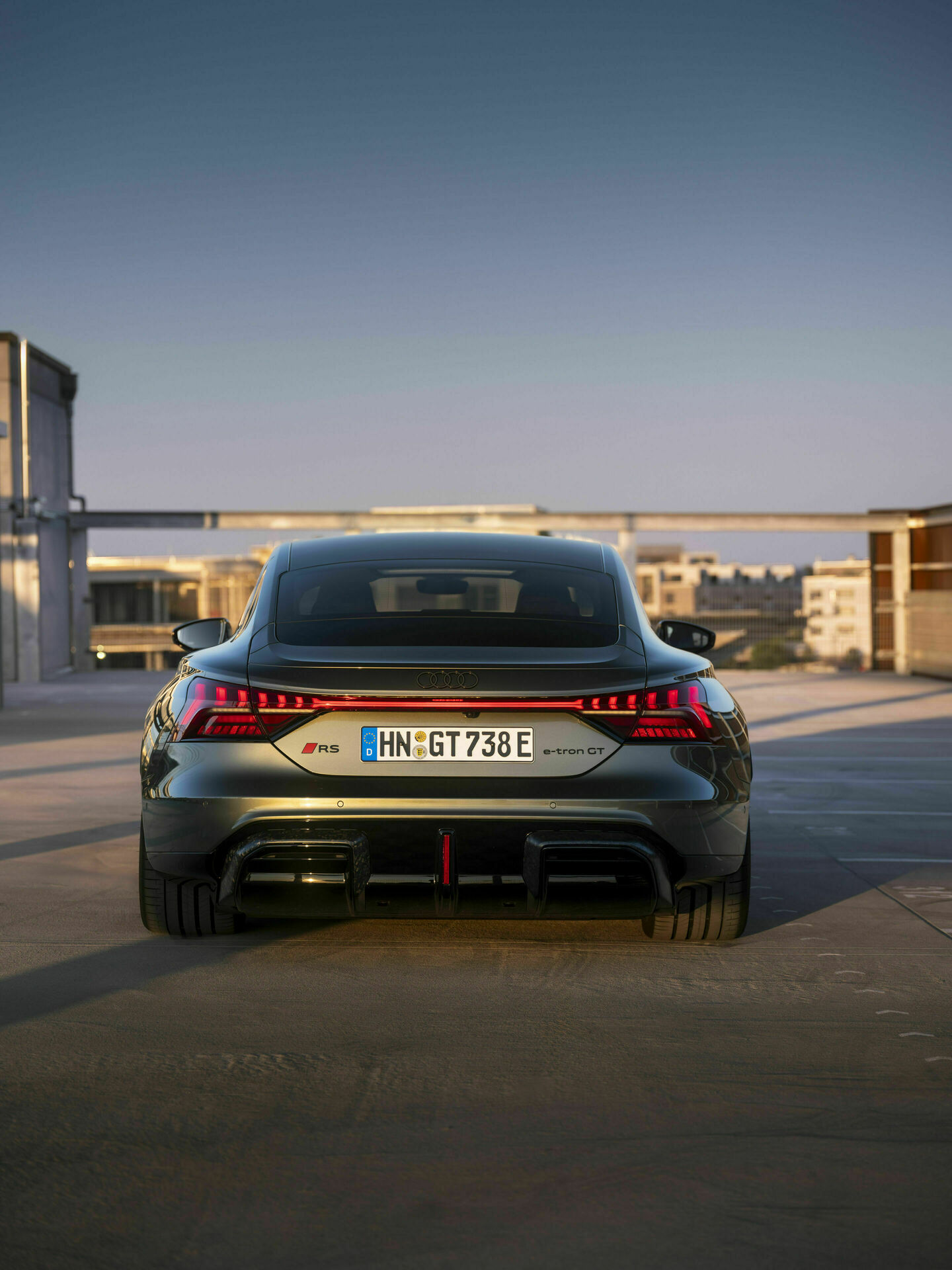
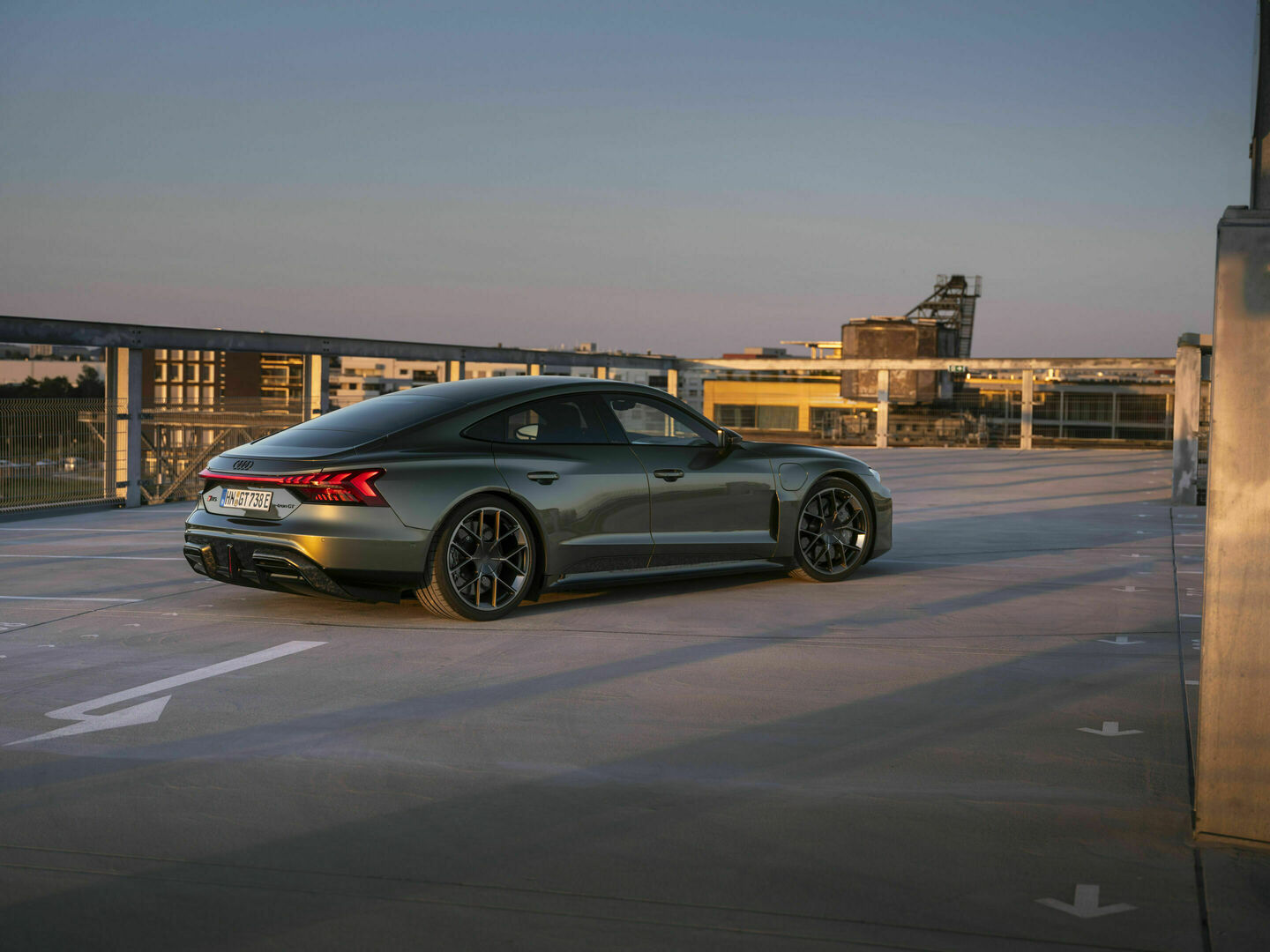
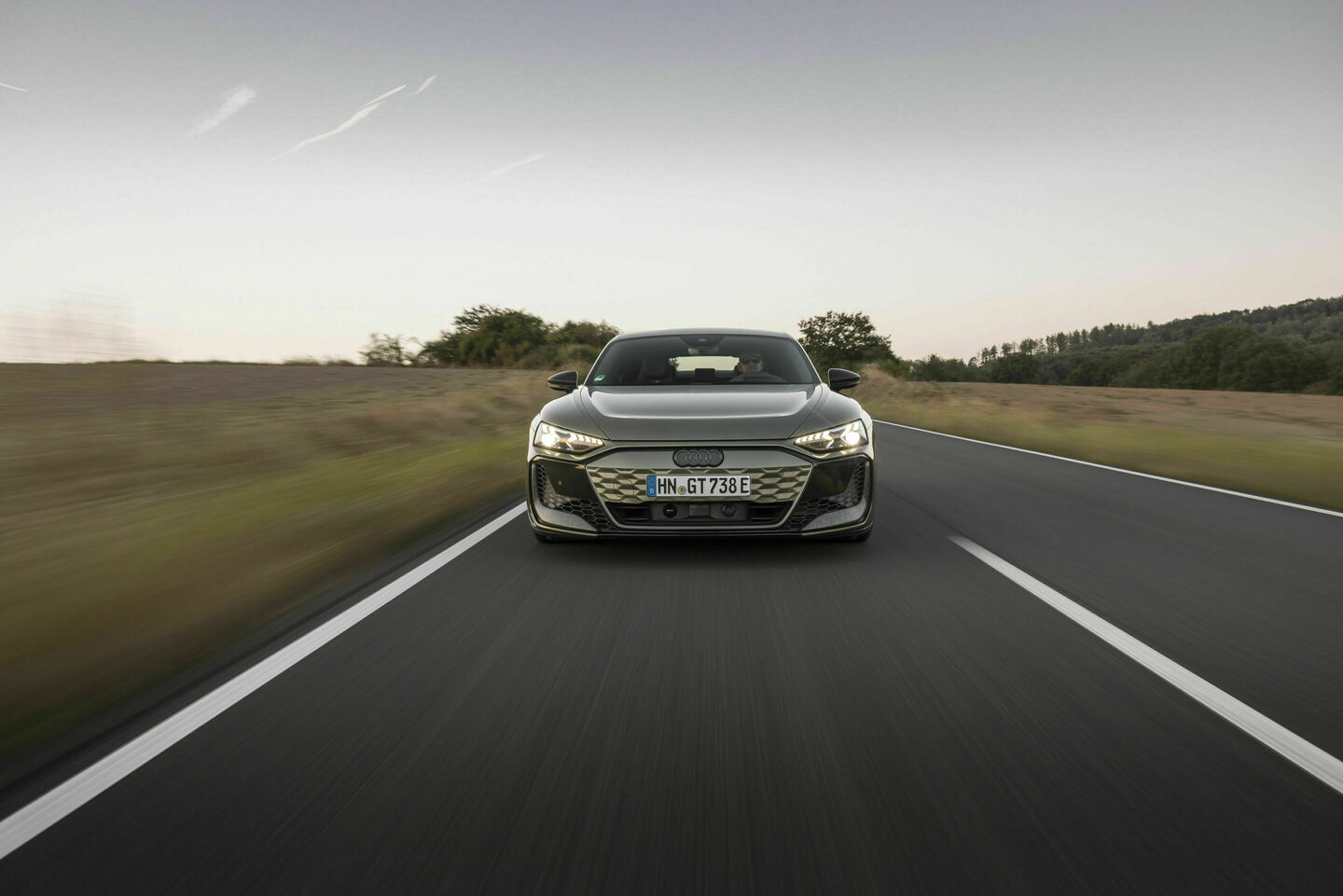
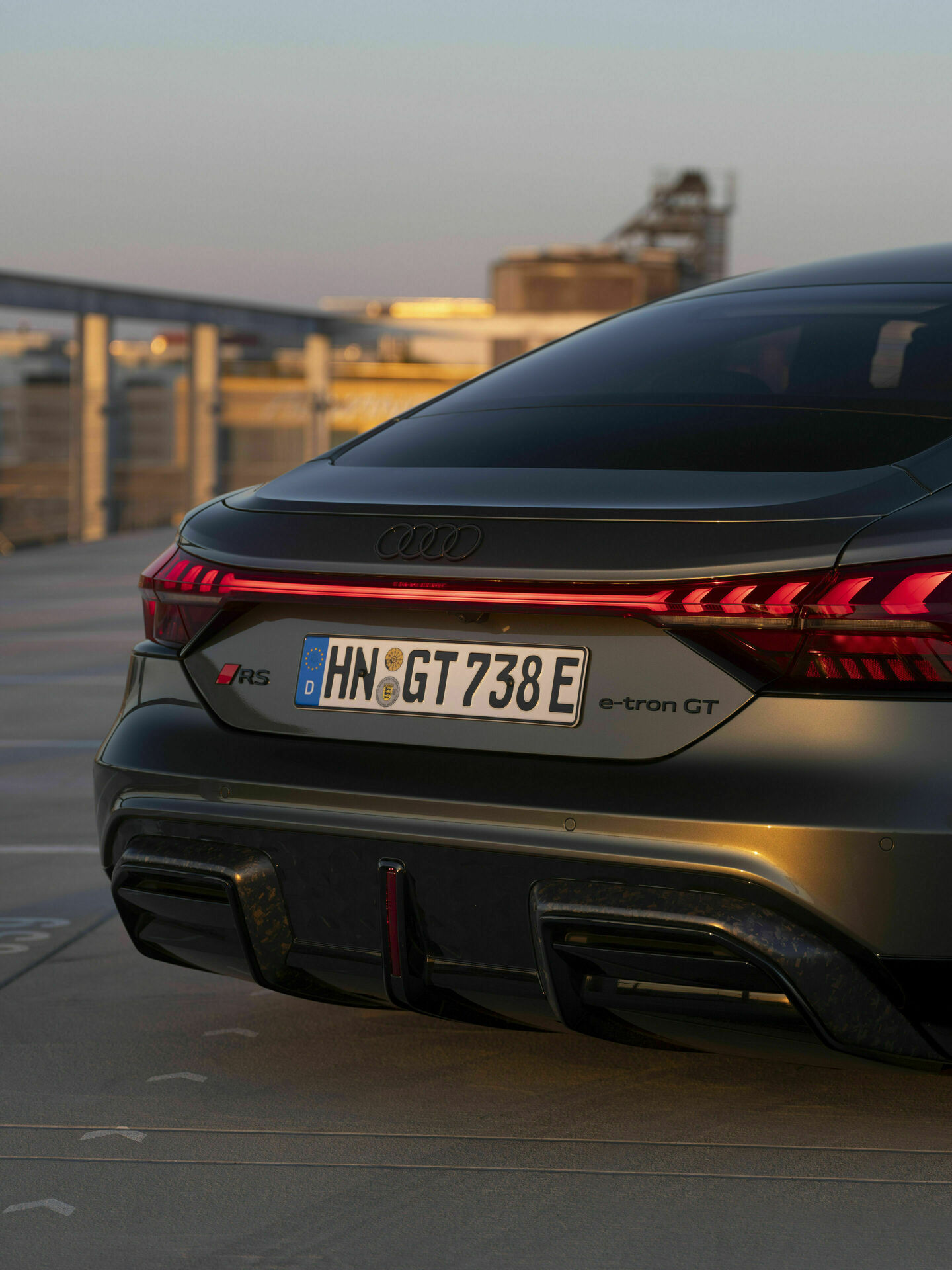
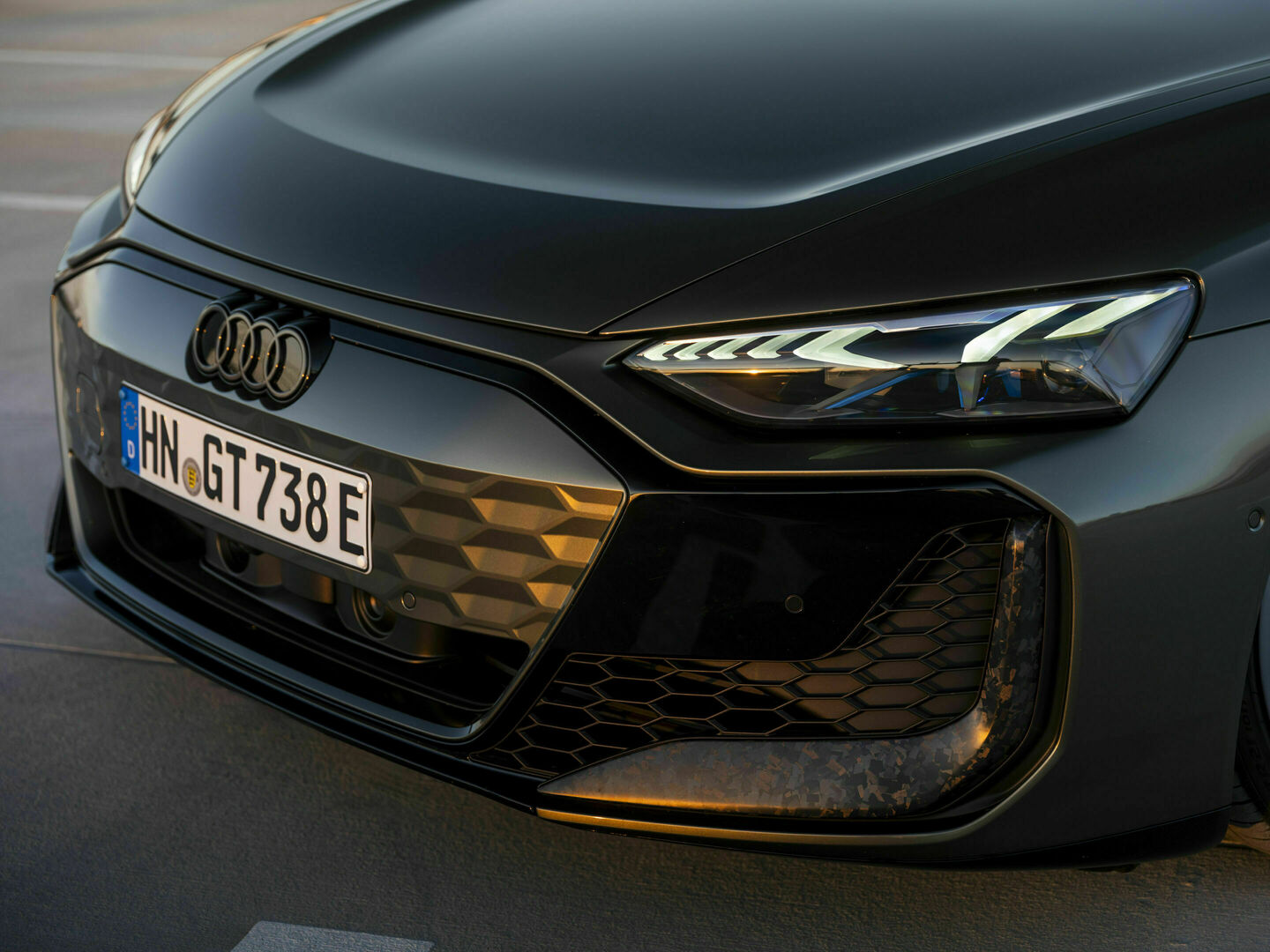
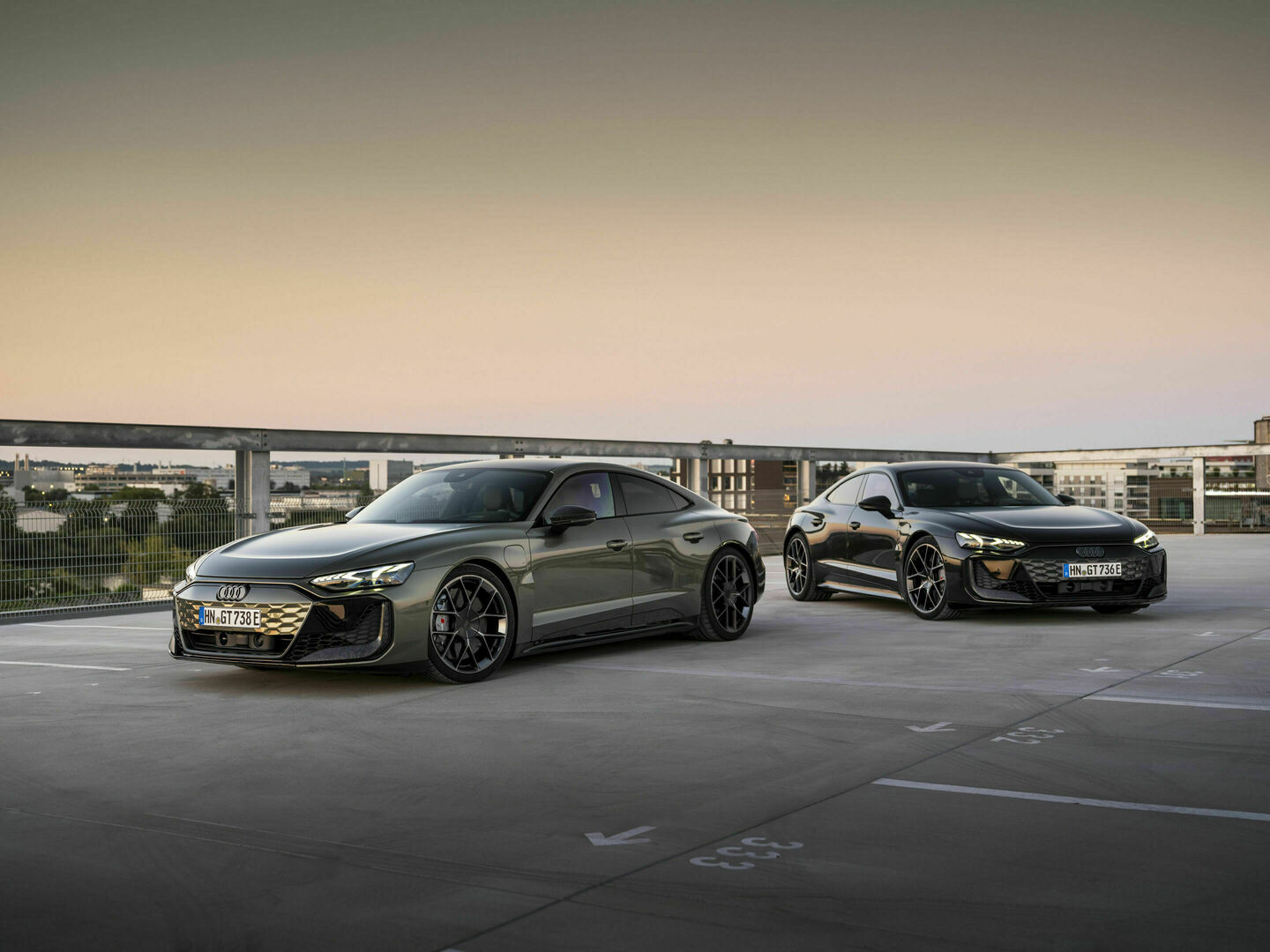
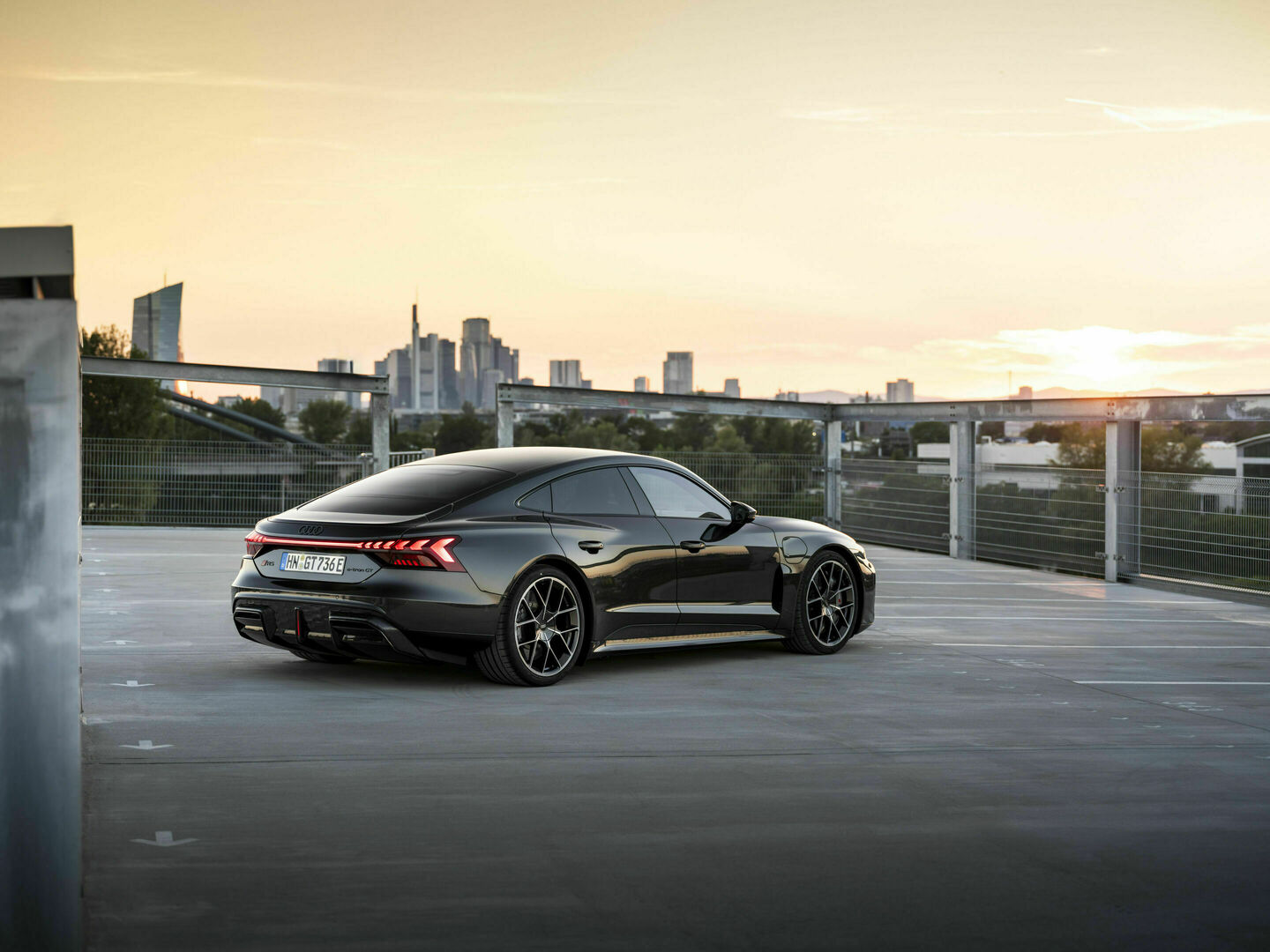
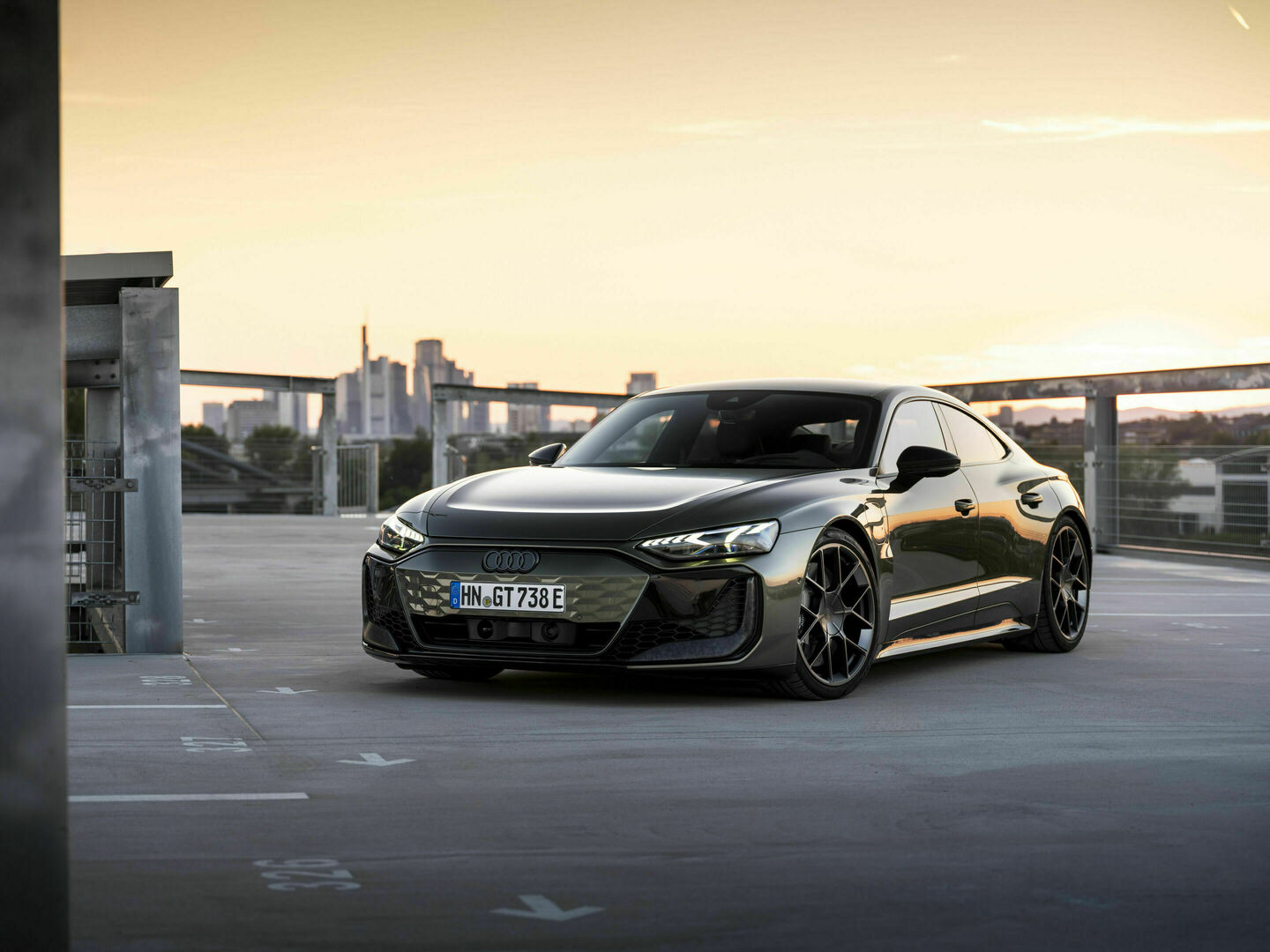
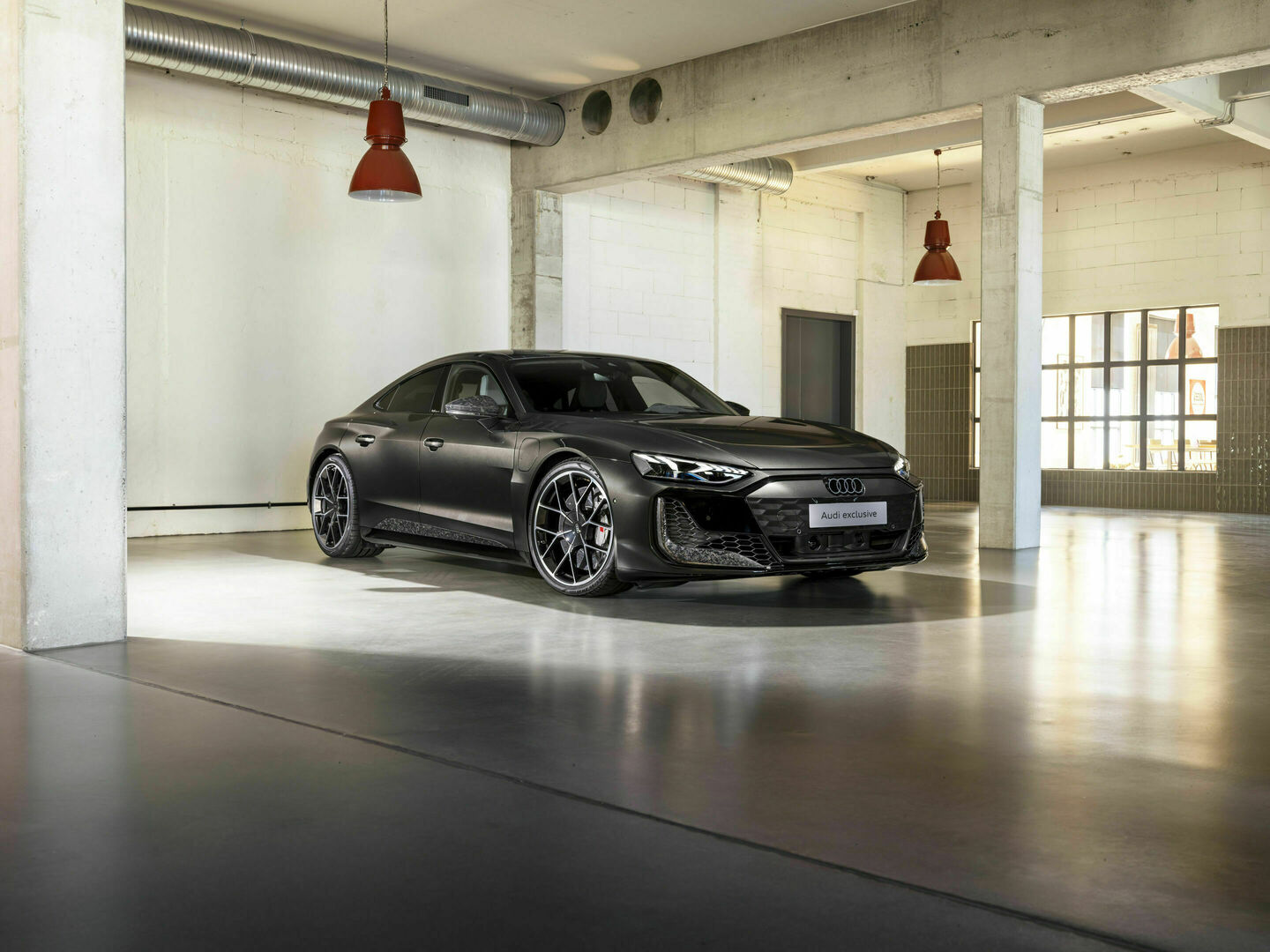
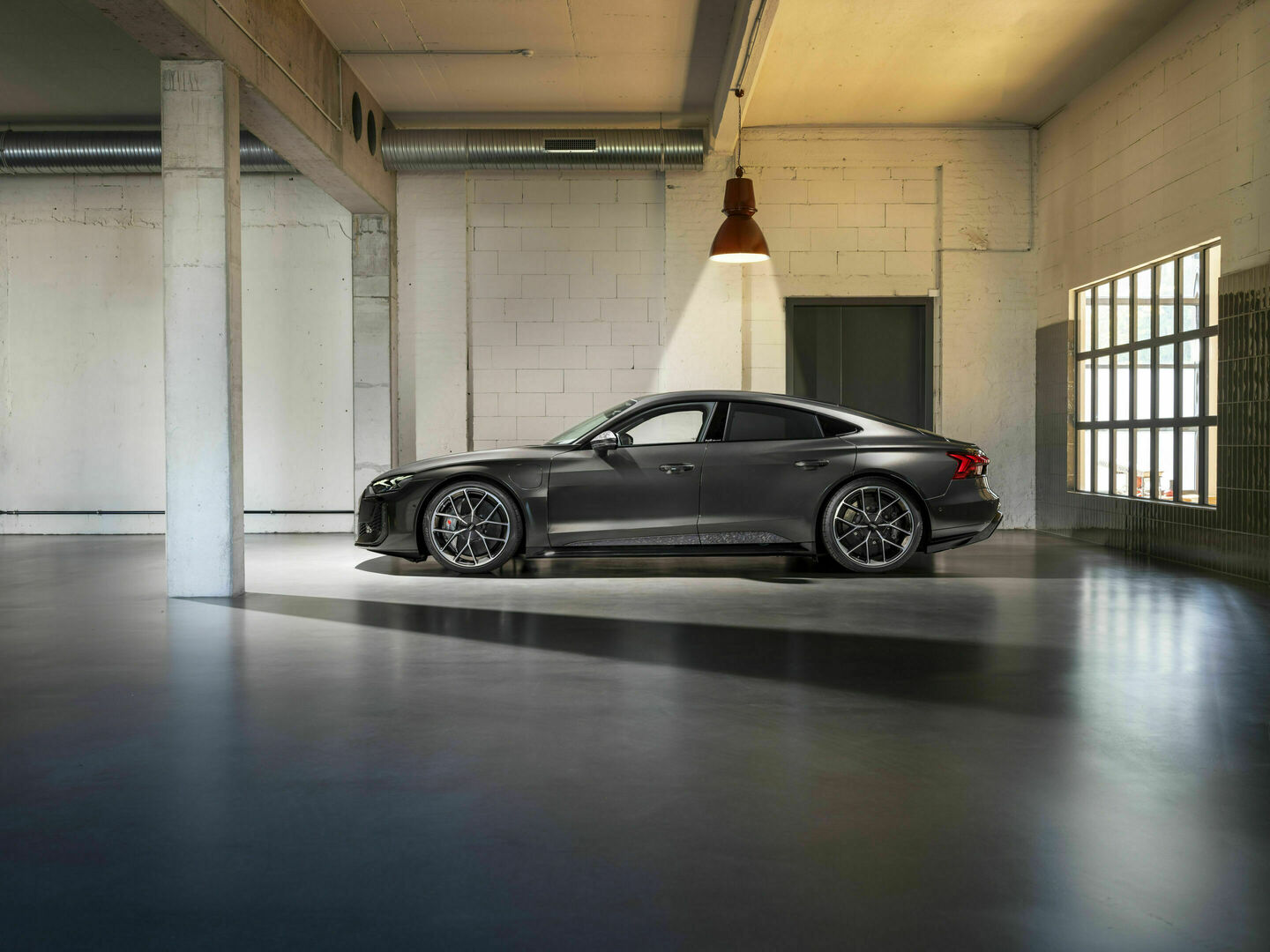
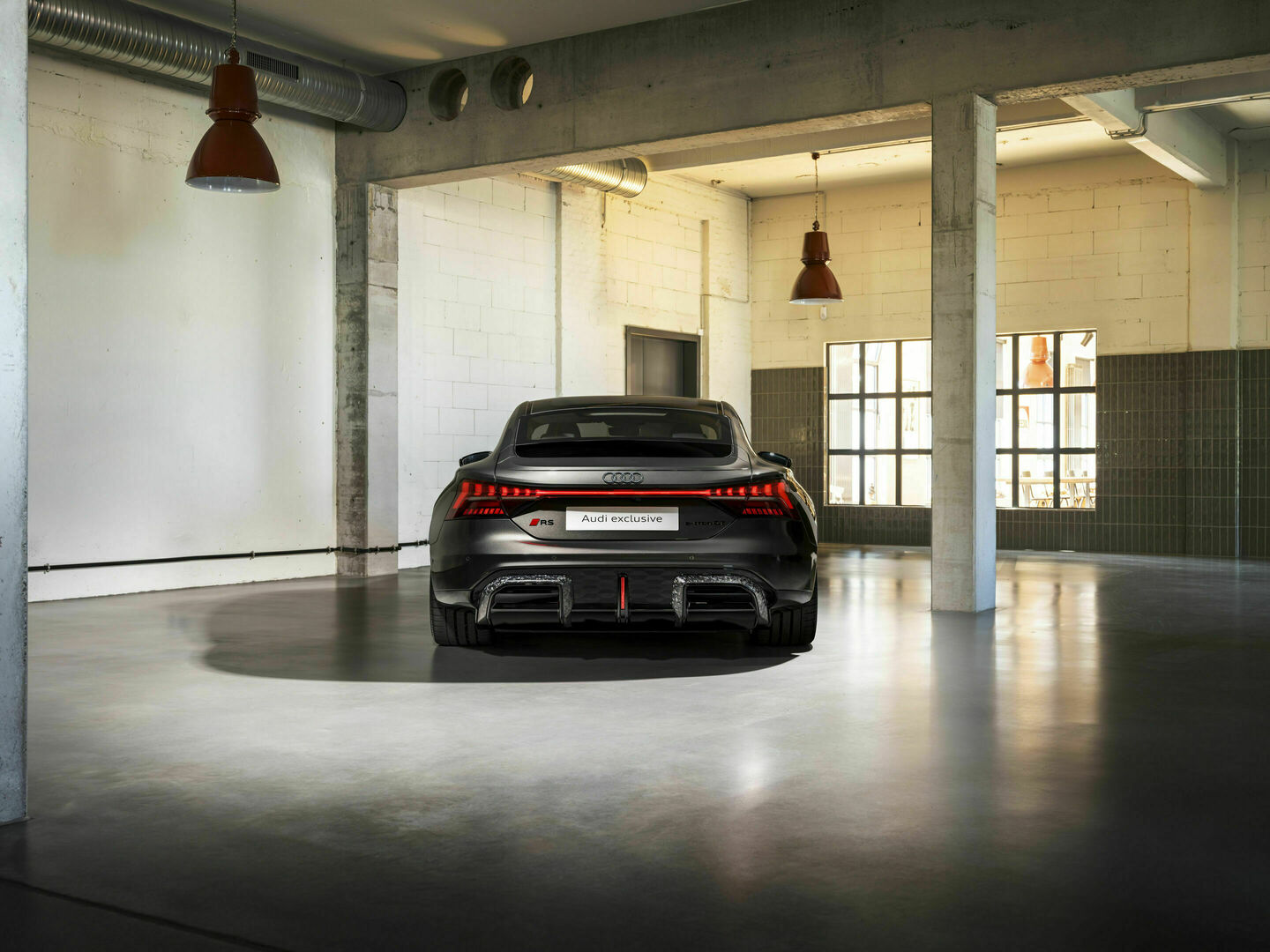
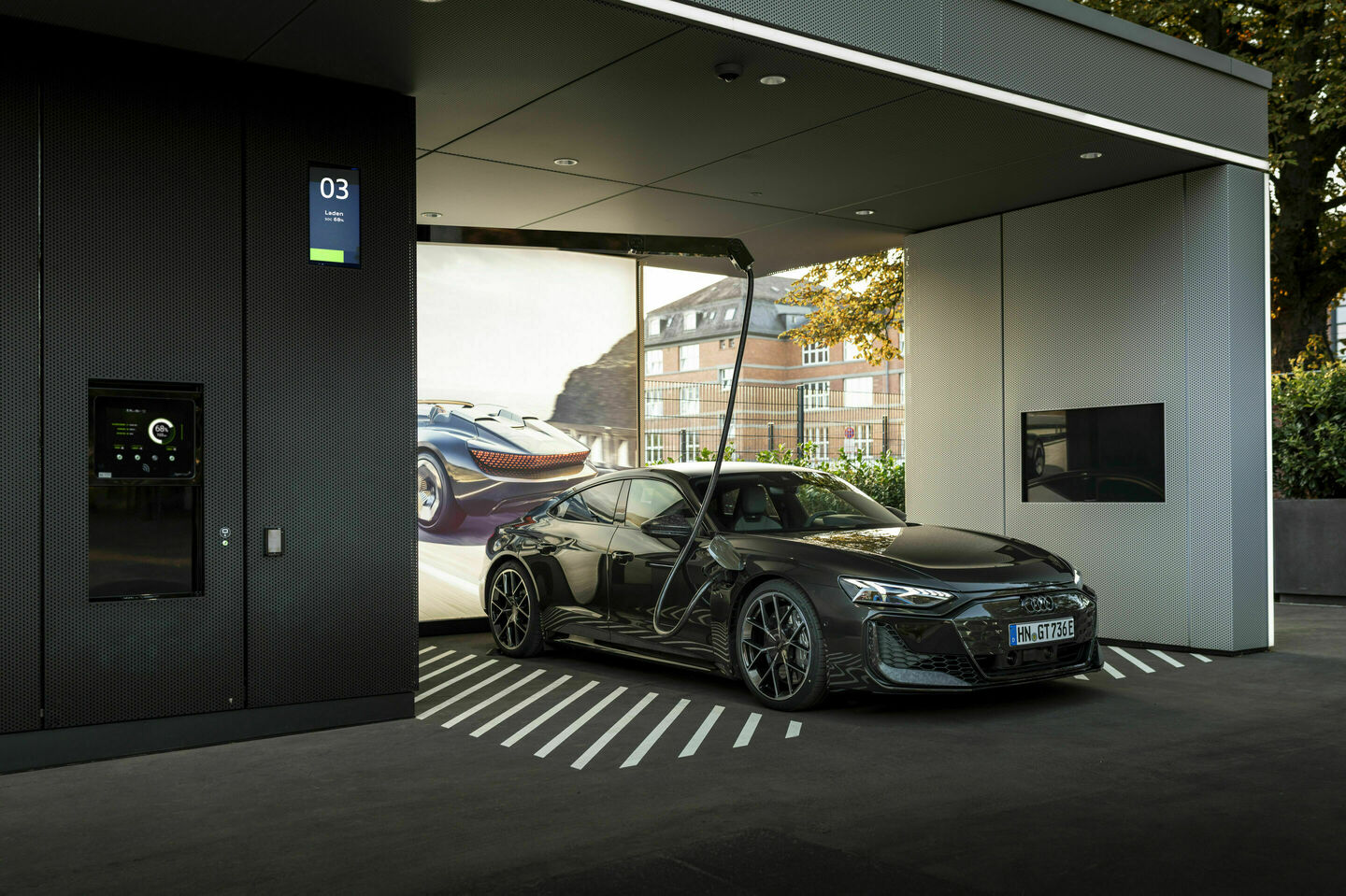
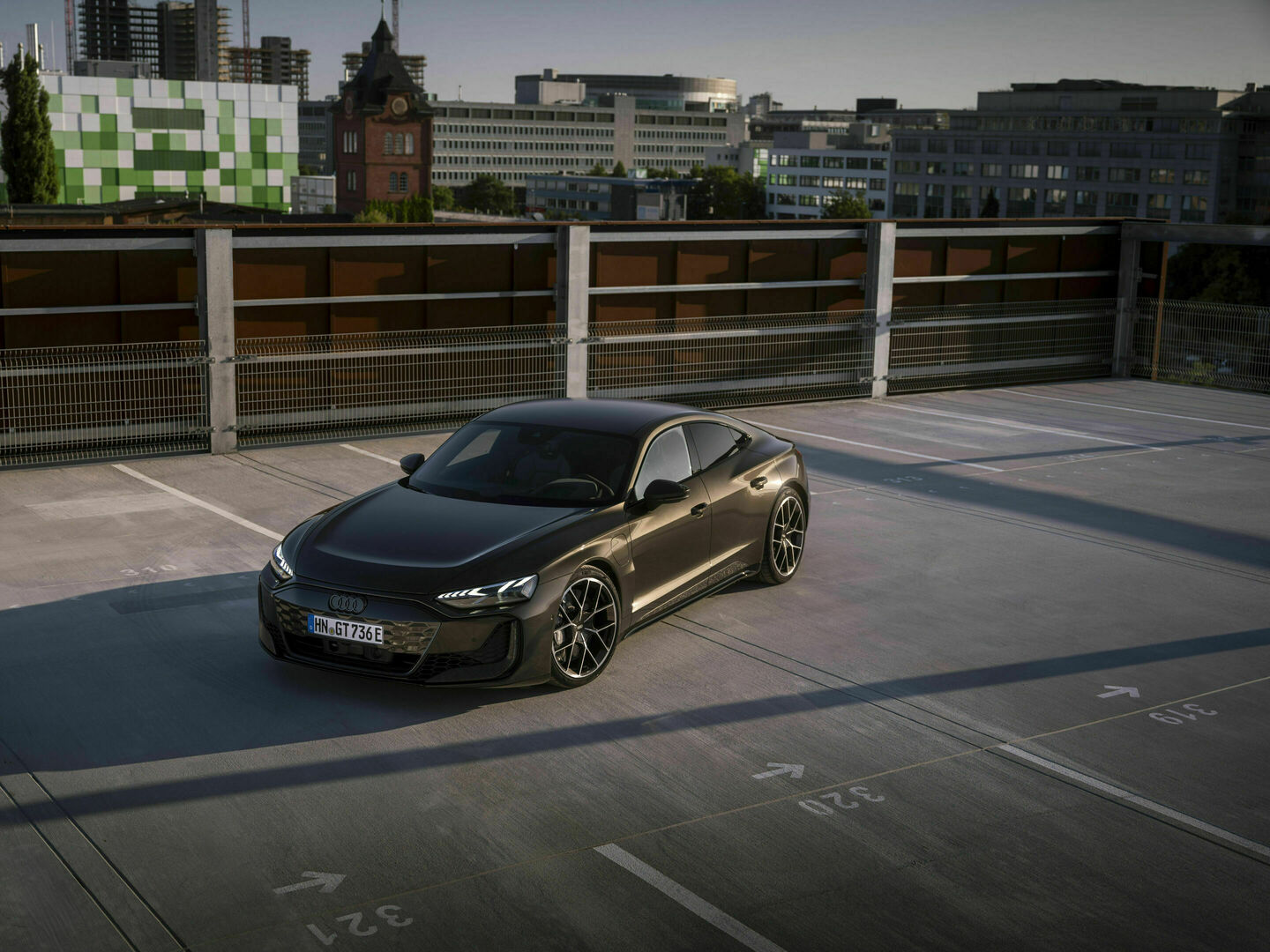
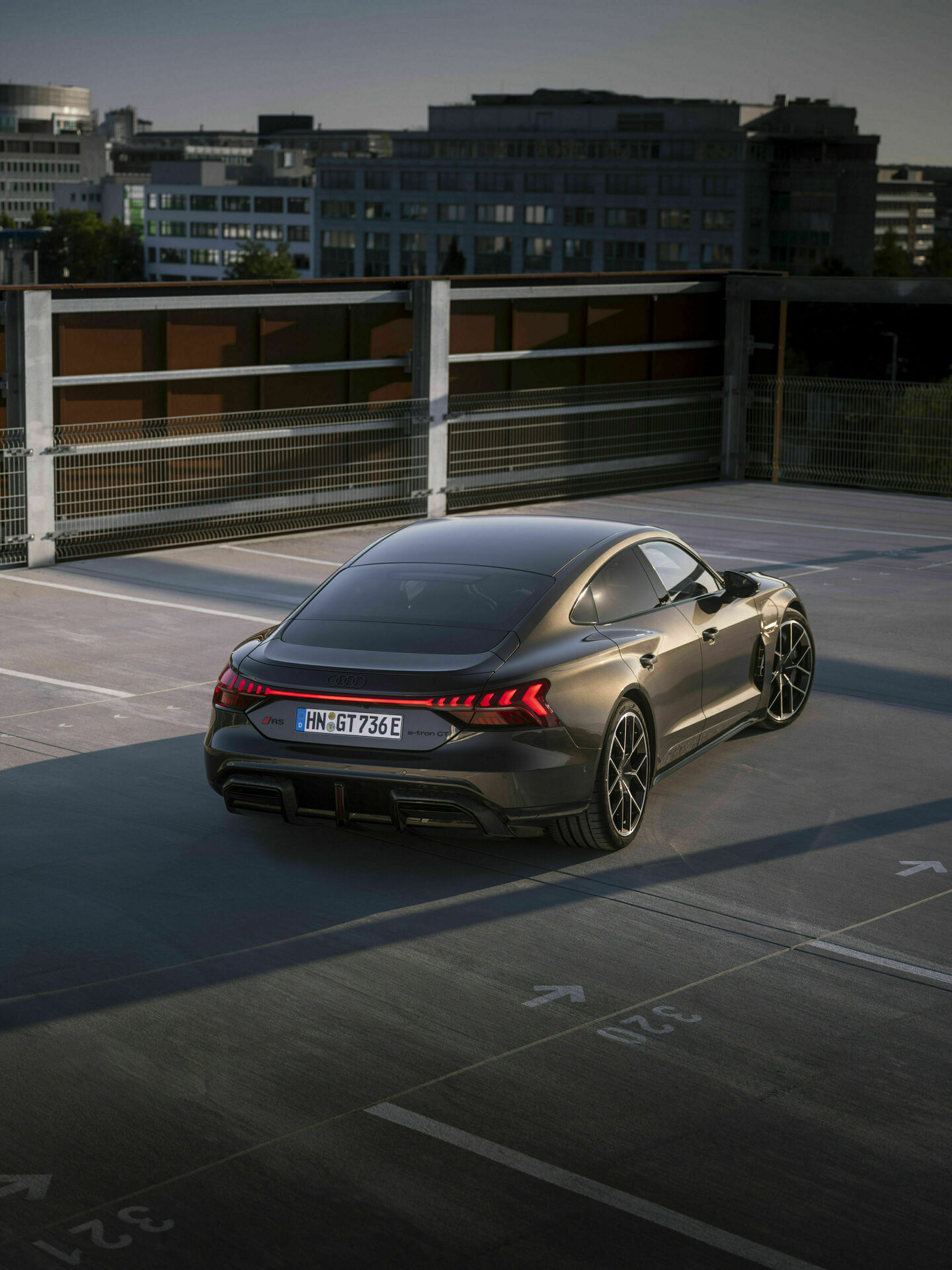
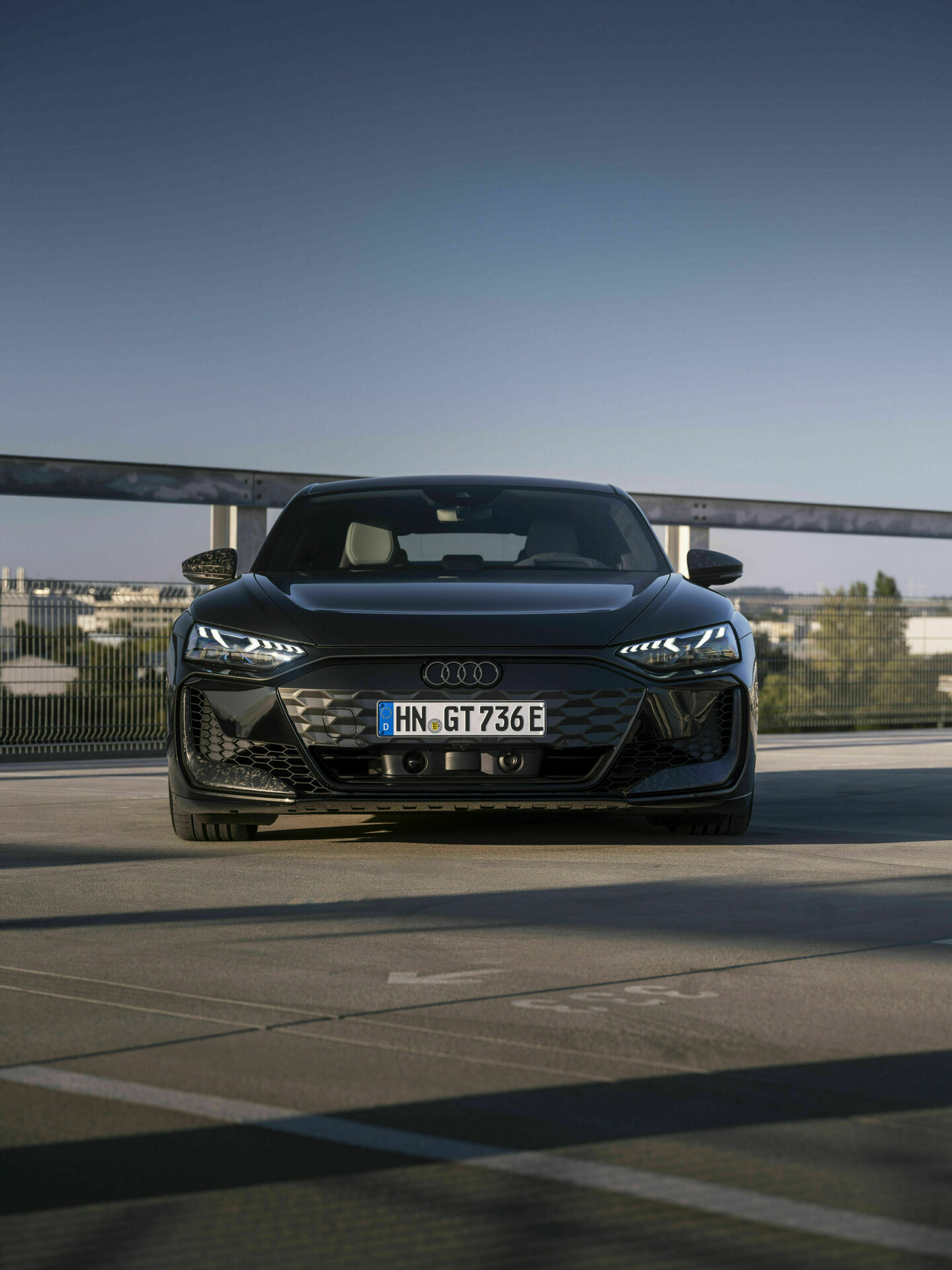
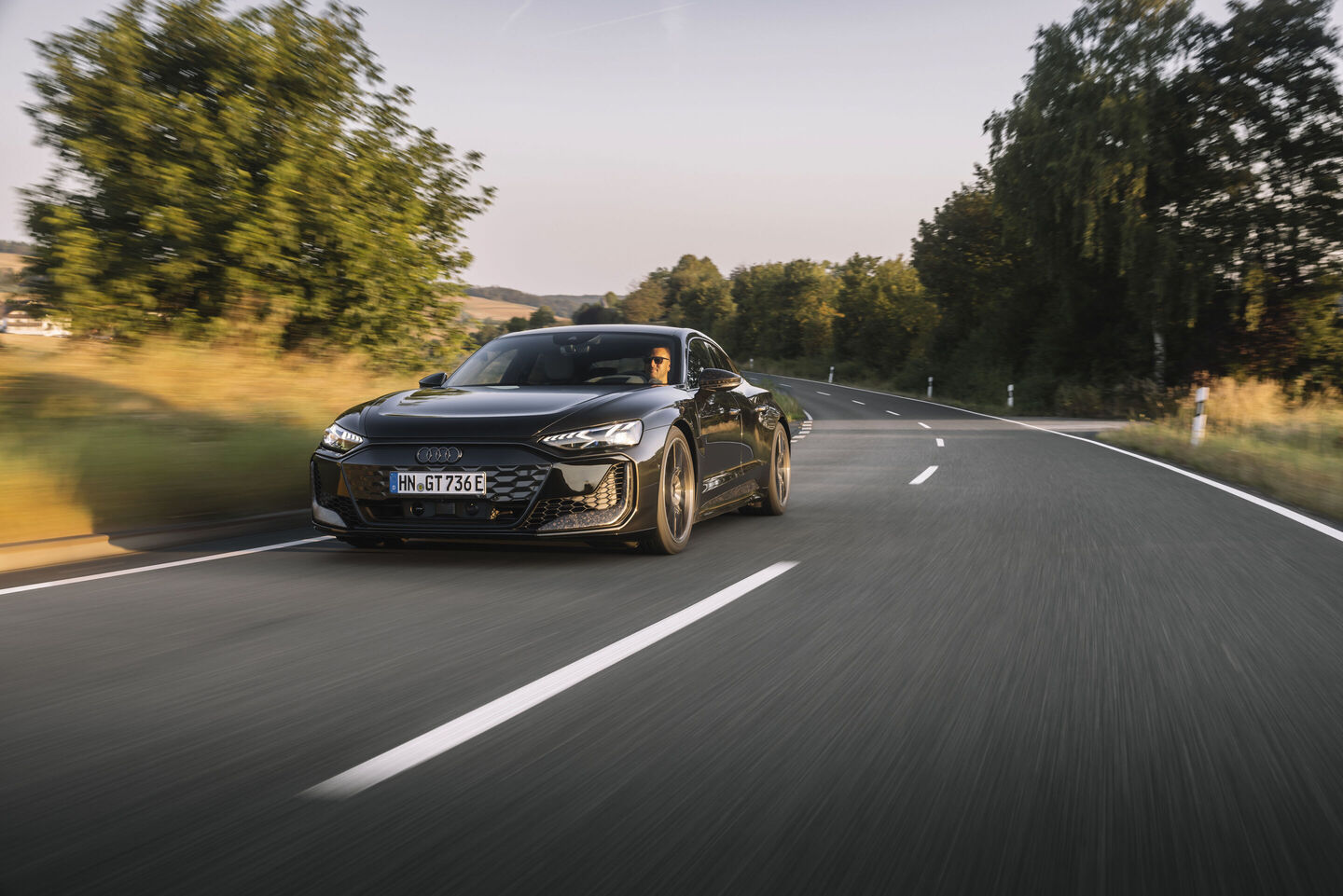
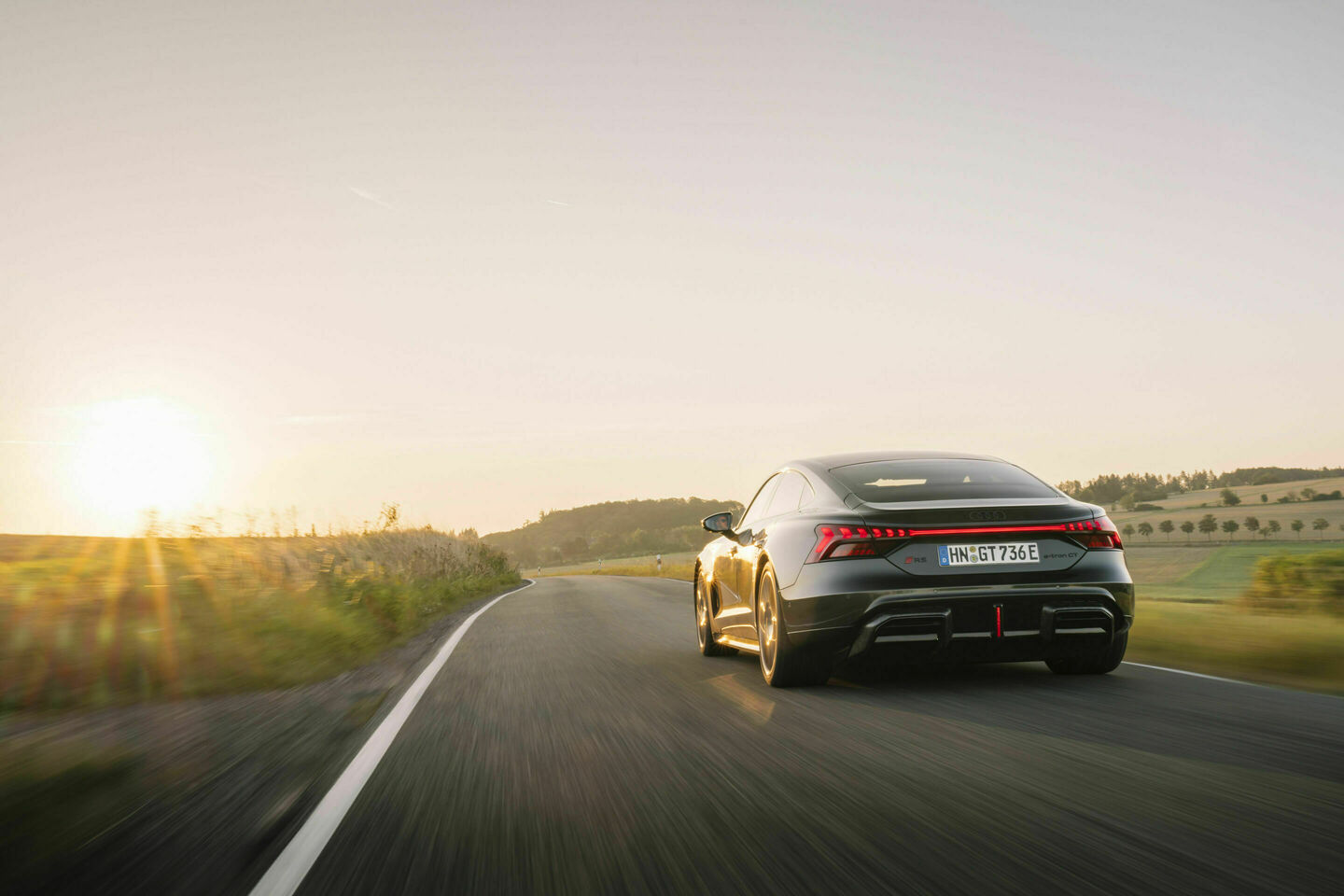
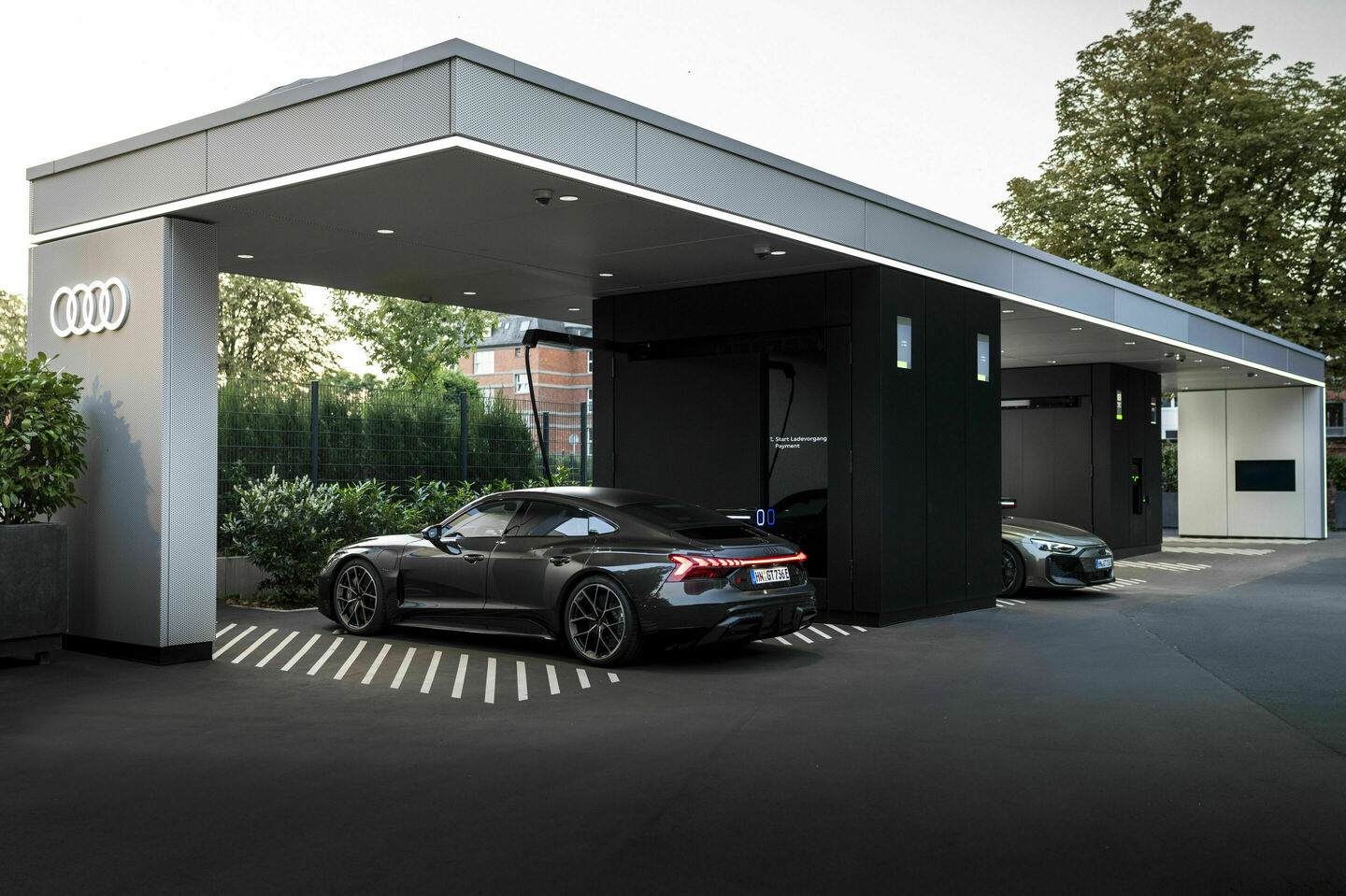
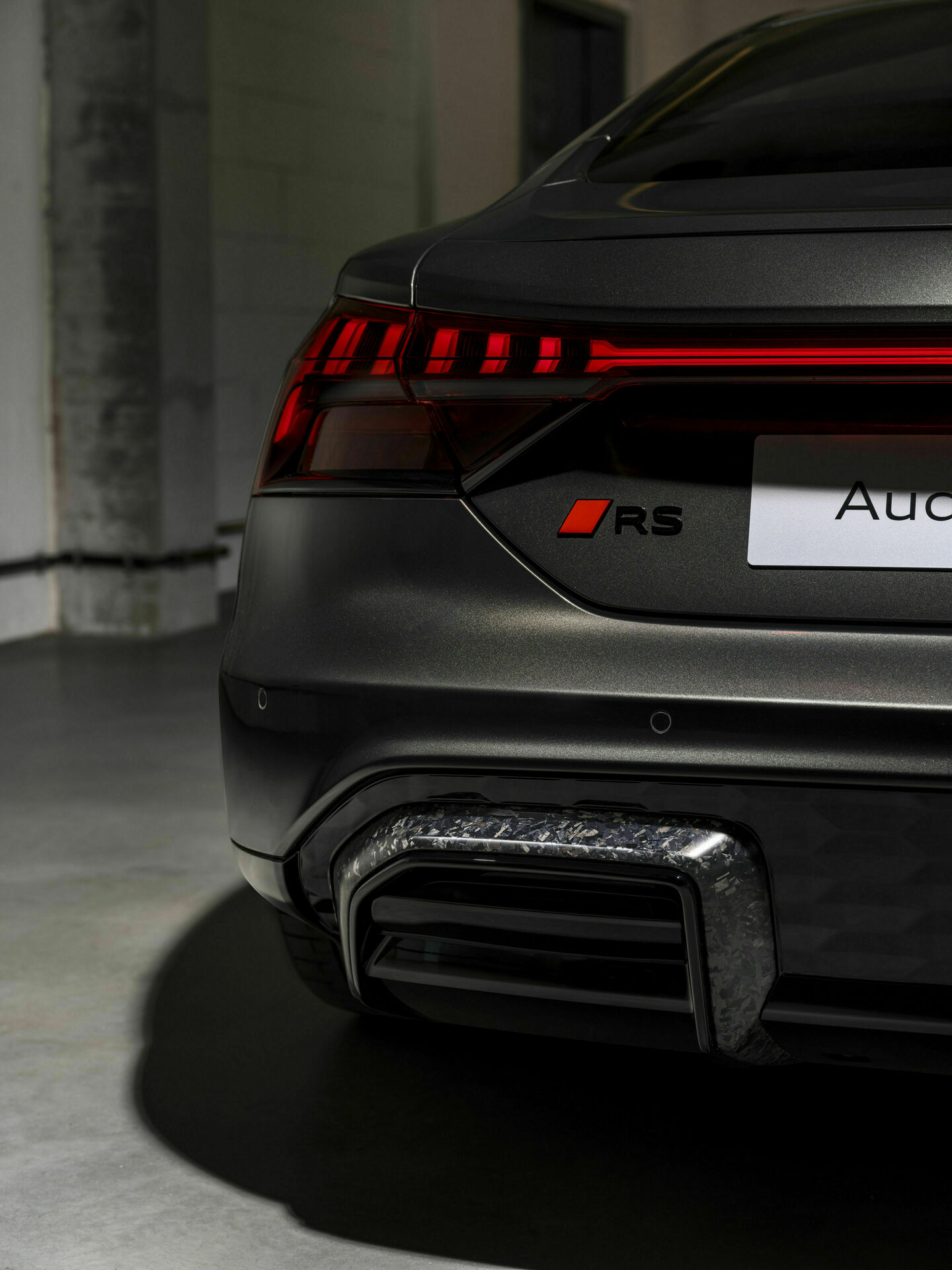
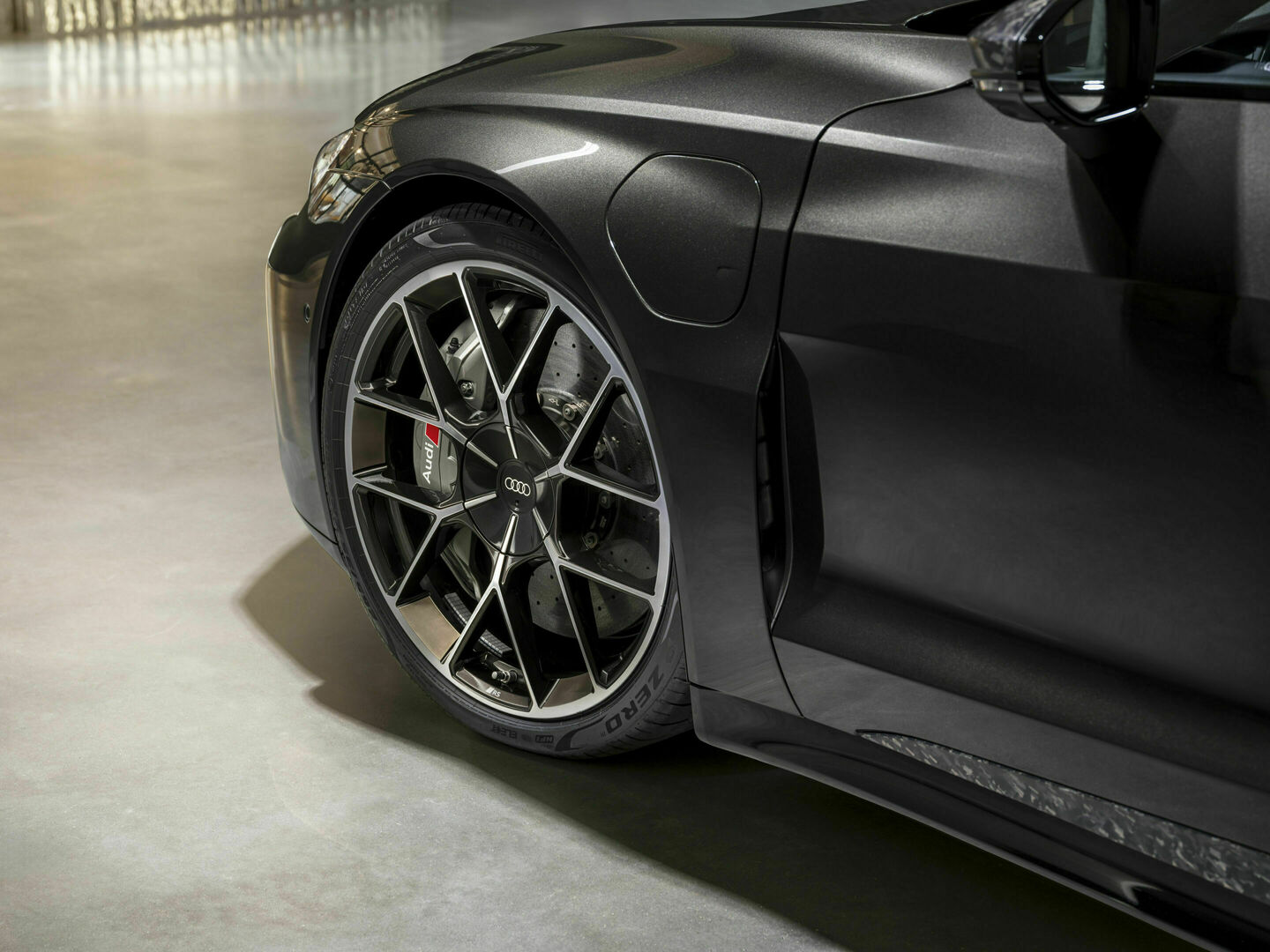
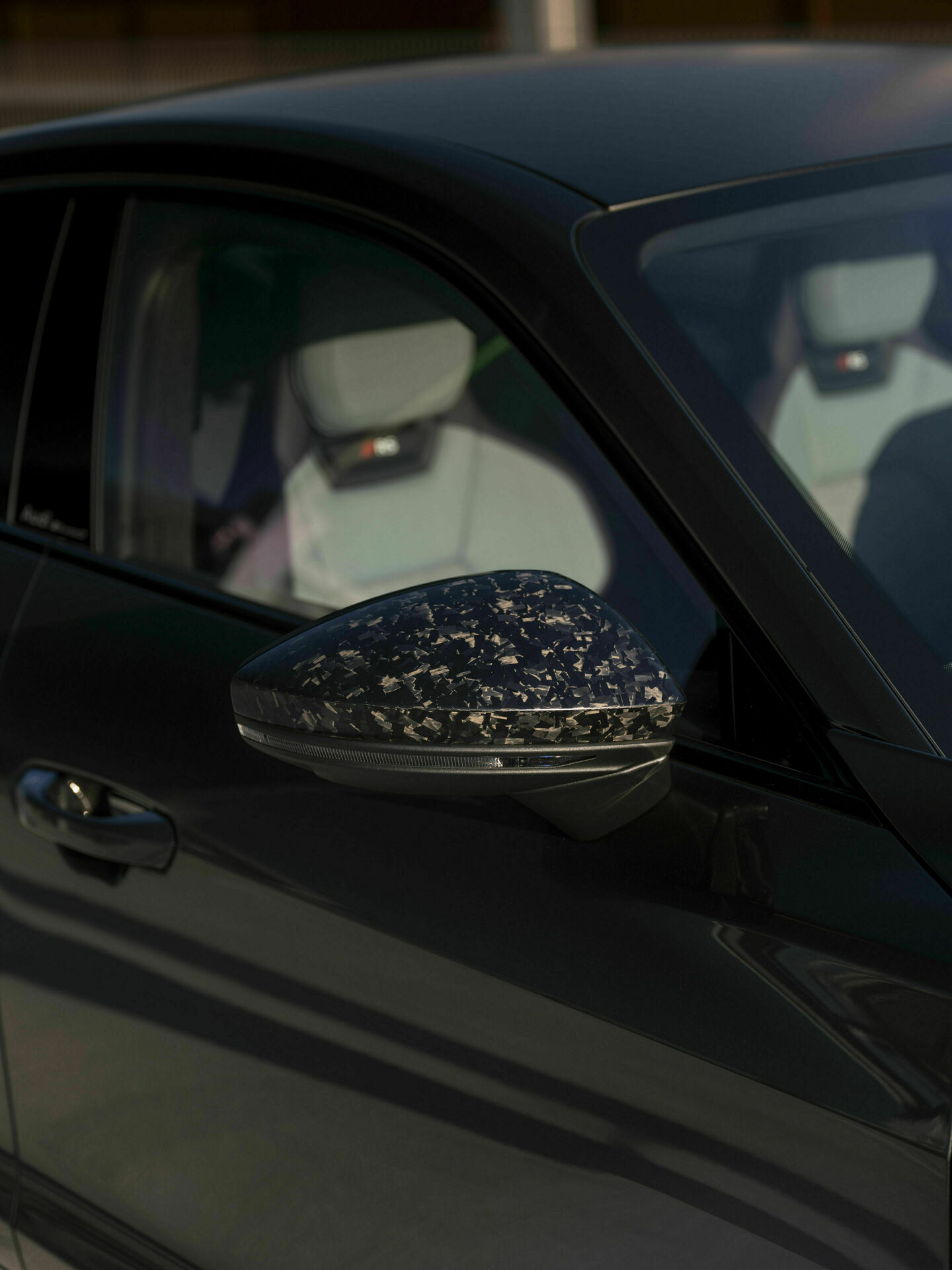
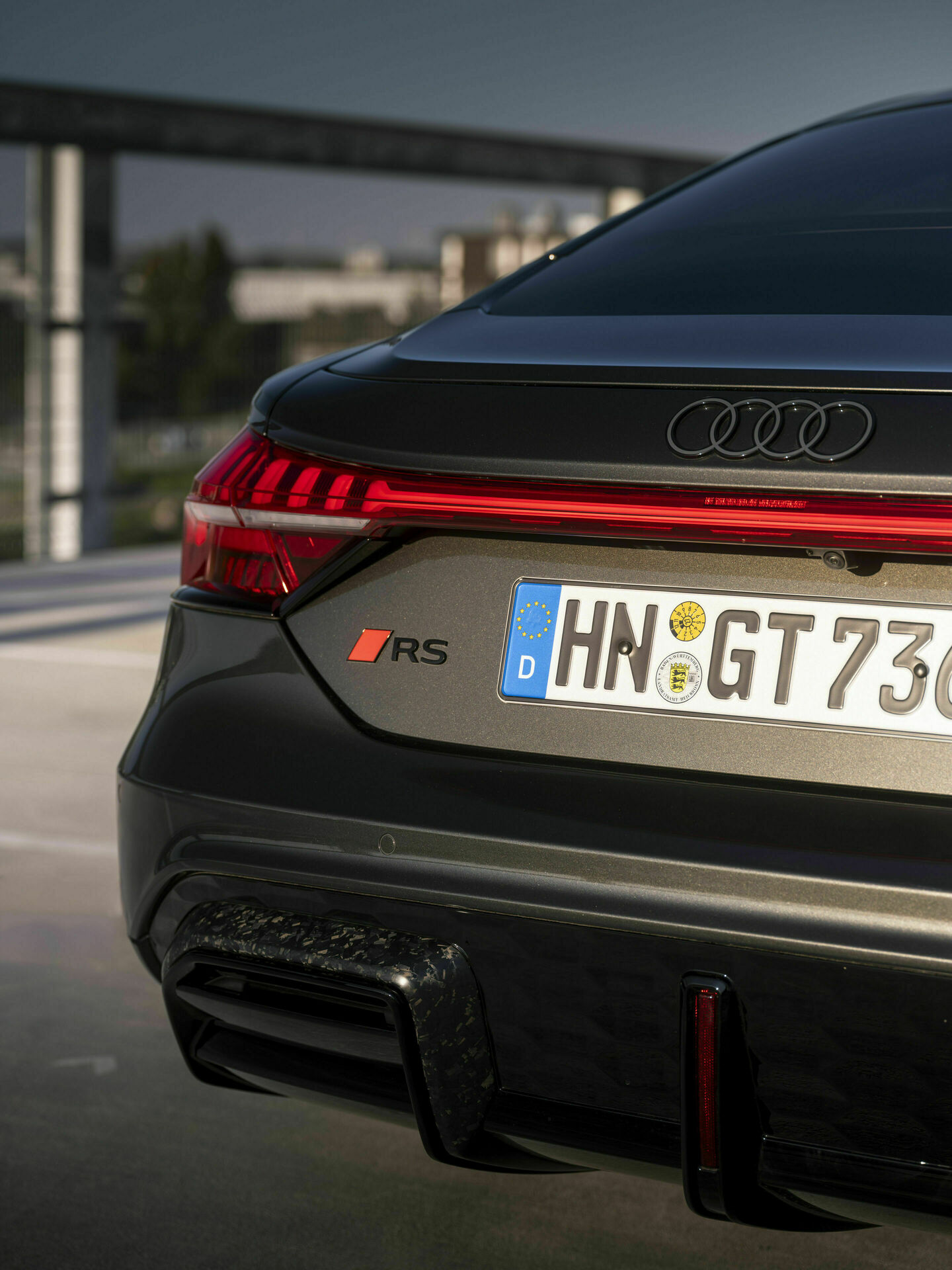
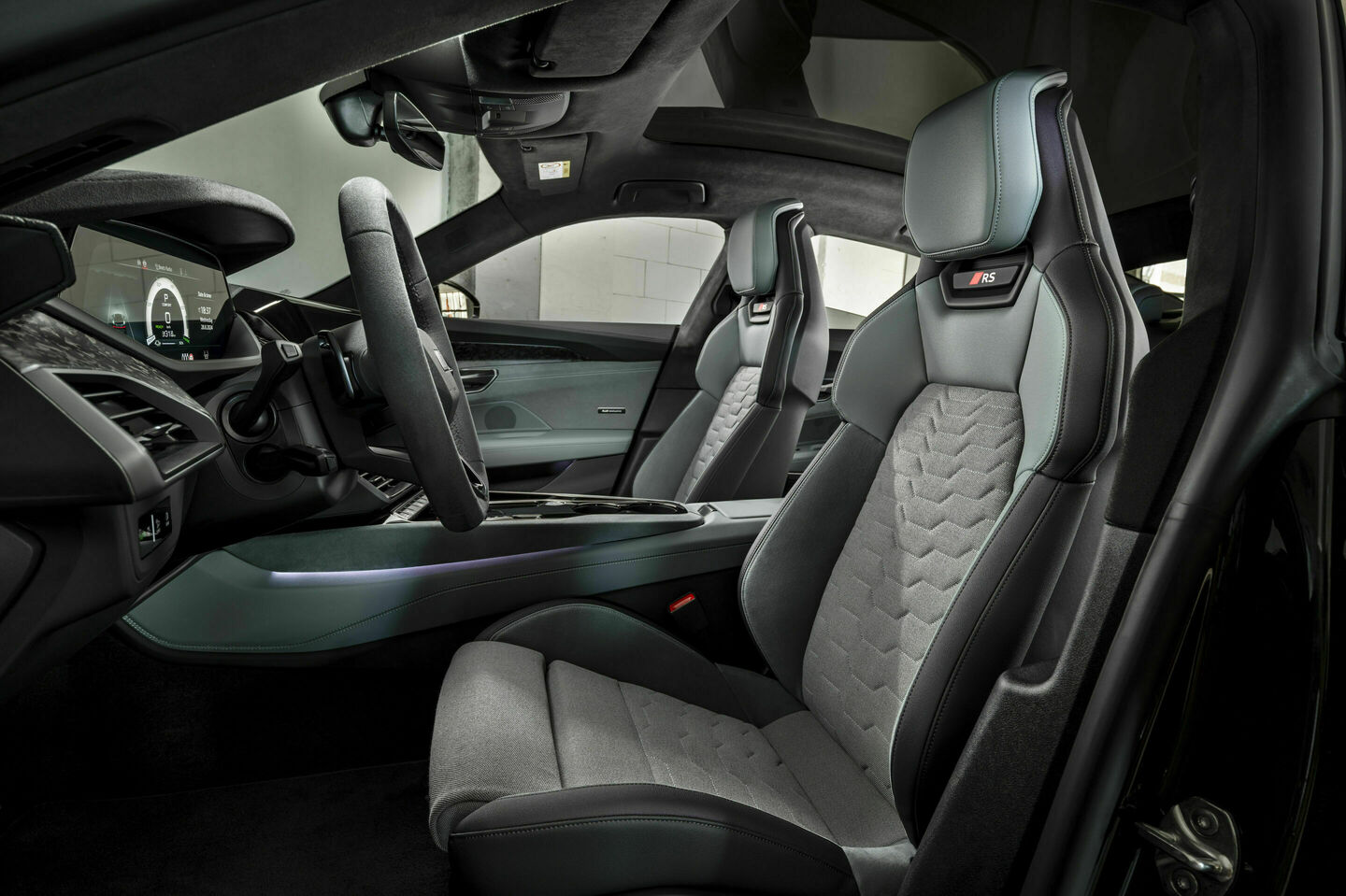
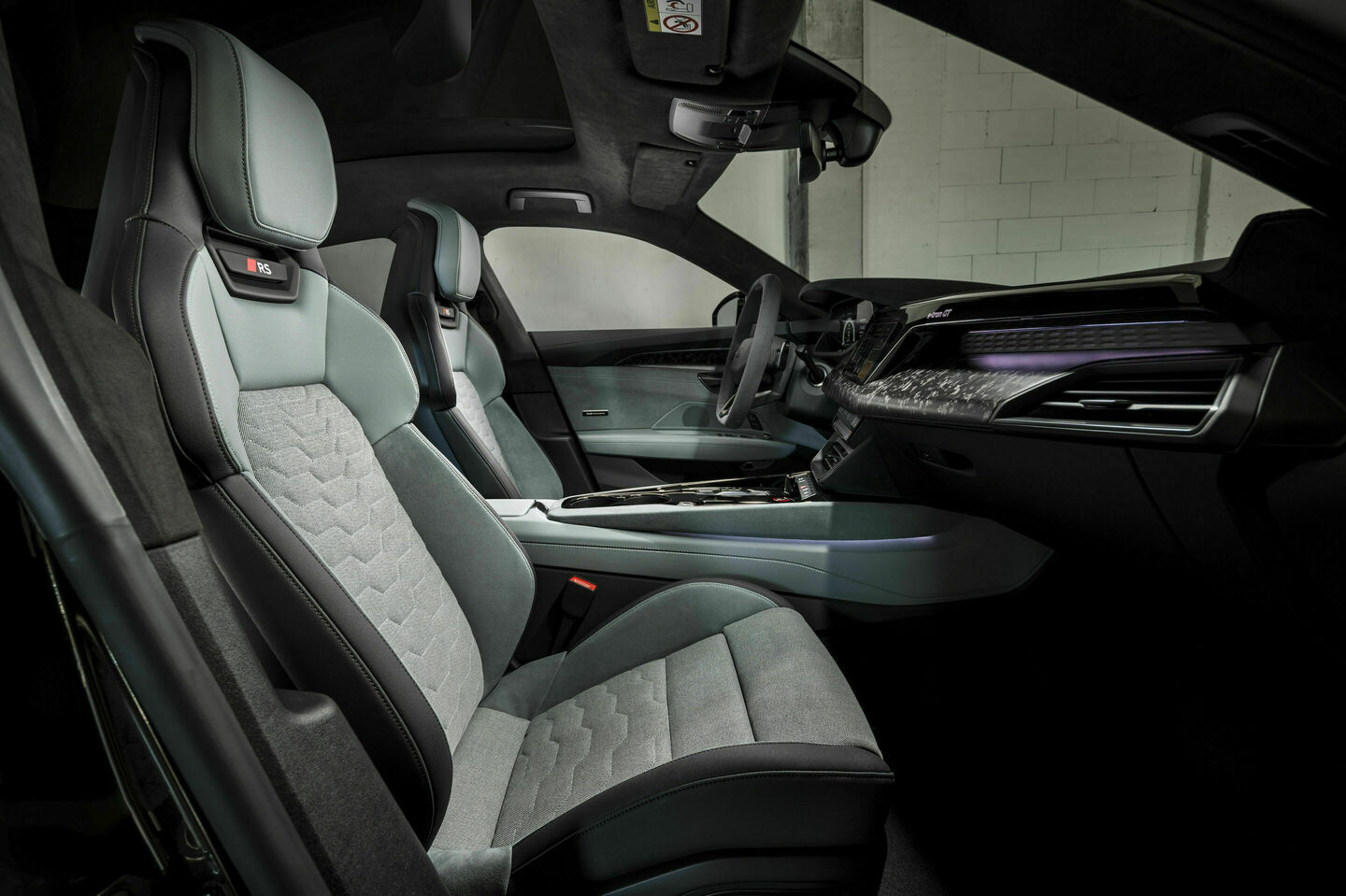
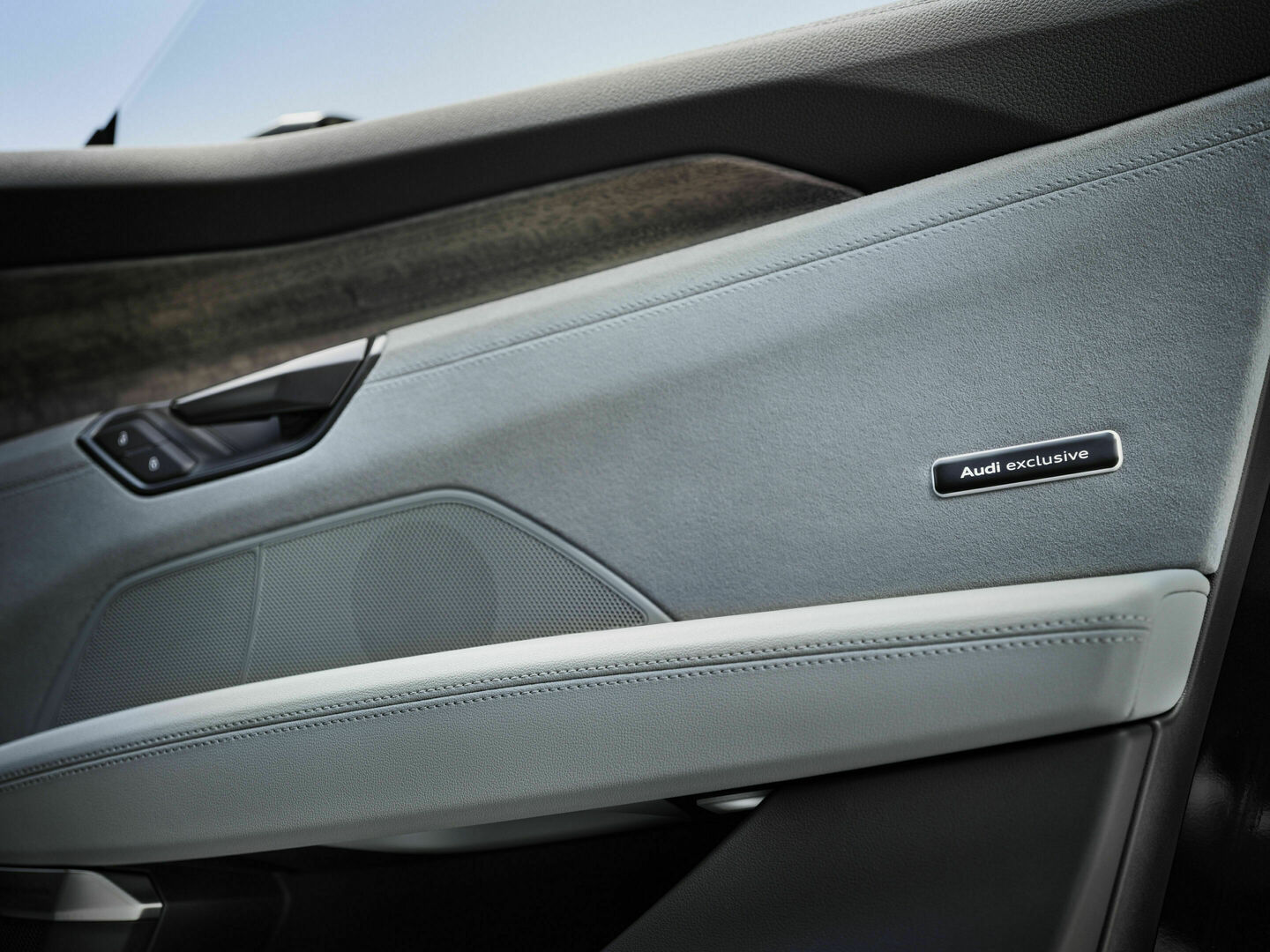
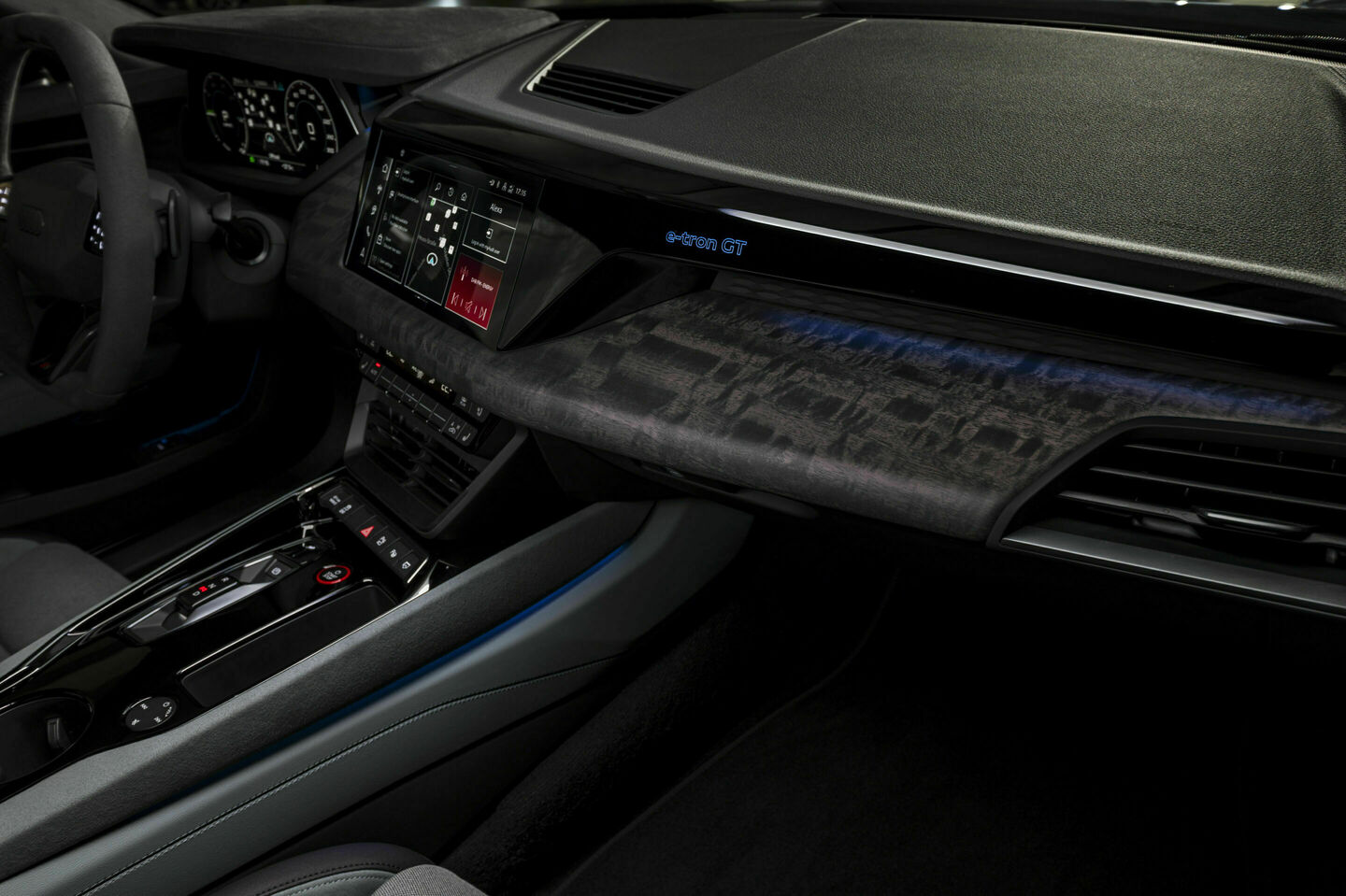
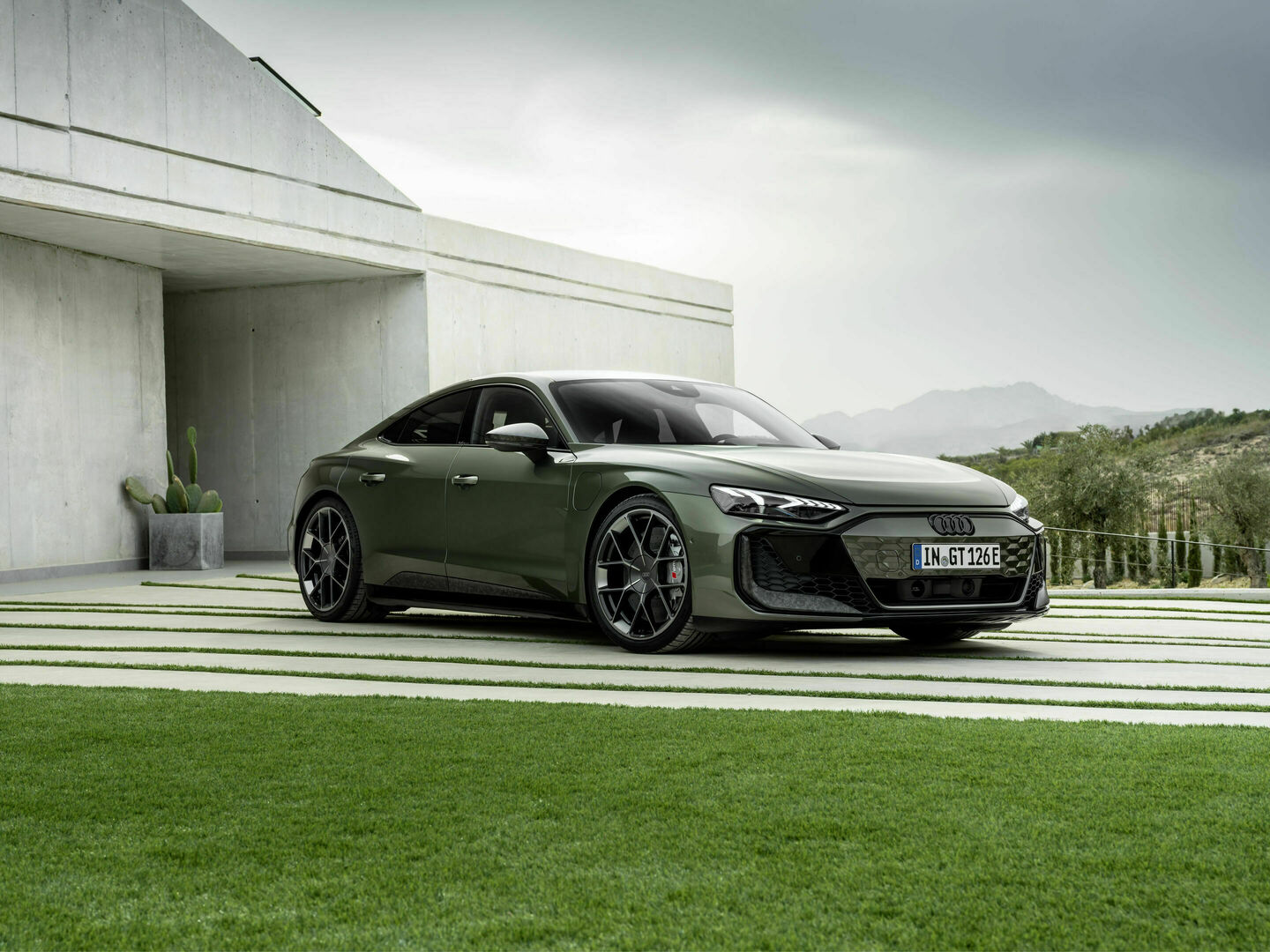
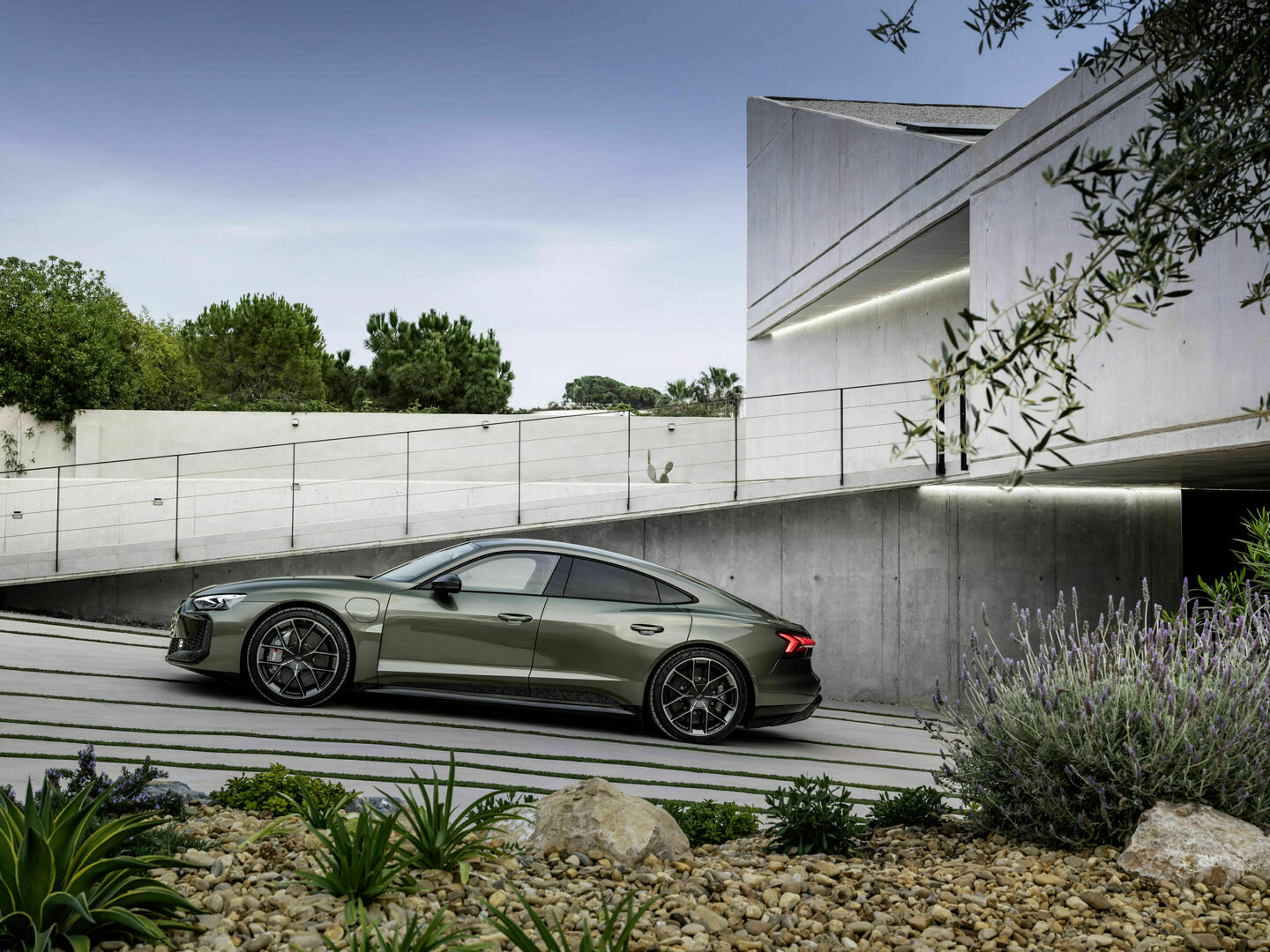
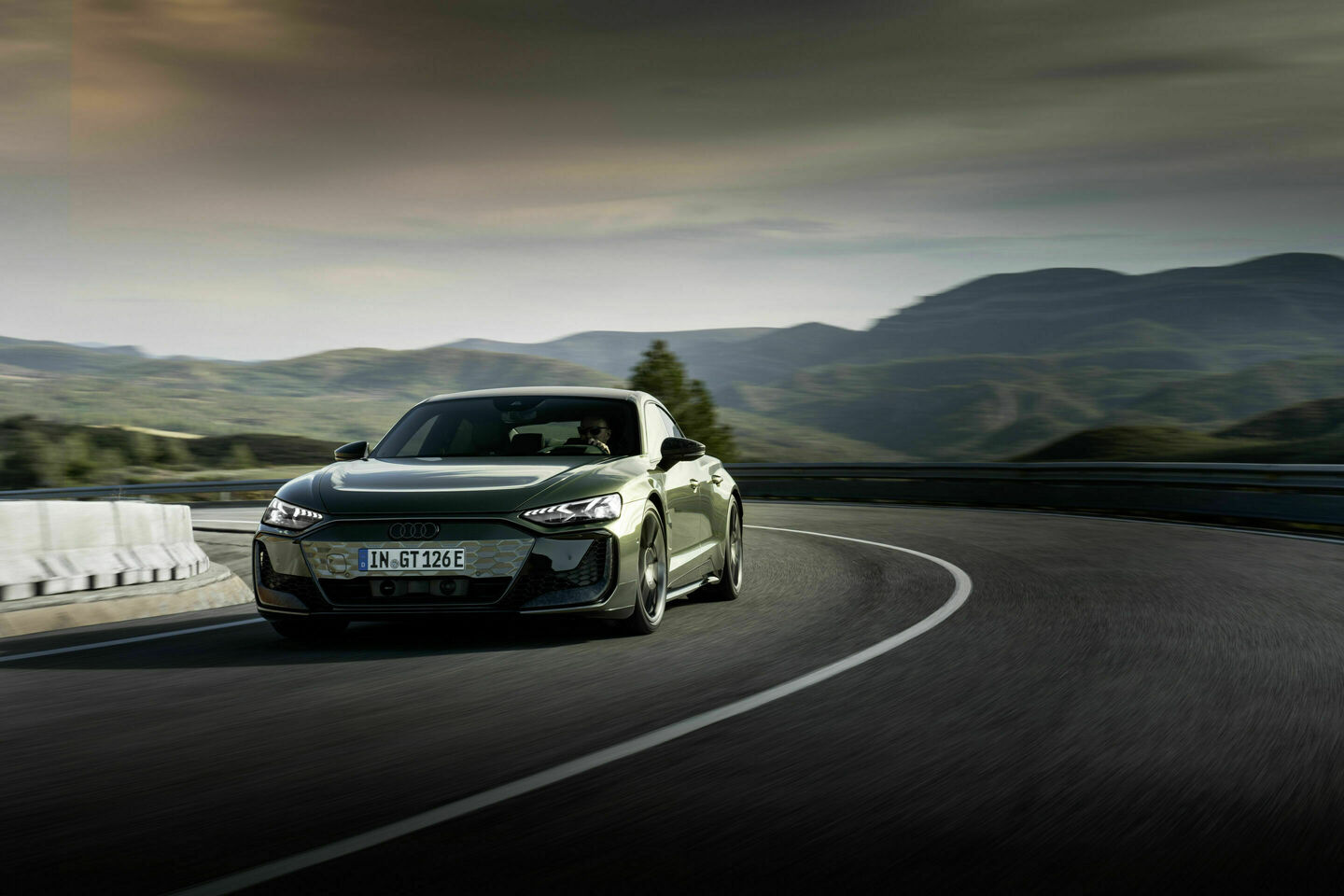
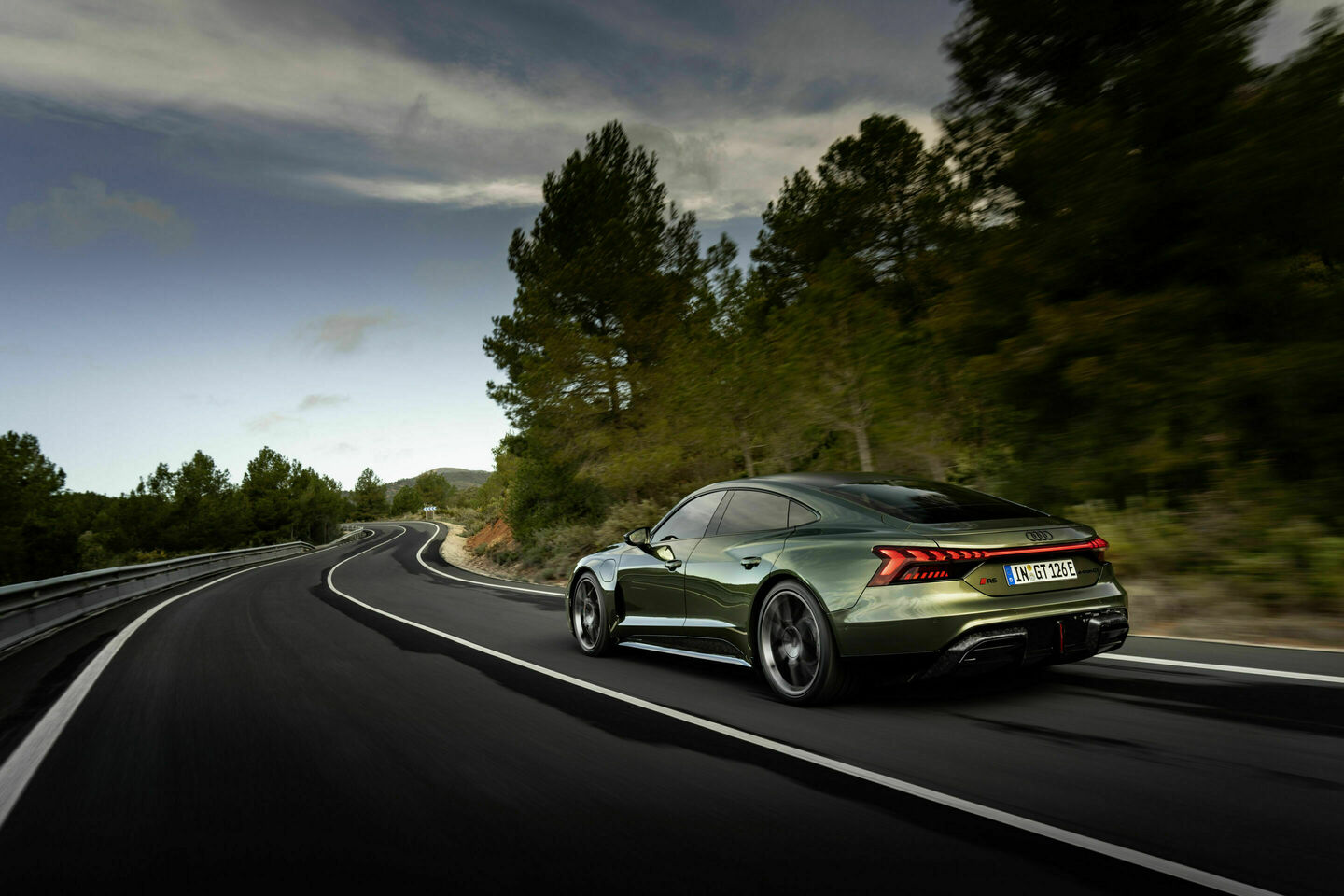
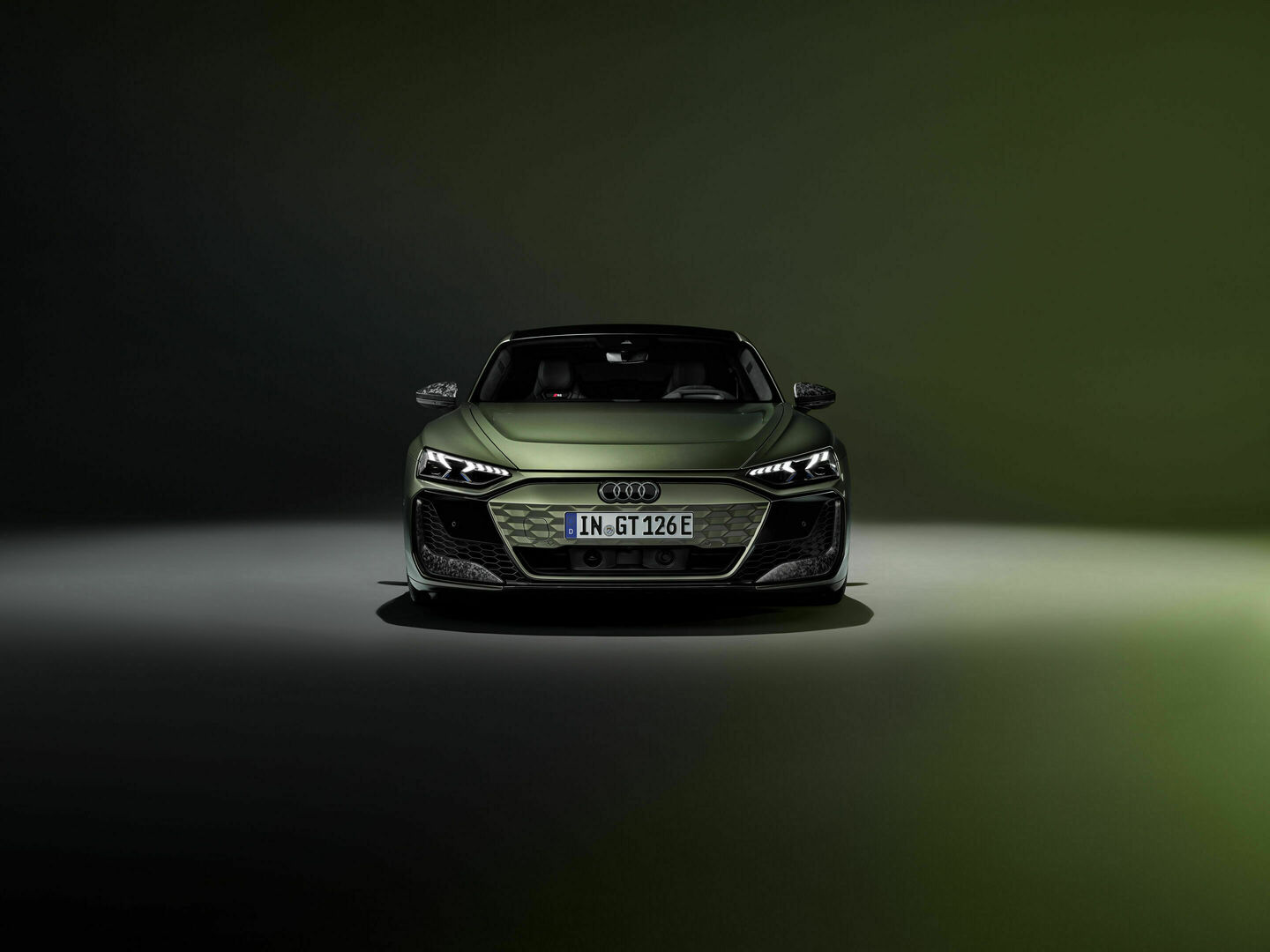
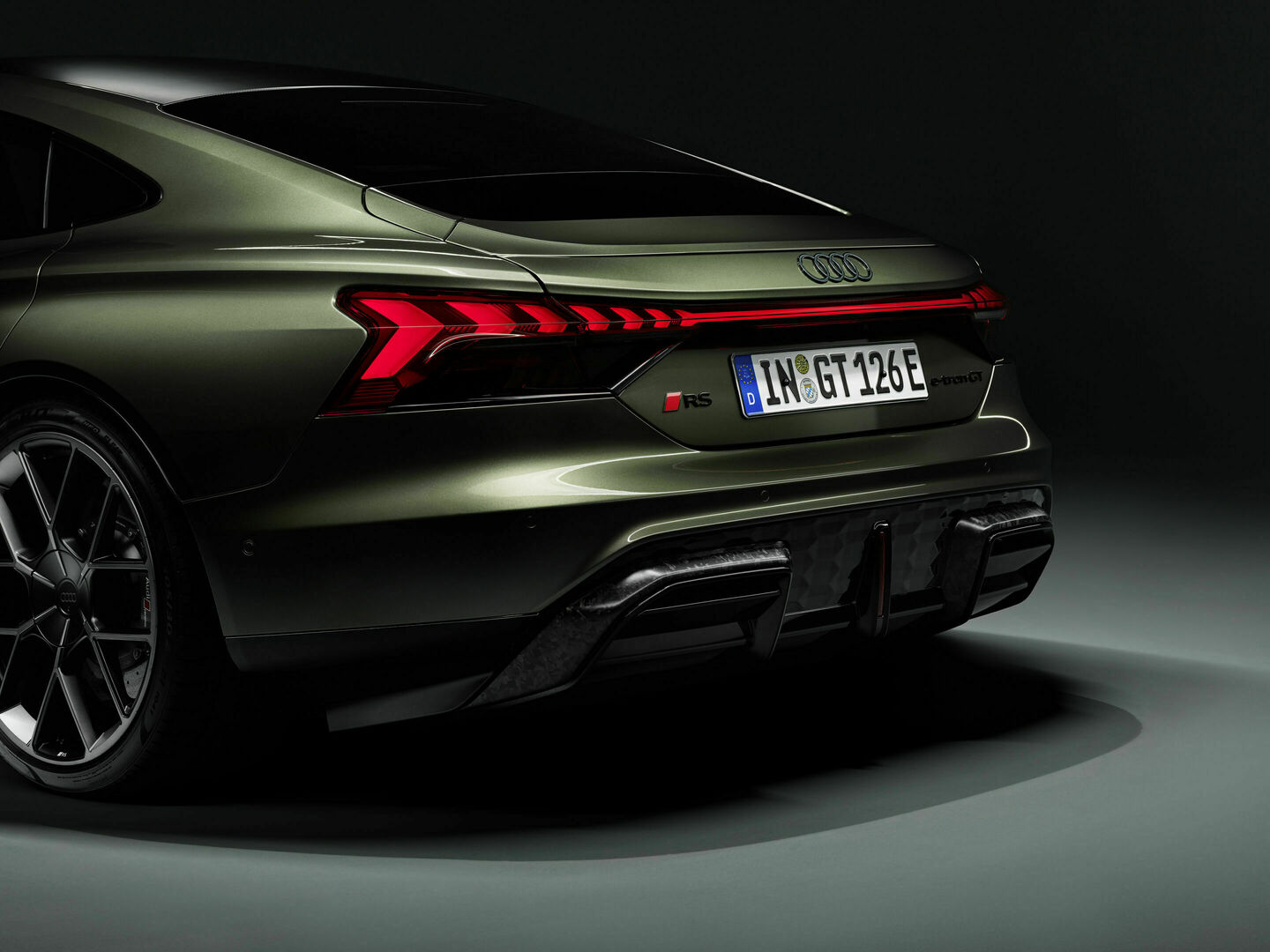
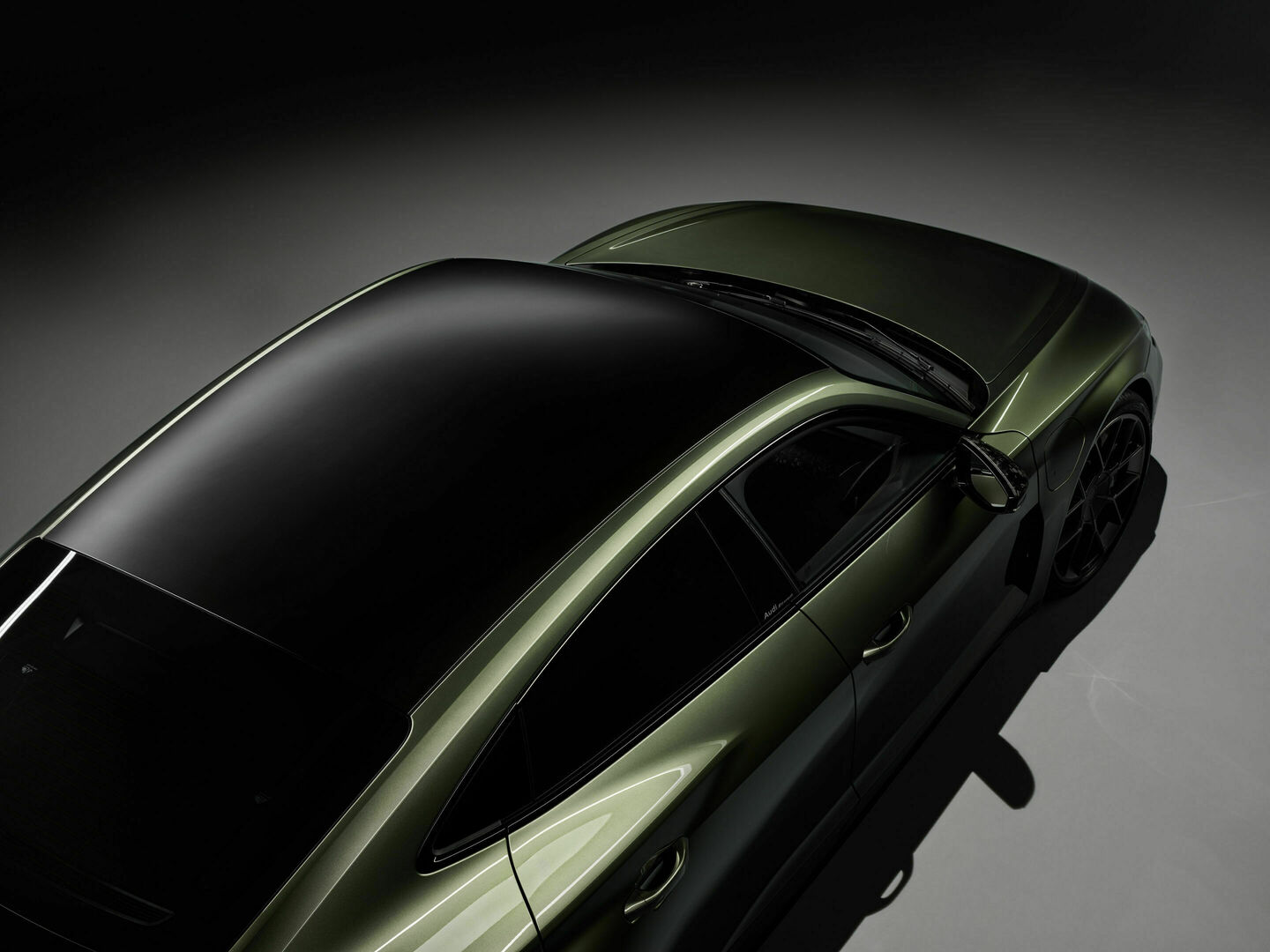
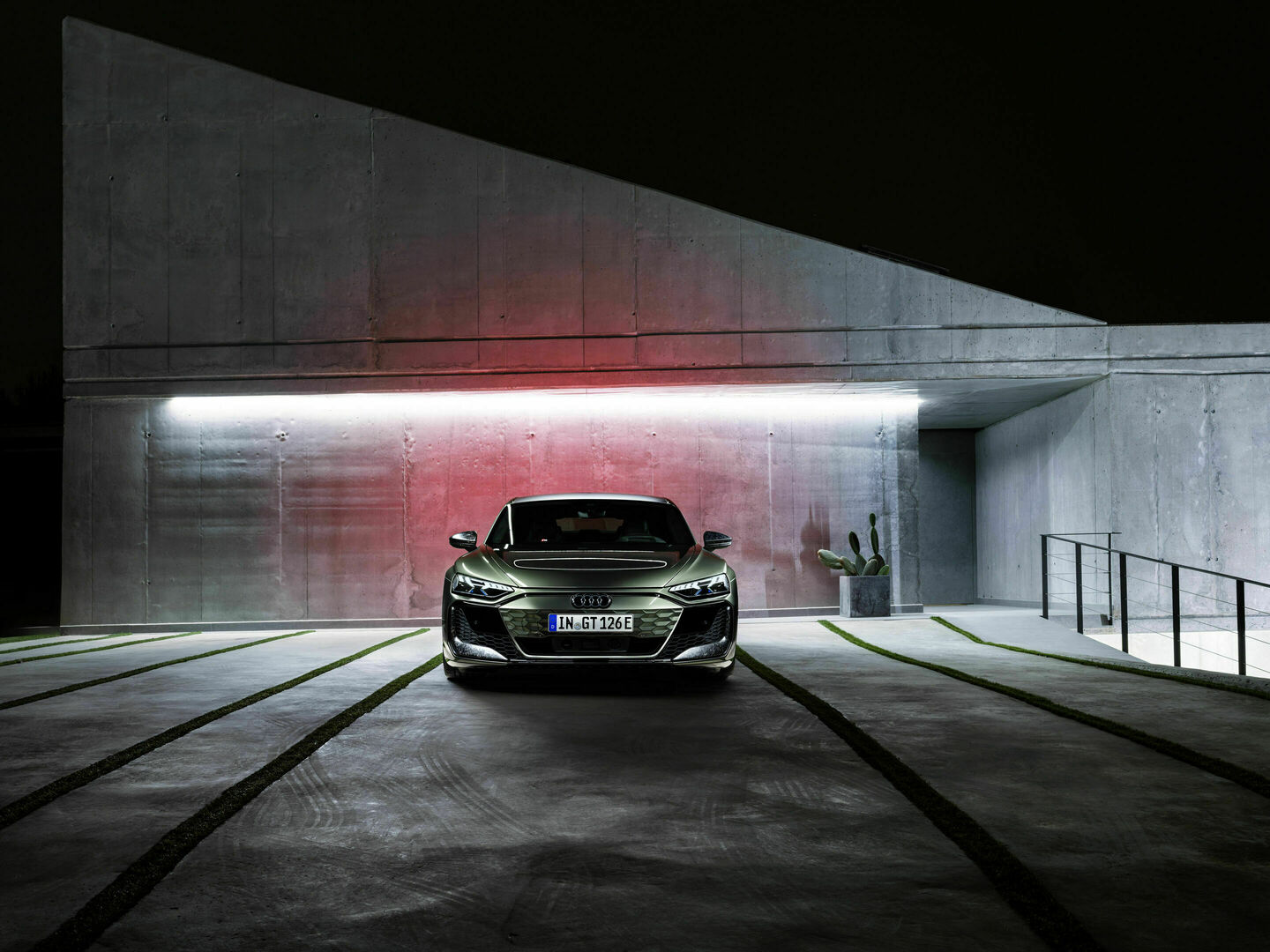
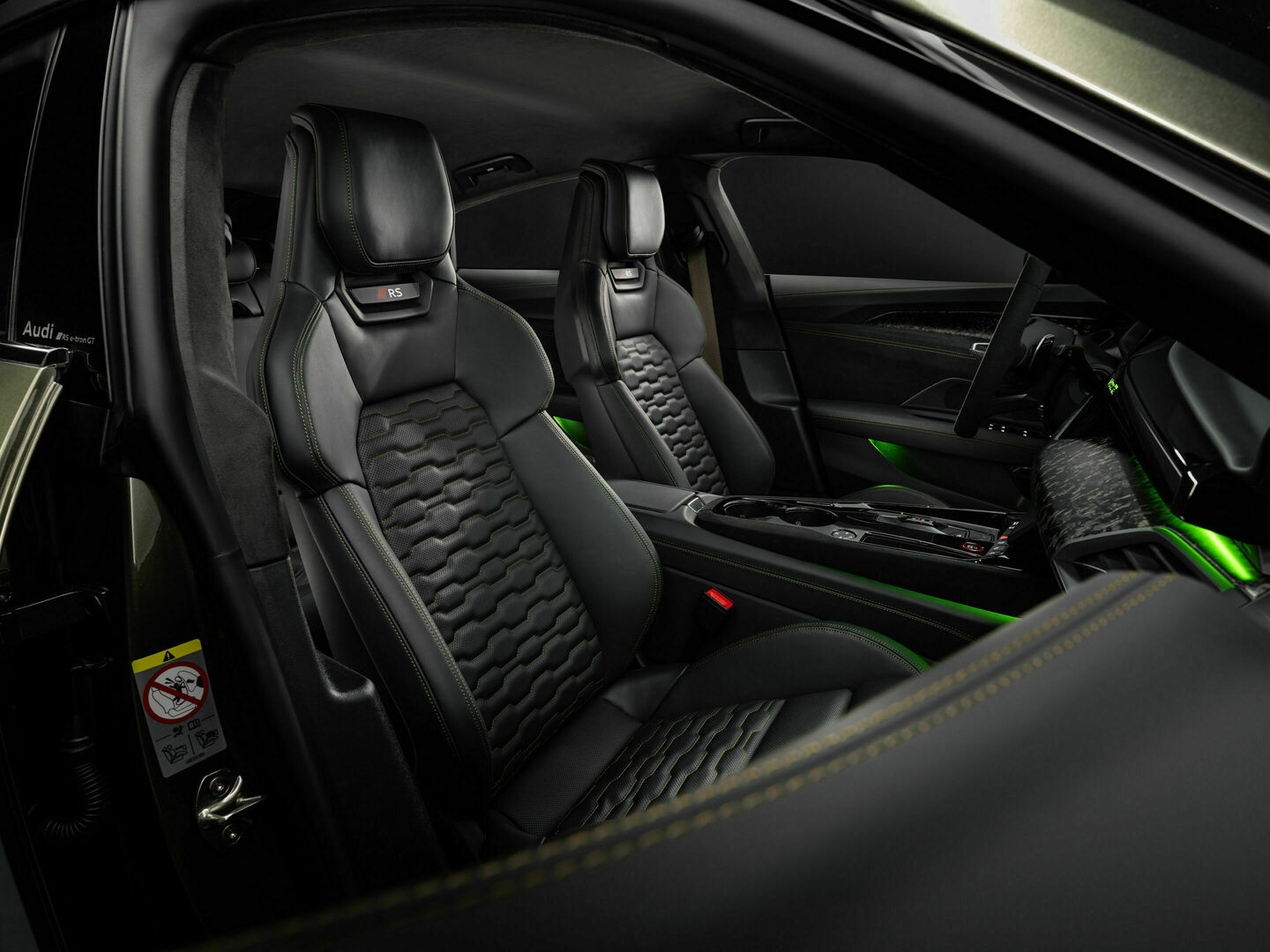
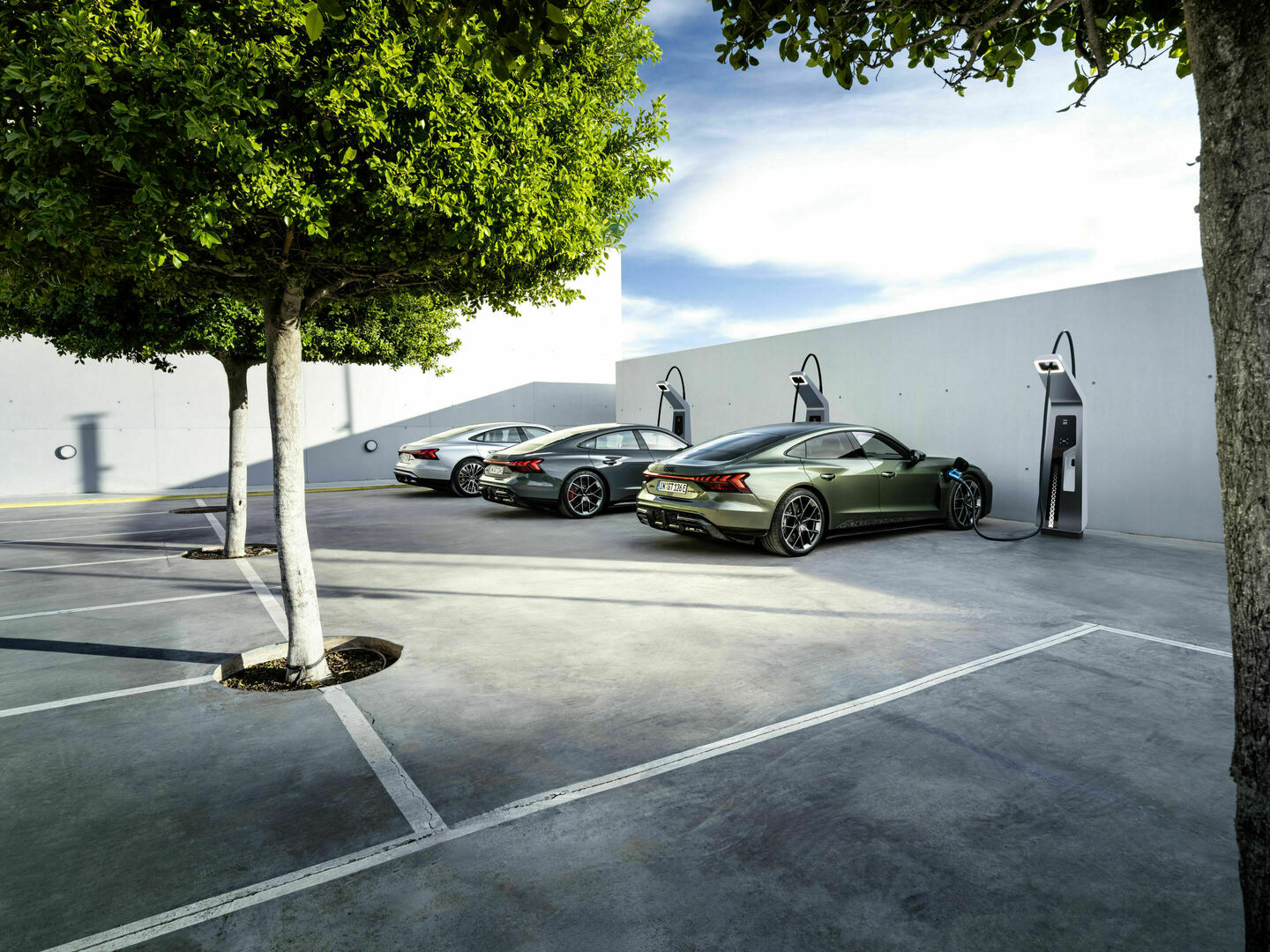
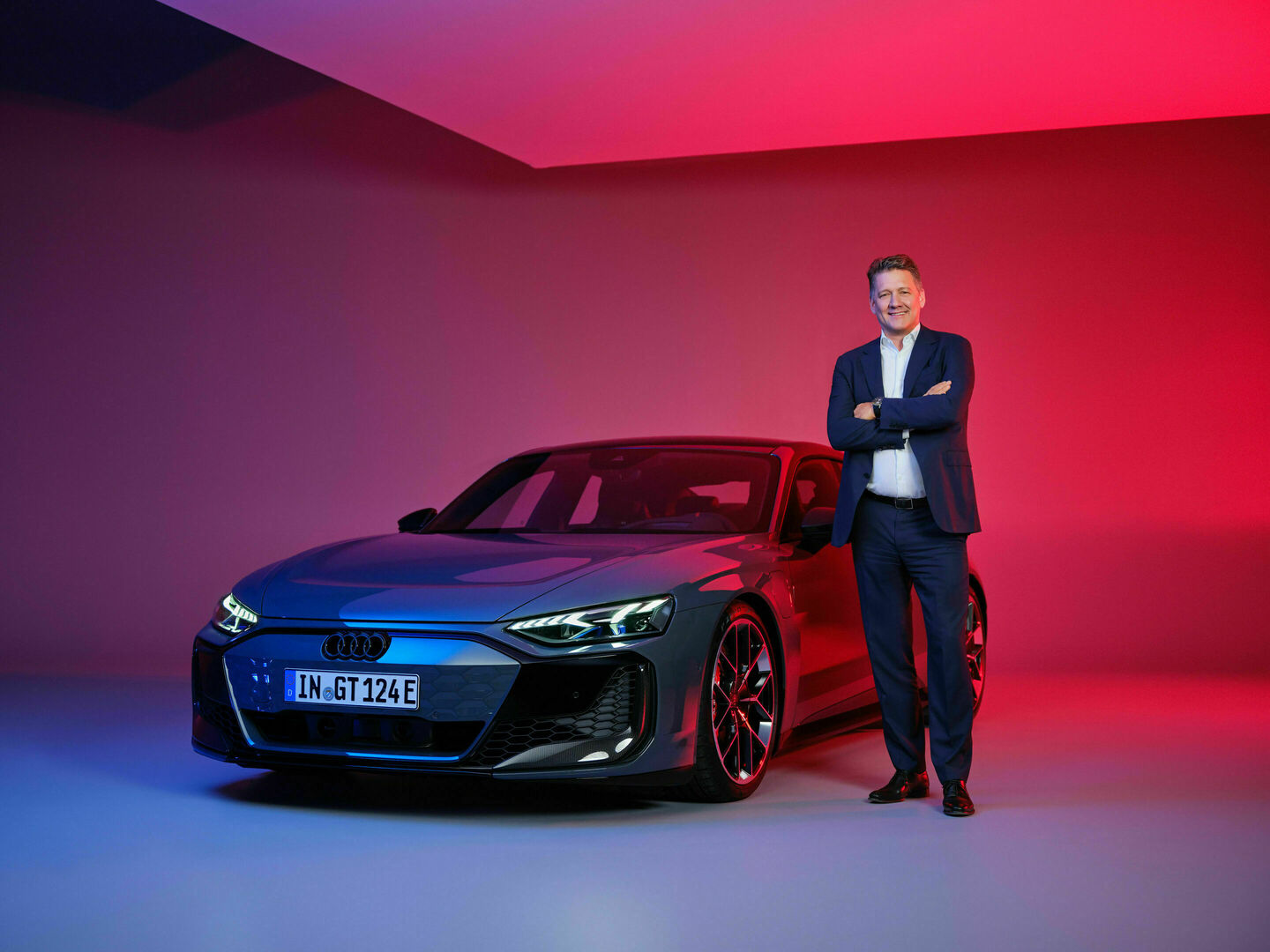
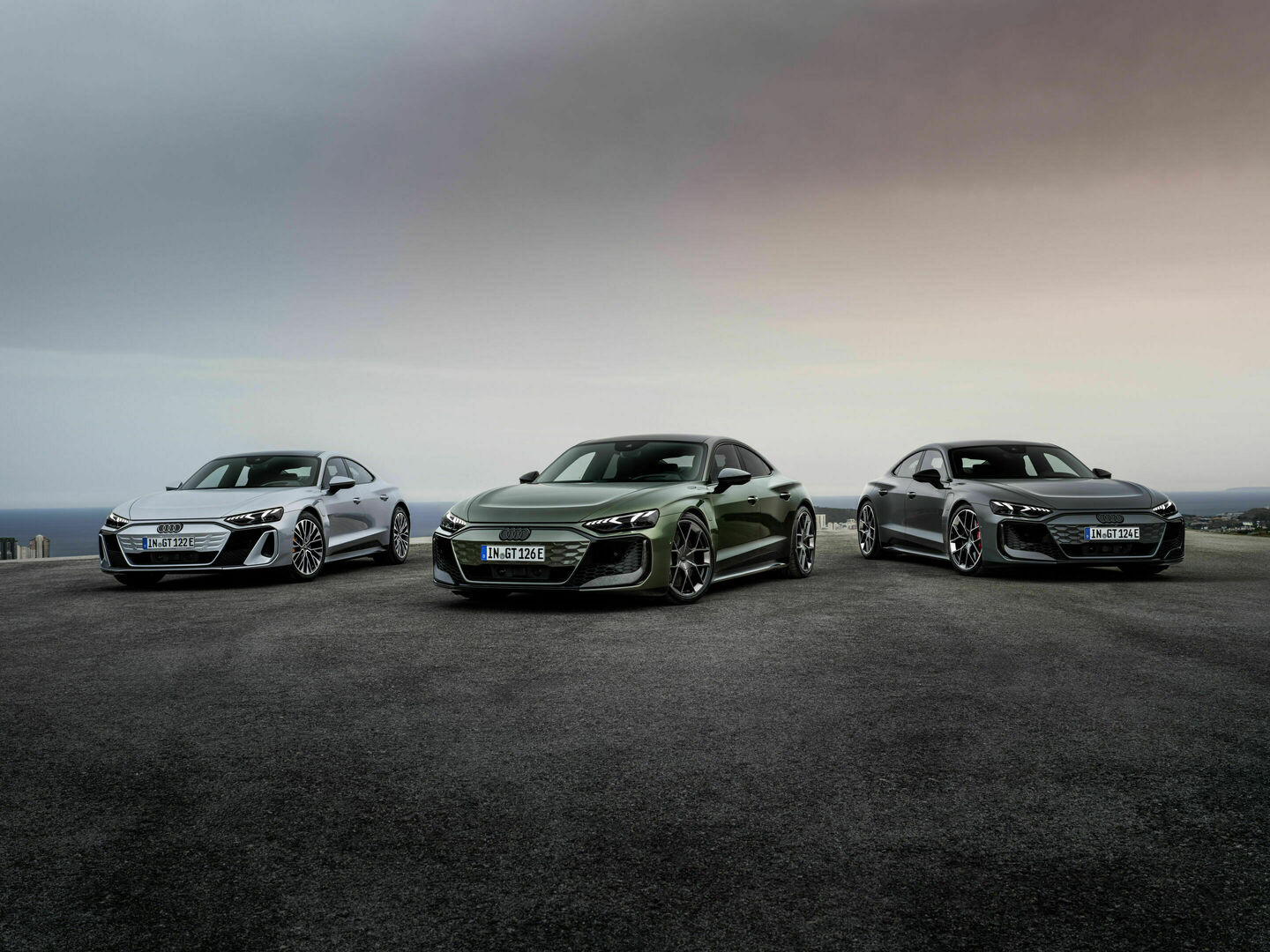
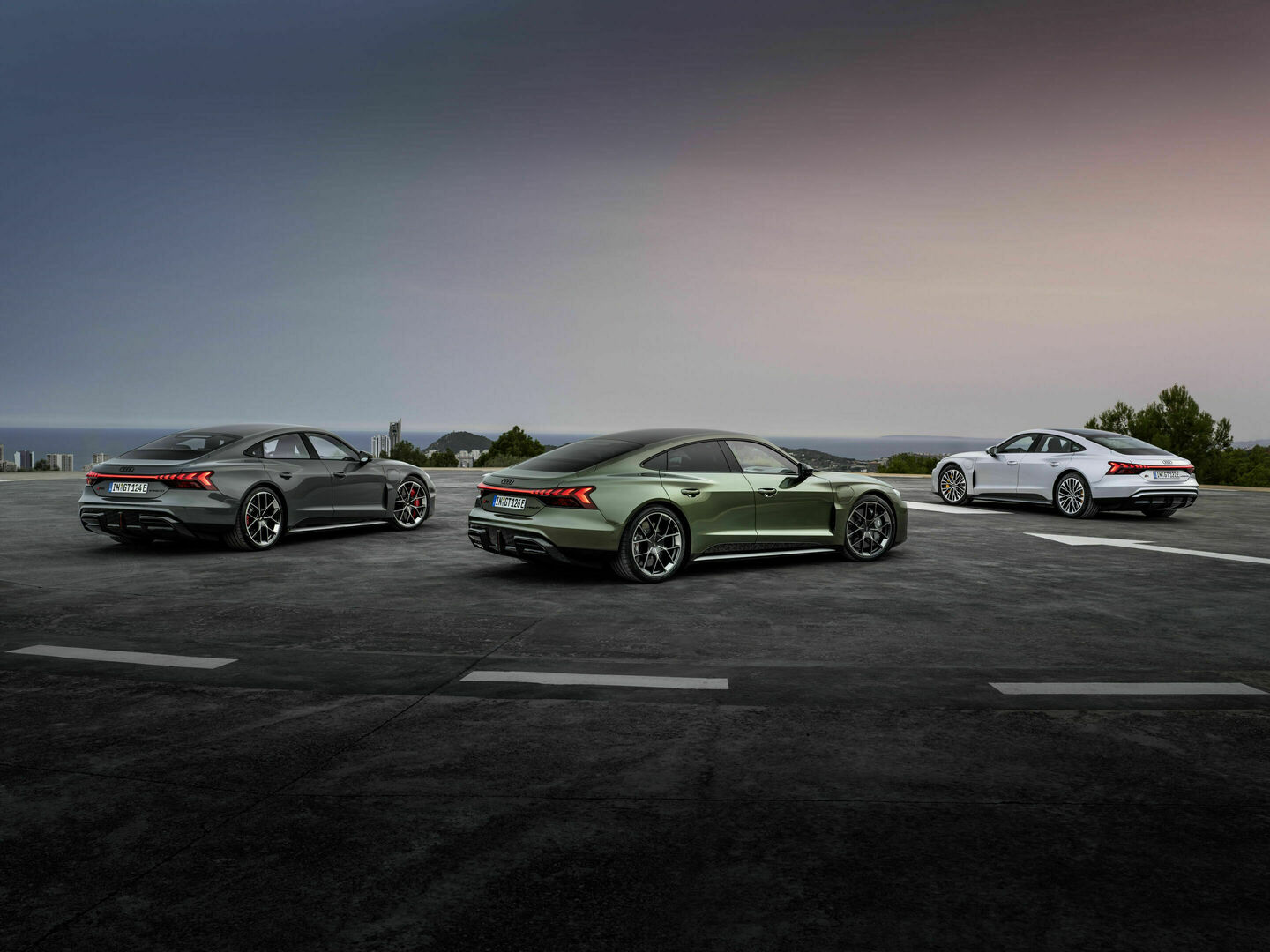
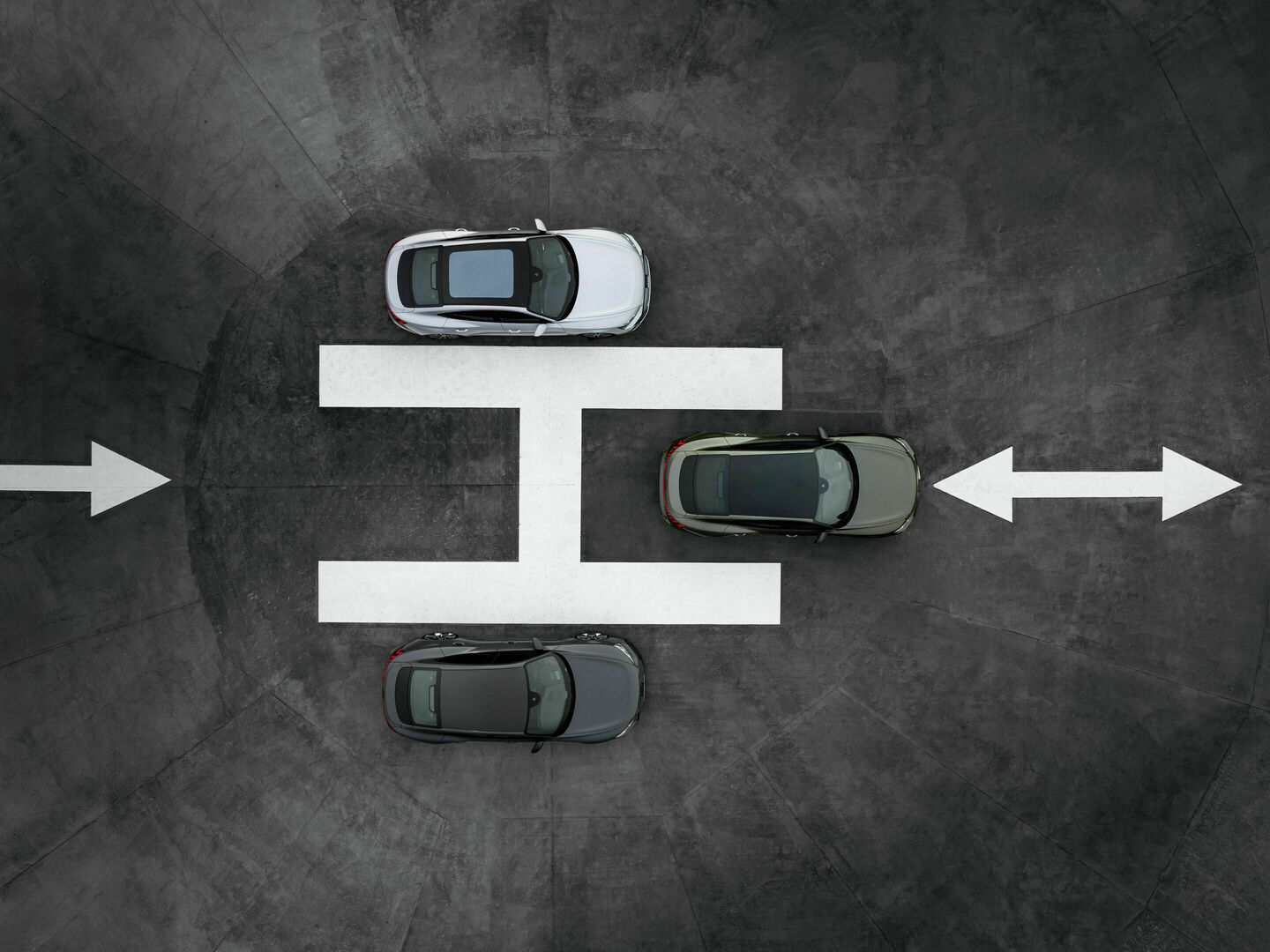

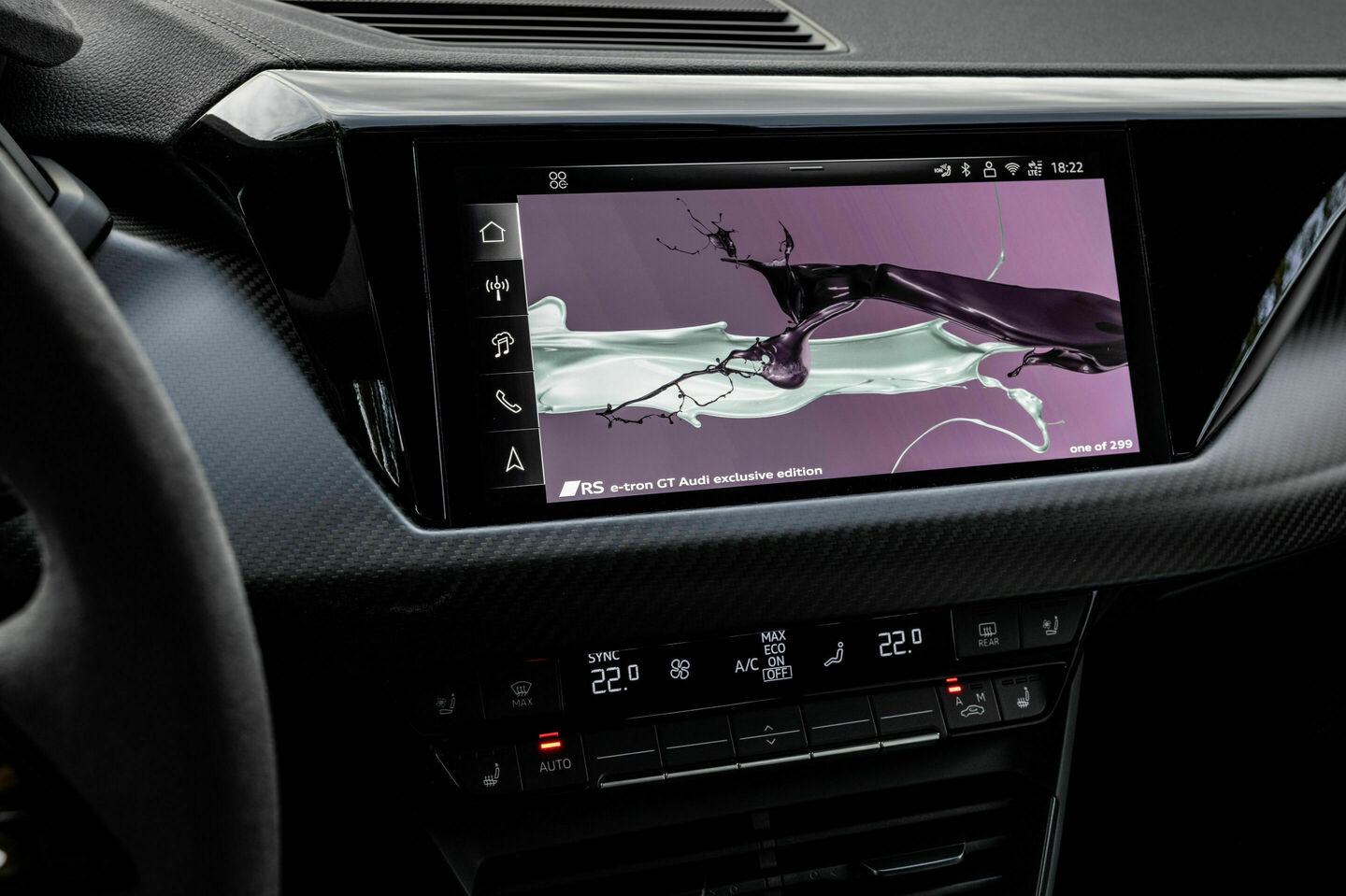


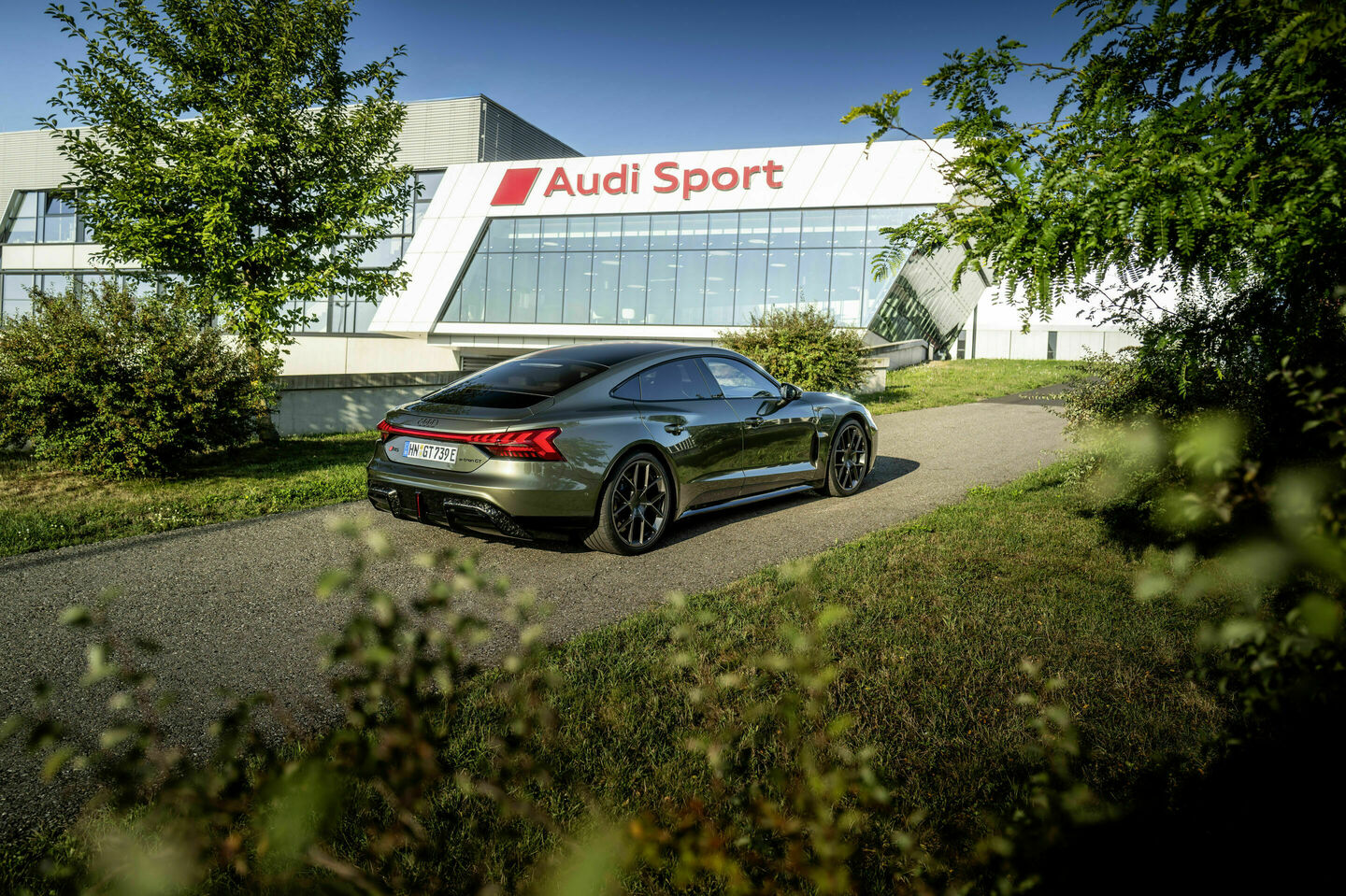
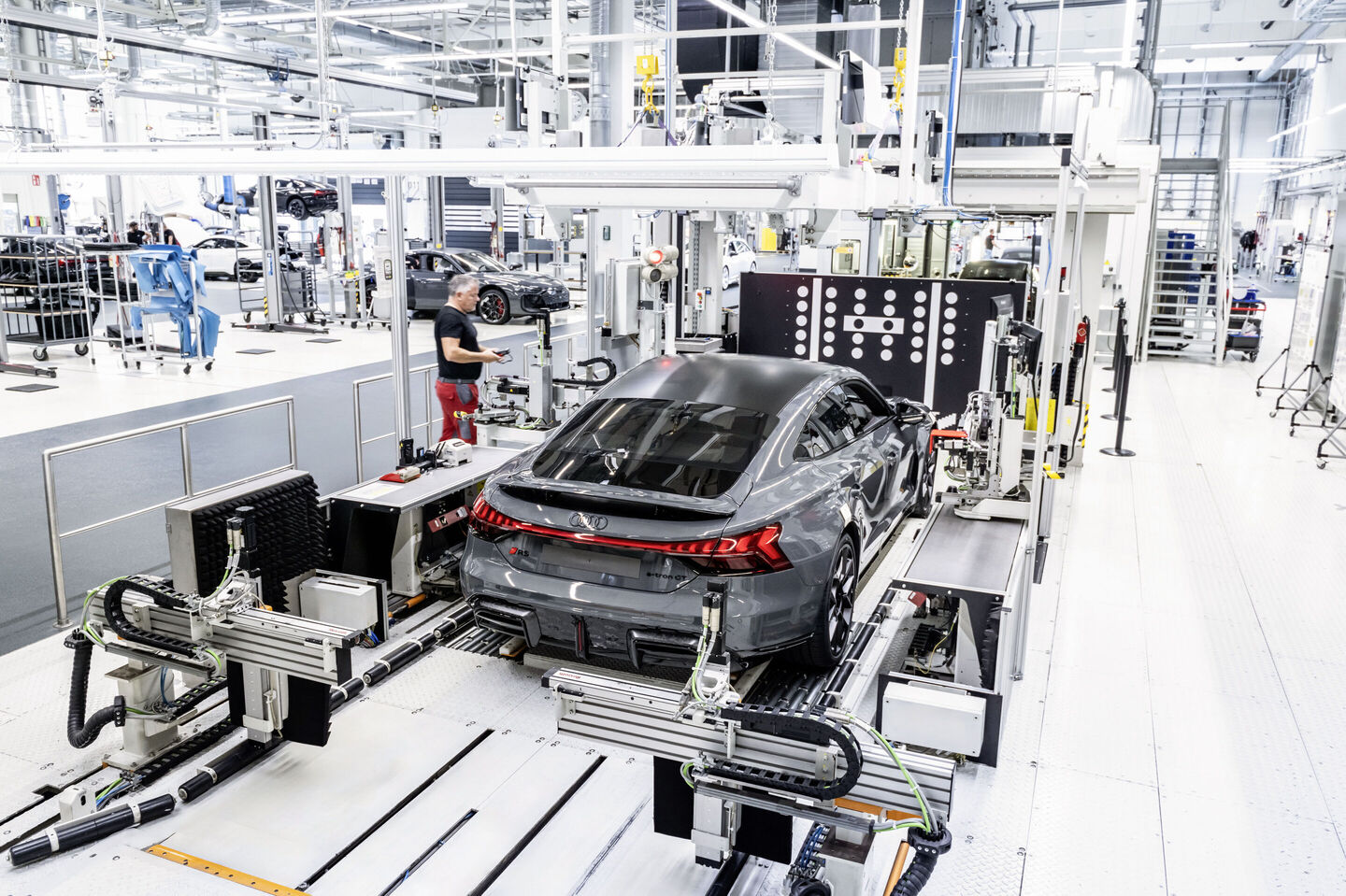
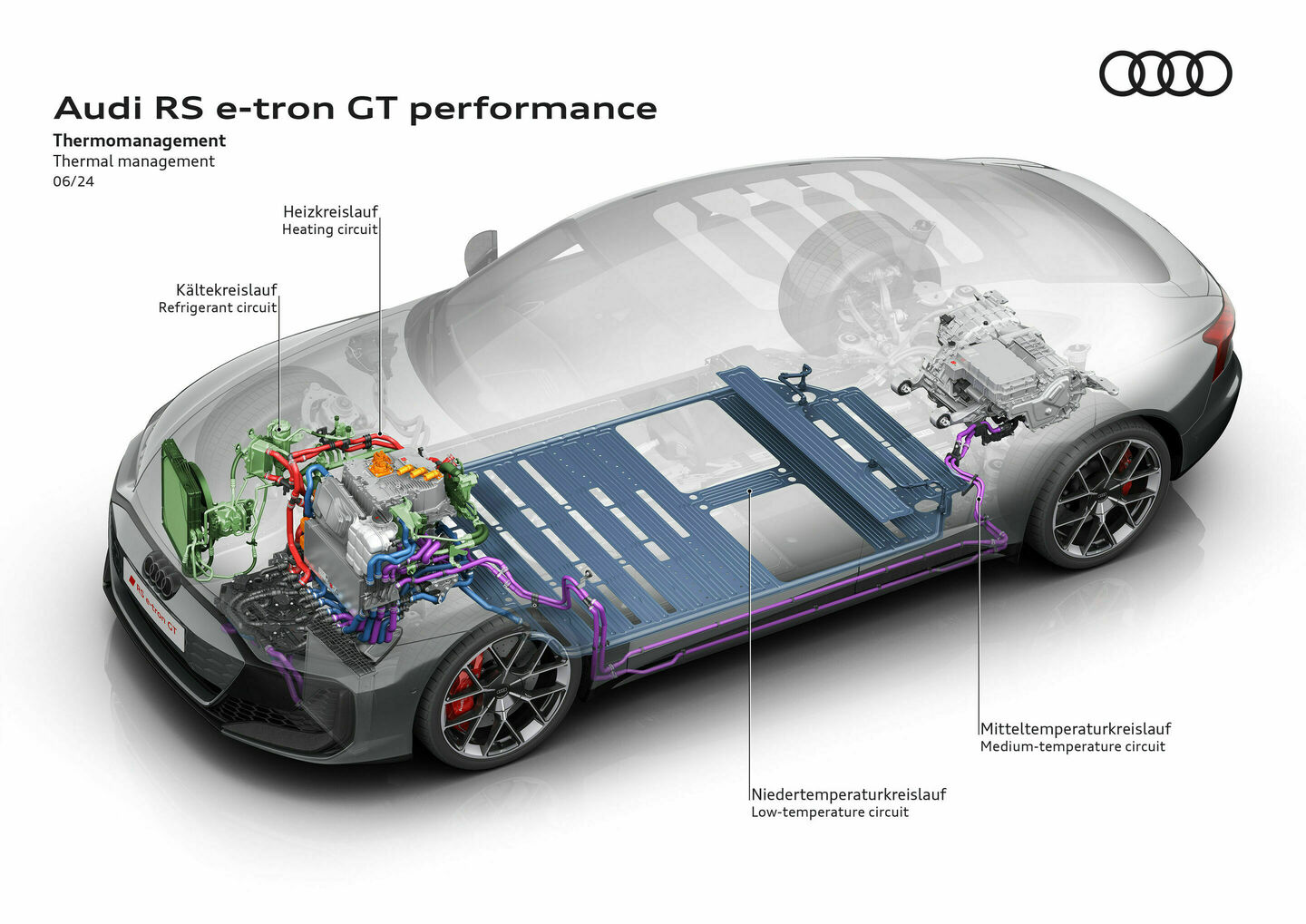
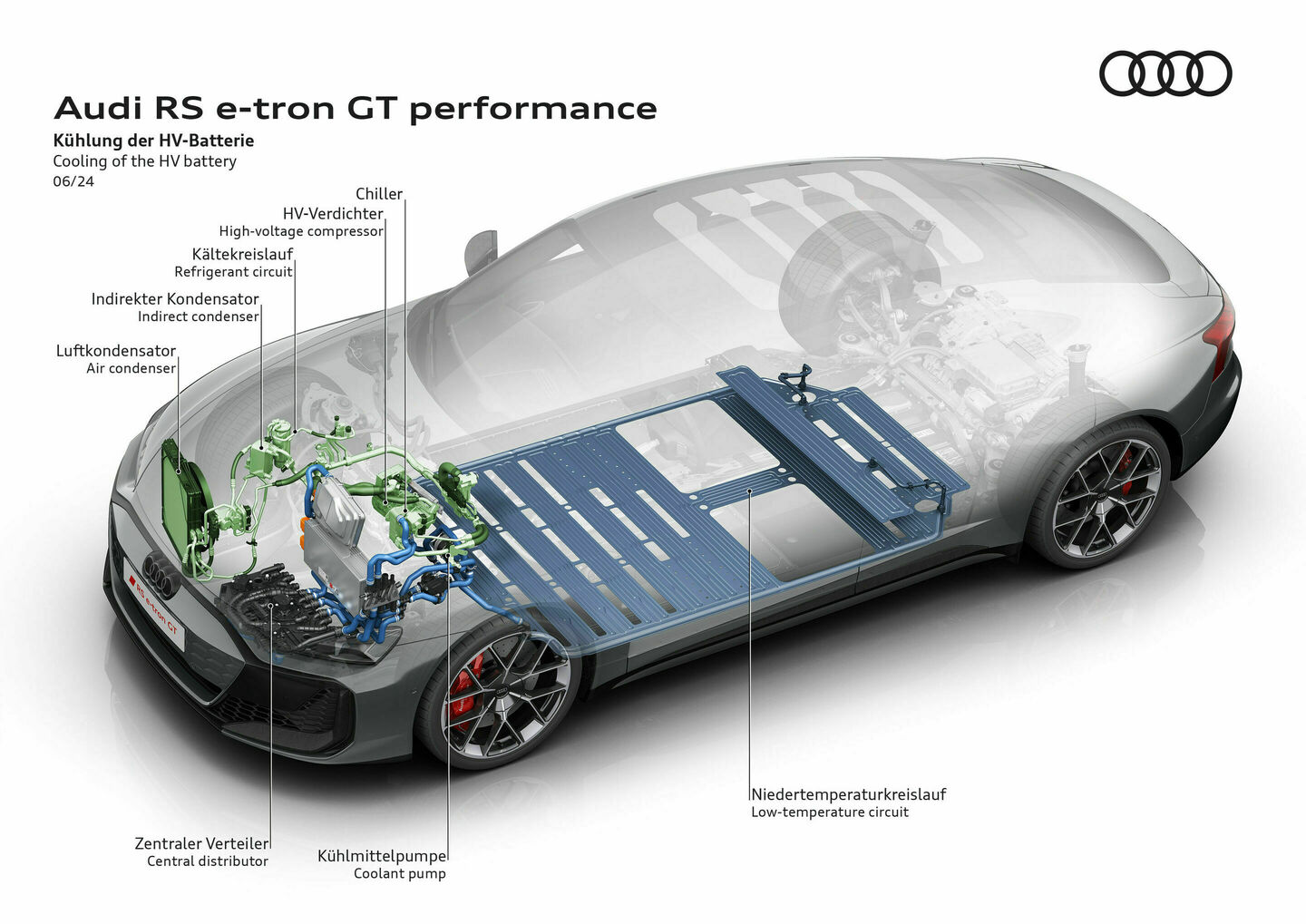
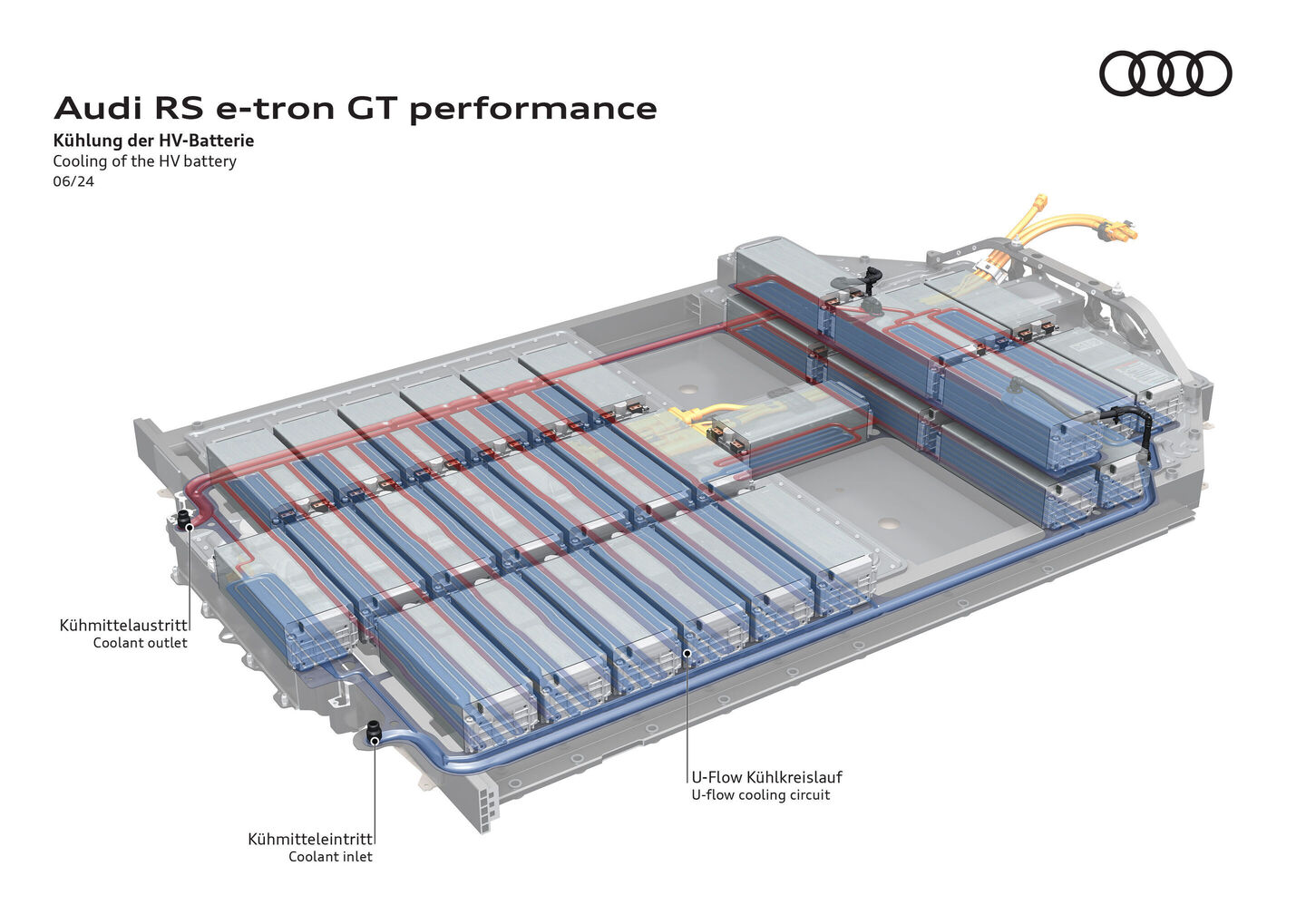
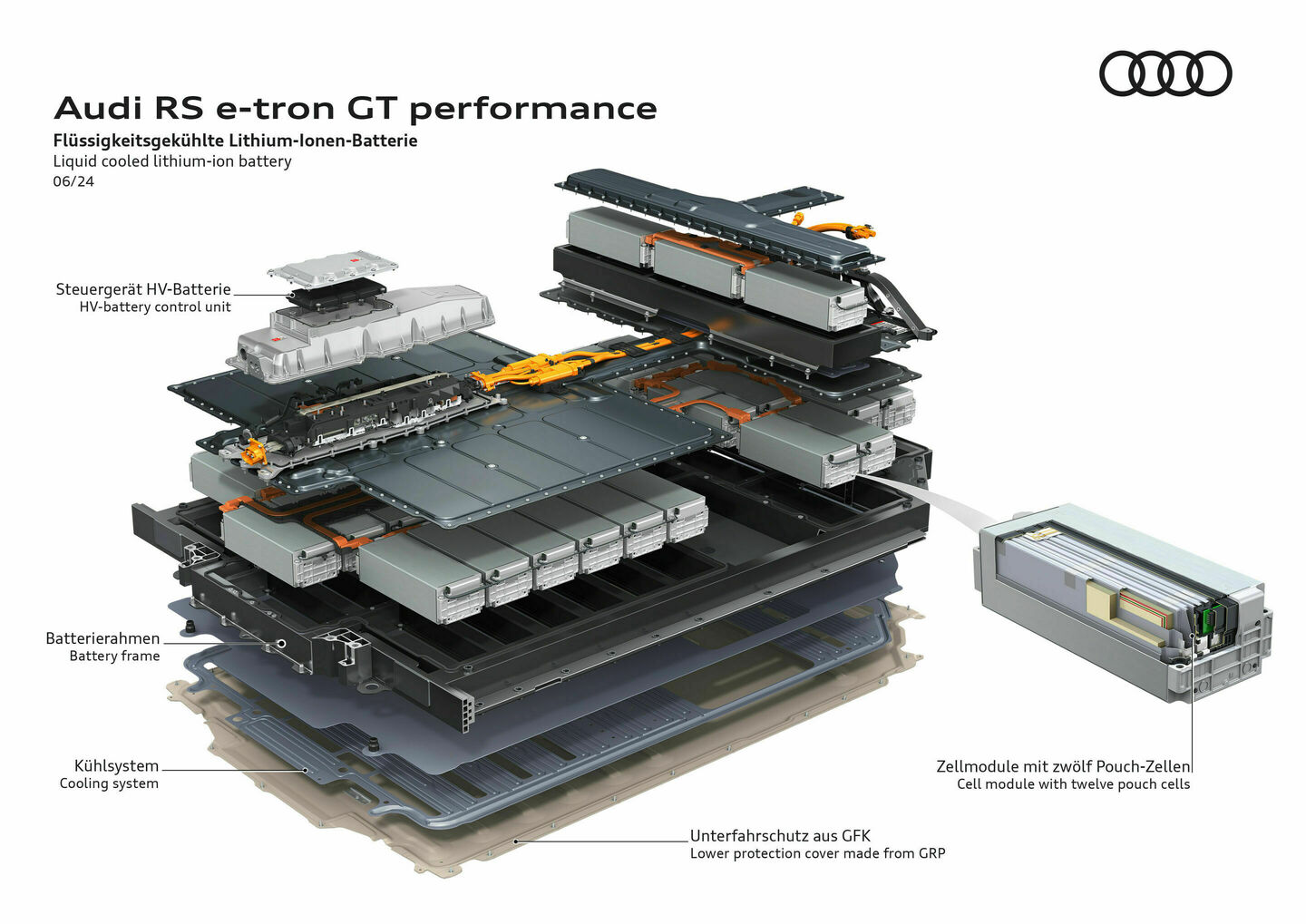
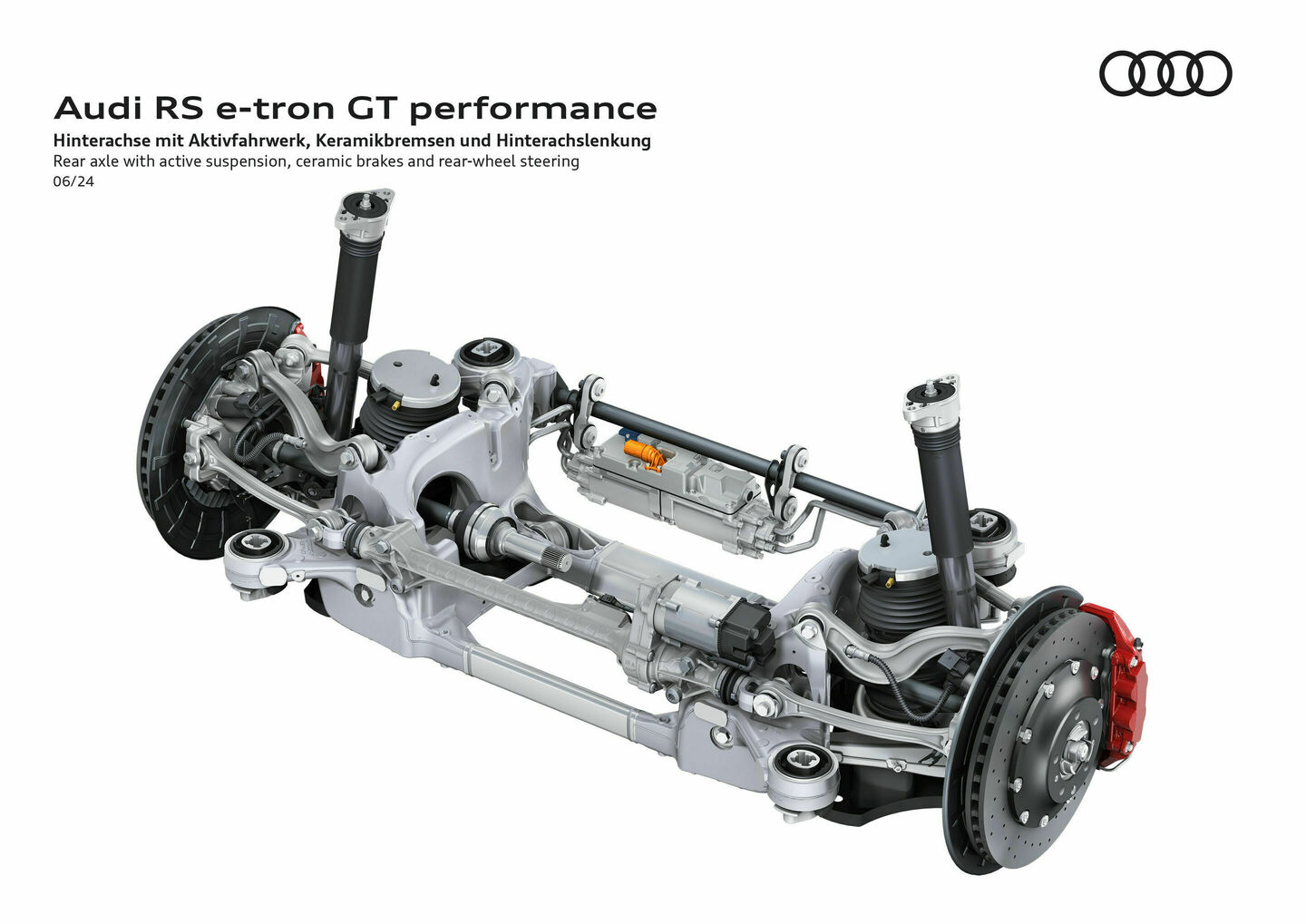
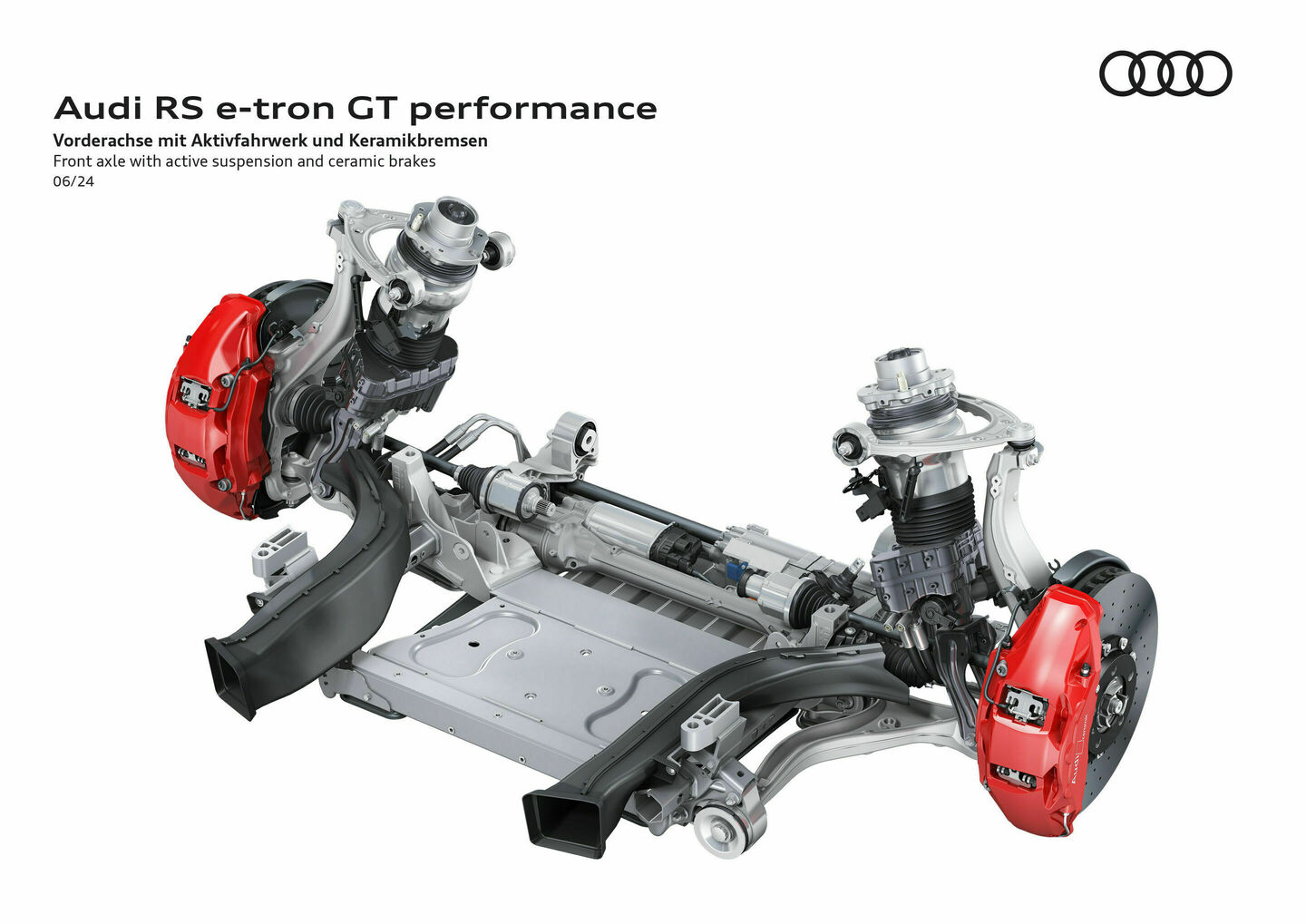
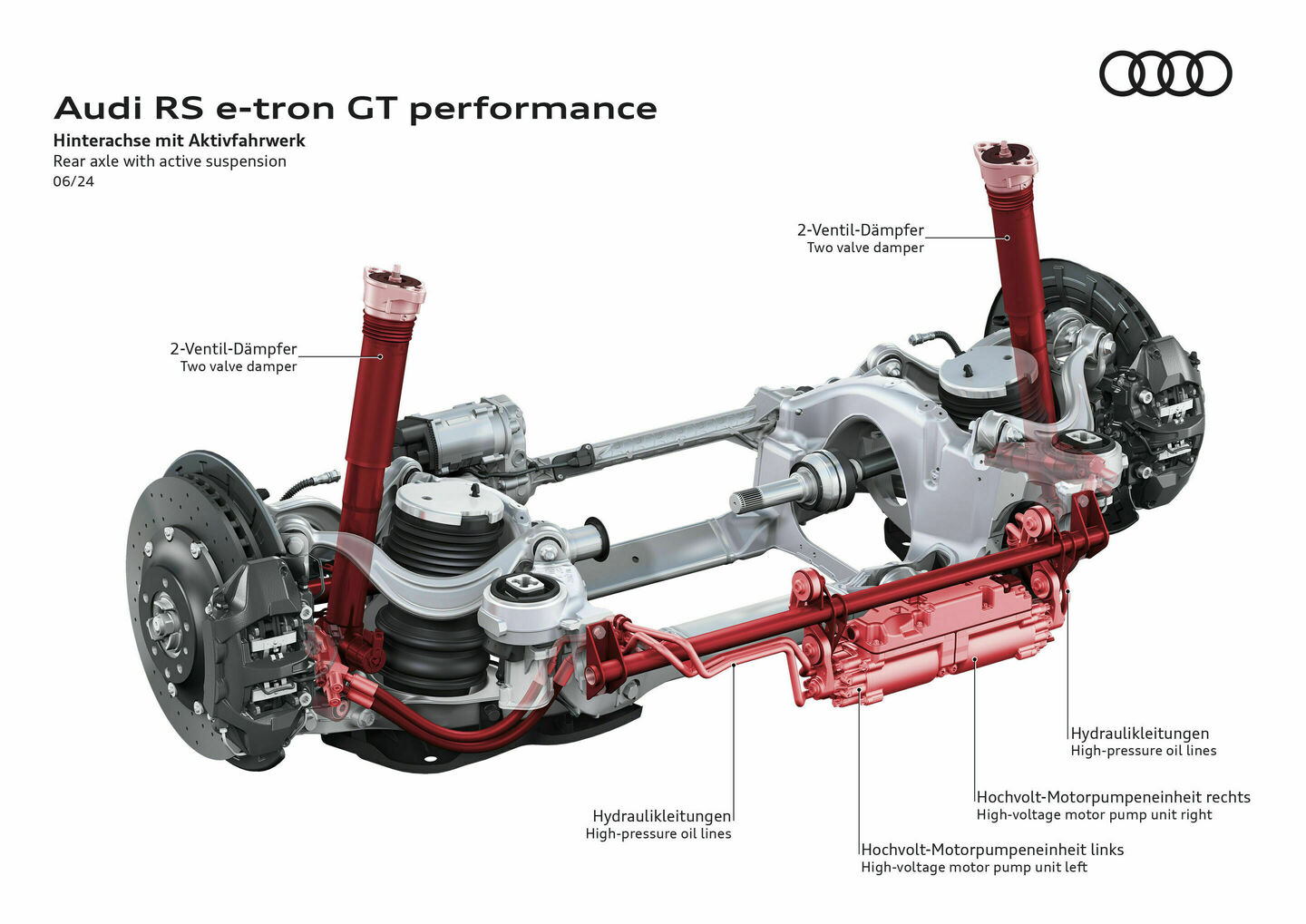
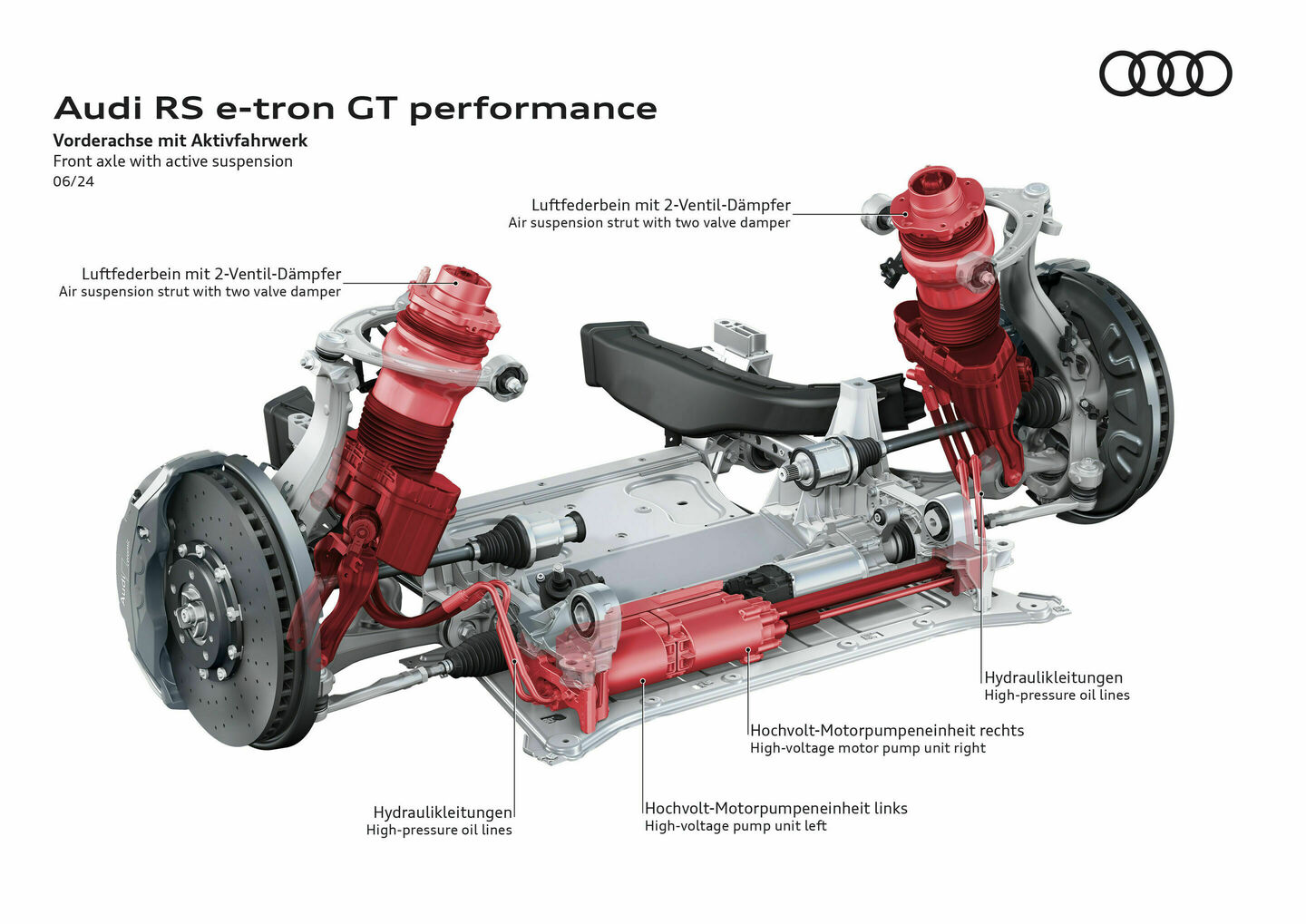
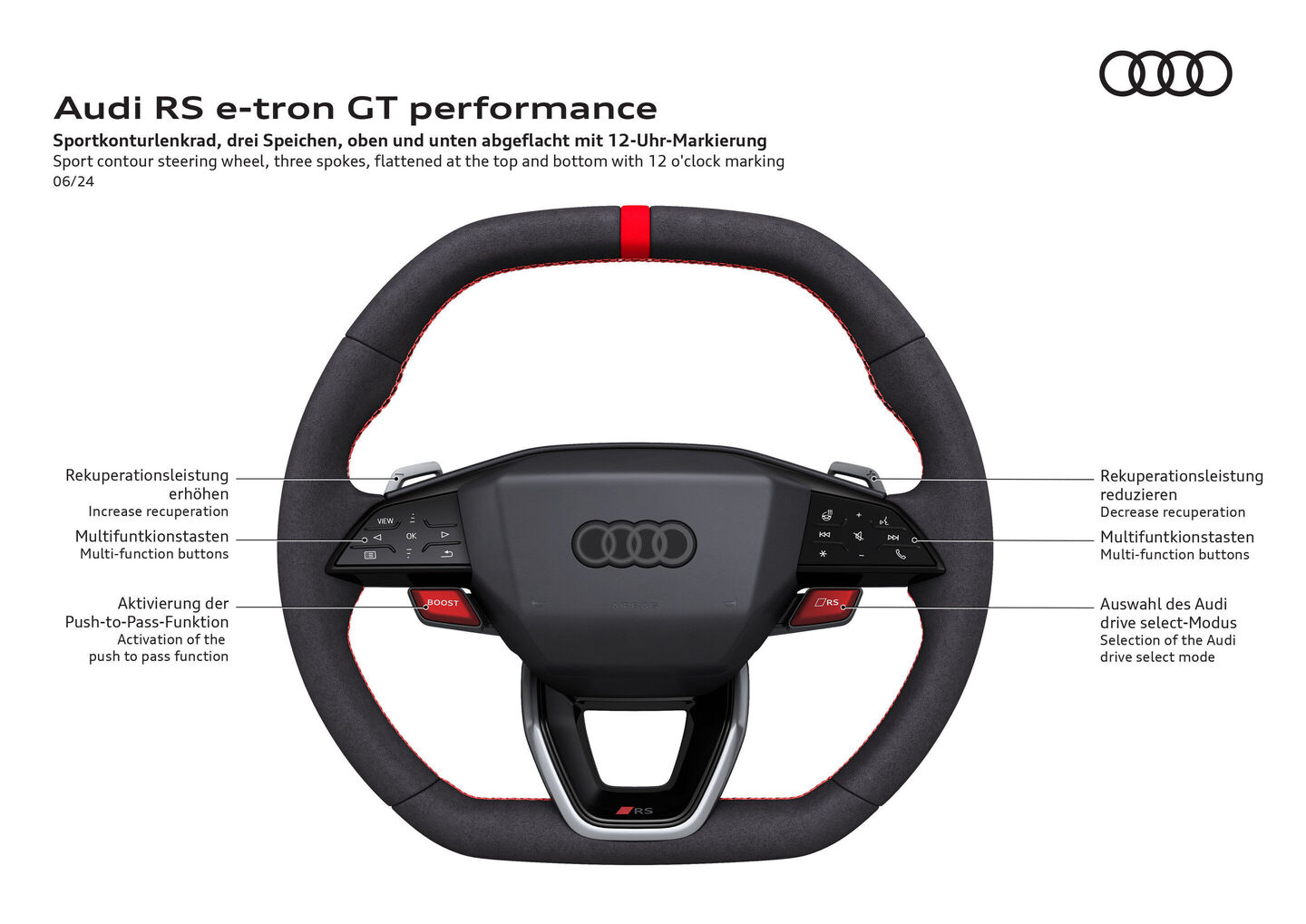
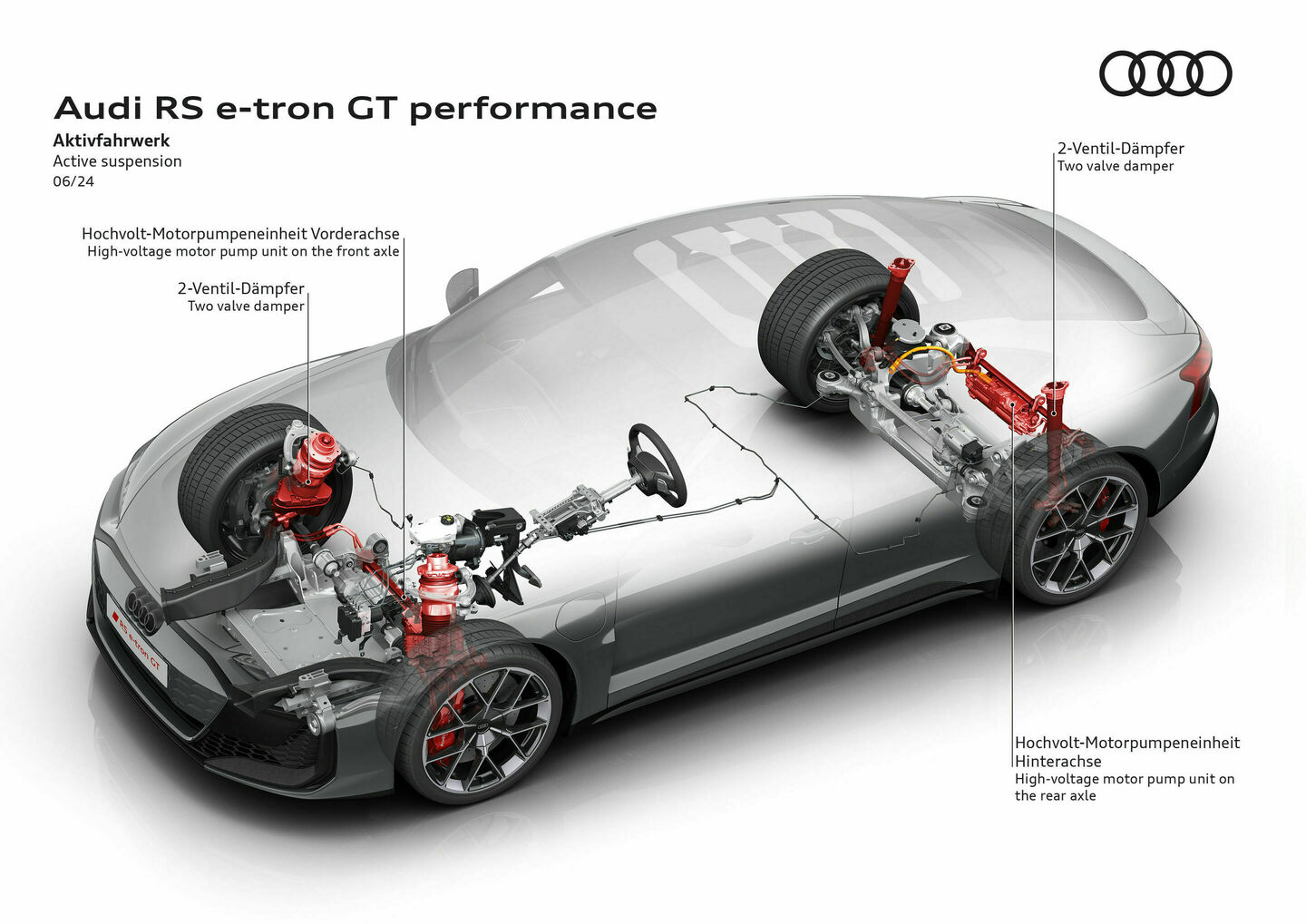
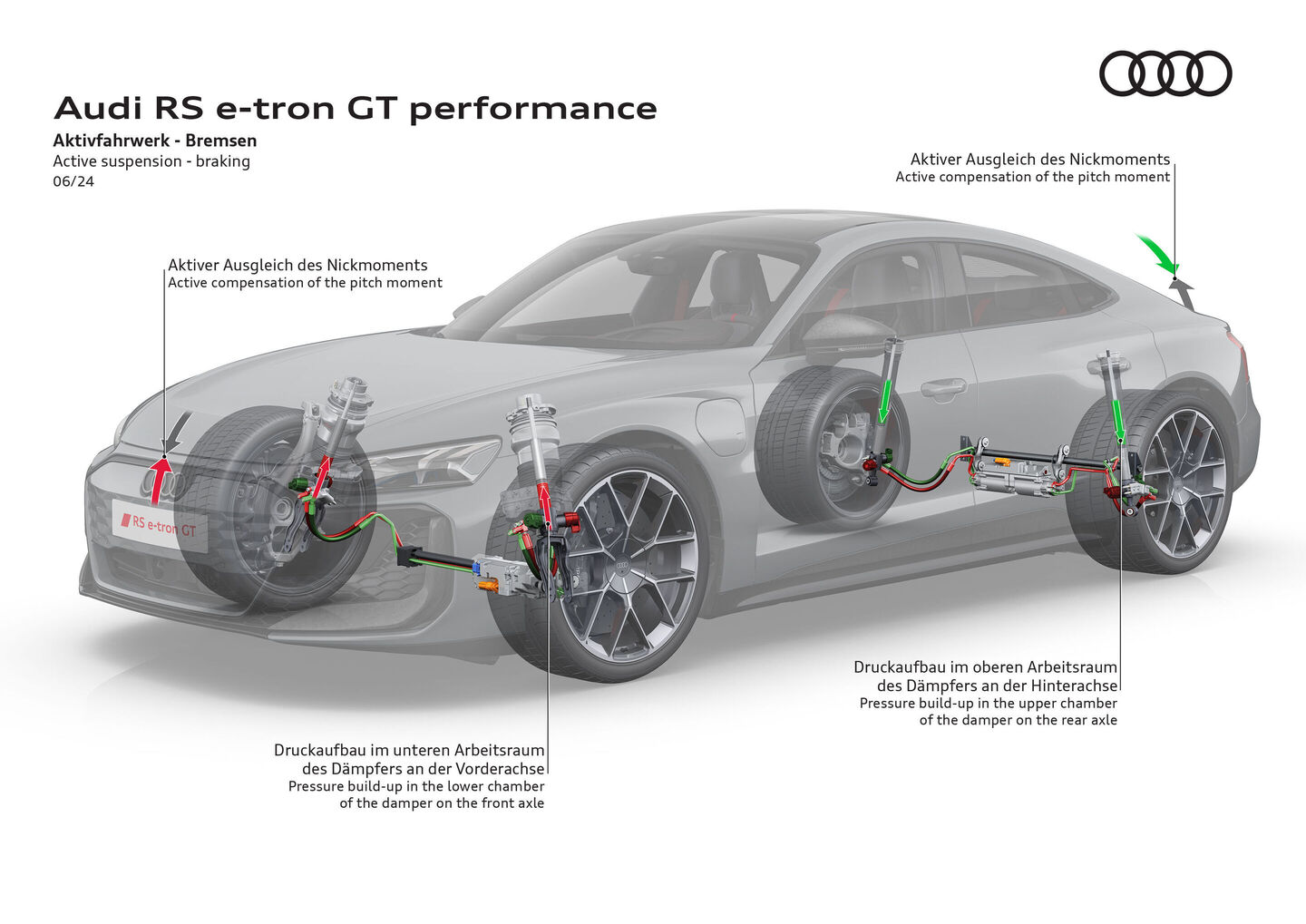
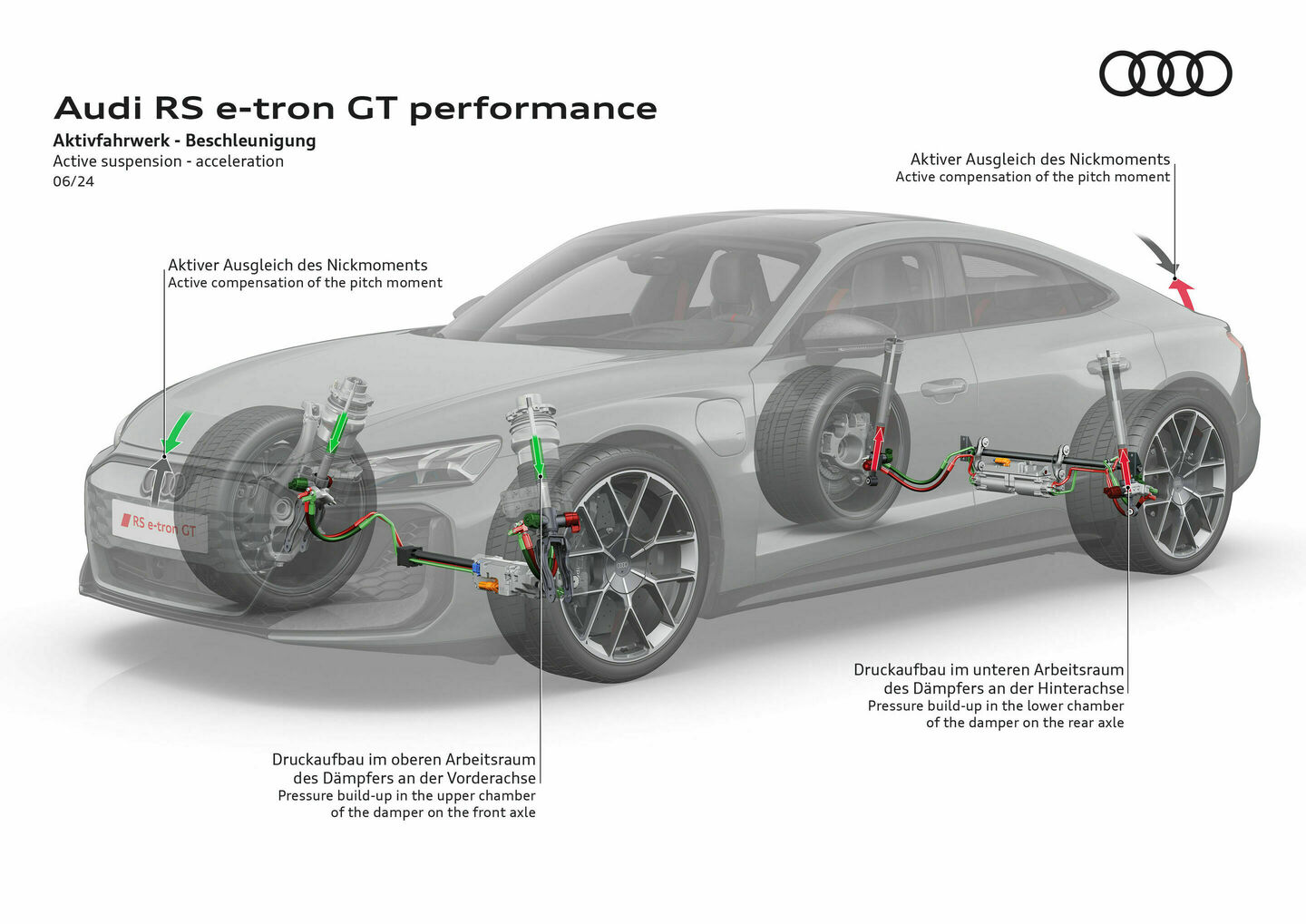
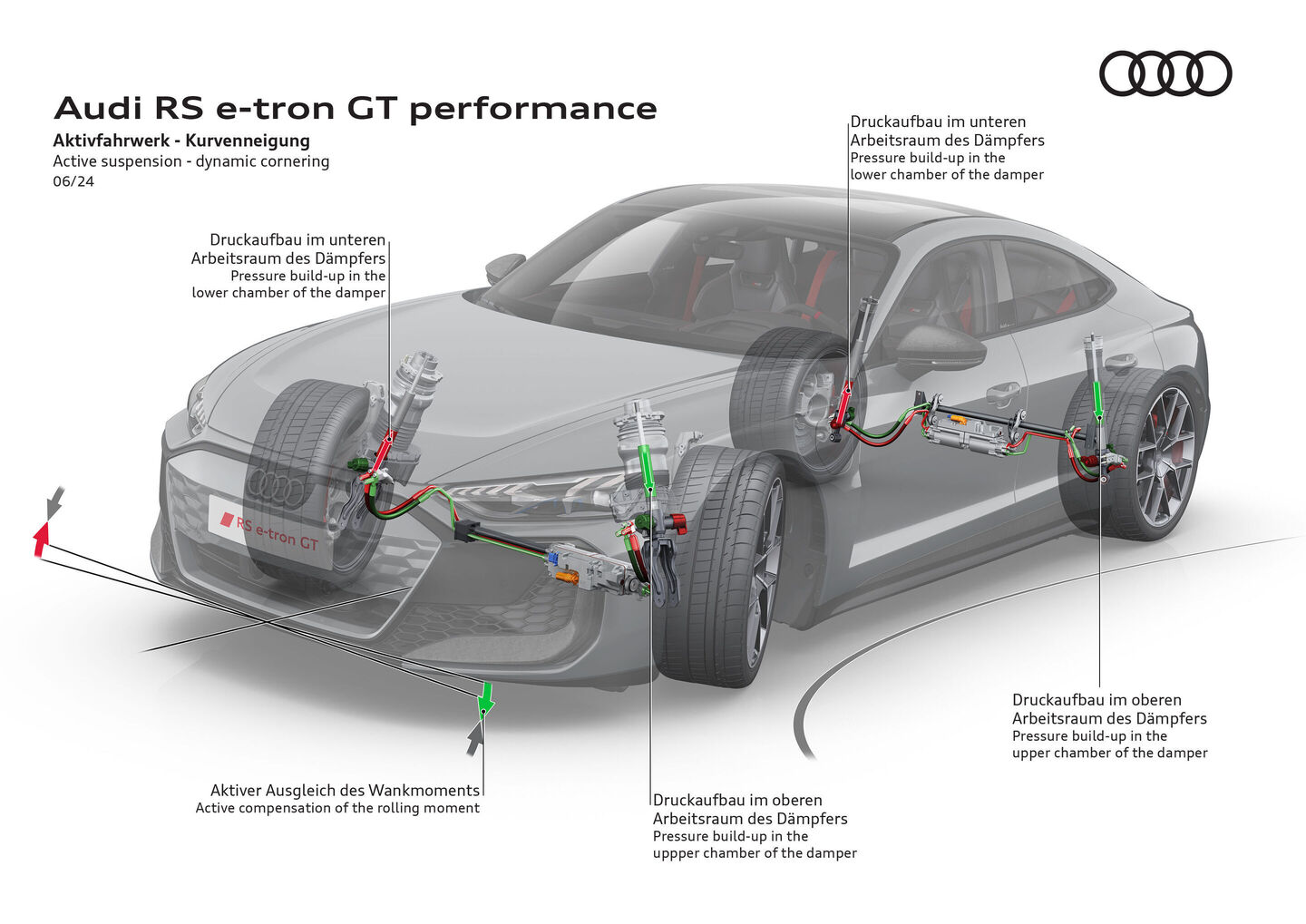
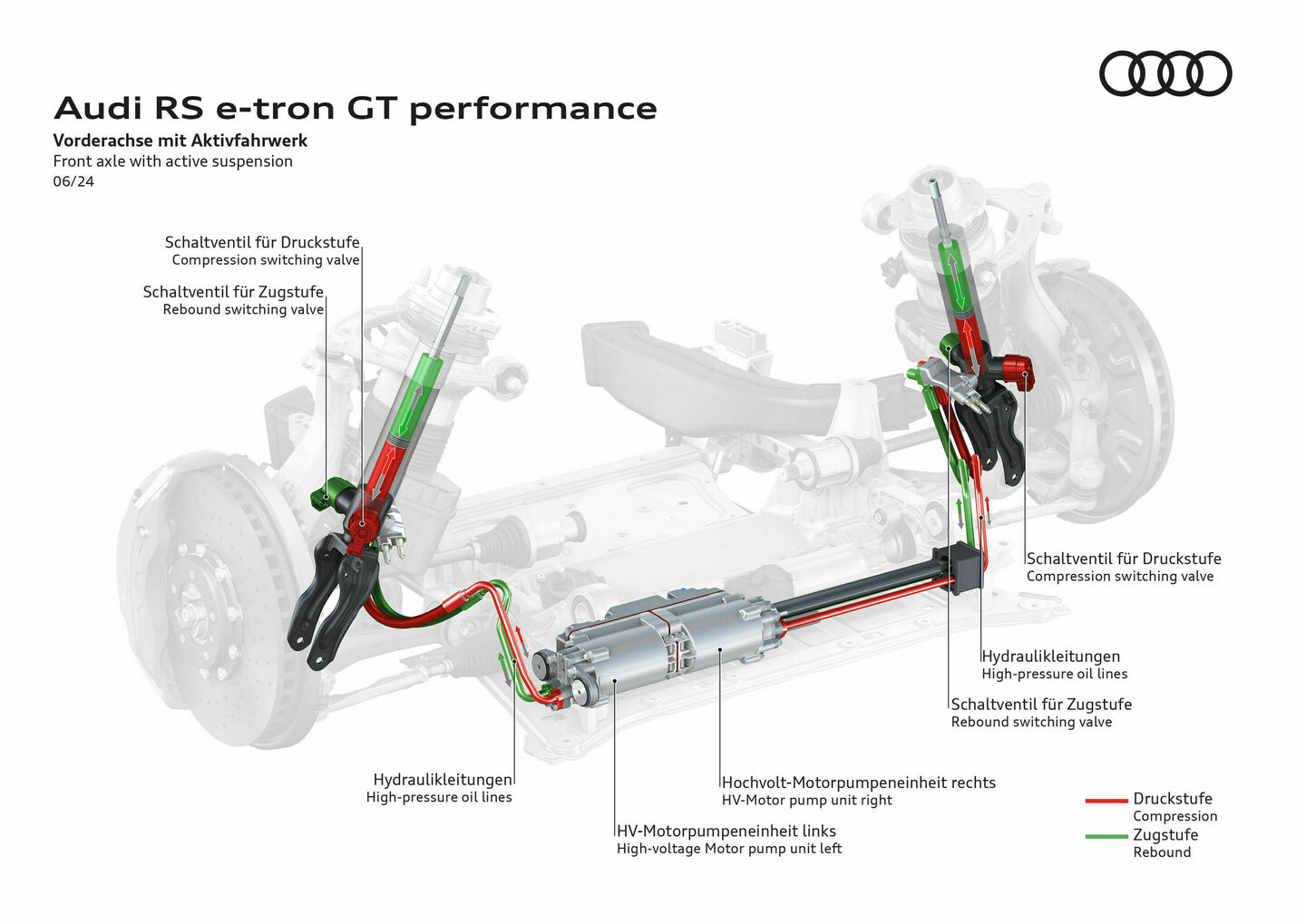
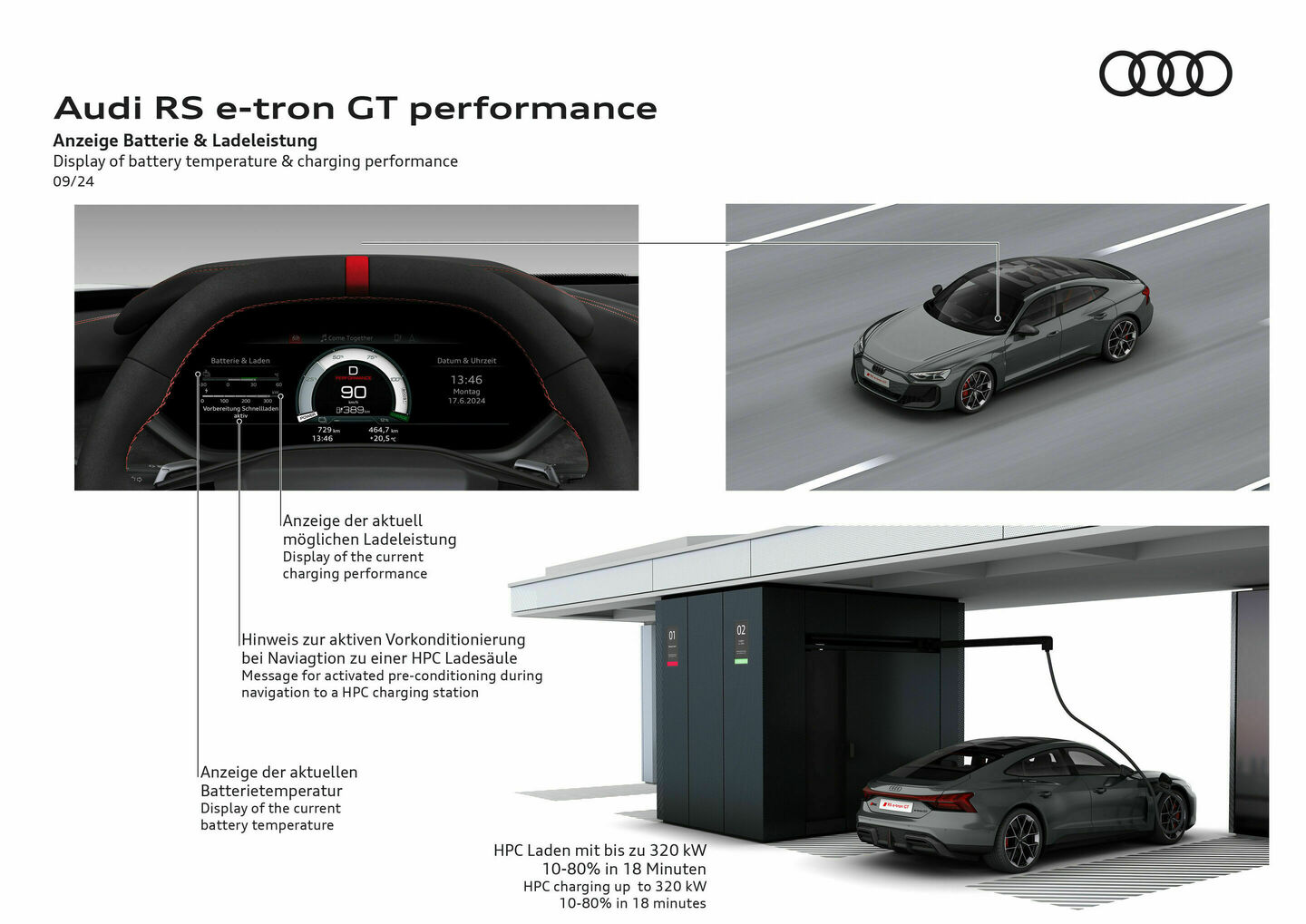
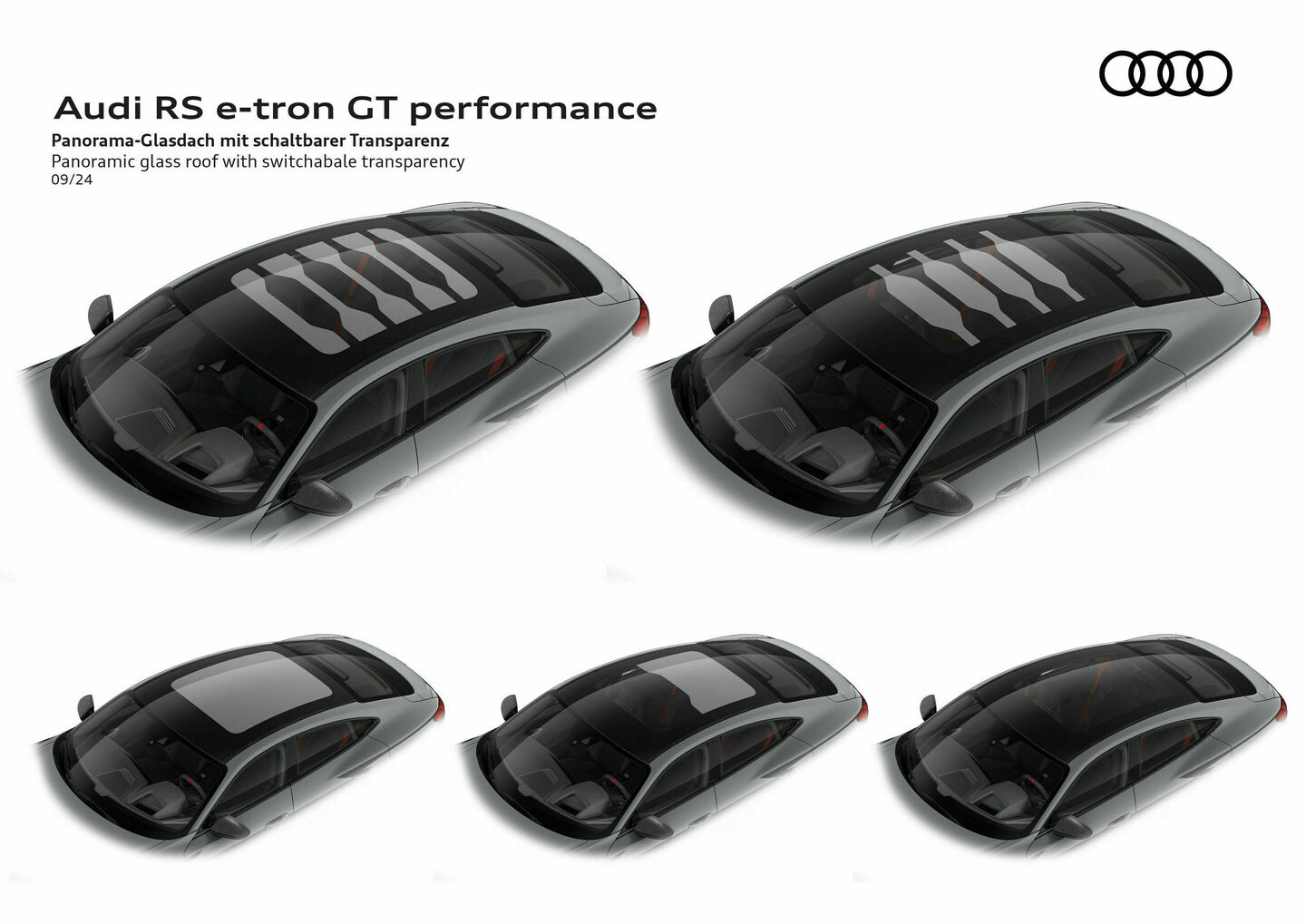
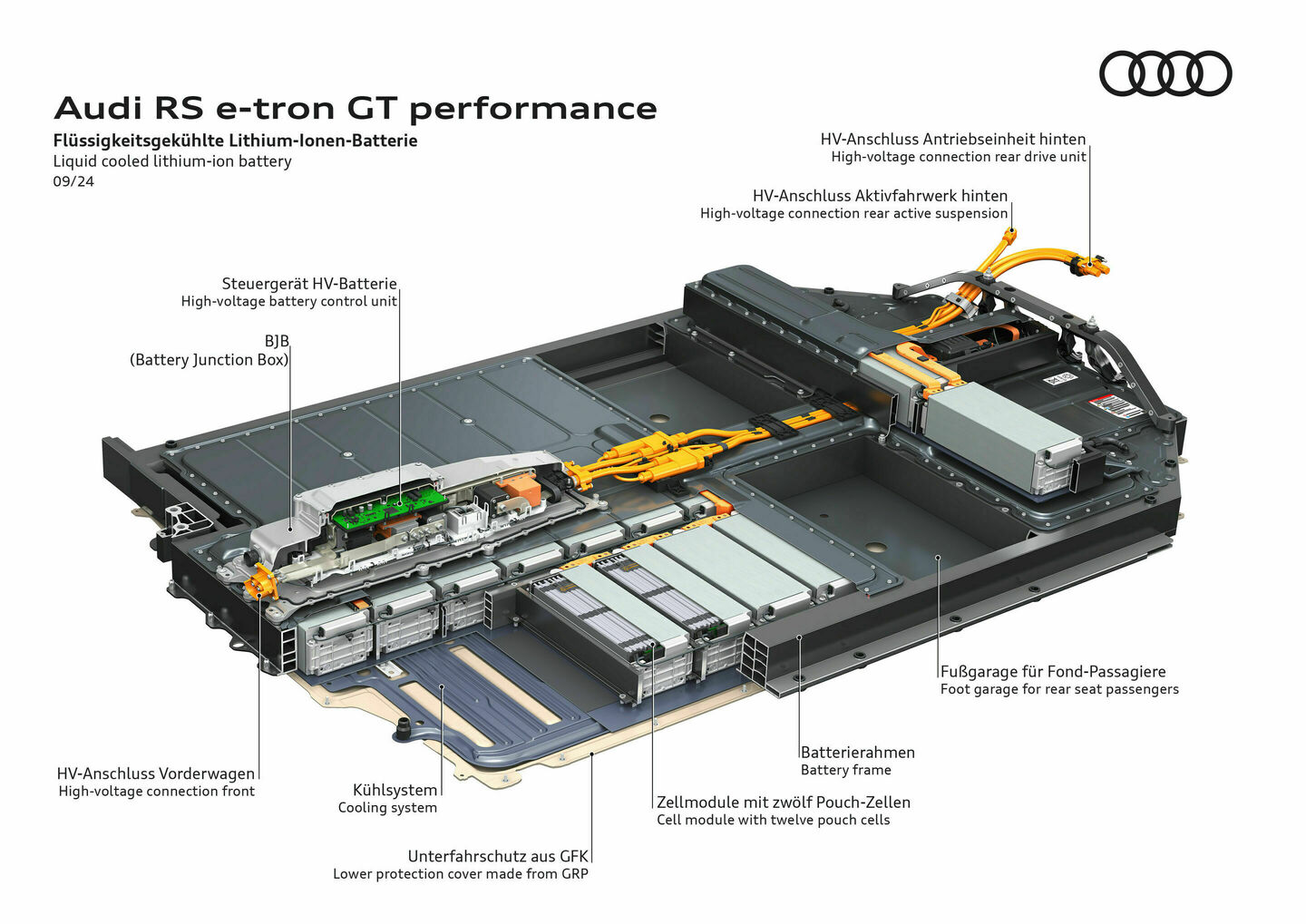
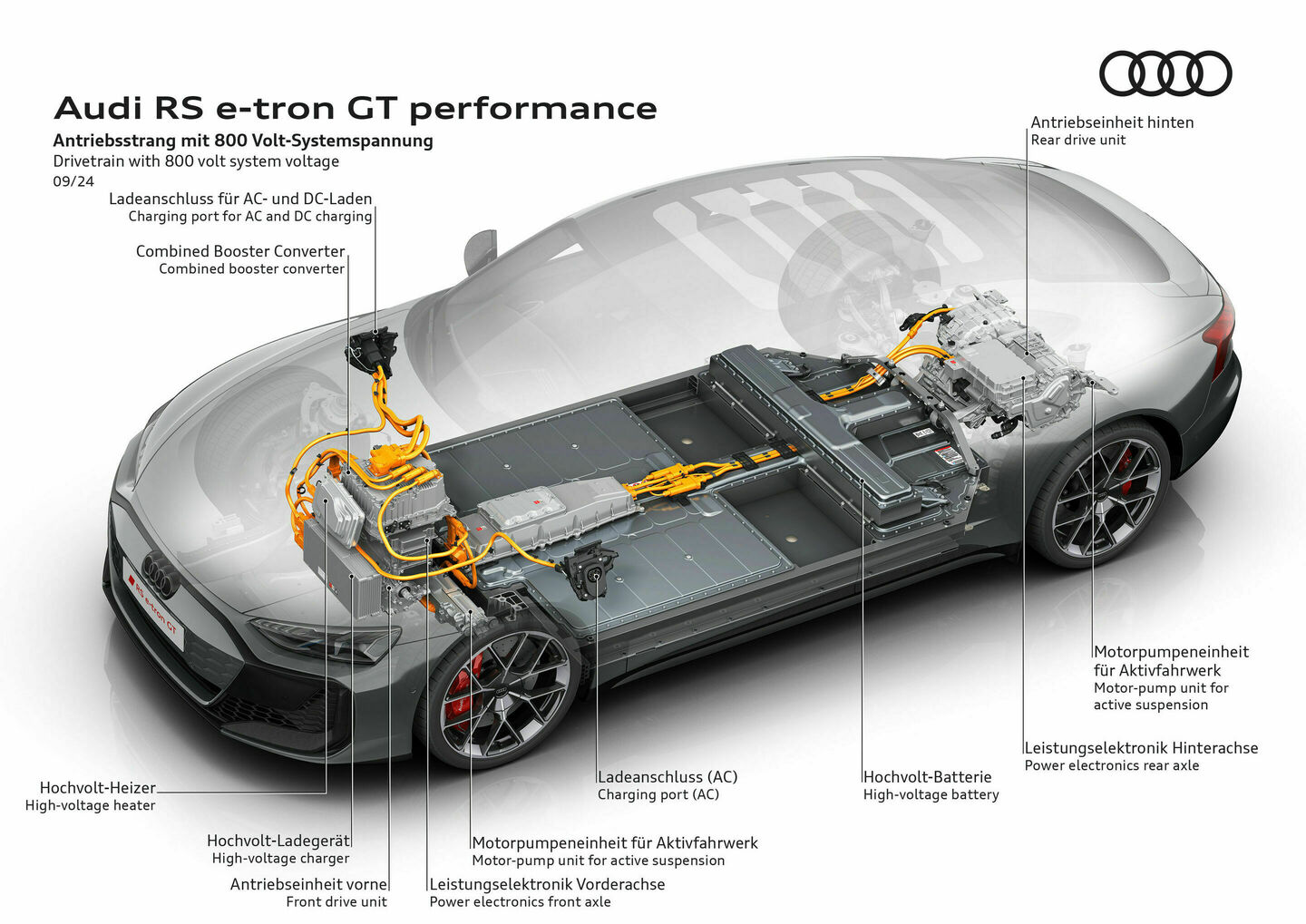
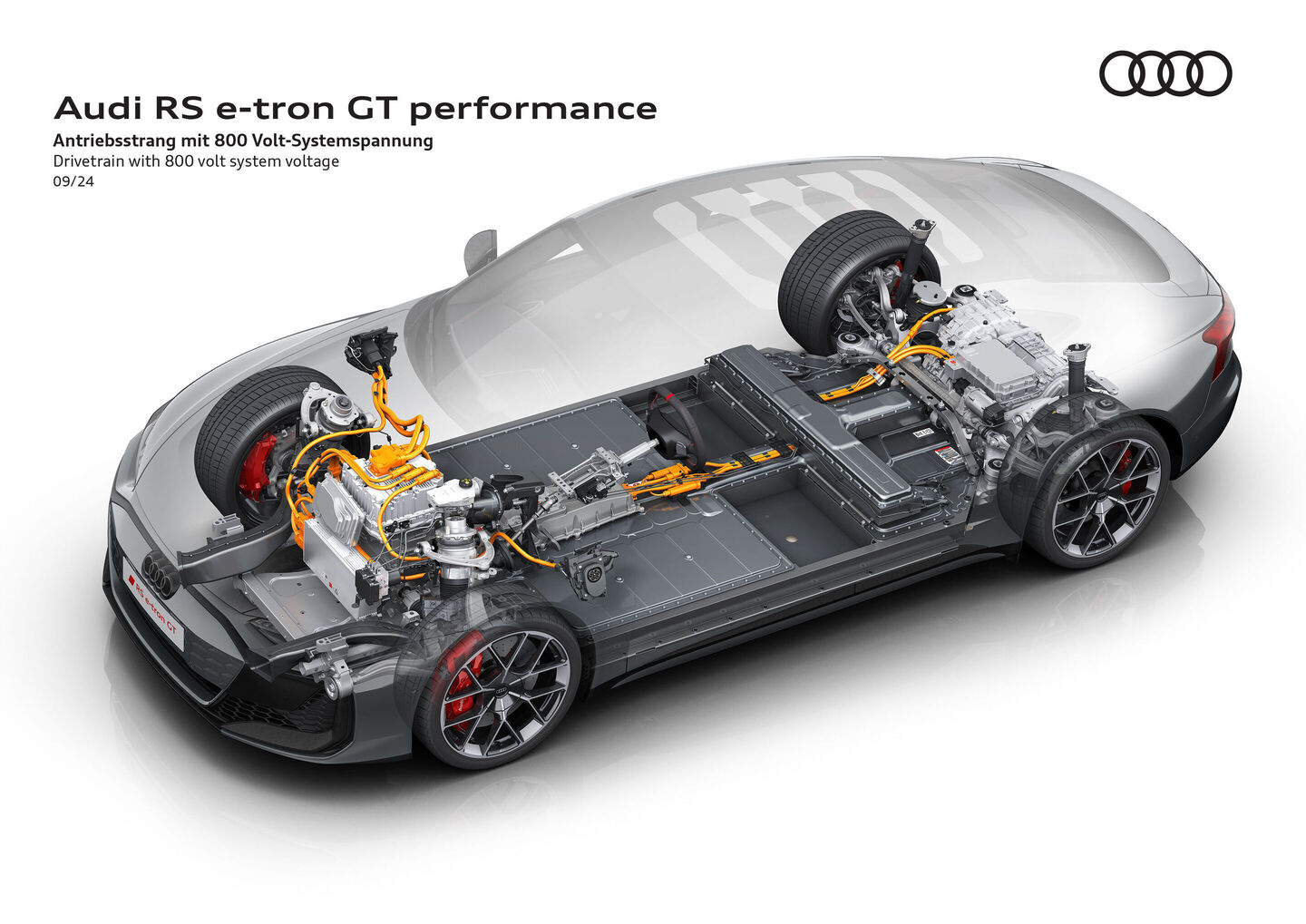
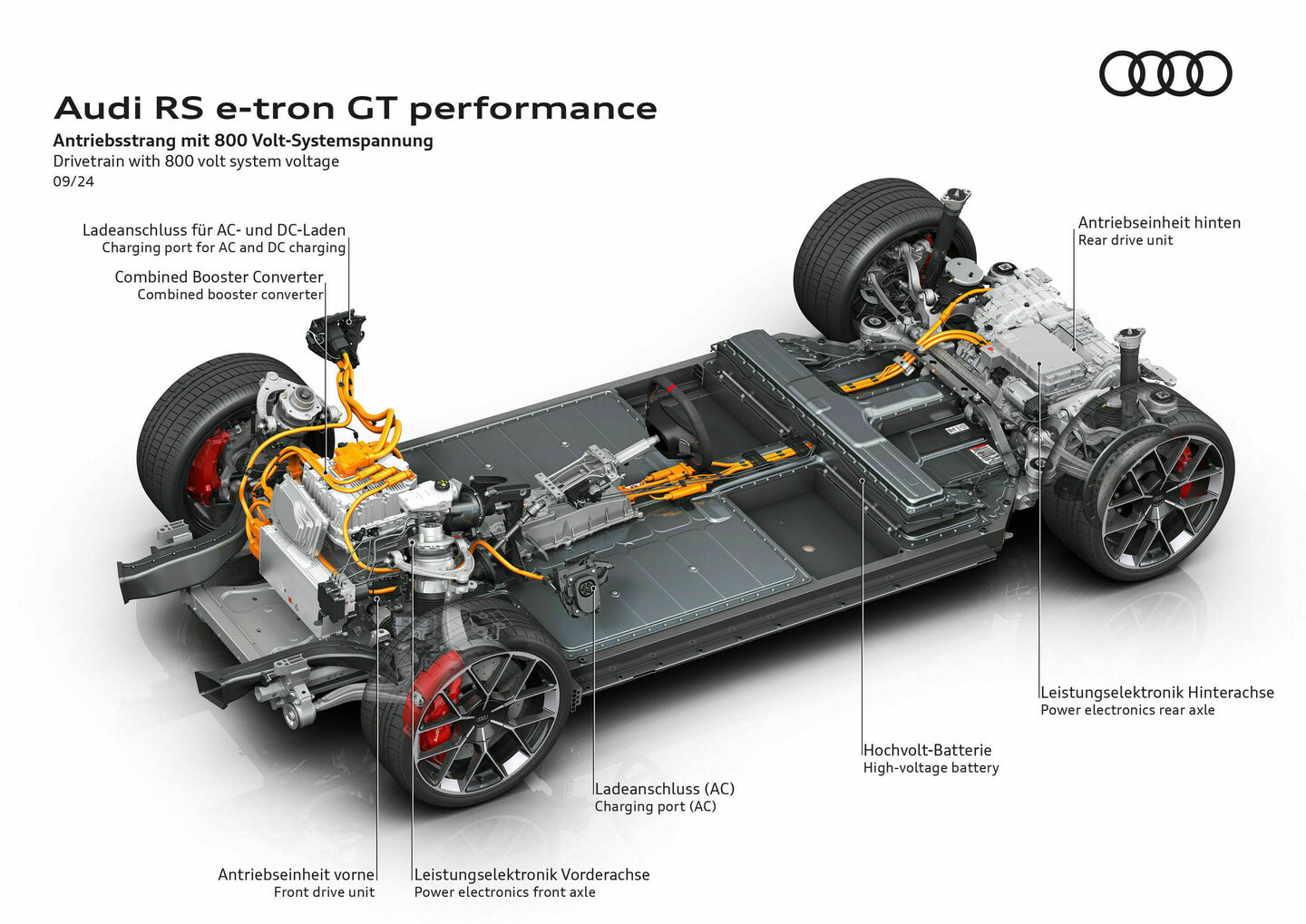
Image source and rights: AUDI AG. The official album states that the images are available for editorial use. Always review the source page and your publication rights before commercial reuse.
Watch the official dynamic trailer
Audi MediaTV published a dynamic trailer showing the RS e-tron GT performance on the move and in exterior detail. The responsive player below uses the official Audi video source. If playback is unavailable in your editor, open the official Audi MediaTV trailer page.
Frequently asked questions about the Audi RS e-tron GT performance
How powerful is the Audi RS e-tron GT performance?
Audi states a maximum system output of up to 680 kW, or 925 PS, when Launch Control uses available resources from the battery and electric motors.
What is the battery capacity?
The official release lists 105 kWh of gross storage capacity and 97 kWh of net capacity.
How quickly can it charge?
Audi states that the battery can charge from 10 to 80 percent in 18 minutes at a suitable high-power charging station under ideal conditions. Maximum charging power is listed at 320 kW.
What does push-to-pass do?
Push-to-pass adds 70 kW for up to 10 seconds at speeds above 30 km/h. Audi says the function requires at least 10 seconds of regeneration before it can be used again.
Does the RS e-tron GT performance have active suspension?
Two-chamber, two-valve air suspension is standard. Audi also offers an optional wheel-selective active suspension system.
What is RS performance mode?
It is an exclusive driving mode for the top model that adjusts torque control, anti-slip control, torque vectoring, suspension, aerodynamics, and cooling for demanding roads and circuits.
How much did the RS e-tron GT performance cost when announced?
Audi listed a starting price of 160,500 euros in the September 2024 media release. Current market pricing and equipment should be confirmed locally.
Where is the Audi RS e-tron GT performance built?
It is built at Böllinger Höfe, Audi Sport GmbH's small-series production facility at the Neckarsulm site.
Conclusion
The Audi RS e-tron GT performance is defined by the way its systems support one another. The 925 PS headline attracts attention, but the battery chemistry, four-circuit thermal management, 320 kW charging, temporary push-to-pass boost, RS performance mode, suspension choices, and tire strategy explain why Audi treats it as a complete performance program rather than a simple power upgrade.
It also carries a clear production and design identity. Carbon camouflage, Bedford Green, specialized digital displays, a configurable sound experience, and Böllinger Höfe craftsmanship make the model more distinctive than a conventional trim level. Still, buyers should verify current pricing, equipment, charging access, and availability in their own market.
Would you choose comfort, range, or maximum grip?
Tell us which RS e-tron GT performance setup you would choose, and follow AutoNewsLine's electric vehicle coverage for more premium EV analysis.


