

BYD Han EV: Luxury Electric Sedan Guide to Trims, Range, Blade Battery Tech, and Key Features
The BYD Han EV is positioned as a flagship style electric sedan that blends premium design, a tech heavy cabin, and a long list of driver assistance features. This guide rewrites and expands the official model overview into a clearer, more buyer friendly article with practical context, clean tables, and an FAQ built for search.
Key takeaways
- Two trims are highlighted on the BYD USA page: Han Flagship and Han Premium, with different drivetrains and driver assist levels.
- Official materials list a Blade Battery (LFP), plus charging support including 6.6 kW AC, 120 kW DC, and Vehicle to Load capability on the spec sheet.
- Range and performance numbers can depend on the test cycle. Some official figures reference NEDC, which is not the same as EPA labeling used in the United States.
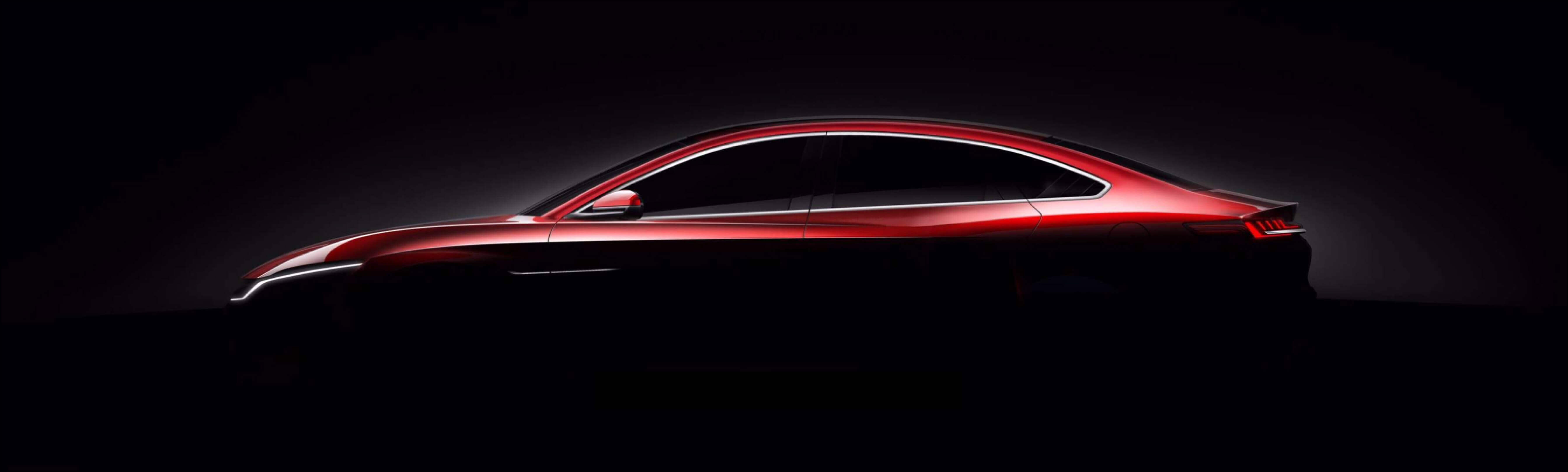
Important note for US readers: the official BYD USA Han EV page and spec sheets may show global or region dependent configurations. Always verify the exact trim, charging port type, and driver assistance package for your market before making decisions.
Quick overview: what the BYD Han EV is trying to be
BYD presents the Han as an electric sedan built around three ideas: luxury feel inside, aerodynamic efficiency outside, and a broad safety and driver assistance feature set. The official page emphasizes flowing body curves for efficiency and a premium cabin built with upscale materials and large displays.
If you follow the premium EV space, you will notice that many buyers cross shop this type of sedan with other tech forward electrics. For a broader look at the premium EV landscape, see our internal overview of the top electric vehicles and the luxury sedan segment.
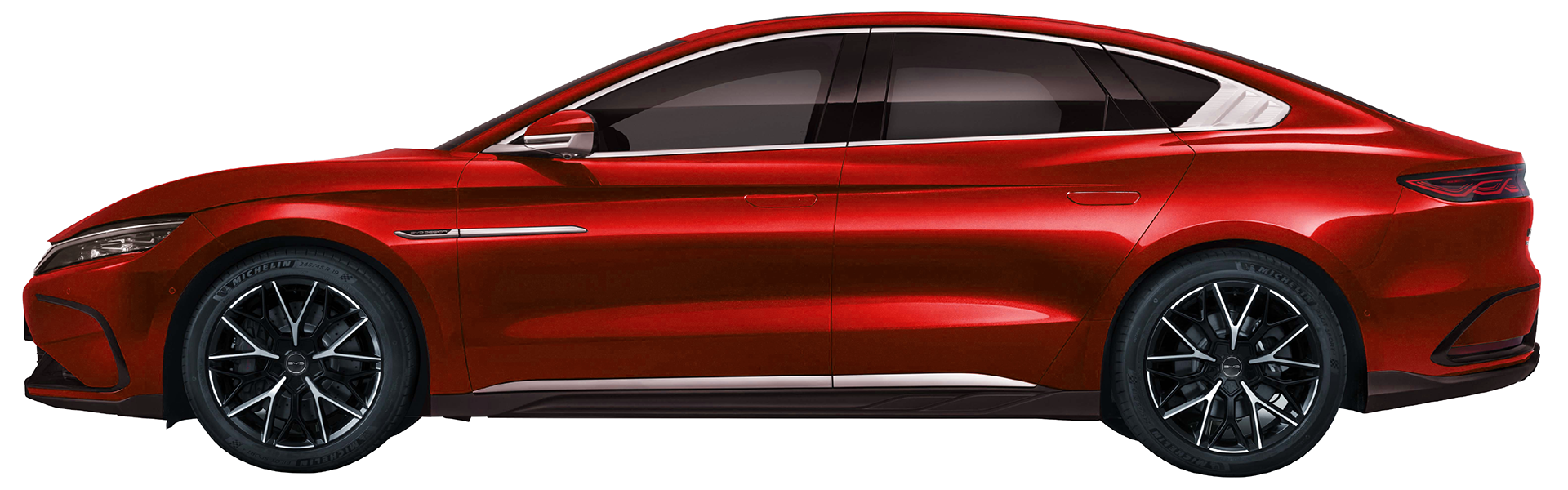
BYD Han EV trims: Premium vs Flagship
The BYD USA page highlights two trims and focuses on the shopping essentials: drivetrain, driver assistance coverage, range, and acceleration.
| Trim | Drivetrain (as listed) | Driver assistance (as listed) | Range (as listed) | 0 to 60 mph (as listed) |
|---|---|---|---|---|
| BYD Han Flagship | All wheel drive | Complete BYD intelligent driving system | 375 miles | 3.9 seconds |
| BYD Han Premium | Forward wheel drive | Limited BYD intelligent driving system capabilities | 341 miles | 4.2 seconds |
Tip: Treat published range numbers as a starting point, then adjust expectations based on speed, climate, wheel size, and the test cycle used for the label in your region.
Design and aerodynamics: why BYD keeps talking about curves
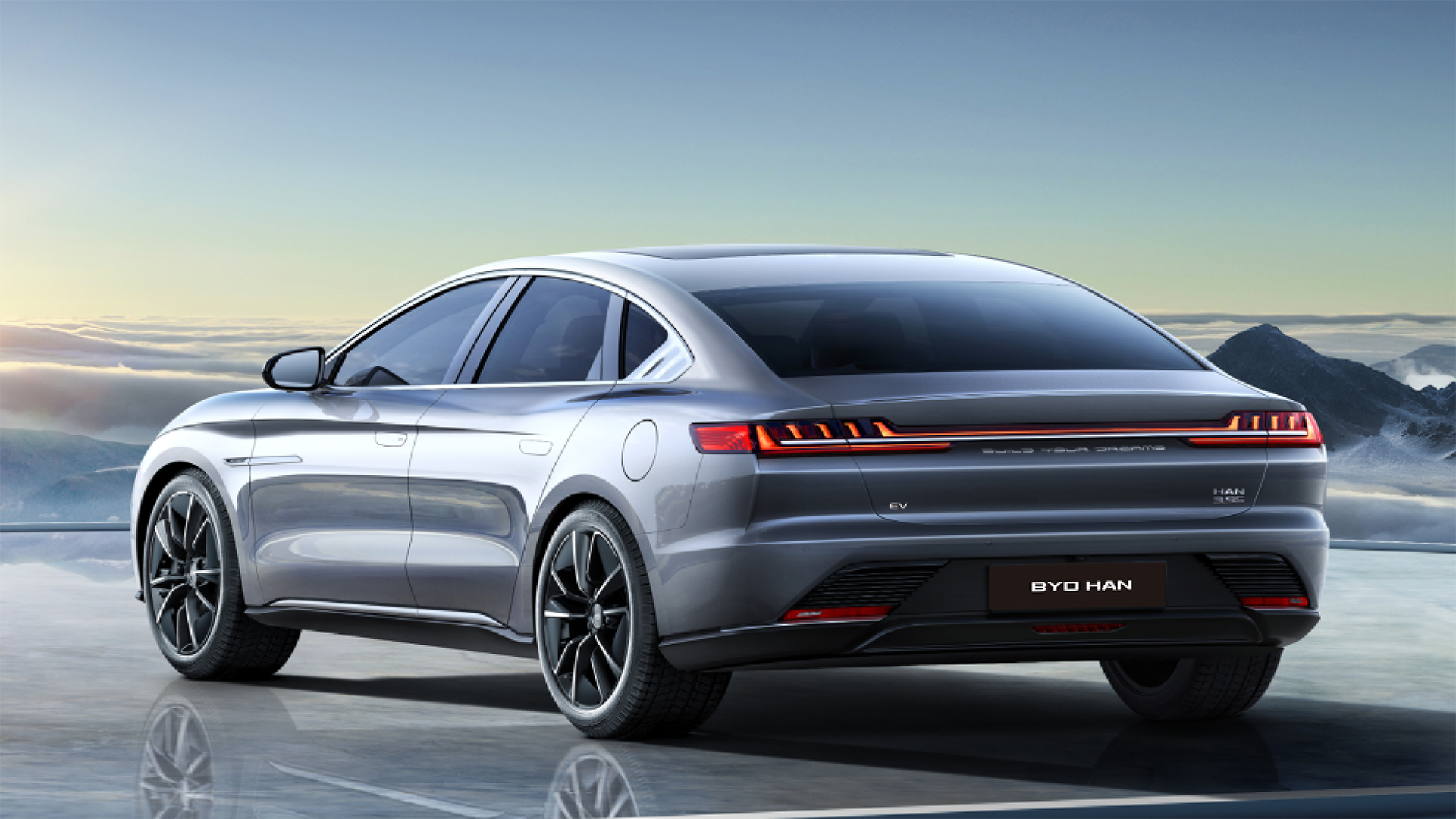
BYD frames the Han EV exterior as efficiency driven design, where body curves support a low drag profile and help increase driving range. In plain terms, lower aerodynamic drag usually matters most at highway speeds, where air resistance dominates energy use.
Interior and tech: screens, materials, and rear seat control
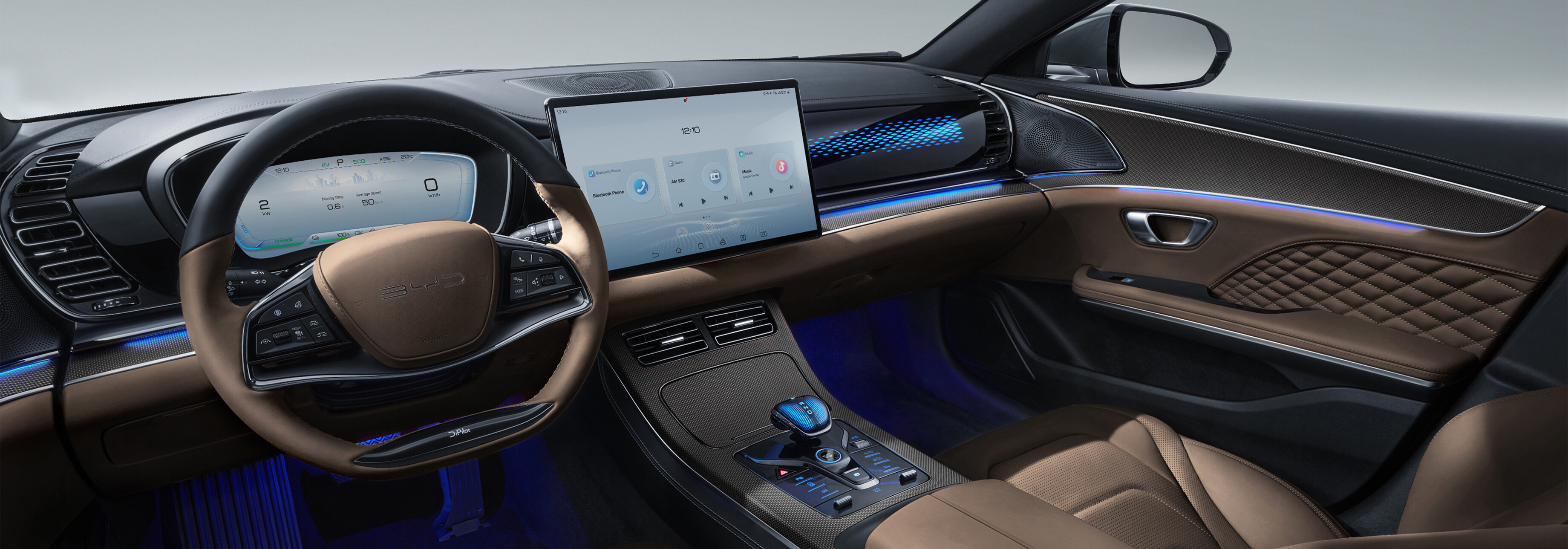
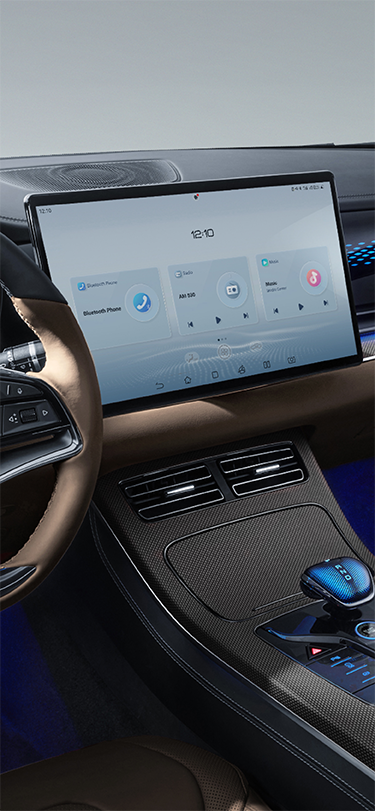
Inside, the official page focuses on a clean luxury theme with real materials and large displays. Expect a digital instrument panel plus a prominent rotating center screen, and premium trim callouts like wood, leather, and metallic accents.
Cabin highlights called out by BYD
- 12.3-inch instrument cluster
- 15.6-inch rotational touchscreen
- Carbon fiber style center console trim
- Rear armrest control pad for passenger comfort functions (seat adjustment, sunroof, ambient light, and climate controls)
If you are also tracking other BYD models and how their cabins and driving feel compare, our internal review of the BYD Dolphin Surf is a useful contrast because it shows how BYD approaches value focused EVs versus premium oriented ones.
Video: BYD Han EV walkaround and review
Prefer a visual tour before reading deeper specs? Here is a YouTube review that uses the keyword BYD Han EV, embedded responsively for mobile.
Driver assistance and safety features explained in plain English
The BYD page and official spec materials list a wide set of safety and convenience technologies. Below are the ones buyers most often search for, plus what they generally do in real driving.
Core features mentioned in official materials
- Intelligent Cruise Control (ICC): a cruise system aimed at smoother speed control support.
- Adaptive cruise control with stop and go: can help maintain distance and handle slowdowns.
- Lane departure warning and lane centering control: alerts if you drift and can support lane positioning depending on configuration.
- Traffic sign recognition: can read speed limits and signs in some conditions.
- Automatic emergency braking and forward collision warning: can warn and brake if a collision risk is detected.
- Blind spot detection and door open warning: can help spot vehicles or cyclists in risky zones.
- Adaptive front lighting or adaptive lighting: adjusts headlight behavior to improve night visibility.
Practical reminder: Driver assistance features vary by trim, market, and software version. Always confirm the exact feature list in the official configuration for your region.
Battery, charging, and power features: what is officially stated
Blade Battery and LFP chemistry
Official BYD materials describe the Han EV as using the Blade battery with LFP chemistry. BYD also highlights Blade Battery safety messaging, including nail penetration testing claims in its company materials.
Charging and power export (V2L)
In the official spec sheet, BYD lists:
- 6.6 kW AC charging
- 120 kW DC charging
- Vehicle to Load discharging function, often described as using the car as a mobile power source
- Charging reservation function
If you are curious how BYD applies its battery and electrification approach across different powertrain types, our internal deep dive on plug in hybrid strategy in the BYD Sealion 6 guide is helpful, especially for understanding the role of LFP batteries and electric first driving feel.
Official dimensions and a few key specs (from BYD spec sheet)
BYD provides a detailed specification and configuration sheet for the Han. Here are a few buyer relevant highlights that are explicitly listed in that official PDF.
| Spec | Official value (as listed) | Why it matters |
|---|---|---|
| Battery type | Blade battery, LFP | LFP chemistry is widely associated with durability and thermal stability. |
| Battery capacity | 85.4 kWh | Capacity is one factor behind range and charging time expectations. |
| NEDC mileage after full charge | 602 km | Test cycles differ. NEDC values can be higher than EPA labels. |
| 0 to 100 km per hour acceleration | 3.9 seconds | Quick acceleration is part of the Han EV performance positioning. |
| Length, width, height | 4,995 x 1,910 x 1,495 mm | Helps you judge garage fit and cabin proportions. |
| Wheelbase | 2,920 mm | Wheelbase often correlates with rear legroom and ride stability. |
Range numbers: how to interpret them without getting misled
This is where many EV shoppers get burned: the same car can show different range numbers depending on the test cycle. In the United States, the EPA range value is adjusted to account for real world factors not represented in lab tests, then combined using a weighted method (55 percent city and 45 percent highway for the combined label value).
In contrast, some official BYD materials reference NEDC, and Europe shifted from NEDC toward WLTP starting in September 2017. That is why you should avoid direct comparisons between NEDC range claims and EPA label range.
Simple buyer rule: If you only have NEDC range available, treat it as an optimistic headline. For planning, build in buffer for highway speed, cold weather, and fast charging availability.
Market context for readers in the United States
Many readers land on the Han EV page and ask a practical question: can you buy it in the United States today? Multiple recent reports note that BYD passenger cars are not sold through a normal US retail pathway, and trade barriers like steep tariffs have been cited as part of why Chinese EVs have not entered the US consumer market in the same way they have in other regions.
Pros and cons (based on official positioning and listed features)
Pros
- Premium cabin theme with large screens and upscale materials
- Strong driver assistance feature list in official materials
- Blade Battery LFP positioning with safety focused messaging
- Vehicle to Load capability listed in the spec sheet
Cons
- Range figures can be confusing across test cycles (NEDC vs EPA)
- Features and charging port types can vary by market
- US retail availability may not be straightforward for most buyers
Who should consider the BYD Han EV (and who should not)
Good fit if you want
- A premium styled electric sedan with a tech forward cockpit
- A trim choice that clearly separates AWD plus more driver assistance from a more basic setup
- V2L functionality for light backup power or outdoor gear use
Pause if you need
- EPA labeled range and an established US dealer and service network
- Guaranteed compatibility with specific charging networks in your region
If your real goal is reducing range anxiety while keeping an electric driving feel, it is also worth understanding EREV and electric first hybrid concepts. Our internal guide on extended range electric vehicles (EREV) breaks down how that approach differs from a pure BEV.
FAQ: BYD Han EV
1) What is the BYD Han EV?
The BYD Han EV is a premium oriented electric sedan presented by BYD as a flagship style model, emphasizing luxury, performance, and safety technology.
2) What is the difference between BYD Han Premium and Han Flagship?
On the BYD USA page, the Flagship trim is listed with all wheel drive, a more complete intelligent driving system, 375 miles of range, and 3.9 seconds 0 to 60 mph. The Premium trim is listed with forward wheel drive, limited intelligent driving capabilities, 341 miles of range, and 4.2 seconds 0 to 60 mph.
3) What battery does the BYD Han EV use?
Official BYD materials list the Blade battery with LFP chemistry, and a battery capacity of 85.4 kWh in the spec sheet.
4) How fast can the BYD Han EV charge?
BYD lists 6.6 kW AC charging and 120 kW DC charging on the official spec sheet for the Han configuration document. Real charging speed can still vary based on temperature, charger type, and battery state of charge.
5) What does Vehicle to Load (V2L) mean on the BYD Han EV?
V2L means the car can provide electrical power to external devices using the vehicles battery, turning it into a mobile power source for certain use cases like tools or outdoor equipment, depending on the region and supported adapters.
6) Are BYD Han EV range figures comparable to EPA range?
Not necessarily. Some official BYD figures reference NEDC, while US buyers are used to EPA adjusted range labels. Test cycles differ, so comparisons should be made carefully.
7) Is the BYD Han EV sold in the United States?
Recent reporting indicates BYD passenger cars are not sold through a typical US consumer retail pathway. Availability can vary by region and policy, so treat the US page as informational unless official US sales channels are confirmed.
References and further reading
- BYD USA: BYD Han EV official page
- BYD Han specifications and configurations (official PDF)
- US EPA: Fuel economy and EV range testing
- European Commission: transition from NEDC to WLTP (background)
CTA: Get more EV guides like this
Want more deep, buyer focused EV breakdowns that separate official facts from test cycle noise? Browse our EV coverage and comparisons, including the TOGG T10F electric sedan guide for another long form example of how we evaluate range and specs.


