

Mitsubishi Eclipse Cross EV Just Got Way Cheaper With New Batteries and Up to 650 km Range
Key takeaways
- Orders open: Updated Eclipse Cross EV available to order in Europe from November 2026.
- New entry battery: 67 kWh LFP pack with up to 472 km WLTP range (about 293 miles).
- Long-range upgrade: 89 kWh NMC pack replaces the old 87 kWh unit and claims up to 650 km WLTP (about 404 miles).
- Big price move (Netherlands example): Mid-Range from €32,990 (about $38,300) including a €3,000 electric benefit. Entry point is about €12,700 lower than last year’s intro price.
- Powertrain: Single front motor rated at 220 hp across both packs. Design and dual 12.3-inch Google-based cabin stay the same.
- Market note: This EV generation is for Europe. The United States still has the older gasoline Eclipse Cross.
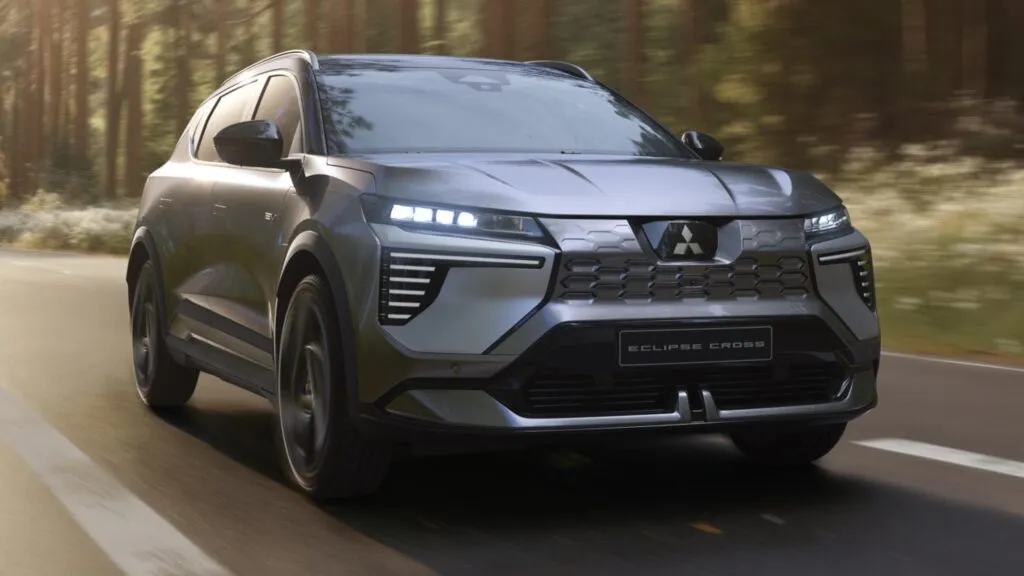
The electric Eclipse Cross you cannot buy in America just got more practical
One year after its European debut, the fully electric Mitsubishi Eclipse Cross has received a meaningful under-the-skin update rather than a styling refresh. The changes mirror technical upgrades on its French twin, the Renault Scenic E-Tech, and they are aimed squarely at price, range choice, and charging time.
For shoppers in Europe, the story is simple: a cheaper mid-range LFP battery joins the lineup, the long-range pack grows slightly, and the entry price in at least one key market has fallen hard. For shoppers in the United States, the story is different. The new-generation electric Eclipse Cross remains a Europe-focused product, while North America continues with the older gasoline model and separate electrification plans.
That “available there, not here” tension is increasingly common in the EV world. We have covered similar market-access gaps in depth with models such as the Volvo ES90 electric sedan, where strong product credentials do not automatically equal broad availability.
What changed: batteries, range, and charging at a glance
Mitsubishi Motors Europe confirmed two battery paths for the updated Eclipse Cross BEV. Both are scheduled to be orderable from November 2026. Official materials state both variants deliver 220 hp, support AC charging at 11 kW with optional 22 kW depending on market and trim, and offer towing capacity up to 1,100 kg.
| Item | Mid-Range | Long-Range |
|---|---|---|
| Battery | 67 kWh LFP | 89 kWh NMC (was 87 kWh) |
| Claimed WLTP range | Up to 472 km (293 miles) | Up to 650 km (404 miles) |
| Previous long-range context | New option | Previously up to about 635 km on 87 kWh |
| DC charge 15% to 80% | About 24 minutes (peak about 165 kW reported) | About 28 minutes (peak about 150 kW reported) |
| Motor | Single front-mounted motor, 220 hp | |
| AC charging | 11 kW standard; 22 kW optional (market and trim dependent) | |
| Towing | Up to 1,100 kg | |
Note: WLTP is a laboratory cycle. Real-world range varies with speed, weather, load, wheels, and driving style. Range and consumption can also vary by market and trim.
Why the new 67 kWh LFP pack matters
The headline addition is the smaller 67 kWh lithium iron phosphate battery. Mitsubishi positions it for urban and suburban drivers who want a lower entry price and still want solid everyday range. Official figures put WLTP range at up to 472 km, with a 15% to 80% DC top-up in about 24 minutes.
The same LFP unit is already used on the facelifted Renault Megane E-Tech, which underlines how closely Alliance engineering is shared. LFP chemistry is widely chosen for cost, thermal stability, and cycle life in high-volume EVs. If you want broader context on how LFP packs are reshaping affordable European electric cars, our deep dive on the Leapmotor B05 LFP battery strategy shows how mid-size packs and aggressive pricing are colliding in the same segment.
Reporting on the Scenic and Eclipse Cross updates also notes cell-to-pack style packaging for the LFP module, which helps energy density without changing the exterior sheet metal.
Long-range pack: 87 kWh becomes 89 kWh and 650 km WLTP
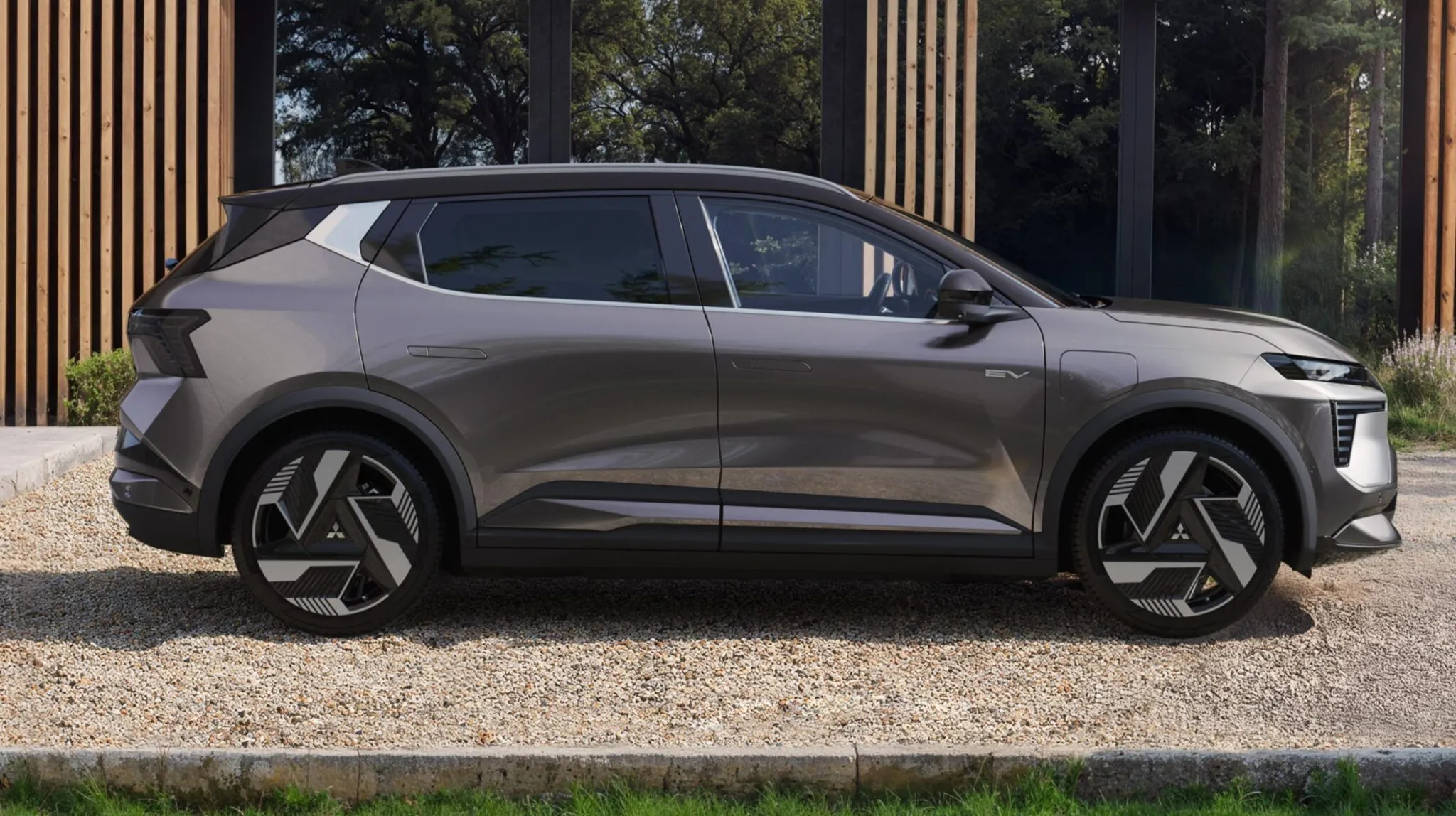
The larger battery keeps nickel manganese cobalt chemistry but grows from the original 87 kWh to 89 kWh. Mitsubishi says maximum WLTP range rises to up to 650 km, versus about 635 km before. That is a modest capacity bump with a useful range claim increase of about 15 km in Carscoops’ reporting, and about 15 km versus the prior 635 km figure in technical coverage.
Charging also improves on paper. The 15% to 80% DC session is quoted at about 28 minutes, described as up to nine minutes faster than before, with peak DC power around 150 kW in detailed reports.
For many European households, the practical question is not “maximum brochure range.” It is whether weekend trips need fewer stops, and whether the mid-range LFP already covers the weekday commute with margin. Mitsubishi’s own framing is lifestyle choice: pick the pack that matches how you actually drive.
Power, cabin, and design: what stays the same
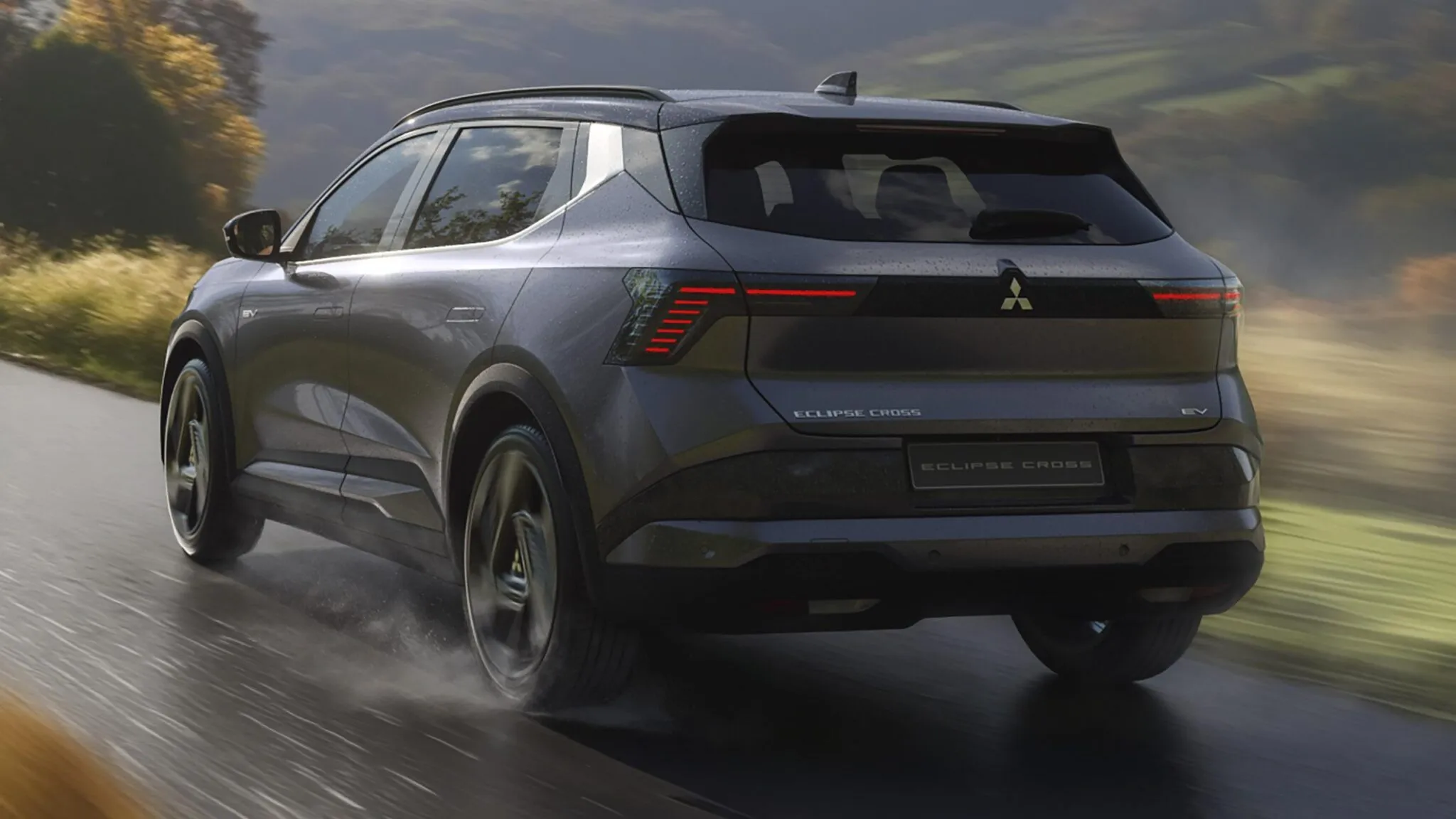
Mitsubishi did not restyle the car for this update. Exterior design carries over, which keeps brand recognition high but also means the visual novelty window has closed. Inside, the dual 12.3-inch display layout remains, running Renault’s Google-based infotainment software.
Power comes from a single front-mounted electric motor. Official update materials list 220 hp for both battery variants. Earlier launch coverage around the first European model year quoted roughly 215 to 220 hp class output depending on rounding and reporting, with Carscoops noting a small increase versus the prior figure.
Shared Alliance DNA is the big picture. The second-generation Eclipse Cross is closely related to the Renault Scenic E-Tech and sits on the AmpR Medium / RG Medium family of platforms used across several Renault Group and Alliance EVs. Built in France, it is part of Mitsubishi’s broader Europe strategy of Alliance-sourced products rather than fully unique local architecture.

Netherlands pricing shows how sharp the cut is
Pricing will vary by country, incentives, and trim. Carscoops’ market snapshot for the Netherlands is the clearest public example so far:
- Cheapest Mid-Range with the 67 kWh battery: from a discounted €32,990 (about $38,300), including a €3,000 (about $3,500) electric benefit.
- Outgoing long-range model still listed from €40,490 (about $46,900) while the upgraded 89 kWh Long-Range arrives later.
- Last year’s introductory Dutch price was €45,690 (about $53,000), so the new entry point is about €12,700 (about $14,700) lower.
That is a large psychological and financial shift in a segment where shoppers compare monthly payments as much as range charts. It also explains why Mitsubishi is pushing a mid-range LFP option now rather than waiting longer. Affordable electric crossovers are under pressure from value-focused rivals, and list price still decides who gets a test drive.
For readers tracking how quickly EV entry prices are moving in Europe, pair this update with our coverage of value-led models and the broader Europe EV pricing and launch news on AutoNewsLine.
Warranty and ownership extras Mitsubishi is highlighting
Official European materials list a Mitsubishi Service Commitment package for the Eclipse Cross that includes:
- 5-year / 100,000 km factory warranty, plus additional conditional coverage that can take total vehicle cover to 8 years / 160,000 km
- 12-year anti-corrosion warranty
- 8-year / 160,000 km traction battery warranty
- Roadside assistance package aligned with the extended cover terms for later years
Exact conditions always depend on market and maintenance rules, so buyers should confirm local booklet terms before ordering. Still, long battery cover remains one of the strongest confidence signals for first-time EV owners.
Pros and cons based on confirmed information
Pros
- Much lower entry price example in the Netherlands
- Clear two-tier battery strategy for budget versus max range
- Strong claimed long-range figure up to 650 km WLTP
- Competitive DC charge times for 15% to 80%
- Google built-in dual-screen cabin carried over
- 1,100 kg towing claim is useful for a compact EV SUV
Cons and unknowns
- No exterior refresh one year on
- Europe-focused product, not the US retail offering
- Long-Range 89 kWh pricing and exact arrival timing still rolling out by market
- Real-world range and winter performance need independent verification
- Alliance badge engineering may matter to brand purists
Who should consider the Mid-Range vs Long-Range
Choose the 67 kWh LFP Mid-Range if you:
- Mostly drive city and suburban routes
- Can charge at home or work most days
- Want the lowest monthly payment and still want roughly 470 km class WLTP range
- Value LFP ownership traits such as cost and durability over peak energy density
Choose the 89 kWh NMC Long-Range if you:
- Regularly do longer highway trips
- Want fewer DC stops on vacation routes
- Prefer maximum brochure range and are willing to wait for local pricing
If your household is still deciding between a pure EV and a highly efficient hybrid for mixed driving, it can help to benchmark running costs against strong non-EV options such as the 2026 Honda Civic Hybrid efficiency story in our hybrid coverage. Different use cases reward different powertrains.
Watch: Mitsubishi Eclipse Cross EV overview
Video provides cabin, charging, and road context for the electric Eclipse Cross. Specs and prices in this article follow official and reported update figures for the 2026 battery refresh.
FAQ
When can I order the updated Mitsubishi Eclipse Cross EV in Europe?
Mitsubishi says the updated Eclipse Cross EV with the new battery options will be available to order in European markets from November 2026.
What are the new battery options and claimed ranges?
There is a new 67 kWh LFP mid-range battery claiming up to 472 km WLTP, and an upgraded 89 kWh NMC long-range battery claiming up to 650 km WLTP.
How fast does the Eclipse Cross EV charge from 15% to 80%?
Official figures put DC charging from 15% to 80% at about 24 minutes for the 67 kWh LFP pack and about 28 minutes for the 89 kWh NMC pack.
How much is the cheaper Eclipse Cross EV in the Netherlands?
Reported Dutch pricing for the Mid-Range 67 kWh model starts at a discounted €32,990 including a €3,000 electric benefit. That is about $38,300 and roughly €12,700 below last year’s introductory entry price in that market.
Is the Mitsubishi Eclipse Cross EV coming to the United States?
This Renault-based electric generation is a European product. The United States continues with the older gasoline Eclipse Cross, while Mitsubishi has discussed separate electrified products for North America.
Does the update change the exterior design?
No major exterior redesign is reported. Mitsubishi carried over the existing design and the dual 12.3-inch Google-based interior screens, focusing the update on batteries, range, charging, and price positioning.
How much power does the Eclipse Cross EV make?
Official update materials state both battery variants deliver 220 hp from a single front-mounted electric motor.
Can the Eclipse Cross EV tow?
Mitsubishi lists towing capacity of up to 1,100 kg for the updated battery variants.
Conclusion: a smarter second year, especially on price
The updated Mitsubishi Eclipse Cross EV is not a new face in the parking lot. It is a more flexible product on the things that decide EV purchase decisions after the launch hype fades: battery choice, charging time, and monthly cost.
A 67 kWh LFP mid-range option with up to 472 km WLTP, an 89 kWh long-range pack claiming up to 650 km WLTP, and a sharply lower Dutch entry example together make the car more competitive in Europe’s crowded electric crossover class. Orders from November 2026 will show whether shoppers reward that honesty.
If you are comparing Alliance EVs, LFP value models, or market-by-market availability quirks, keep following AutoNewsLine for verified specs and clear ownership context rather than brochure noise.


CTA
Want more Europe EV range, battery chemistry, and pricing trackers? Browse the latest electric vehicle updates on AutoNewsLine and share this story with anyone shopping compact electric SUVs.


