Jaecoo 7 Review 2026: The UK's Fastest Selling Hybrid SUV Hides One Big Weakness
Ask anyone who tests cars for a living what question follows them everywhere in 2026 and the answer is almost always the same: "What do you think of the Jaecoo 7?"
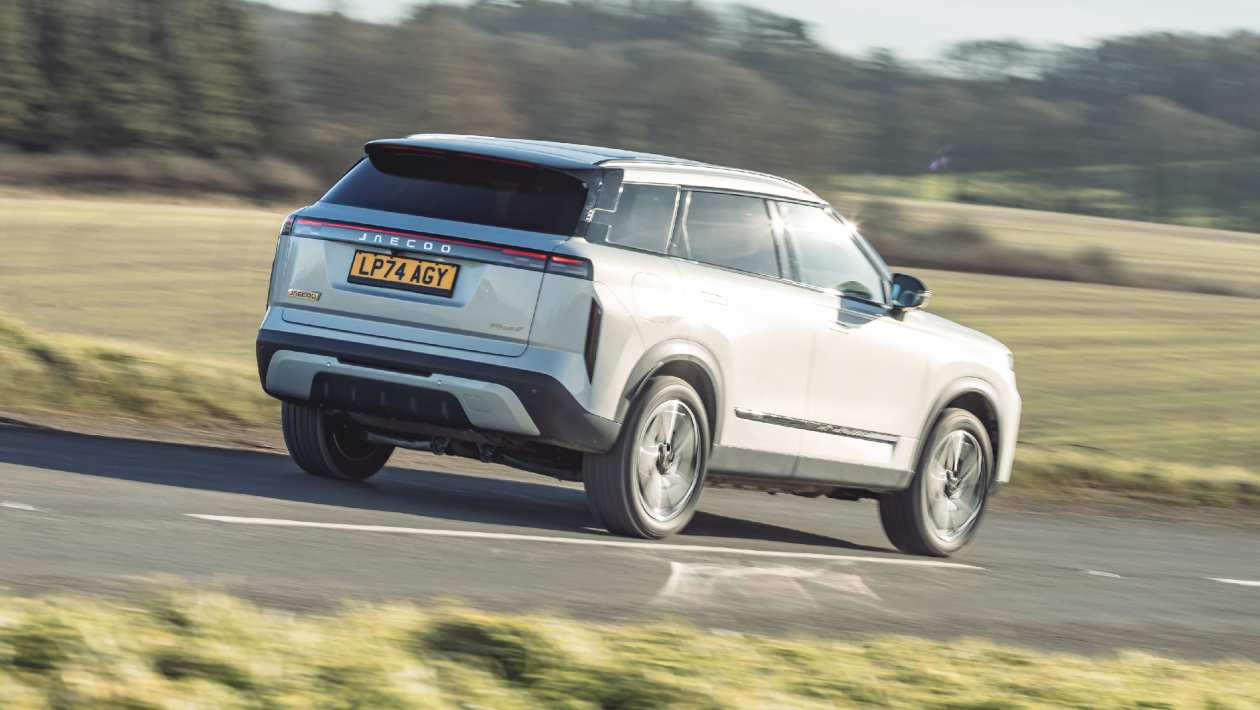
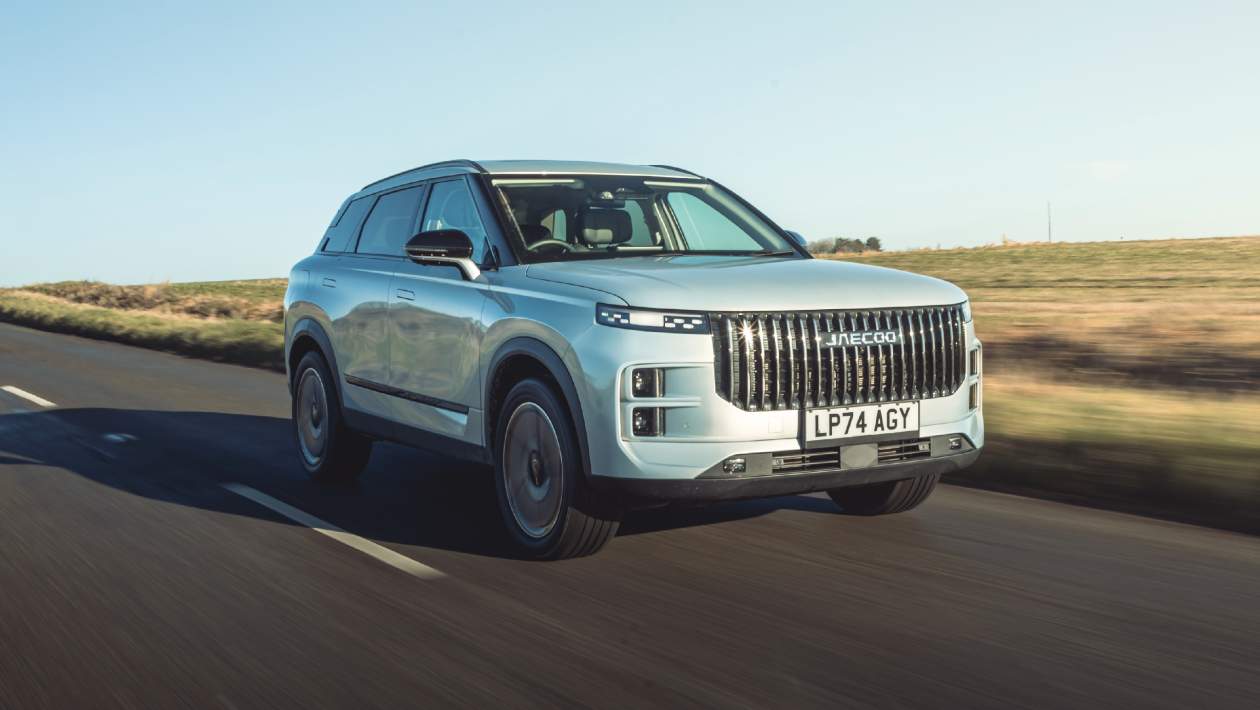
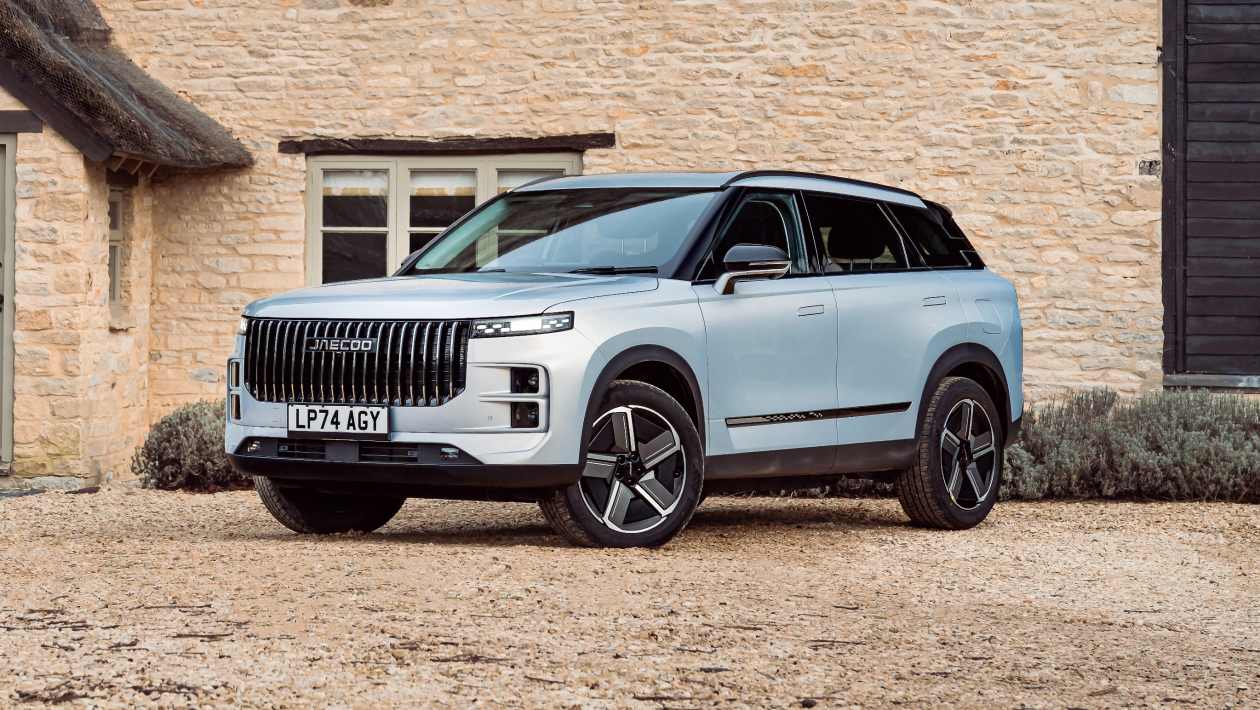
It is the family SUV nobody saw coming. Just over a year after its first UK registration, the Jaecoo 7 has muscled its way into the national top ten sales charts, even grabbing the outright number one spot in March 2026. Shoppers adore the way it looks (the "Temu Range Rover" nickname did not appear by accident) and the pricing reads sharp against established rivals.
But a tempting price and a handsome face raise an obvious question: where is the catch? We borrowed a Jaecoo 7 SHS-P plug-in hybrid, the range's most popular version, to find out exactly what you gain, and what you give up.
What we found is a car of two halves. The hybrid powertrain is genuinely clever and impressively frugal. The chassis underneath it, on the other hand, struggles to keep its composure on real British roads. This Jaecoo 7 review explains the full story, the numbers, and the honest verdict.
Key Takeaways: Jaecoo 7 Review
- The Jaecoo 7 topped the UK sales charts in March 2026, just over a year after the brand's first registration.
- The SHS-P plug-in hybrid powertrain is the highlight: responsive, clever with its battery, and nearly 50mpg in mixed testing.
- Ride quality and body control are the car's weakest link, with an unsettled, choppy feel on imperfect roads.
- The cabin looks premium but hides some thin plastics, wind noise, and an ADAS system that nags constantly.
- Prices run from £29,195 for the self-charging hybrid to £35,165 for the Luxury-only plug-in hybrid (UK market, August 2026).
Why the Jaecoo 7 Became Britain's Most Talked About SUV
The Jaecoo 7's rise has been so rapid that even senior industry figures have paused to watch. The brand belongs to Chery, one of China's largest carmakers, and its UK operation registered its very first car as recently as January 2025. Thirteen months later, a Jaecoo SUV was the country's outright best seller. That pace of growth is precisely why Ford's leadership is already citing the Jaecoo story as a warning for the American market.
This car is also one chapter in a much bigger story. Chinese brands now account for roughly one in ten new car sales in Europe, and a wave of ambitious plug-in hybrids, from the Jaecoo 7 to machines like the Geely Galaxy Cruiser 700, is arriving to win over family buyers who want premium looks without the premium invoice.
For a deeper look at the model's design language, trim structure and Middle East positioning, the full Jaecoo J7 2026 specifications guide covers the range in detail. Here, we focus on something more important: what the car is actually like to live with on UK roads.
Jaecoo 7 Powertrain Options and Real World Efficiency
Jaecoo sells the 7 with three distinct powertrains, so it is worth knowing which one you are shopping for before you visit a dealer.
| Version | Engine and Output | Trim Availability | UK Price From |
|---|---|---|---|
| SHS-H self-charging hybrid | Closed-loop hybrid, 221bhp | Pure trim and above | £29,195 |
| 1.6-litre turbo petrol | 1.6-litre four-cylinder turbo, 146bhp | Deluxe trim and above, FWD or AWD | £30,115 |
| SHS-P plug-in hybrid | 1.5-litre engine plus e-motor, 201bhp and 229lb ft | Luxury trim only | £35,165 |
We tested the SHS-P plug-in hybrid, which is the best selling of the three, and it is here that the Jaecoo 7 is most convincing.
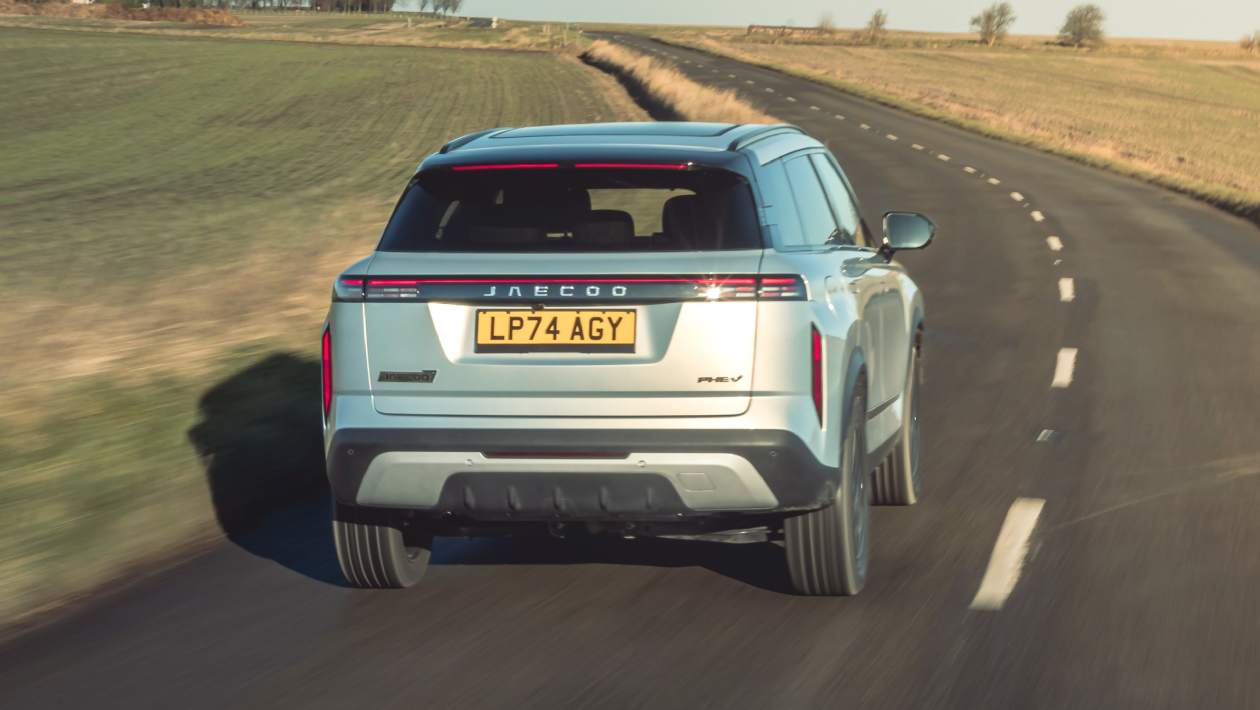
A Hybrid That Thinks for Itself
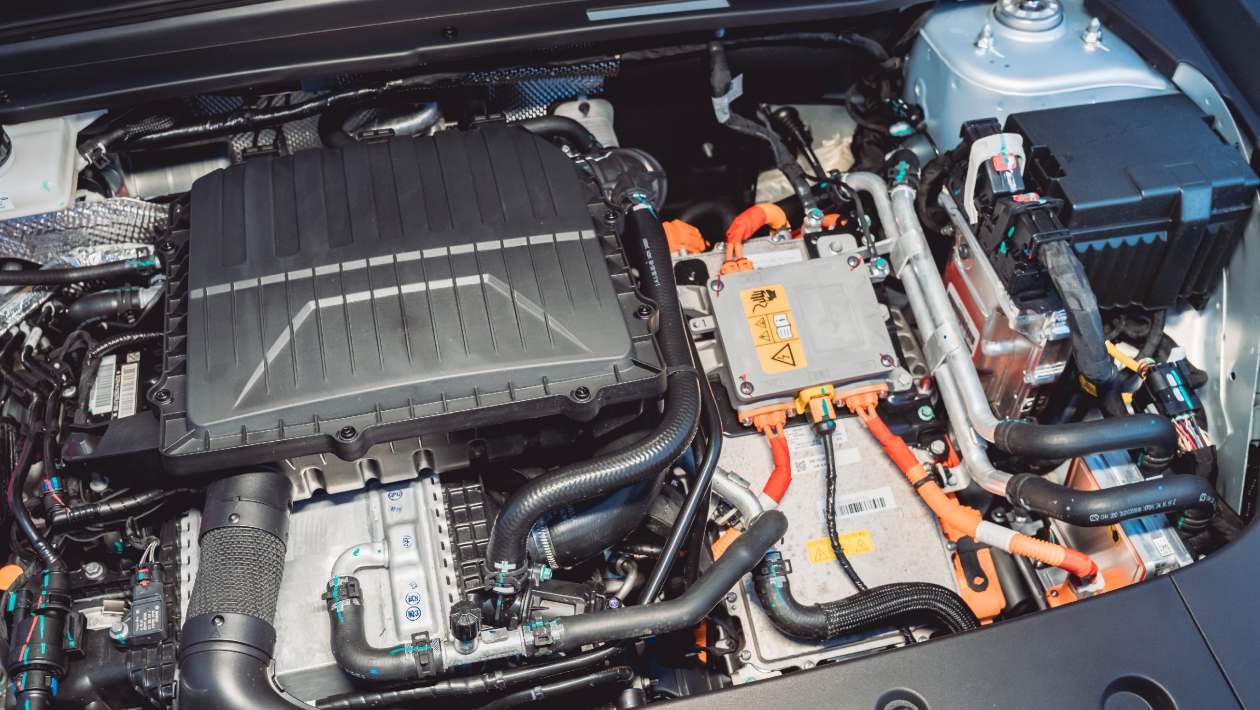
The headline figures are respectable rather than show stopping: 201bhp, 229lb ft, 0-62mph in 8.3 seconds and a 112mph top speed. What impresses more is the way the system behaves. A sturdy 18.3kWh battery (listed as 18.4kWh on some specification sheets) gives the SHS-P a useful surge of electric torque from low speeds, so it feels brisk and responsive around town, and it never feels short of confidence at motorway pace.
The smart part is the energy management. Many plug-in hybrids burn through their battery reserves no matter how you drive, wasting electric range at high speed. The Jaecoo 7 switches to its combustion engine at motorway speeds and holds the battery back for exactly where it pays off: urban and rural lower-speed driving, and creeping traffic.
That discipline shows in the numbers. Across a test week that included heavy-footed driving and deliberate self-charging, our car still averaged almost 50mpg. With diligent home charging and a calmer right foot, this would be a genuinely frugal family SUV. Jaecoo quotes an official WLTP electric range of up to 56 miles and a combined WLTP figure of 745 miles. In an economy challenge held at UTAC Millbrook in 2026, the SHS-P covered 828 miles, a company-run event reported by The EV Report, which the organisers say beat the official figure by 11 percent.
It is also worth knowing that this same Super Hybrid System architecture powers several other Chery group models. The Lepas L8, Chery's new premium flagship, uses the same SHS hardware with more muscle, while the Chery Tiggo 7 Super Hybrid brings the same self-charging cleverness to Australia.
Where the Powertrain Falters
No powertrain is flawless, and the Jaecoo 7 has a few habits you should know about. The throttle and regenerative braking feel a little on-off at the top of the pedal travel, which makes stop-start traffic more tiring than it should be. The transmission can also feel hesitant at times, though the electric motor's torque does a good job of disguising it. To its credit, the handshake between regenerative and friction braking is surprisingly well resolved, which is a rarity even among far pricier hybrids.
Ride and Handling: The Jaecoo 7's Biggest Letdown
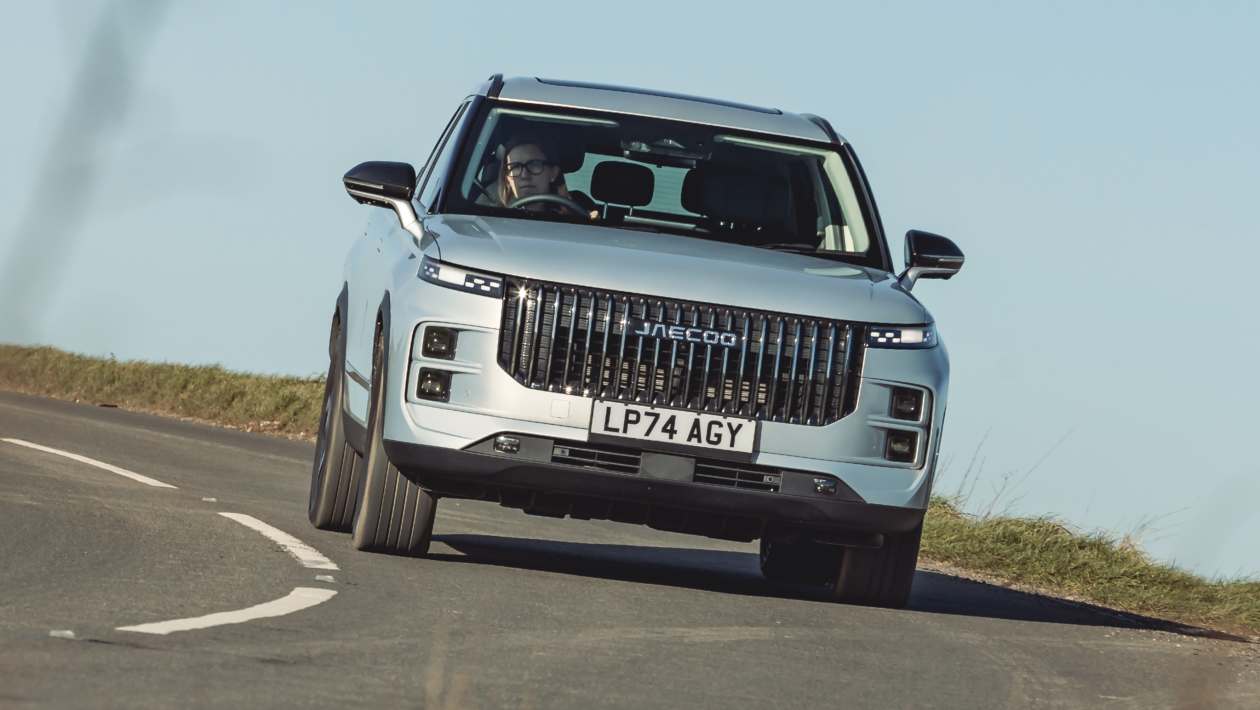
On paper, the chassis story sounds promising. The Jaecoo 7 rides on a stiff structure with independent multi-link rear suspension, and Jaecoo says the dynamics were honed at a German development centre. The brand states that spring and damper rates, steering ratios, anti-roll bar stiffness, bush rates, tyre types and pressures, and even brake pad materials were all tuned for European roads and drivers.
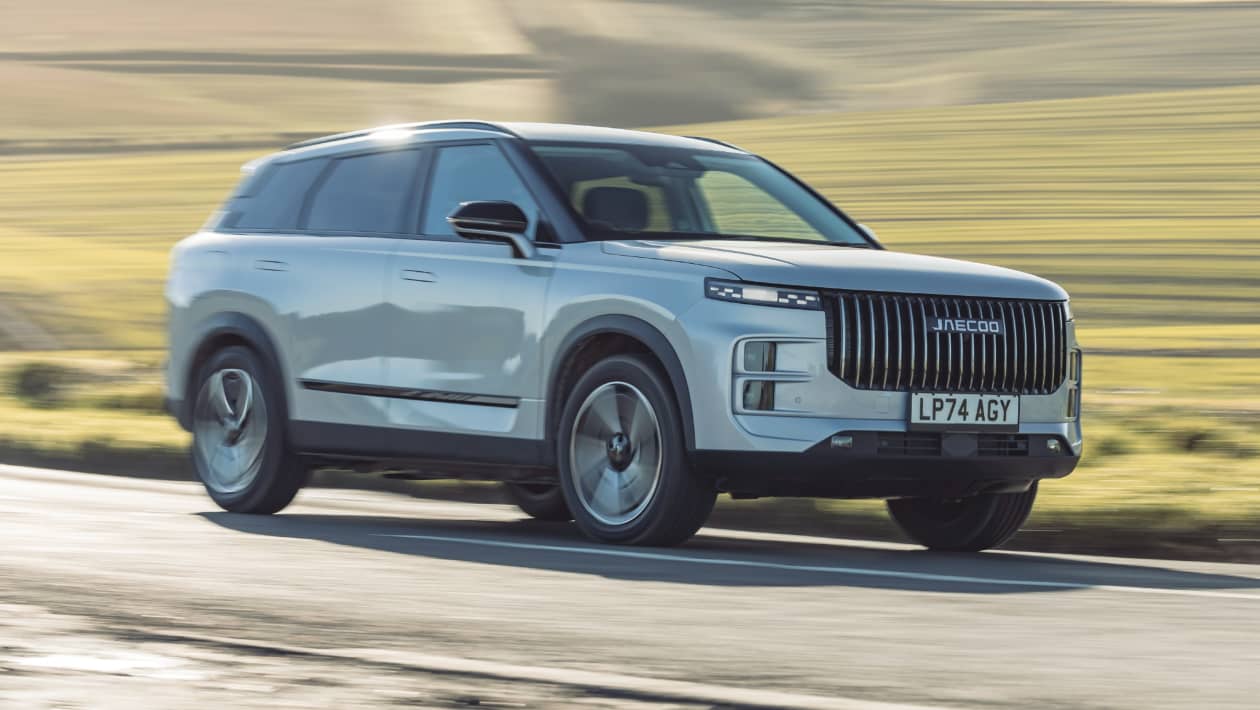
On the road, that promise falls apart. There is a palpable delay between hitting a bump and the body reacting, and the car often fails to settle after the first undulation. On a continuously rolling road, the sensation drifts towards feeling mildly carsick, like riding a wave machine that will not switch off.
Slow things down and the ride does not improve either. Small high-frequency bumps and patches of gravel are transmitted into the cabin with surprising harshness. The steering tells a similar story: light and easy at parking speeds, but vague, inconsistent and unresponsive off-centre once you leave town. It is at least easily manageable on a motorway, which is where many of these cars will spend their lives.
Why this matters: dynamics are where budget is most visible in a car. The gap between the Jaecoo 7 and a Volkswagen Tiguan or Audi Q3 on a broken British B-road shows exactly where the extra money goes, and it is a reminder of how far Land Rover's own suspension tuning has come over the years. If your daily roads are smooth, the flaws hide. If they are not, you will feel every one of them.
Editorial note: ride comfort is subjective, and this section reflects our experience in one SHS-P Luxury test car on UK roads. This is precisely the area where you should conduct your own extended test drive before deciding.
Interior, Technology and ADAS: A Screen Heavy Cabin With Glitches
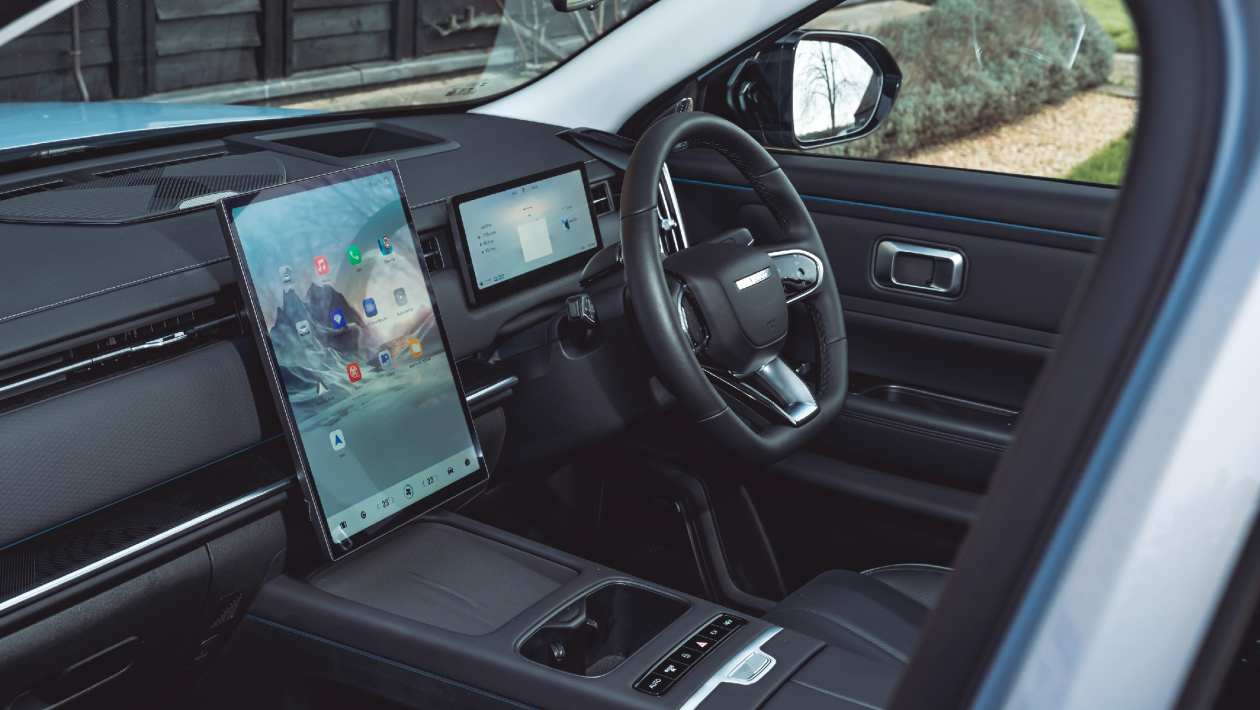
One Big Screen for Everything
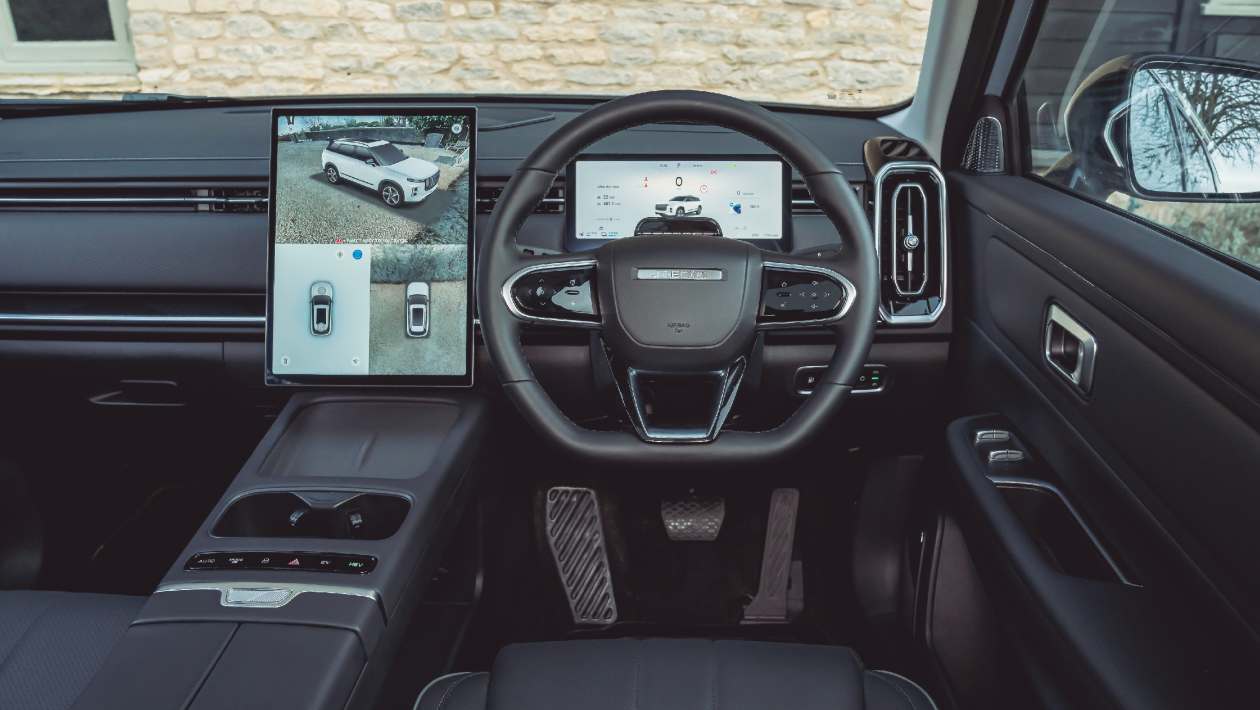
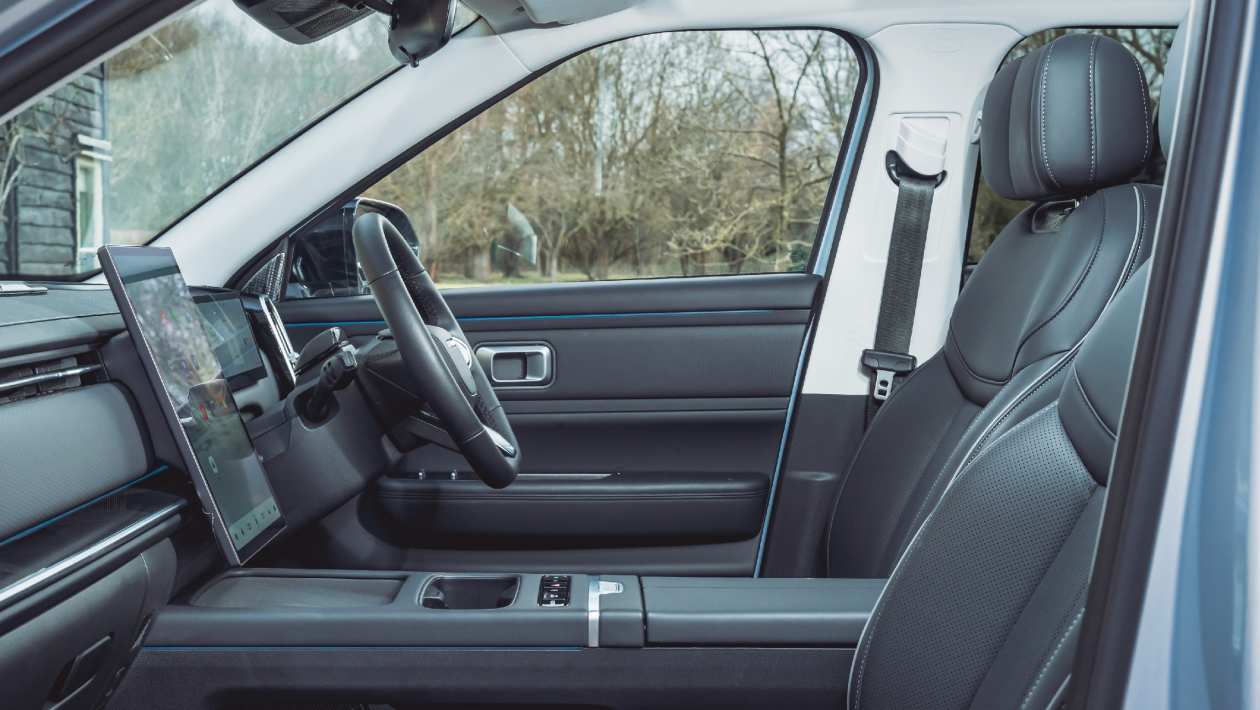
The interior's centrepiece is a portrait touchscreen: 13.2 inches as standard, upgraded to 14.8 inches in the Luxury trim that houses the SHS-P powertrain. The software is responsive and smooth, which is more than can be said for some rivals, but the layout is menu-heavy in an iPhone-like way. It feels intuitive when you are parked and curiously demanding when you are driving, which is an odd thing to say about a car interface.
There are practical annoyances too. The climate controls and vehicle settings sit in a bar along the bottom of the screen, but connect your phone through Apple CarPlay or Android Auto and that bar disappears. During our test, Google Maps glitched repeatedly through Android Auto, insisting the car was in Attleborough, Norfolk. That could be a Google issue, but the same phone behaved perfectly in other test cars the same week.
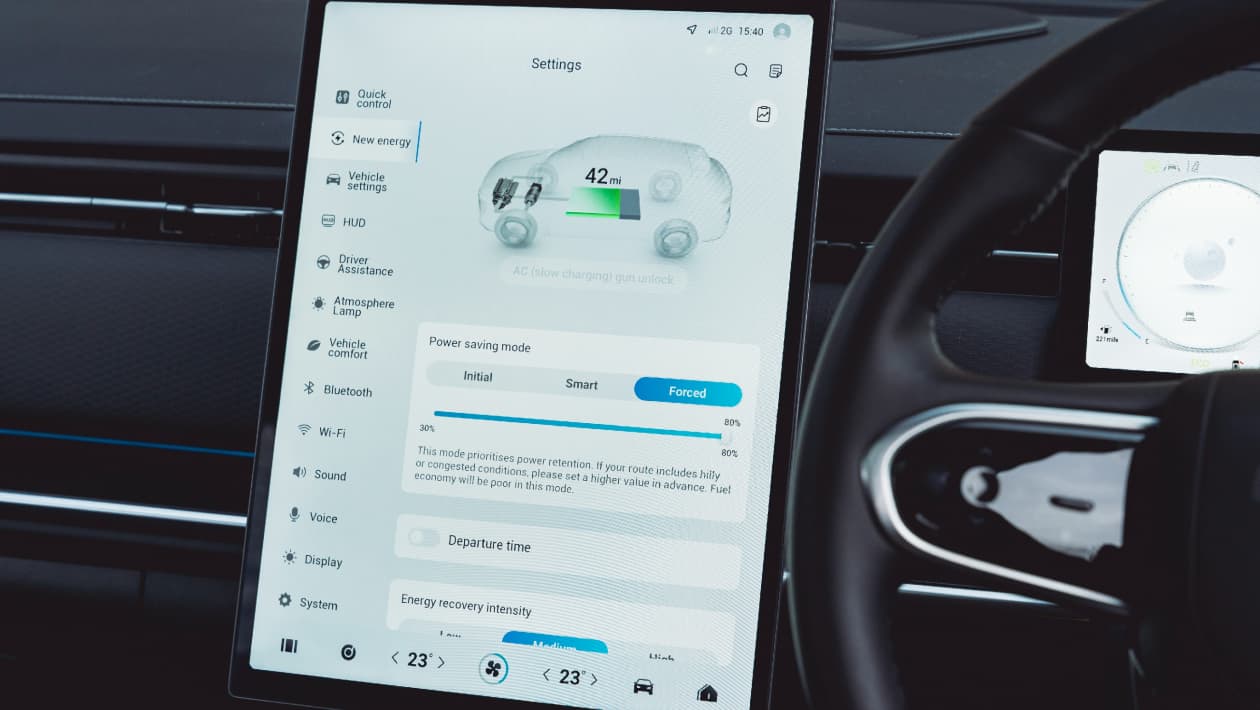
ADAS That Needs More Work
The driving experience is further marred by the driver assistance systems, which were still not polished after updates. The lane keep assist tugs at the wheel unless you sit absolutely centred in your lane, and the driver attention warning is hyperactive. At one point during our week, turning it all off became its own side quest: a swipe and several taps into the infotainment system. It should be a physical button, or at least a one-touch shortcut.
Luxury Kit and Mixed Materials
Luxury trim piles on genuinely desirable equipment: a heated steering wheel, an upgraded Sony sound system and cooled front seats, with heated rear seats. The cooled seats earned their keep during one of the heatwaves that punctuated our test week. Lesser versions use a central drive selector, while our SHS-P test car used a column stalk that felt slightly unresponsive.
Quality is a mixed bag. Everything looks pleasant enough, from the synthetic leather with chunky piping to the soft waxy feel of the surfaces, but it is skin deep. Tinny plastics and flimsy materials are only a short hunt away. There is also a good amount of wind and tyre noise at speed, so the Jaecoo feels less substantial than some rivals at motorway pace. The positives: excellent outward visibility, a spacious cabin with clever storage solutions, and a decent-sized boot, even if it is not class-leading.
Jaecoo 7 Price, Trims and Rivals in the UK
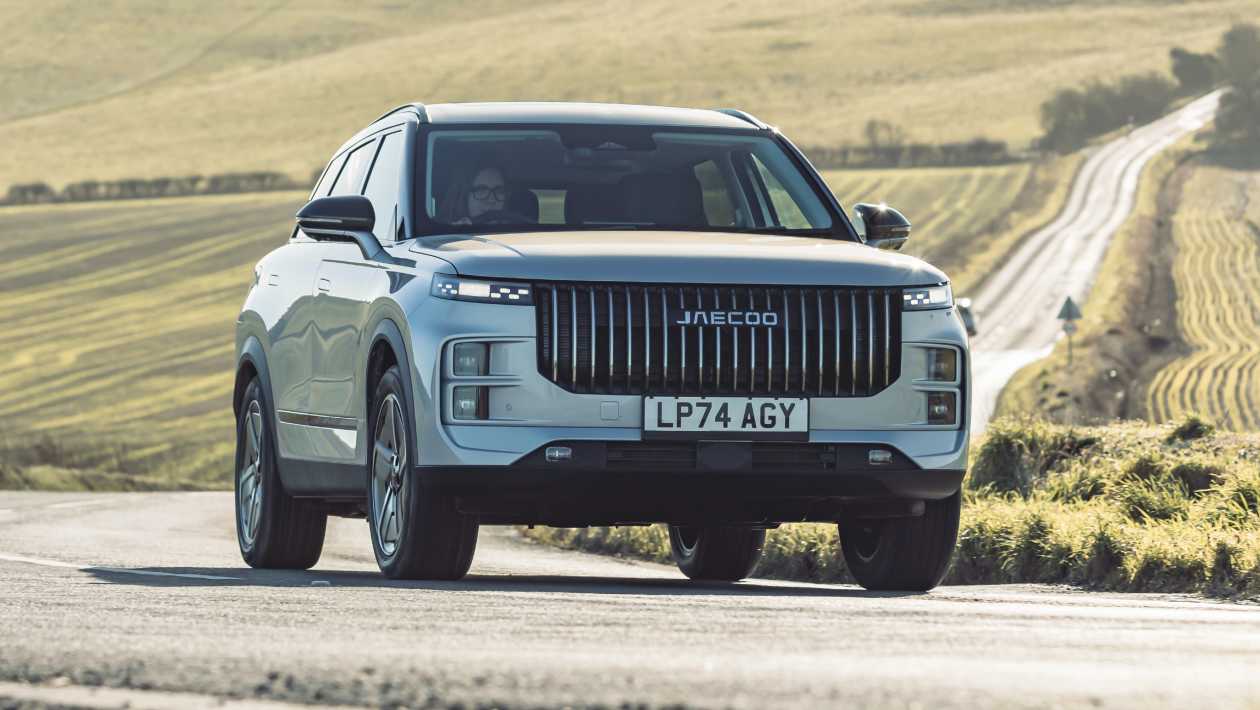
The Jaecoo 7 range kicks off from £29,195 for the SHS-H self-charging hybrid in Pure trim, with Deluxe, Luxury and Black Luxury above it. The petrol starts from £30,115 in Deluxe trim and up, offered with both front-wheel and all-wheel drive. The plug-in hybrid, as noted, is a Luxury-only proposition from £35,165. All figures are UK on-the-road prices verified against the source review published on 11 August 2026, so confirm the latest pricing with the importer before you buy.
The obvious rivals are the Nissan Qashqai and Kia Sportage, the segment's two heavyweights. We would also point comfort-seekers towards the Citroen C5 Aircross, whose hybrid powertrain is less impressive but whose ride quality is in a different league. Value-minded plug-in shoppers should also study the BYD Sealion 5 DM-i, which chases the same affordable hybrid SUV formula with a different approach. And if the Chery family appeals, the smaller Omoda 5 hybrid is the cheaper sibling sold through the same UK network.
Watch: Jaecoo 7 SHS PHEV Video Review
Prefer to see the car move before you read further? This independent video review puts the 2026 Jaecoo J7 SHS plug-in hybrid through an acceleration run and a full point-of-view test drive.
Jaecoo 7 Pros and Cons at a Glance
Pros
- Clever, efficient SHS-P hybrid powertrain
- Nearly 50mpg in mixed real-world testing
- Sharp value against established rivals
- Head-turning design at a mainstream price
- Responsive touchscreen and strong Luxury equipment list
- Spacious cabin with good visibility and storage
Cons
- Poor body control and a choppy, unsettled ride
- Vague, inconsistent steering away from town
- Over-eager ADAS with buried off-switches
- Key controls hidden in menu-heavy touchscreen
- Android Auto and CarPlay quirks
- Thin plastics and noticeable wind and tyre noise
Our Verdict: Who Should Buy the Jaecoo 7?
The Jaecoo 7 is a car of two distinct personalities, and which one you meet depends on where you drive. The powertrain is the real deal: smart, efficient and genuinely impressive for the money. The chassis is not, and it lets the whole package down on the very roads where British buyers will notice it most.
Buy it if: your driving is mostly urban or motorway based, you can charge at home, and you want premium looks, long equipment lists and strong hybrid efficiency for mainstream money.
Skip it if: you live in the countryside, you drive on lumpy, potholed or undulating roads every day, or you expect German-style body control and steering feel. On those roads, the Jaecoo 7 will remind you of its compromises daily.
One final practical note: the Jaecoo 7 is sold through Chery's UK operation, and the brand promotes a long 7-year warranty as part of its ownership package, according to UK retail listings. For a new nameplate, that peace-of-mind story matters, and it is worth confirming the exact terms at your local retailer.
Jaecoo 7 Review: Frequently Asked Questions
Is the Jaecoo 7 worth buying?
If you value hybrid efficiency, equipment and curb appeal for the money, yes. If ride comfort and steering feel are priorities, test it thoroughly on your regular roads first, because the chassis is its weakest area.
How much does the Jaecoo 7 cost in the UK?
UK pricing starts from £29,195 for the SHS-H self-charging hybrid in Pure trim. The 1.6-litre petrol starts from £30,115, and the SHS-P plug-in hybrid costs from £35,165 in Luxury trim, based on August 2026 figures.
What is the Jaecoo 7's electric range?
Jaecoo quotes an official WLTP electric range of up to 56 miles for the SHS-P plug-in hybrid, with a combined WLTP figure of 745 miles. Real-world electric range is typically a little lower, and our test car averaged almost 50mpg overall in mixed use.
Is the Jaecoo 7 a plug-in hybrid?
The Jaecoo 7 is offered three ways: a 146bhp 1.6-litre turbo petrol, a 221bhp SHS-H self-charging hybrid, and the 201bhp SHS-P plug-in hybrid we tested, which carries a 18.3kWh battery and the official 56-mile WLTP electric range.
Why is the Jaecoo 7 called the Temu Range Rover?
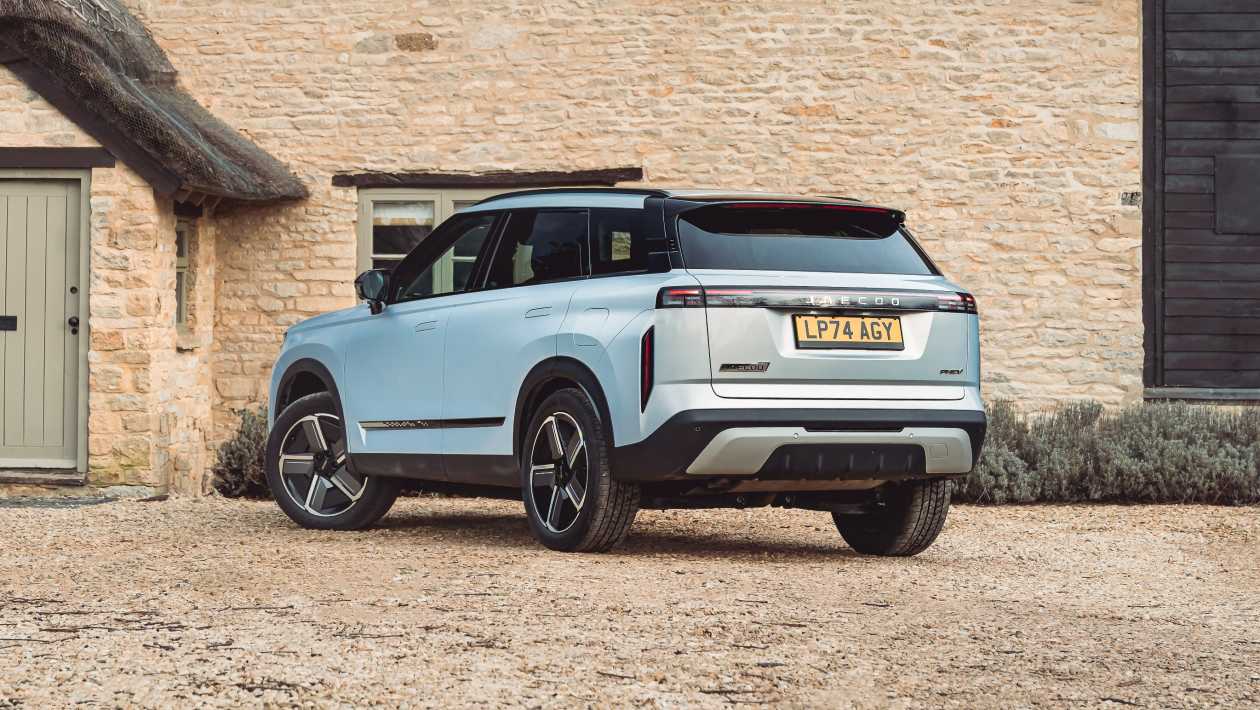
The nickname comes from its unmistakably Range Rover-inspired styling, particularly the upright stance and lighting signatures, offered at a fraction of the price. The comparison is a compliment and a warning in equal measure.
What are the most common Jaecoo 7 complaints?
The most frequently reported issues in reviews centre on ride quality and body control, vague steering, an over-eager lane assist and driver attention monitor, menu-heavy climate controls, and occasional phone-mirroring glitches.
Who makes the Jaecoo 7?
Jaecoo is a sub-brand of Chery, one of China's largest car manufacturers, alongside sister brand Omoda. Both are sold through the same UK retail network, with the Jaecoo 7 leading the group's sales charge in Britain.
Final Thoughts: Is the Jaecoo 7 the Real Deal?
The Jaecoo 7 has earned its place at the top of the sales charts, and it is not hard to see why. It delivers the two things most family buyers shop on first: the way it looks and the number on the window sticker. Beneath that, the hybrid powertrain is a genuine engineering achievement, and the cabin is roomy, well equipped and easy to see out of.
What it does not yet deliver is the polish underneath. The ride, steering and driver assistance systems feel a generation behind the powertrain's cleverness, and on anything other than smooth asphalt they make their presence felt. None of this is hidden, and none of it is unfixable, but it is the difference between buying a bargain and buying a compromise.
So our advice is simple. If the Jaecoo 7 is on your shortlist, drive it on your roads, not the dealer's. Take it over the roundabouts, the speed bumps and the broken tarmac you actually use. If you can live with the chassis, you will be getting one of the most efficient and best-equipped family SUVs for the money in 2026. If you cannot, the Qashqai, Sportage and C5 Aircross are waiting to catch you.
Before You Sign on the Dotted Line
Check the latest UK pricing and specification at jaecoo.co.uk, then book an extended test drive on your own roads. That single drive will tell you more than any review can.
Have you driven the Jaecoo 7? Tell us in the comments whether it lived up to the hype.
Sources and Further Reading
- Original road test and all verified figures: evo magazine, Jaecoo 7 review, 11 August 2026
- Photography: evo magazine, Jaecoo 7 review picture gallery
- Official UK specification, pricing and WLTP data: jaecoo.co.uk
- Millbrook economy challenge results: The EV Report, August 2026
Jaecoo 7 Photo Gallery: All 13 Review Images