

2027 Toyota Highlander EV Delayed Again as Production Pushed to 2027
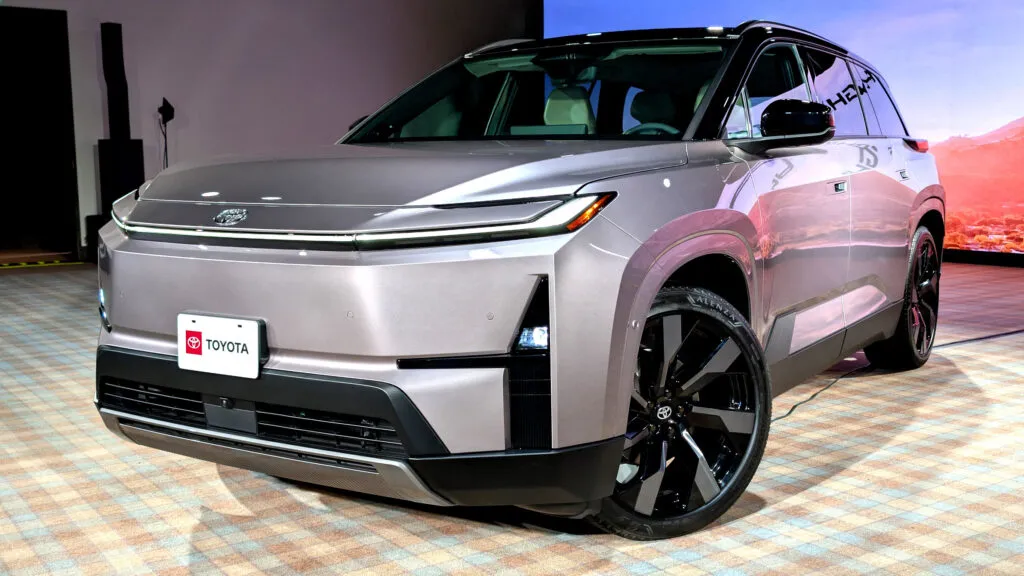
Toyota has postponed the production schedule for the upcoming all-electric Highlander three-row SUV once again. Manufacturing at the Georgetown, Kentucky assembly complex will now start in January 2027 at the earliest. This revision represents the second major timeline adjustment in recent months, pushing the highly anticipated electric family hauler further into the calendar.
Why Toyota Extended the Highlander EV Timeline
The electric Highlander was initially scheduled to begin pre-production work in late 2026. During mid-summer, company officials confirmed an initial slip of at least eight weeks, citing final validation adjustments. Reports from industry sources, including Nikkei Asia, indicate that Toyota notified component suppliers that full assembly will not commence before the start of 2027.
Company spokespersons emphasize that the revised date stems strictly from exhaustive quality checks, software calibration, and line readiness. Given the competitive stakes in the full-size family market, Toyota executives prefer extended validation over facing early mechanical or software callbacks after market release.
US Electric Vehicle Demand Versus Production Strategy
Speculation within the auto industry suggested the adjustment might reflect cooling demand for three-row battery electric vehicles in the United States. Toyota firmly refutes that narrative. The brand continues to expand its zero-emission sales footprint from an early foundation, while maintaining robust sales numbers for its conventional and plug-in hybrid portfolios.
By pushing back EV assembly in Kentucky, Toyota also grants breathing room to its current internal combustion and hybrid Highlander variants. Production of the current generation Highlander Hybrid will continue without interruption through late 2026, satisfying consistent dealer demand for family crossover vehicles with proven gasoline-electric efficiency.
Platform Dimensions and Cabin Architecture
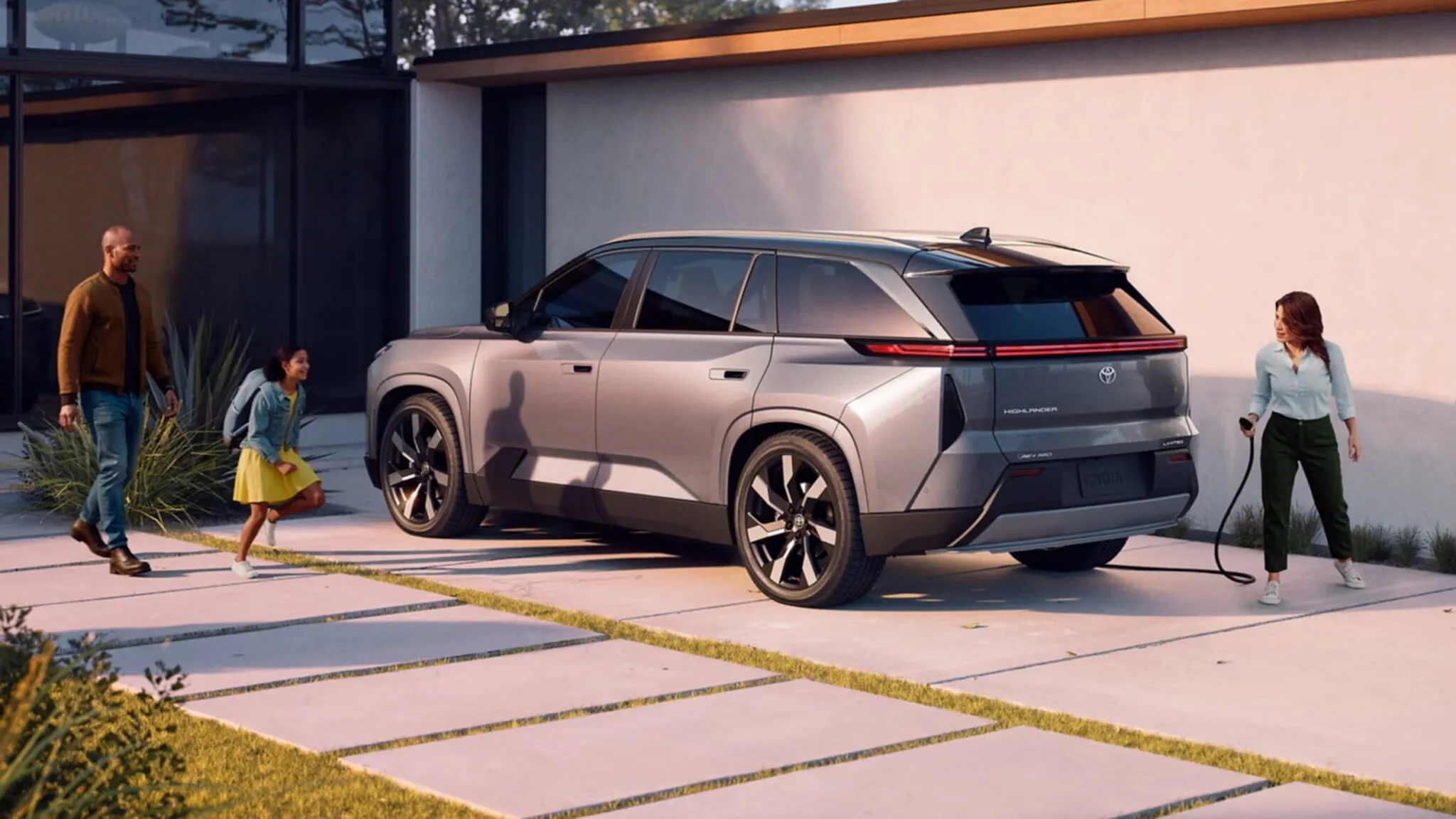
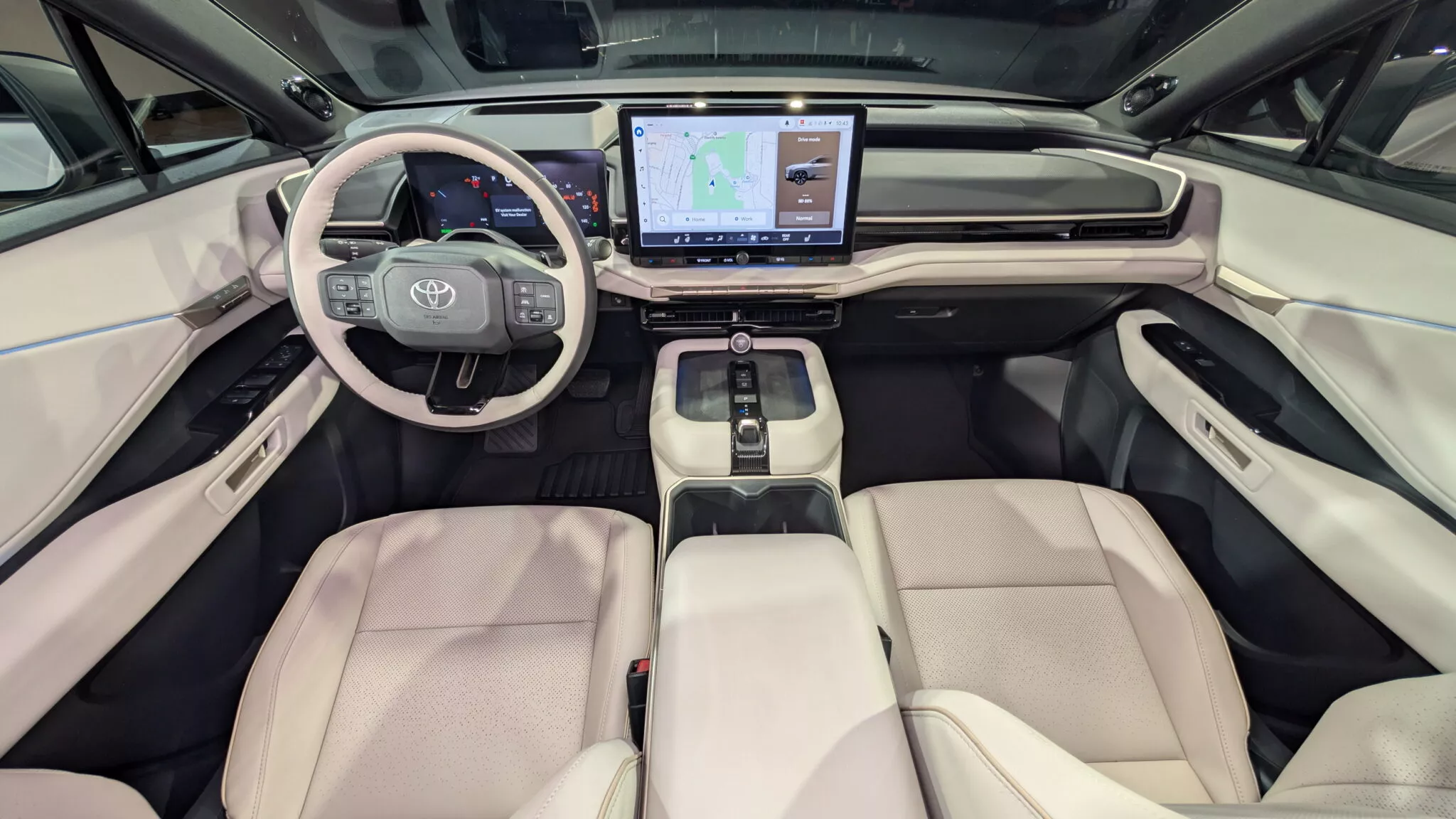
The 2027 Highlander EV moves the nameplate away from pure gasoline engines onto an advanced dedicated electric vehicle architecture. The platform introduces substantial gains in overall footprint, directly benefiting passenger volume across all three seating rows.
Exterior Proportions
The all-electric model measures 198.8 inches in overall length, representing an increase of nearly four inches over the preceding generation. Width expands to 78.3 inches, while total vehicle height measures 67.3 inches. Most importantly, the wheelbase stretches out to 120.1 inches. This long wheelbase eliminates traditional driveline packaging constraints and creates a completely flat interior cabin floor.
Cargo Room and Seating Ergonomics
Practical usability remains front and center. Behind the upright third row, cargo capacity stands at 15.9 cubic feet. Folding down the rearmost seats opens up 45.6 cubic feet of flat storage capacity. While slightly more compact than the oversized gas Grand Highlander, the packaging provides genuine room for adult passengers in every seat position.
Powertrain Specifications, Battery Options, and Range
Buyers will have access to two battery capacities along with front-wheel-drive and dual-motor all-wheel-drive configurations across XLE and Limited trim packages.
Front-Wheel Drive Configuration
The entry-tier XLE model utilizes a single front-mounted electric motor delivering 221 horsepower and 198 pound-feet of torque. Paired with a standard 77 kilowatt-hour lithium-ion battery pack, this setup offers an estimated driving range of up to 287 miles on a complete charge.
Dual-Motor All-Wheel Drive Performance
Stepping up to dual electric motors elevates output to 338 horsepower and 323 pound-feet of torque. When configured with the larger 95.8 kilowatt-hour battery pack, the all-wheel-drive Highlander EV delivers an estimated driving range of 320 miles. Off-road assistance features such as Multi-Terrain Select and dedicated low-speed Crawl Control come integrated directly into the drive controller electronics.
DC Fast Charging and North American Charging Standard
The vehicle arrives factory-equipped with a native North American Charging Standard port. When connected to compatible high-output DC fast chargers, replenishment from 10 percent to 80 percent capacity takes roughly 30 minutes under optimal operational conditions. Battery thermal preconditioning and native Plug and Charge protocols are integrated directly into the onboard energy management software.
Ripple Effects on Subaru and Lexus Siblings
The production rescheduling in Kentucky triggers domino consequences for partner models sharing this architecture. The Subaru Getaway, a high-performance three-row electric crossover producing 420 horsepower, relies on the same Georgetown production line and will naturally see its market introduction slide into calendar year 2027. Similarly, Lexus is preparing the TZ electric crossover on the same structural footprint, meaning the premium variant will adjust its commercial launch cadence accordingly.
Frequently Asked Questions
When will the Toyota Highlander EV officially enter production?
Current factory guidance places the start of production at Toyota Motor Manufacturing Kentucky in January 2027 at the earliest.
Why was the electric Highlander delayed a second time?
Toyota states that the additional schedule buffer is dedicated to thorough quality assurance, pre-production manufacturing calibration, and software validation.
Is Toyota discontinuing the gasoline and hybrid Highlander?
No. Production of the popular Highlander Hybrid and standard internal combustion models will continue through late 2026 to ensure dealer availability.
What driving range will the electric Highlander deliver?
Models equipped with the 77 kWh pack deliver up to 287 miles, while variants with the larger 95.8 kWh battery pack achieve up to 320 miles on a full charge.
Where will the vehicle and its battery packs be built?
Vehicle assembly takes place in Georgetown, Kentucky, while the advanced lithium-ion battery modules come from Toyota Battery Manufacturing in Liberty, North Carolina.
Does the production delay impact the Subaru Getaway?
Yes. The upcoming Subaru Getaway three-row electric SUV shares assembly lines and structural components in Kentucky, pushing its launch into 2027 as well.


