

Mazda CX-6e 2026 Review: Does It Have Enough Range and Charging Speed?
Mazda's first dedicated electric SUV for the UK market has finally arrived. The new Mazda CX-6e aims to combine Japanese styling with a smooth, quiet driving experience. But after spending time with the car, one thing is clear: it trails its biggest rivals in two critical areas. Real world range and charging speed. In a market where Tesla, Skoda, and Kia continue to push boundaries, does the CX-6e do enough to deserve your attention? Let's break down everything we learned from this 2026 review.
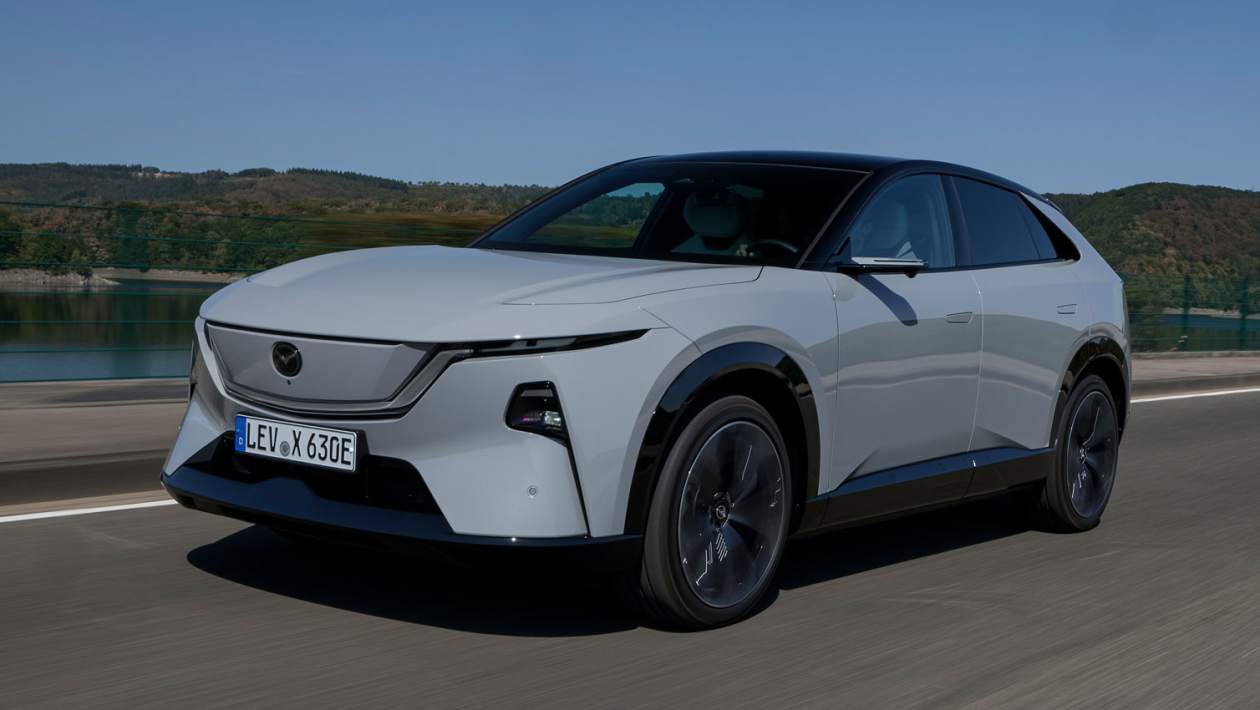
What Is the Mazda CX-6e?
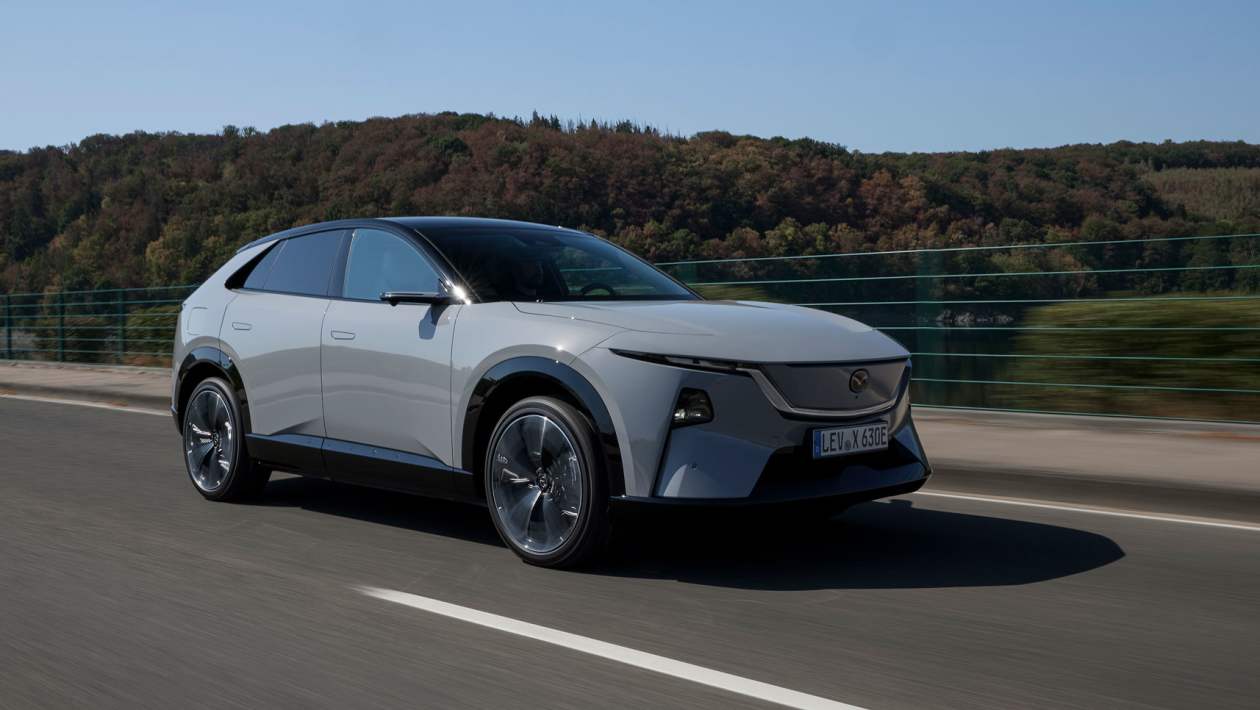
The CX-6e is a mid size electric SUV that sits between the CX-5 and CX-60 in Mazda's lineup. It is built on a platform shared with the Chinese Deepal S7, developed through Mazda's collaboration with Changan Automobile. This architecture allows Mazda to enter the fray with a competitive electric powertrain, though the design and tuning remain distinctly Mazda.
In the UK, the CX-6e is available with a single rear motor producing 258 hp and 320 Nm of torque. Mazda claims a 0 to 62 mph time of around 6.9 seconds, which is respectable for a family SUV. But the real question for any EV buyer is range and charging.
Range: A Step Behind the Leaders
Mazda offers the CX-6e with two battery options. The standard version uses a 68.8 kWh pack, while the larger 79.6 kWh unit is available on the higher trim. According to official WLTP figures, the 68.8 kWh model achieves roughly 310 miles on a full charge. The bigger battery version goes slightly further at about 330 miles.
While these numbers look decent on paper, our testing on UK roads revealed a real world range of around 240 to 270 miles, depending on weather and driving style. This places the CX-6e behind the Tesla Model Y (up to 360 miles WLTP), Skoda Enyaq (up to 340 miles), and the Kia EV6 (up to 328 miles). In our view, a 2026 electric SUV should be targeting at least 300 miles of genuine highway range to be truly competitive.
Why Is the CX-6e Less Efficient?
There are a few reasons for the lower efficiency. The CX-6e weighs around 2.1 tonnes, which is heavy by class standards. Its drag coefficient of 0.29 is not particularly slippery. Mazda also tunes the battery management system for longevity and thermal safety, which can slightly reduce usable energy. The result is an average consumption of around 3.3 miles per kWh, compared to 3.8 to 4.0 miles per kWh from its key rivals.
Charging Speed: A Critical Weak Point
Charging is where the CX-6e falls further behind. The car supports DC fast charging at a maximum of 100 kW. That is a big limitation. In our test, we could only add 10 to 80% of charge in around 42 minutes. Competitors like the Tesla Model Y (250 kW), Kia EV6 (350 kW), and even the Hyundai Ioniq 5 (350 kW) can complete the same task in 15 to 20 minutes.
For long distance travel, this difference matters a lot. Stopping for 40 minutes instead of 20 means real lost time, especially on busy motorways. Mazda has stated that the CX-6e uses a 400 volt architecture, which limits the charging speed. There is no 800 volt upgrade available.
Home and AC Charging
AC charging is more modest. The on board charger supports 11 kW three phase. That means a full charge from a wallbox takes roughly 7 to 8 hours. For most owners, overnight home charging will be sufficient, but the CX-6e does not offer the 22 kW option found on some premium rivals.
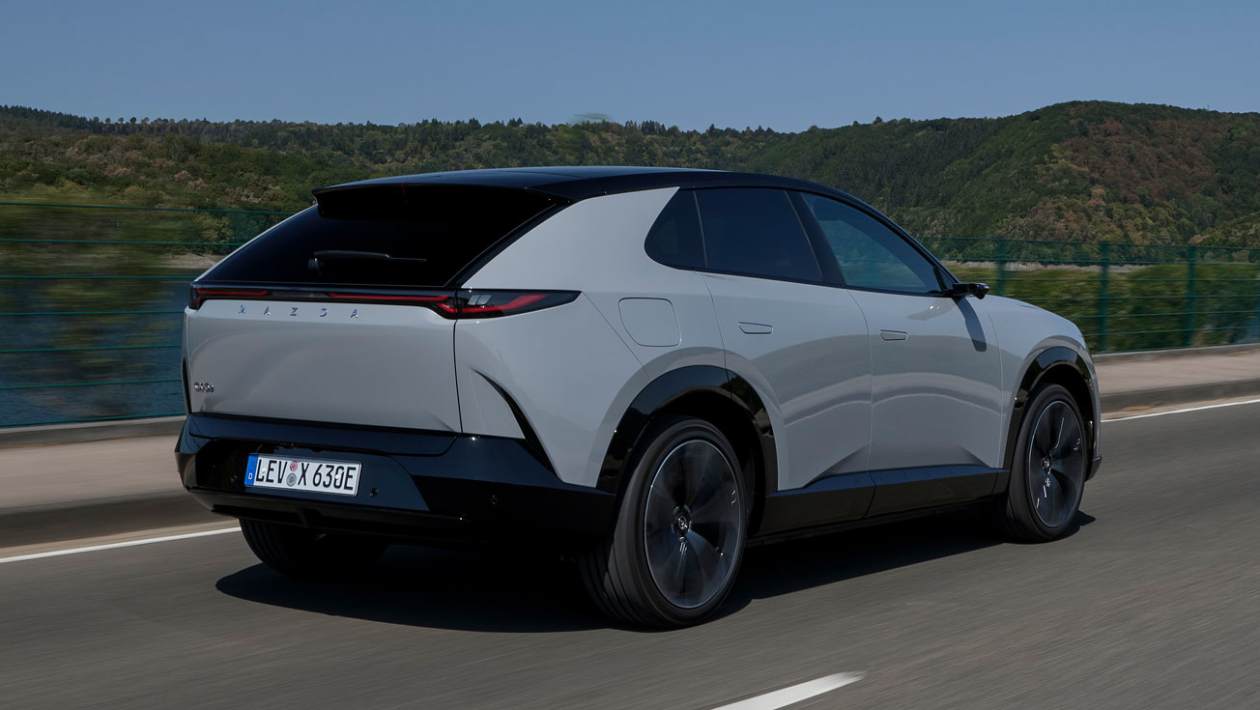
The Cabin and Interior: Mazda's Strongest Asset
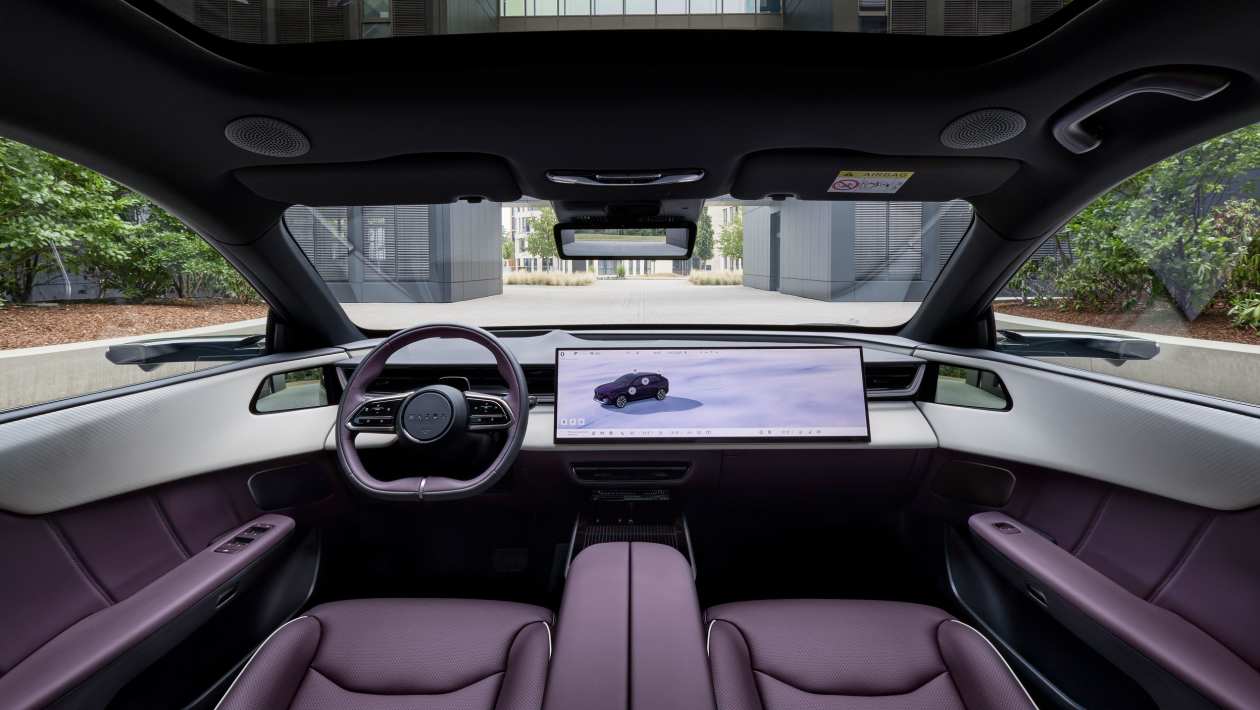
Where the CX-6e clearly wins is inside. Mazda has designed a cabin that feels premium, minimalist, and well built. The front seats are exceptionally comfortable, with plenty of adjustment and heating and ventilation on higher trims. The materials are soft touch and classy, including a synthetic leather finish that looks almost like real nappa.
The dashboard is dominated by a 14.6 inch touchscreen, which is sharp and responsive. It runs a new Mazda Connect system that supports wireless Apple CarPlay and Android Auto. The menus are logical, though we wish physical climate controls existed. Fortunately, there are toggle switches for temperature and volume.
Tech Features and Driver Assistance
Standard equipment on all UK versions includes adaptive cruise control, lane keeping assist, a 360 degree camera, and a head up display. The top trim adds a panoramic sunroof, a 10 speaker Bose sound system, and ventilated front seats. The driver assistance systems are well calibrated, although the adaptive cruise can sometimes brake too gently when approaching slower cars.
The rear passenger space is generous, with plenty of legroom for adults. The boot is 500 litres, which expands to 1,220 litres with the rear seats folded. There is also a small front trunk under the bonnet, which is useful for storing charging cables.
Driving Dynamics: Quiet and Composed
Mazda has always focused on driving pleasure, and the CX-6e continues that tradition. The steering is well weighted and precise, giving you confidence on a winding country road. The suspension absorbs bumps effectively, though there is a noticeable amount of body roll in sharp corners. The ride quality is firm but not harsh.
At motorway speeds, the cabin is remarkably quiet. Wind and road noise are well suppressed, making long journeys relaxing. The rear motor delivers smooth and linear acceleration, but it lacks the instant shove of a dual motor setup. For most buyers, this level of performance is more than adequate.
How Does It Compare to Rivals?
| Model | Range (WLTP) | Max Charging | Price (approx) |
|---|---|---|---|
| Mazda CX-6e | 310 miles | 100 kW | £42,000 |
| Tesla Model Y | 360 miles | 250 kW | £44,000 |
| Skoda Enyaq | 340 miles | 175 kW | £38,000 |
| Kia EV6 | 328 miles | 350 kW | £45,000 |
Note: Prices are estimated for the UK market and may vary by trim. Charging figures are maximum DC speeds.
Should You Buy the Mazda CX-6e?
The CX-6e is a well made, comfortable, and stylish electric SUV. It offers a premium feel that many rivals struggle to match, and its driving dynamics are genuinely enjoyable. But the range and charging speed are real limitations, especially for those who frequently drive long distances.
If you can charge at home and rarely need to rely on rapid public chargers, the CX-6e makes a strong case. But if you want maximum flexibility and minimal charging time, we would suggest looking at a Tesla Model Y or Kia EV6 instead. Mazda may release an improved version with 800 volt technology in the future, but for now, the CX-6e is a capable but compromised choice.
FAQ: Mazda CX-6e Common Questions
How far can the Mazda CX-6e travel on a single charge?
According to WLTP certification, the standard 68.8 kWh battery gives around 310 miles. The larger 79.6 kWh pack extends that to about 330 miles. In real world conditions, expect 240 to 270 miles on a full charge.
How fast does the Mazda CX-6e charge?
The CX-6e supports a maximum DC charging rate of 100 kW. A 10 to 80% charge takes approximately 42 minutes. This is significantly slower than many rivals that offer 200 kW or higher.
What is the price of the Mazda CX-6e in the UK?
Pricing starts from an estimated £42,000 for the standard trim. Higher trims with the larger battery and additional features cost up to £47,000. These are indicative figures and may change near launch.
Does the Mazda CX-6e have a heat pump?
Yes, a heat pump is standard on all UK models. It helps improve efficiency in cold weather, although the range still decreases noticeably in winter.
Is the Mazda CX-6e suitable for towing?
The CX-6e is rated to tow up to 1,500 kg when braked. That is adequate for small trailers but less than many SUV rivals like the Tesla Model Y, which can tow up to 1,600 kg.
What is the boot capacity of the Mazda CX-6e?
The main luggage compartment offers 500 litres with the rear seats up. Fold the rear seats down and the space expands to 1,220 litres. There is also a small front trunk under the bonnet.


