

2027 Mercedes-Benz GLB: Price, Specs and Everything You Need to Know About the New Seven-Seat SUV
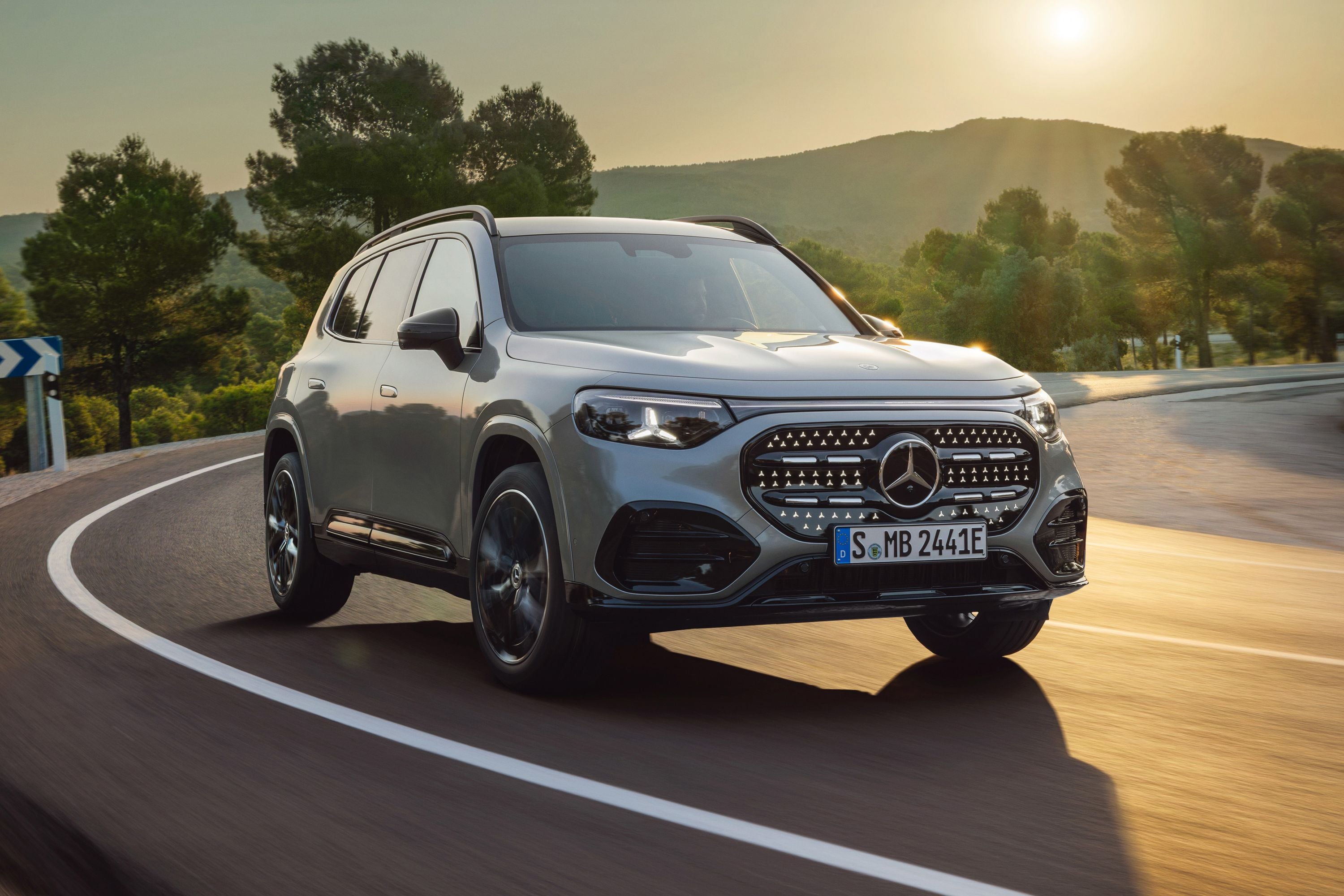
Mercedes-Benz has completely reimagined its popular compact SUV with the arrival of the all-new second-generation GLB. Now available in Australian showrooms, the 2027 GLB brings a broader powertrain range, a larger and smarter interior, and a significantly more competitive price structure than its predecessor. Most importantly, it absorbs the discontinued EQB into a single, unified lineup, ending the confusion of a split naming strategy and making the GLB easier to choose than ever.
Whether you are looking for a fuel-efficient mild-hybrid daily driver or a long-range electric family hauler capable of carrying seven people, the new GLB has a version built for you. Here is everything you need to know.
Key Takeaways
- Entry price starts at $65,400 before on-road costs, down from $68,300 for the outgoing model.
- Four powertrain choices: two mild-hybrid petrol and two fully electric variants.
- Electric models replace the discontinued EQB with up to 570 km of WLTP range.
- New 85 kWh NMC battery with 800-volt architecture for ultra-rapid DC fast charging.
- Fourth-generation MBUX infotainment powered by MB.OS with AI from ChatGPT-4o, Bing and Gemini.
- Physical steering wheel controls return, including a volume roller and cruise control rocker.
- Body grows to 4,732 mm in length, providing more interior room across all three rows.
2027 Mercedes-Benz GLB Pricing in Australia
Mercedes-Benz has made a deliberate move to sharpen the GLB's value proposition for Australian buyers. The second-generation range opens at $65,400 before on-road costs for the front-wheel drive, mild-hybrid GLB 200, representing a meaningful saving over the outgoing model that started at $68,300 plus on-roads. At the top of the range, the dual-motor all-wheel drive GLB 350 4Matic Electric commands $86,200 plus on-roads.
For buyers moving from a pure electric perspective, the entry-level GLB electric sits at $74,990 plus on-roads, which represents a saving of more than $15,000 compared to the EQB it replaces. That is a compelling shift in the market, especially given the significant upgrades in range, battery technology and interior sophistication the new generation delivers.
| Variant | Drive | Powertrain | Price (Before On-Roads) |
|---|---|---|---|
| GLB 200 | Front-Wheel Drive | 1.5L Mild-Hybrid Petrol | $65,400 |
| GLB 250 4Matic | All-Wheel Drive | 1.5L Mild-Hybrid Petrol | TBC |
| GLB 250+ Electric | Rear-Wheel Drive | 85 kWh NMC Electric | $74,990 |
| GLB 350 4Matic Electric | All-Wheel Drive | 85 kWh NMC Electric (Dual Motor) | $86,200 |
Note: Prices are before on-road costs. Final pricing for all trim levels should be confirmed directly with your Mercedes-Benz dealer. For broader context on how this model fits within the competitive luxury electric SUV space, see our detailed analysis of the 2026 Mercedes-Benz GLC EV versus BMW iX3.
Petrol, Hybrid and Electric: All Four Powertrain Options Explained
The GLB lineup now spans two worlds cleanly. On the mild-hybrid side, both variants use a 1.5-litre turbocharged four-cylinder petrol engine paired with a 48-volt mild-hybrid system. On the electric side, the two variants draw power from an 85 kWh usable nickel manganese cobalt (NMC) battery backed by an 800-volt electrical architecture that allows for rapid DC fast charging.
Mild-Hybrid Petrol Models
The GLB 200 (front-wheel drive) and GLB 250 4Matic (all-wheel drive) both rely on the new M252 four-cylinder engine running a Miller cycle combustion process matched to 48-volt mild-hybrid assistance. This system improves efficiency without requiring external charging infrastructure, making these models practical for buyers not yet ready to commit to a full electric lifestyle.
The new M252 engine represents a technology step forward from the previous generation, and Mercedes-Benz's approach of using a shared modular platform across the CLA and GLB families ensures a refined, well-developed driving experience. For more on what this engine delivers at the sharp end of the performance spectrum, explore our deep-dive into the most powerful four-cylinder engines of 2026.
Electric Models: GLB 250+ and GLB 350 4Matic
The two electric variants are the headline act of the new generation. Both use the same 85 kWh usable NMC battery, but they differ in motor configuration and range.
- GLB 250+ Electric (RWD): Single rear motor. WLTP range of 570 km. Priced from $74,990.
- GLB 350 4Matic Electric (AWD): Dual motor setup. WLTP range of 554 km. Priced from $86,200.
Both electric models benefit from the 800-volt architecture, enabling DC fast charging at rates of up to 320 kW, which significantly reduces charging stops on long journeys. The electric GLB navigation system also integrates intelligent journey planning, using real-time vehicle and route data to optimise charging stops automatically.
The GLB 250+ Electric offers the longest range in the lineup at 570 km (WLTP), making it a genuinely compelling choice for families who want a spacious seven-seat SUV without range anxiety.
Watch: Full drive review of the all-new 2027 Mercedes-Benz GLB SUV, including interior walkaround and infotainment deep-dive. Source: YouTube / MercBenzKing
A Bigger, Bolder Body: The New GLB Design
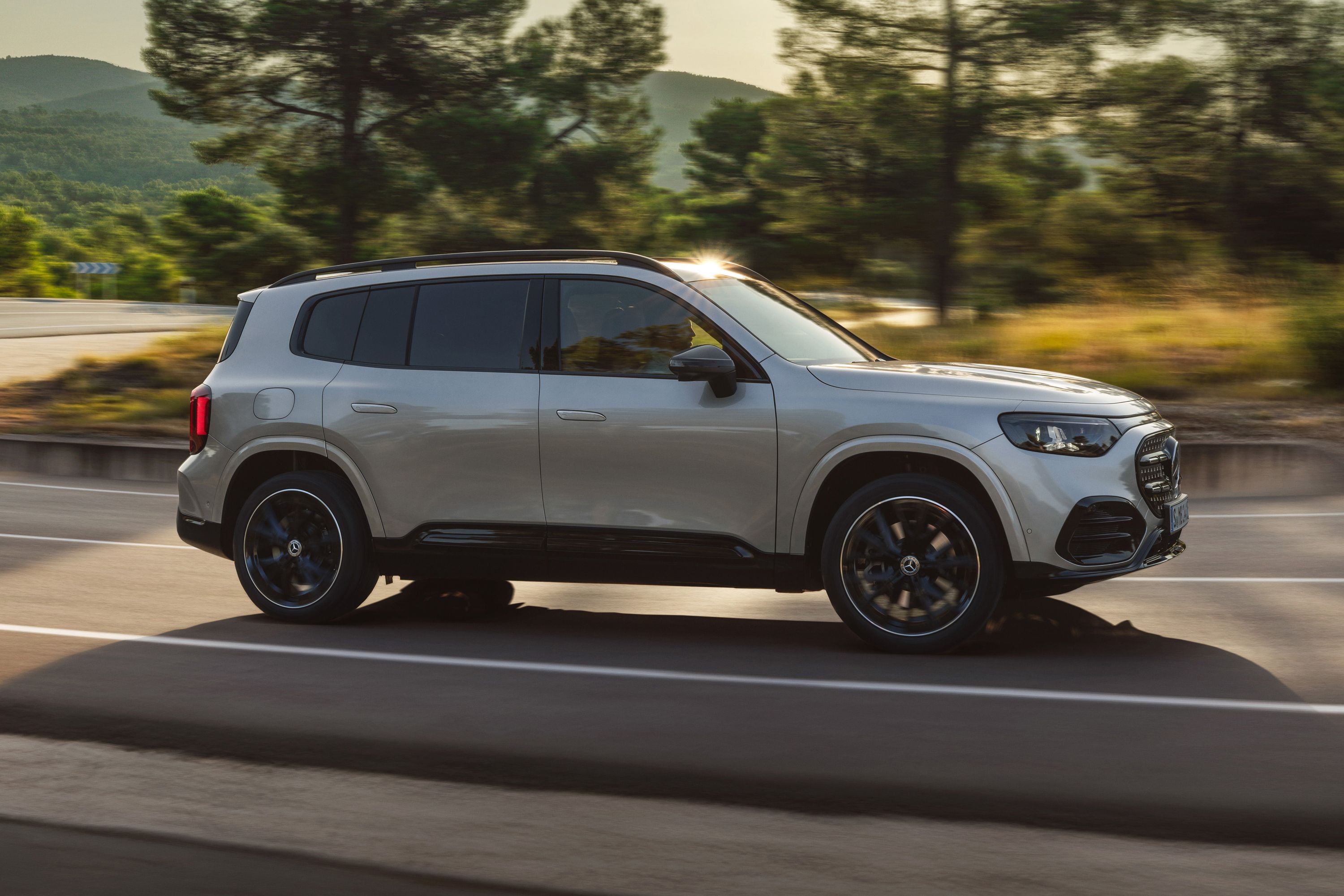
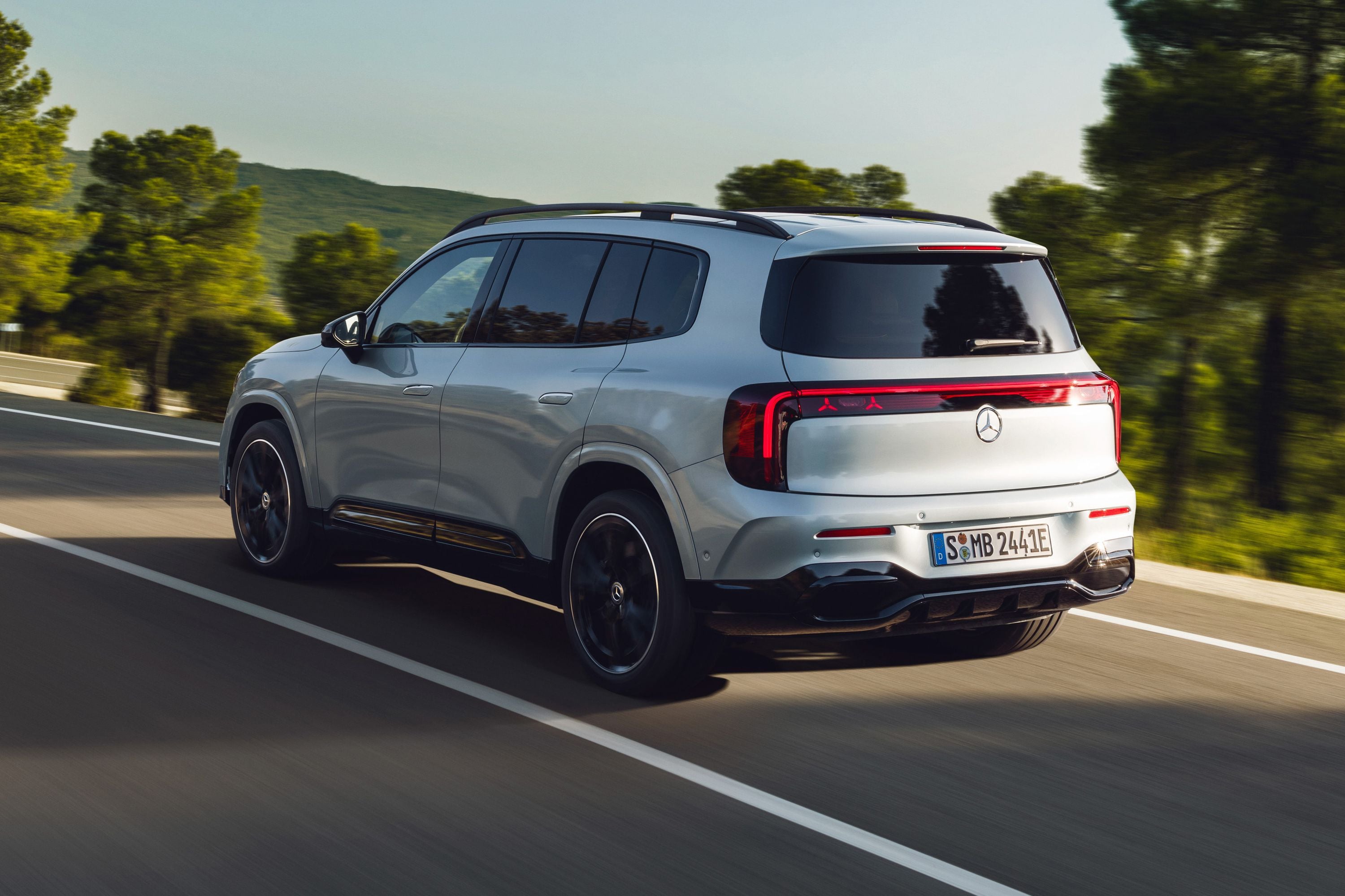
The second-generation GLB has grown in every meaningful direction. At 4,732 mm long (+48 mm over the outgoing car) and 1,861 mm wide (+27 mm), it is a more substantial presence on the road while retaining the distinctive upright, boxy character that made the original so popular with families.
Short overhangs, muscular wheel arches and a wide track give the GLB a confident, purposeful appearance. The electric variants are immediately identifiable by their distinctive radiator panel, which houses 94 individually animated LED chrome-effect stars alongside an illuminated Mercedes-Benz tri-star logo, a visual flourish that makes a strong impression after dark. Mild-hybrid models retain a more traditional Mercedes grille treatment with chrome detailing.
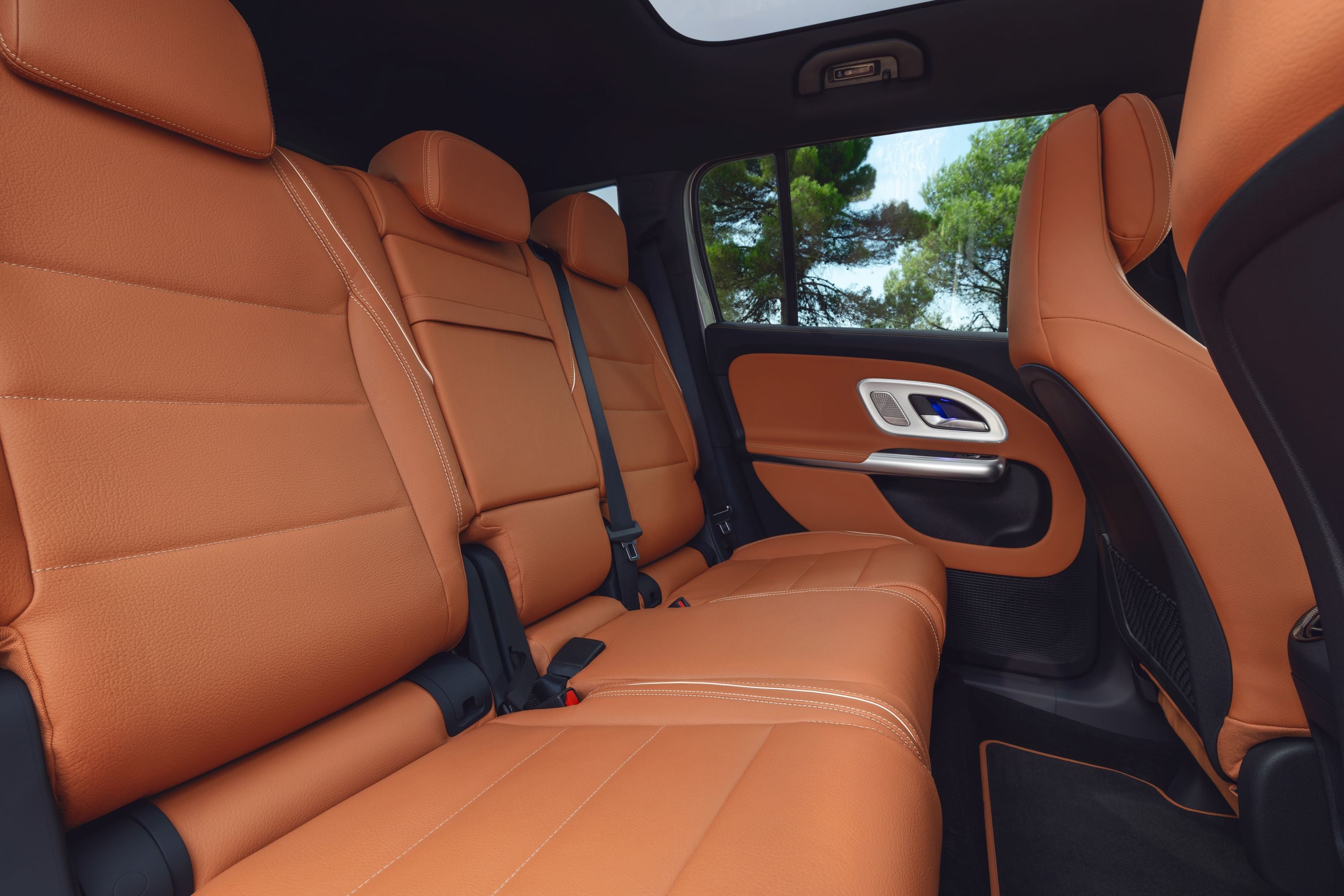
Wheels are available in sizes up to 20 inches, and the wider wheelbase translates directly into gains for passengers in rows one and two, with improved legroom and headroom throughout the cabin.


Interior and Technology: Where the GLB Truly Impresses
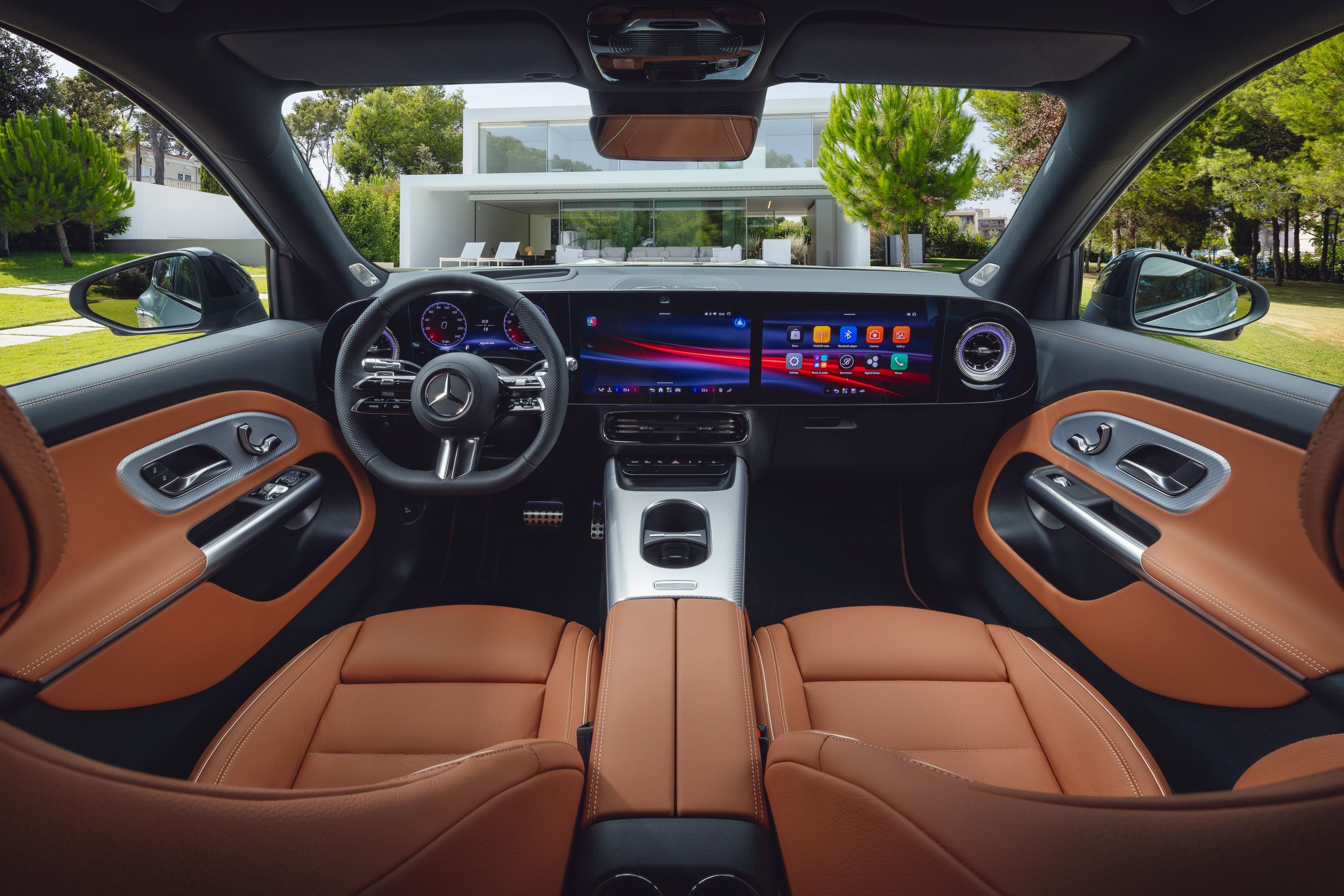
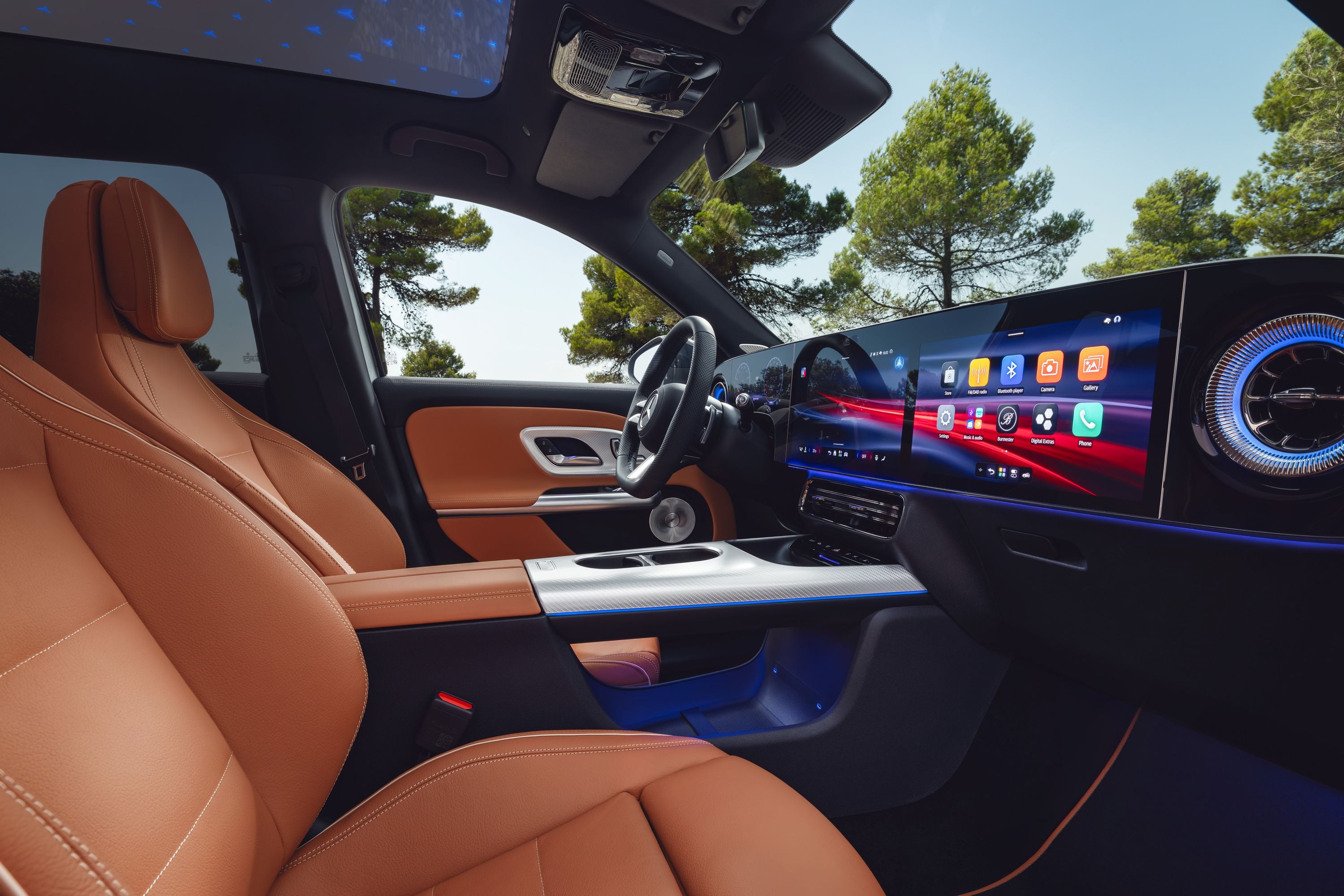
Step inside the new GLB and the technology shift becomes immediately apparent. The cabin is centred around the fourth generation of MBUX infotainment, running on Mercedes' proprietary MB.OS operating system. This represents a fundamental step forward from the previous generation, with a software-defined architecture that allows for over-the-air updates and deeper integration with third-party AI services.
MBUX Superscreen and AI-Powered Assistant
The standard setup features a dual-screen configuration, but the standout optional upgrade is the MBUX Superscreen, which adds a dedicated 14-inch passenger display alongside the driver's main screen. The effect is striking, creating a wall-to-wall digital environment that feels genuinely futuristic without sacrificing elegance.
The new MBUX virtual assistant goes beyond voice recognition. It can handle complex natural language queries using generative AI powered by ChatGPT-4o, Microsoft Bing and Google Gemini. Navigation is handled by Google Maps as standard, while electric variants gain intelligent route planning that factors in real-time range, charging station availability and traffic conditions simultaneously.
In a move welcomed by drivers who felt recent Mercedes models had become too screen-dependent, the new GLB restores physical controls to the steering wheel. These include a rocker switch for adaptive cruise control and speed limiter functions, plus a tactile roller for audio volume adjustment, providing intuitive control without screen interaction while driving.
Interested in how Mercedes approaches sustainability alongside technology in their newer models? Our feature on the Mercedes Electric C-Class and its use of 108 pounds of recycled plastic provides a fascinating look at the broader engineering philosophy behind the brand's new generation of vehicles.
Seating, Space and Cargo
The GLB remains the go-to compact luxury SUV for families who need genuine flexibility. Available in both five-seat and seven-seat configurations, the second row slides, reclines and folds in a split arrangement to accommodate taller passengers or more cargo depending on need. The optional third row provides genuine additional seating capability, and with all rear seats folded, cargo capacity is substantial.
A panoramic roof comes standard across all GLB variants, and the optional SKY CONTROL system adds electrochromic auto-dimming to keep the cabin comfortable in strong sunlight.
Safety and Driver Assistance Systems
Mercedes-Benz has engineered a comprehensive suite of advanced driver assistance technologies into the new GLB under its MB.DRIVE banner. The system integrates a seamless network of radar sensors, cameras and ultrasonic systems to monitor the vehicle's surroundings continuously.
- Adaptive cruise control with steering assist
- Active lane keeping and departure warning
- Blind spot monitoring with exit warning function
- Active emergency braking with pedestrian and cyclist detection
- Traffic sign recognition with speed limit integration
- Reversing camera with parking sensors
- Standard center airbag (a first for the GLB)
The bodyshell itself has been reinforced with a compact honeycomb energy-absorbing structure built into the side sills, enhancing side-impact protection as part of the overall passive safety package.
2027 Mercedes-Benz GLB: Pros and Cons
Pros
- Lower entry price than the outgoing model
- Electric variants save over $15,000 versus discontinued EQB
- Exceptional 570 km WLTP range for the GLB 250+ Electric
- 800-volt architecture for ultra-rapid 320 kW charging
- Fourth-generation MBUX with AI-powered voice assistant
- Physical steering controls restored for ease of use
- Available seven-seat configuration
- Larger body with improved cabin space throughout
Cons
- Third-row space remains limited for adults on longer journeys
- Full pricing for all variants yet to be confirmed
- Top-spec electric model exceeds $86,000 before on-roads
- MBUX Superscreen is optional, not standard
- Mild-hybrid specs not yet fully detailed for all markets
Why the GLB Now Replaces the EQB: What Changed?
The decision to retire the EQB name and bring electric variants back under the GLB badge is part of Mercedes-Benz's broader strategy to simplify its lineup. Running two separate names for what was effectively the same vehicle created unnecessary confusion for buyers and diluted the identity of both models.
The original EQB used a 66.5 kWh battery, offered a WLTP range of around 400 km at best, and charged at a maximum of 100 kW. The new electric GLB represents a dramatic step forward: a larger 85 kWh battery, ranges of up to 570 km, and a charging rate of up to 320 kW thanks to the 800-volt architecture. The EQB is simply outclassed in every measurable dimension by its successor.
The naming consolidation also makes long-term sense. Buyers comparing the GLB to competitors in the compact luxury SUV space, such as the BMW iX3 or Audi Q4 e-tron, now face a single, clearer proposition rather than a confusing split between GLB and EQB.
For those also evaluating the wider Mercedes compact family, the upcoming 2028 Mercedes-Benz GLA EV and hybrid follows a similar philosophy, unifying its lineup on the same MMA platform with 800-volt charging and MBUX Gen 4 technology.
Built on the Same Platform as the New CLA
The second-generation GLB shares its underpinnings with the redesigned Mercedes-Benz CLA, which launched earlier as a 2026 model for the US market. This shared modular architecture delivers tangible benefits for the GLB, including a more sophisticated suspension setup, a lower vehicle weight relative to capability, and the ability to support both hybrid and fully electric powertrains without compromise.
Production for the hybrid variants takes place at the Kecskemét, Hungary factory, where Mercedes builds a number of its compact model range. The electric GLB is built to meet both European and Australian market specifications, with local deliveries now underway.
This generation of the GLB also marks a deliberate engineering philosophy shift: electric powertrains are the lead development priority, with the hybrid variants engineered around the same core architecture rather than being adapted from a petrol-first design. If you want to understand what that means for performance at the extreme end of the Mercedes range, our feature on the 2027 Mercedes-AMG GT Electric Super SUV explains how Affalterbach is applying this same electric-first philosophy to its highest-performance models.
How the New GLB Stacks Up Against the Competition
The compact luxury SUV segment is highly competitive in 2026-2027. The GLB's most direct rivals in the seven-seat space include the BMW iX3 (five-seat), Audi Q4 e-tron, Volvo EX60 and Kia EV6 GT. None of these, however, offer a genuine seven-seat option within the same compact footprint.
The GLB's combination of optional seven-seat configuration, 570 km electric range, 800-volt charging, and fourth-generation MBUX gives it a strong competitive argument. Its price reduction over the outgoing generation also makes it more accessible within the luxury SUV bracket.
For buyers evaluating how the wider luxury electric SUV segment is evolving, including how the GLC EV compares directly to rival offerings from BMW, our comprehensive Mercedes GLC EV versus BMW iX3 comparison provides detailed analysis across performance, range and technology.
Frequently Asked Questions: 2027 Mercedes-Benz GLB
Final Verdict: A Generational Step Forward for the GLB
The 2027 Mercedes-Benz GLB is not a minor refresh. It is a ground-up rethink of what a compact luxury family SUV should be. With a price point that is actually lower than the model it replaces, electric range figures that eliminate the anxiety that plagued the EQB era, 800-volt charging capable of 320 kW, and an AI-powered infotainment suite that sets a new standard for interaction in this class, the new GLB arrives as a genuinely compelling proposition.
The return of physical steering wheel controls alongside the digital sophistication of MBUX Gen 4 shows that Mercedes has listened carefully to feedback and found a sensible balance. For families who need real-world versatility, including optional seven-seat capacity, a large boot, and an SUV that grows with their needs, the GLB covers all bases more thoroughly than any version before it.
For those already committed to the Mercedes compact family ecosystem, and those exploring it for the first time, the 2027 GLB is the strongest argument yet for choosing this segment over a traditional large SUV.
Stay Ahead of the Latest Automotive News
Explore more in-depth reviews, pricing guides and electric vehicle comparisons at AutoNewsLine.
Browse More Car News


