

Kia PV7 Electric Van: 9 Seats, 800V 350 kW Charging, Cargo and Passenger Versions Explained
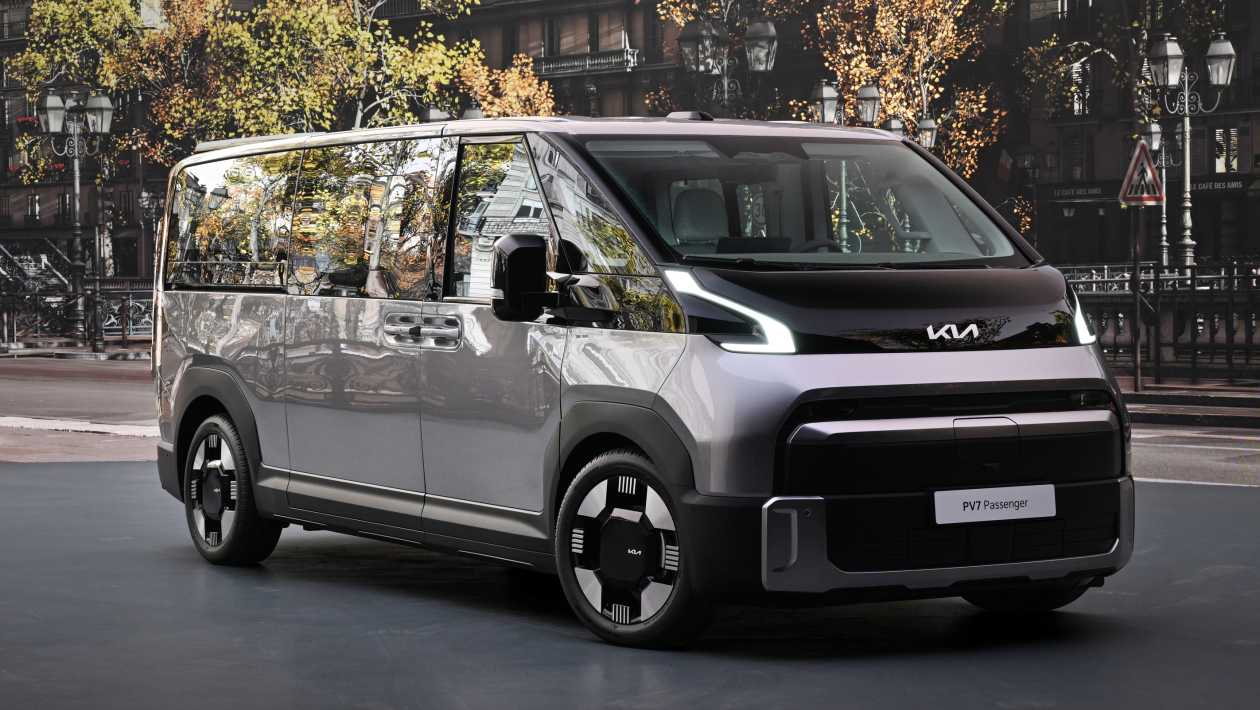
Kia has officially unveiled the Kia PV7, a larger and more capable all electric van positioned above the PV5 in the brand’s dedicated PBV lineup. It is designed for real world passenger transport and commercial operations, with a flat floor E-GMP.S platform, high speed charging, and a clear focus on fleet software and uptime.
Quick summary for busy readers
- Body styles: PV7 Passenger and PV7 Cargo
- Seating: up to 9 occupants globally and up to 11 occupants in Korea
- Batteries: 71.5 kWh and 96.2 kWh NCM packs
- Charging: 800V architecture, up to 350 kW DC fast charging, 10 to 80 percent in the mid 20 minute range (claimed by Kia)
- Range target: Long Range Cargo offers over 460 km WLTP range target, subject to homologation
- Cargo volume: up to 6.1 cubic meters in Cargo Long, up to 8.0 cubic meters in Cargo High Roof (VDA)
- Payload: up to 1,165 kg (Long) and up to 1,200 kg (Compact)
If you want broader context on Kia’s PBV strategy and why the PV5 mattered first, this overview on our site is a helpful starting point: Kia PBV lineup and electric van roadmap.
Kia PV7 image gallery (from the original Auto Express gallery)
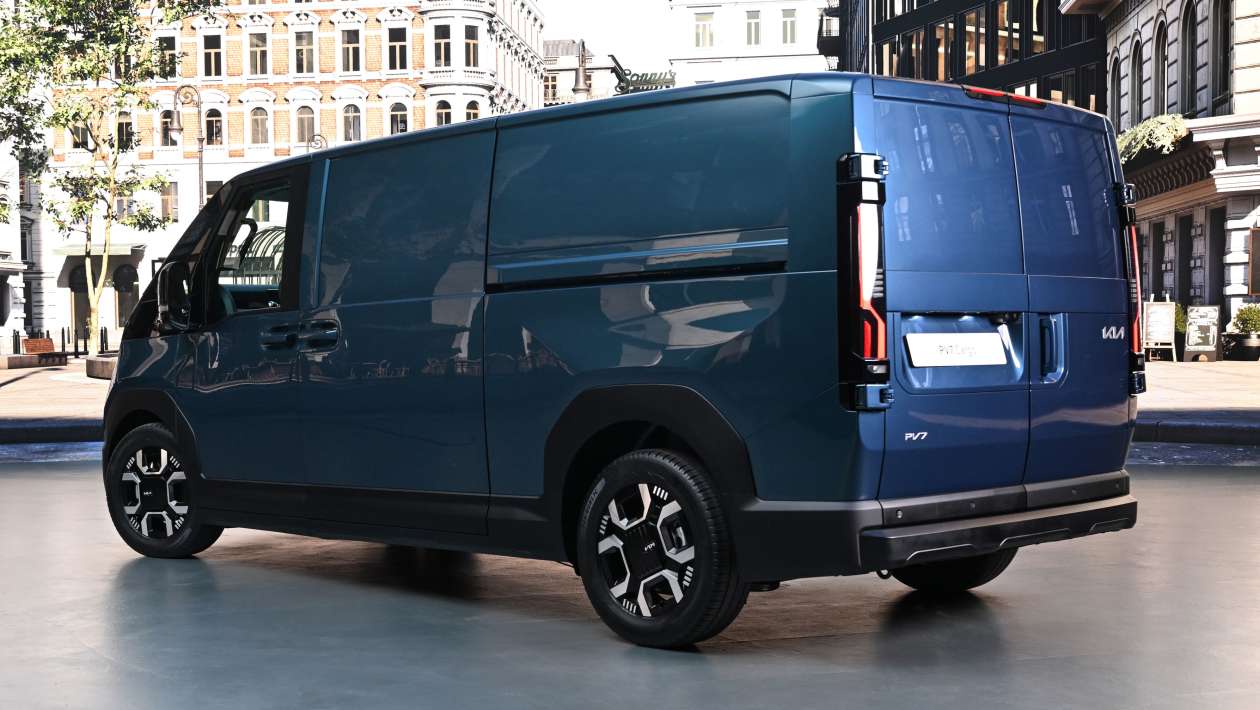
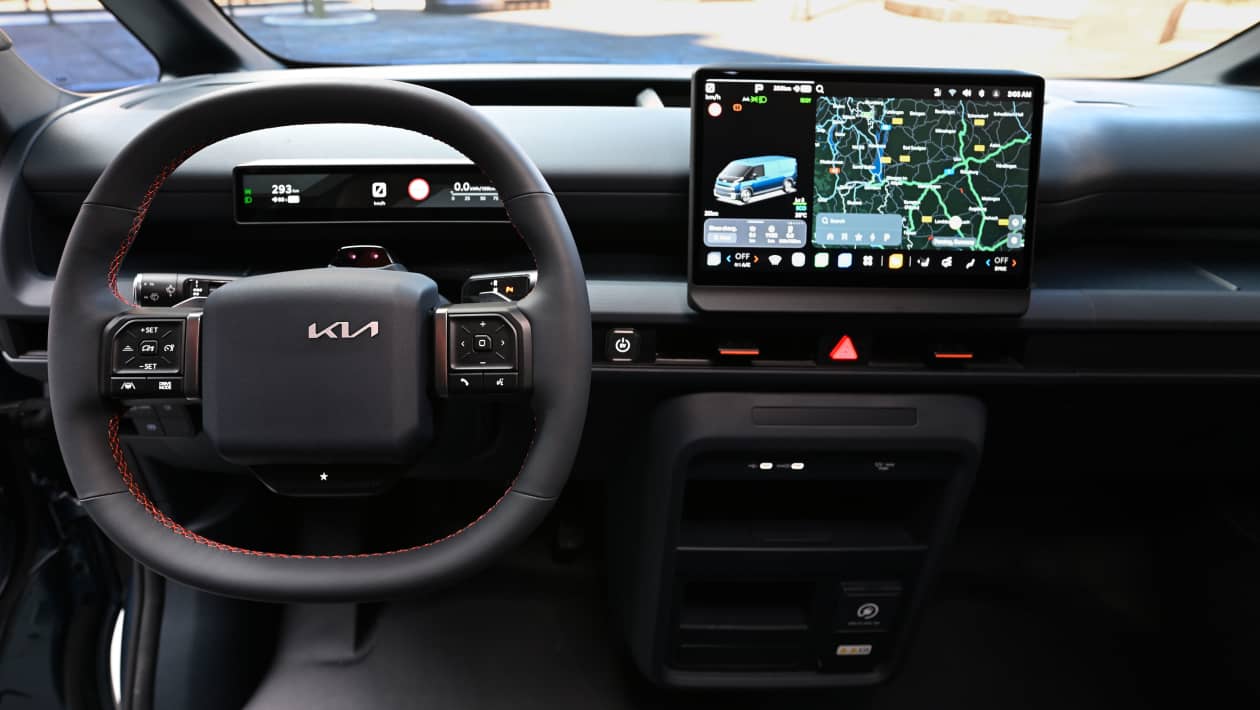
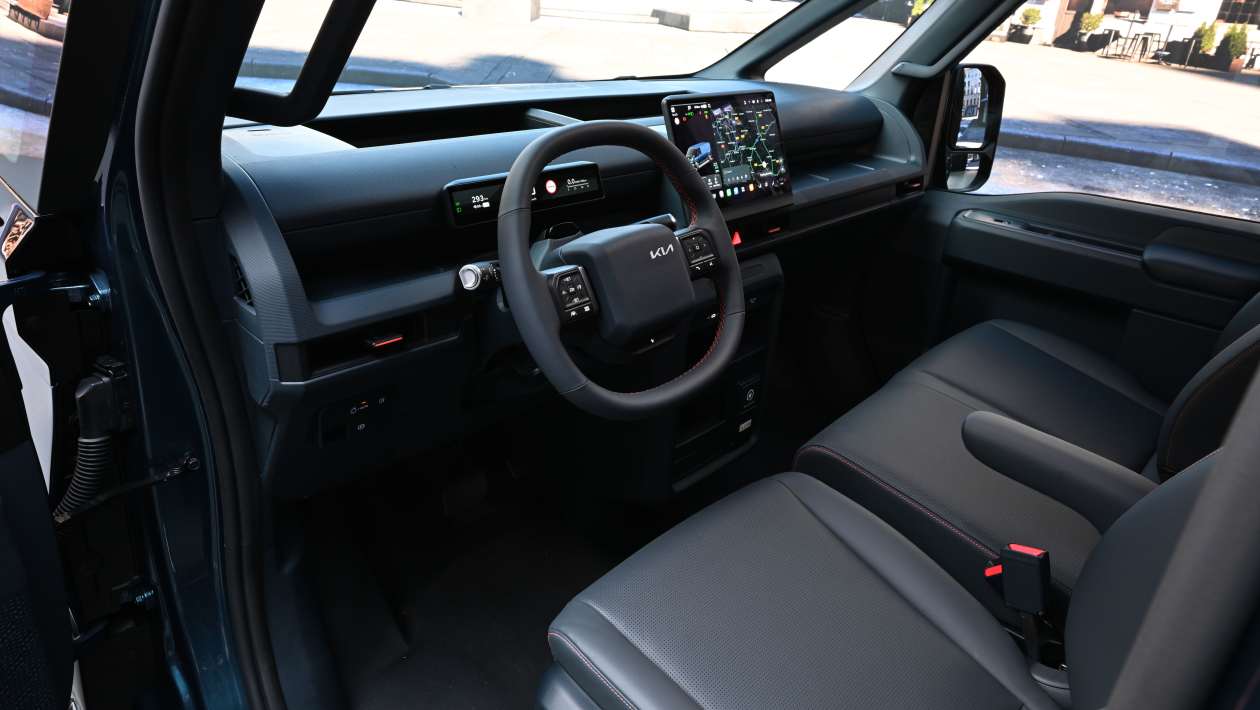
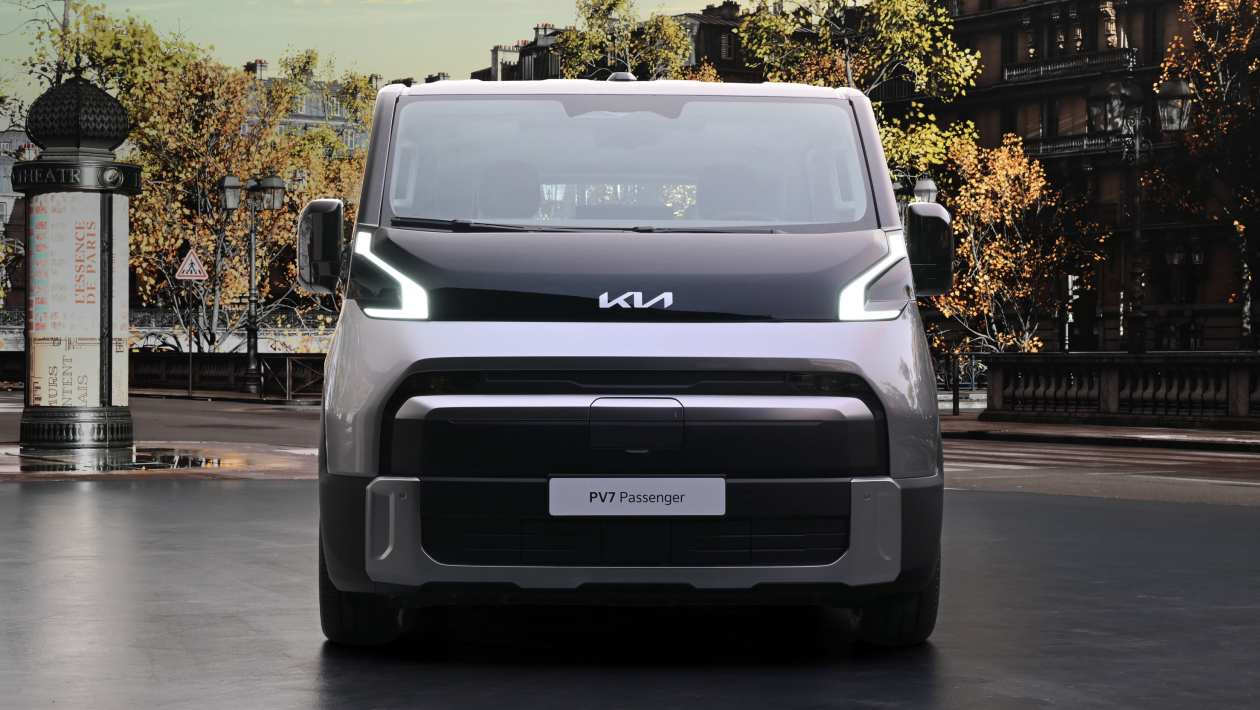
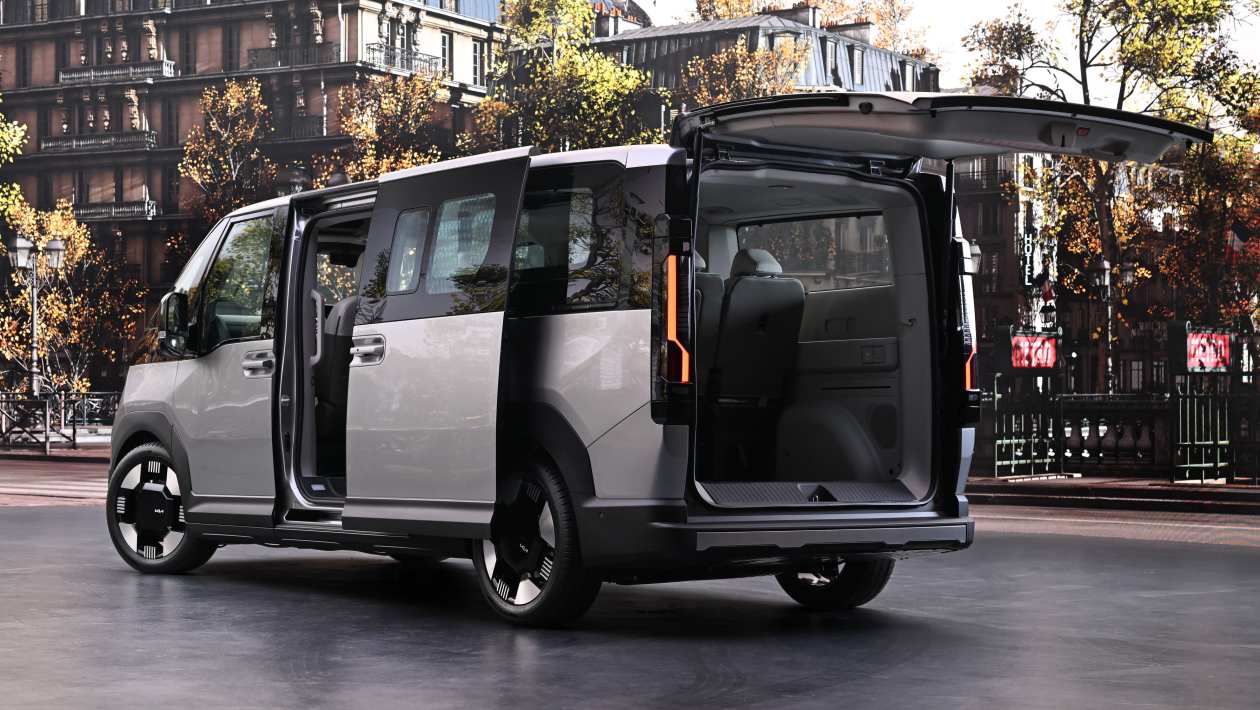
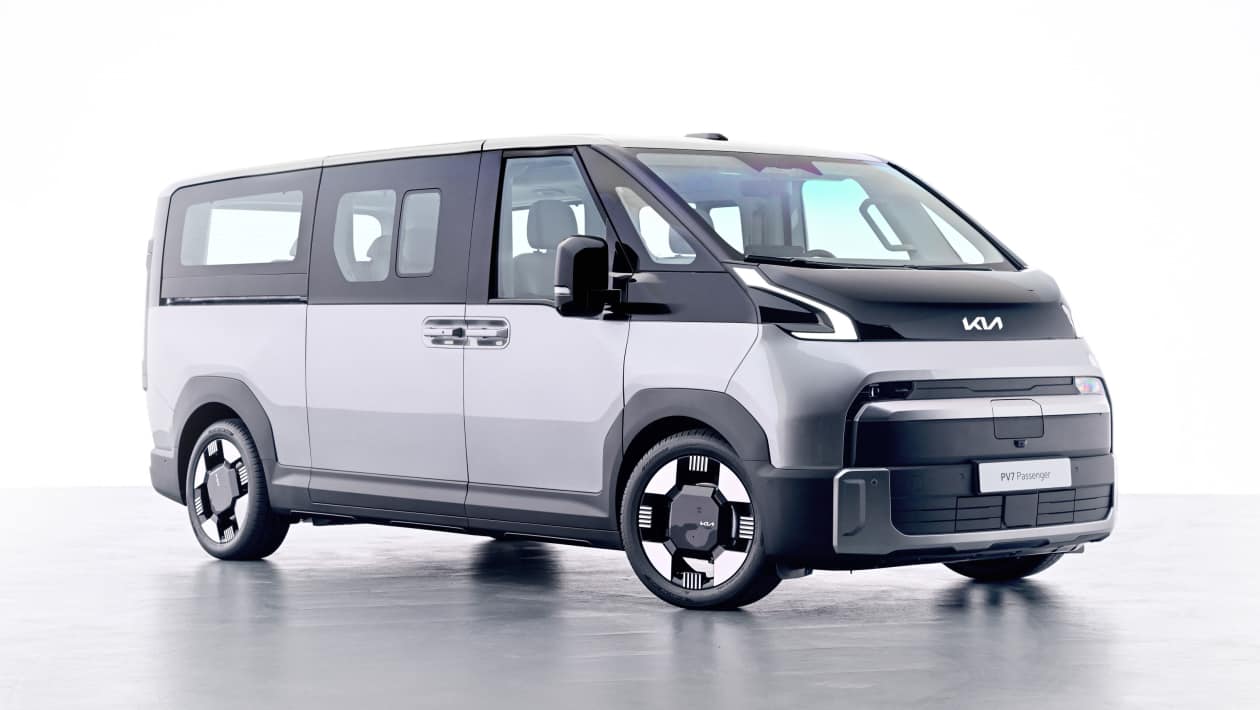
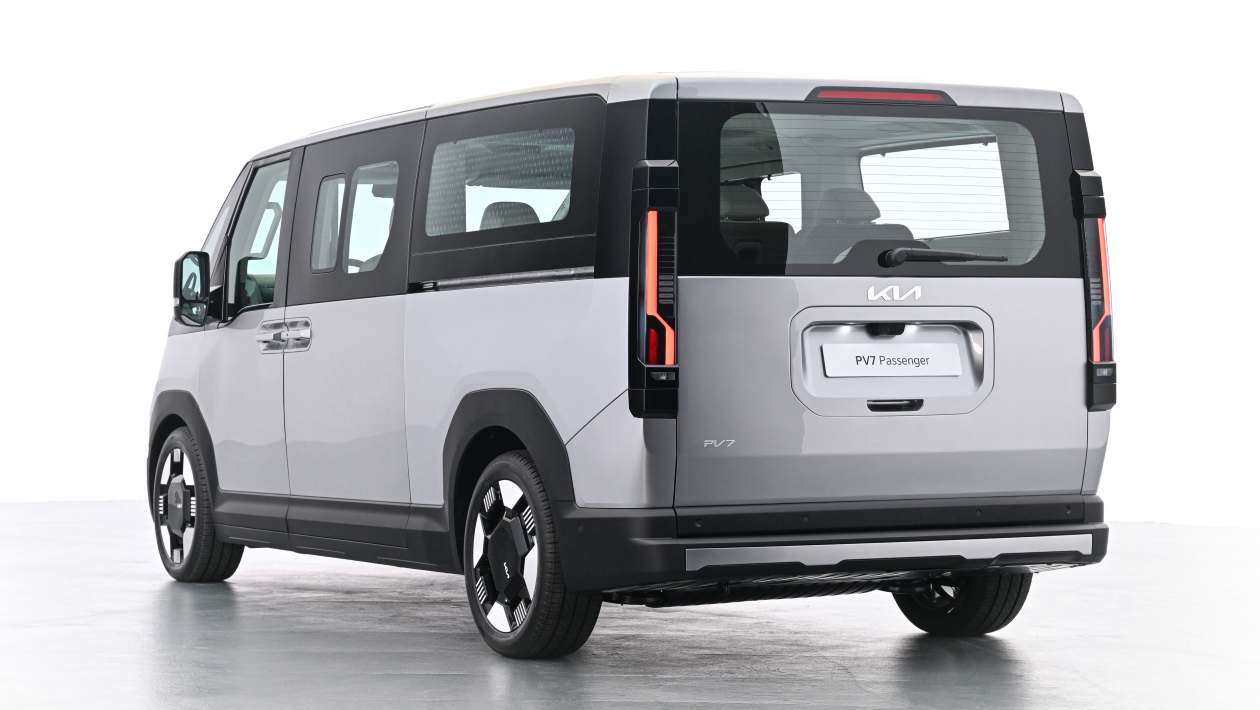
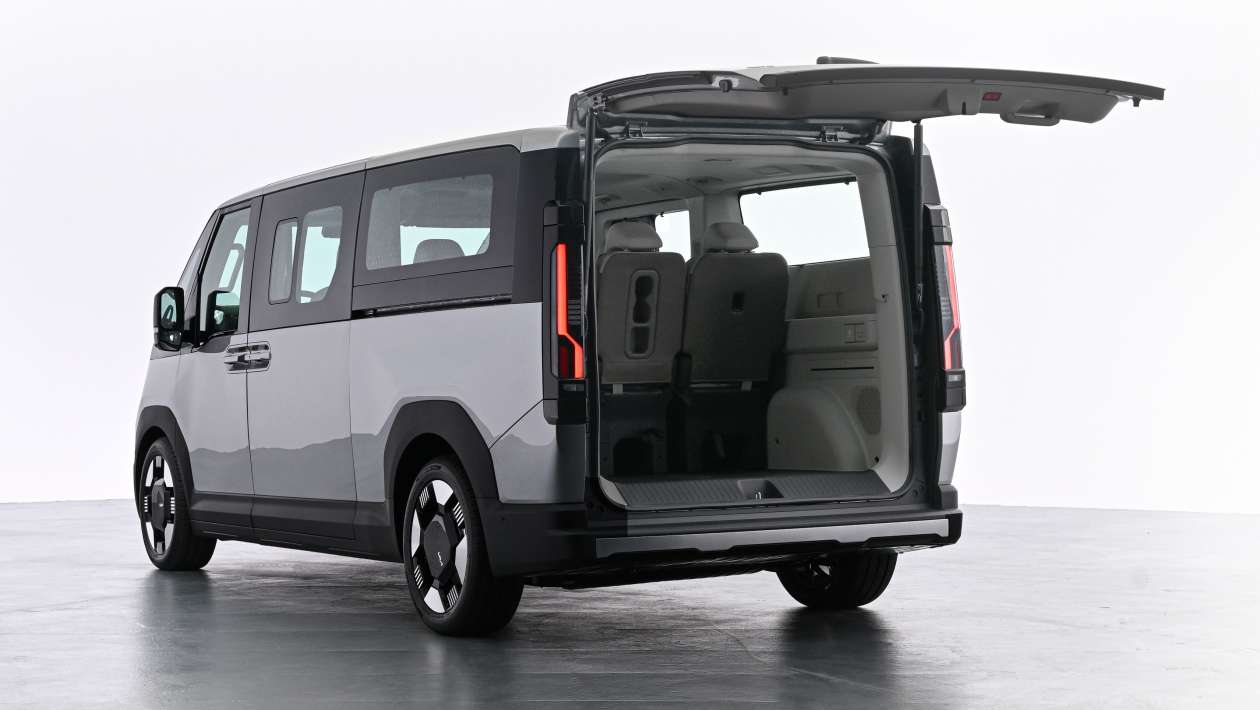
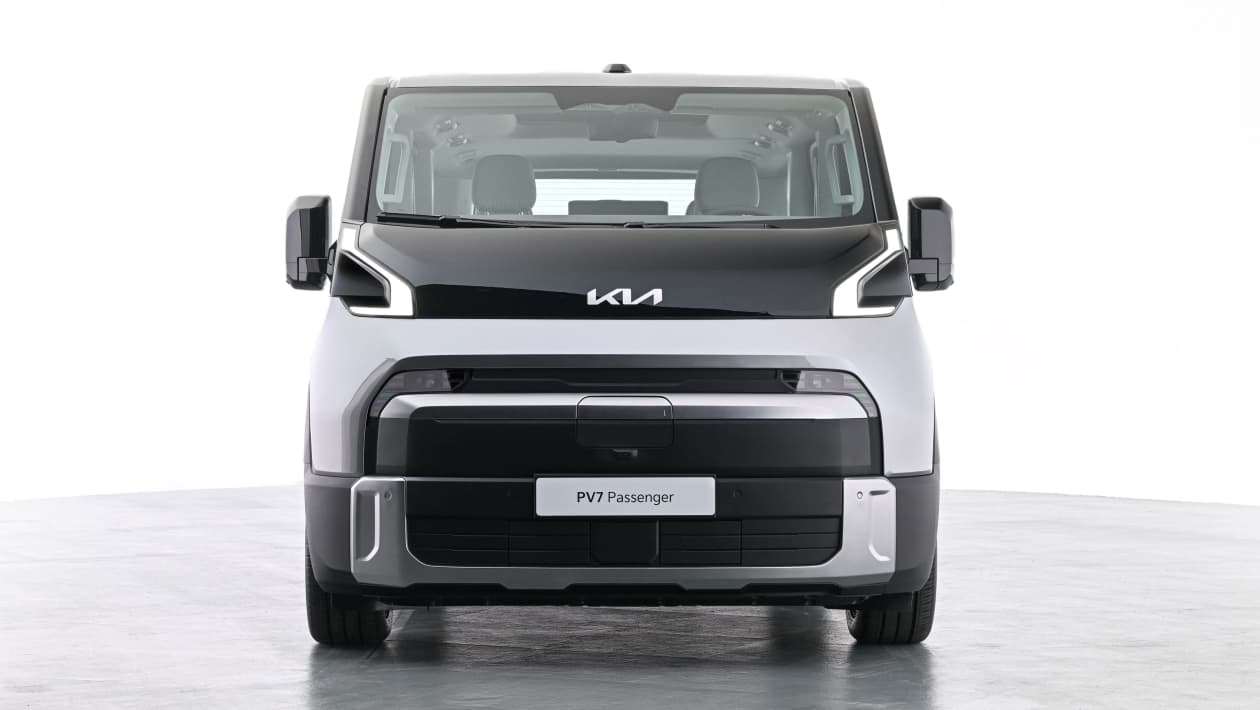
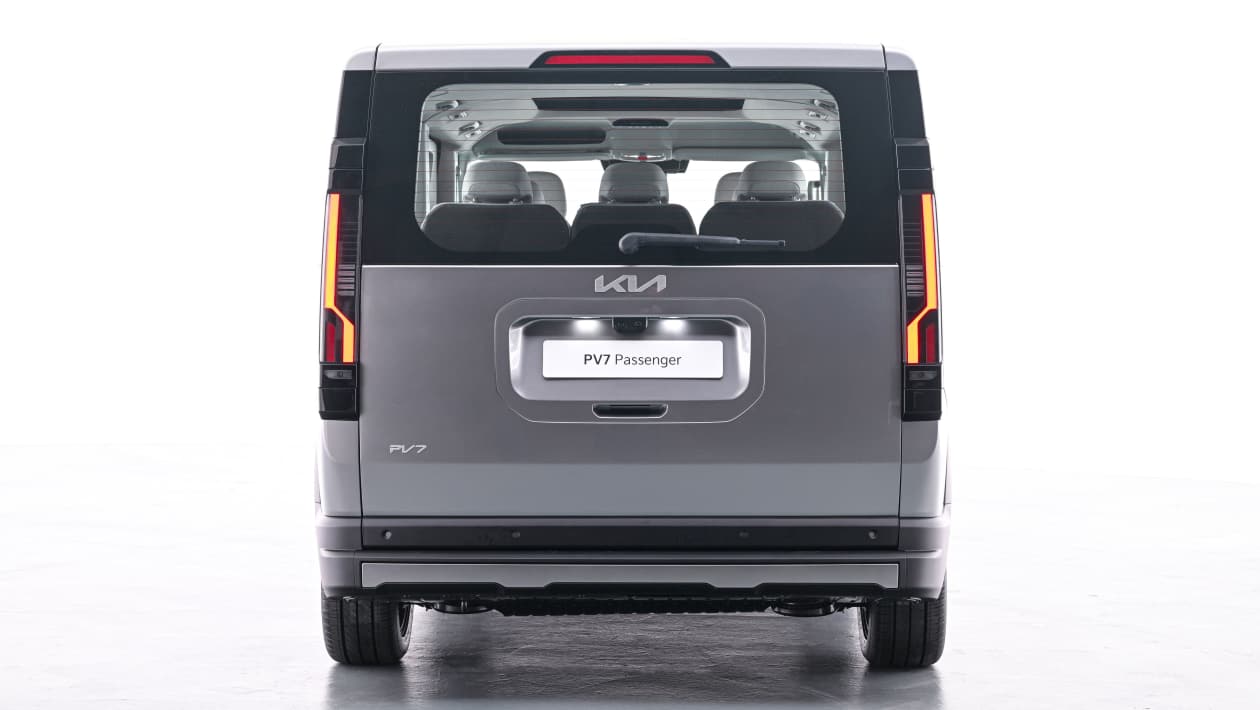
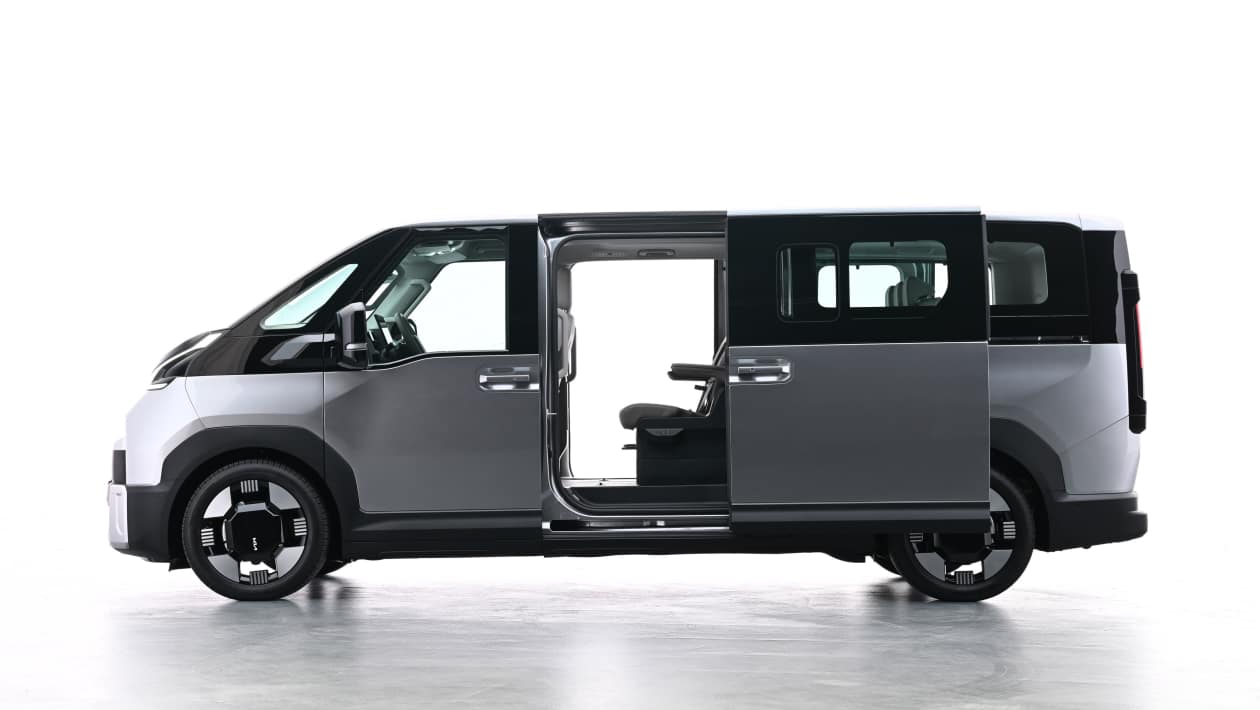
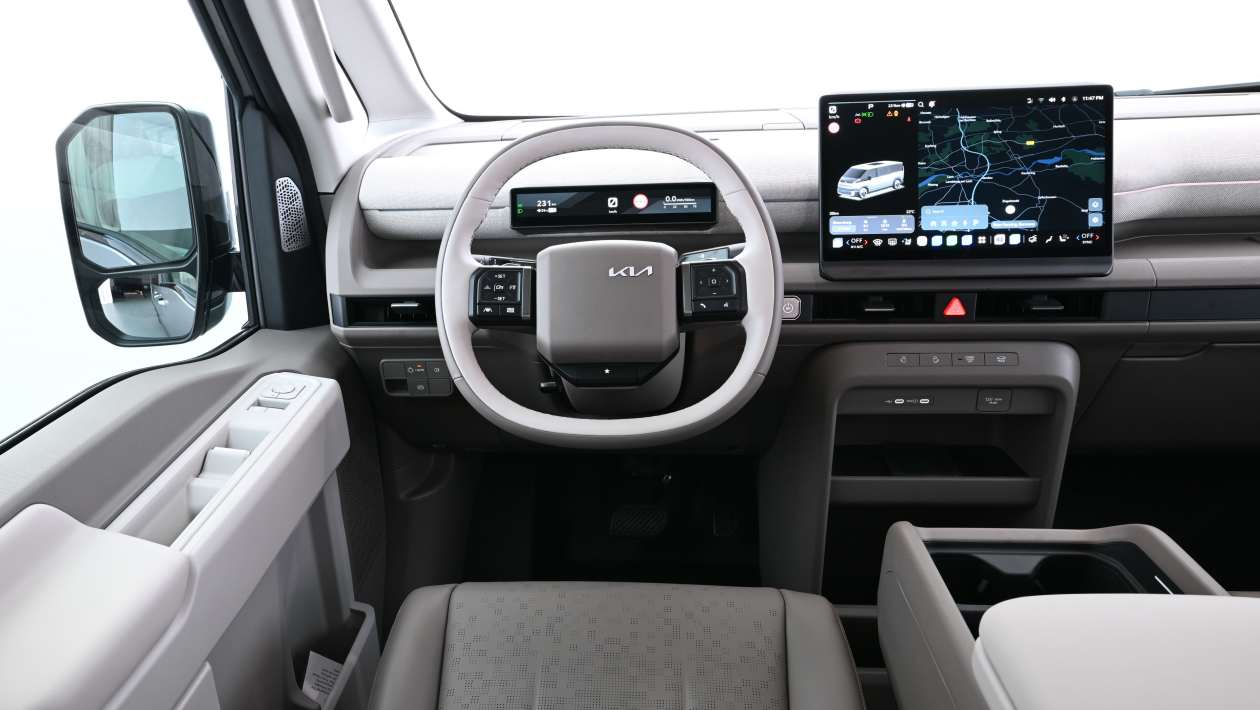
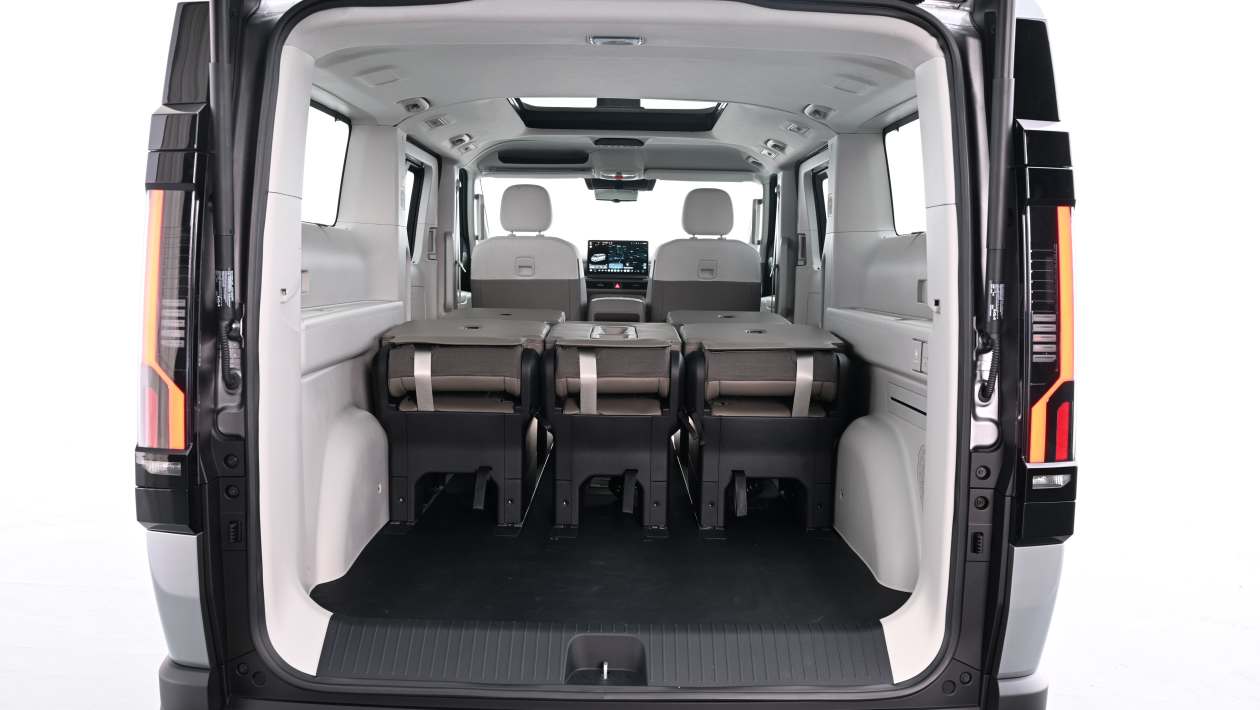
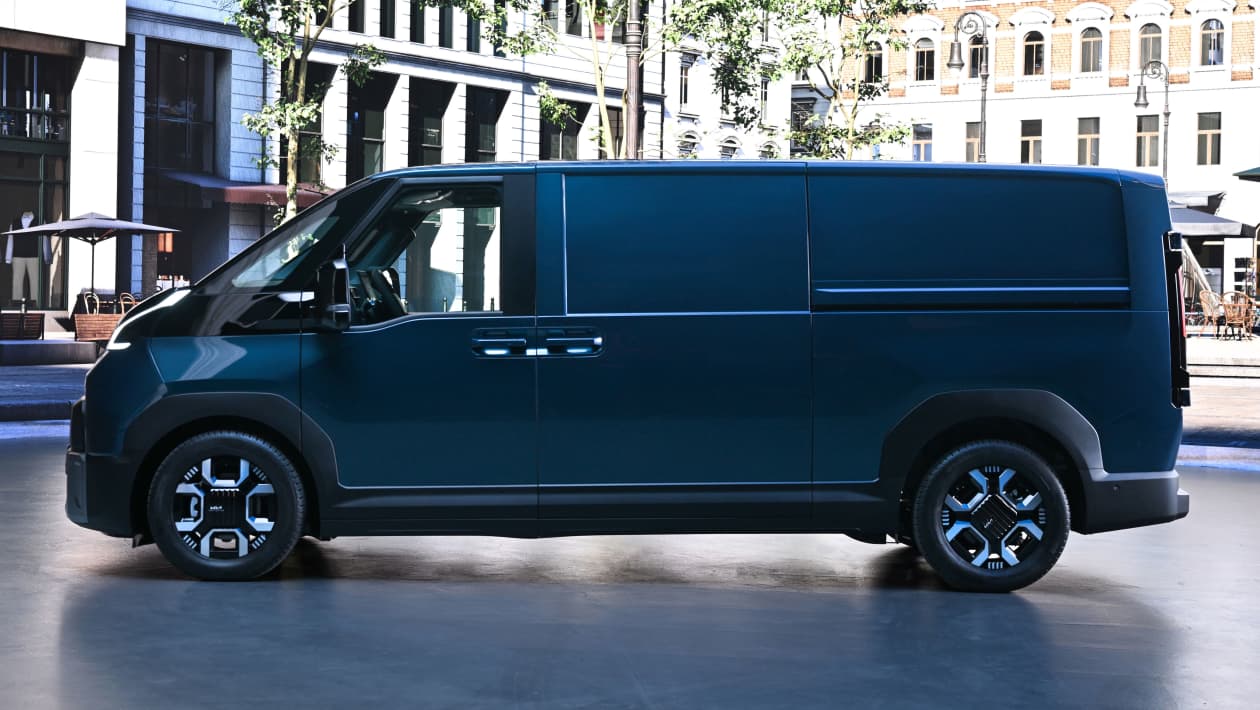
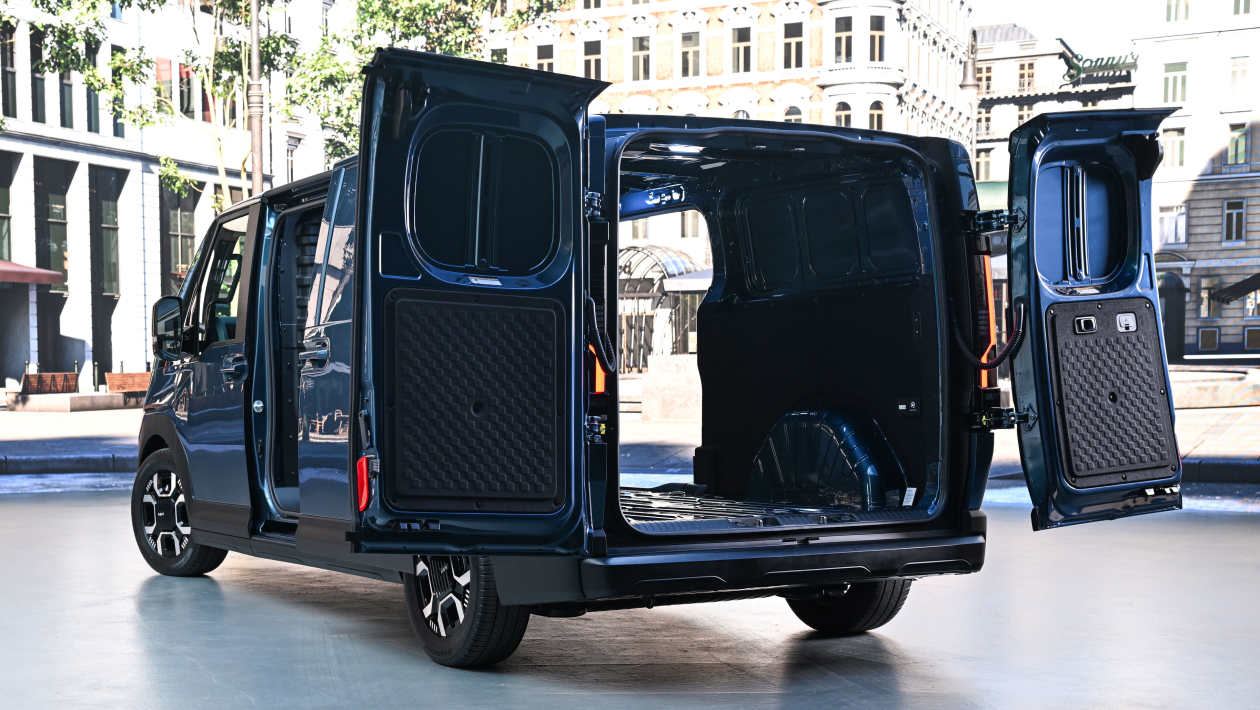
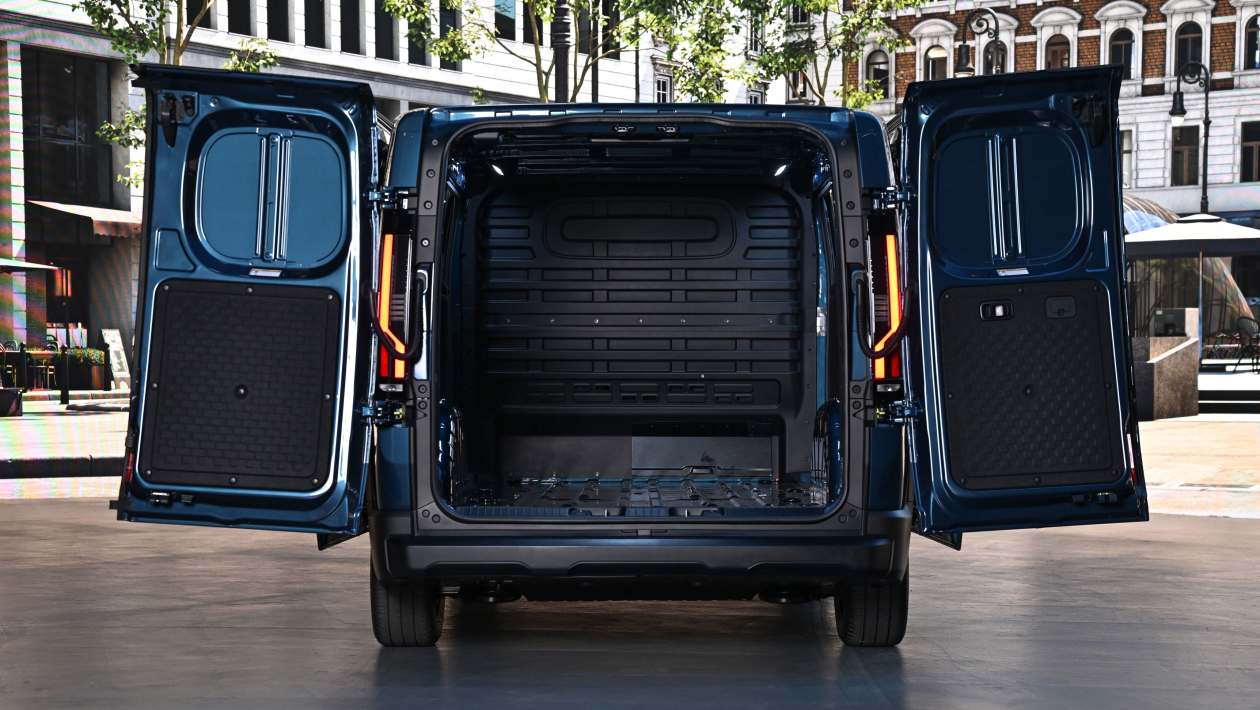
What is the Kia PV7?
PV7 is Kia’s second dedicated all electric PBV model, created to expand the PBV lineup into the light commercial vehicle segment. Kia positions it as a business tailored tool that combines hardware, software, and services, rather than just a single vehicle product.
PV7 size and positioning: bigger than PV5, aimed at serious work
Auto Express reports the PV7 is 5,350 mm long, making it notably larger than the PV5 (listed there as just under 4.7 meters in its longest current form). That extra length is what enables multi row passenger layouts and more usable cargo configurations.
PV7 Passenger vs PV7 Cargo: the differences that matter
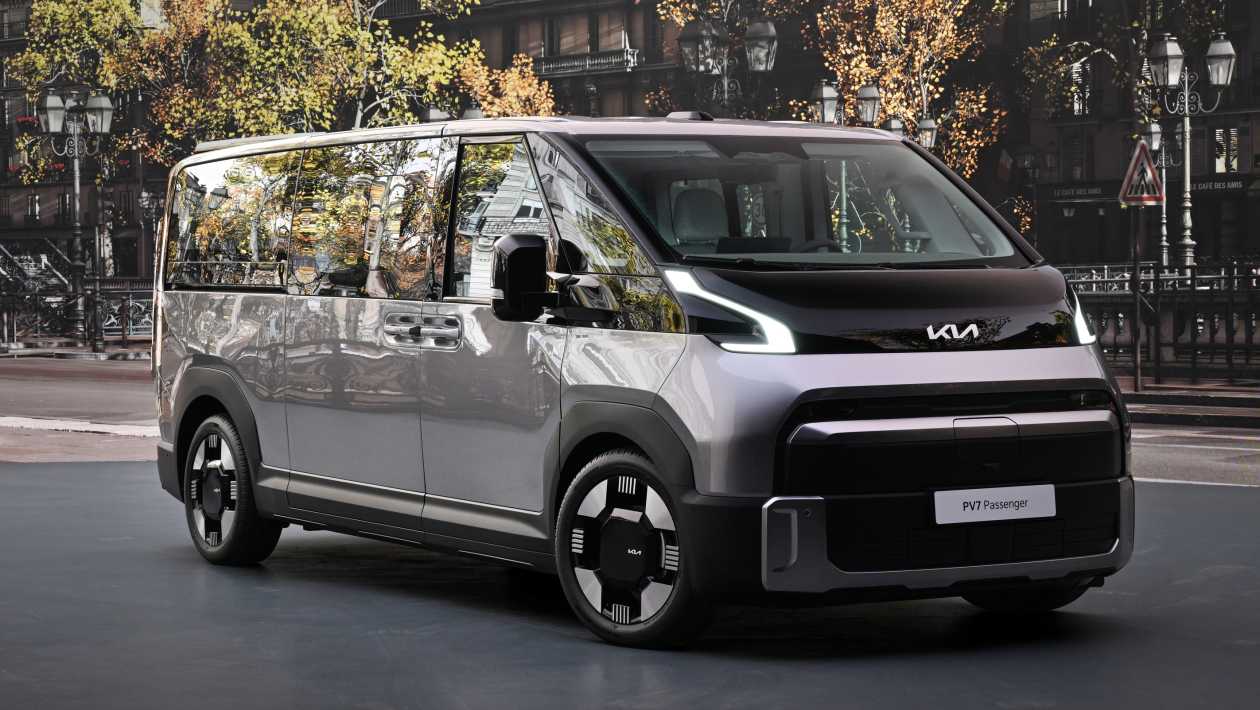
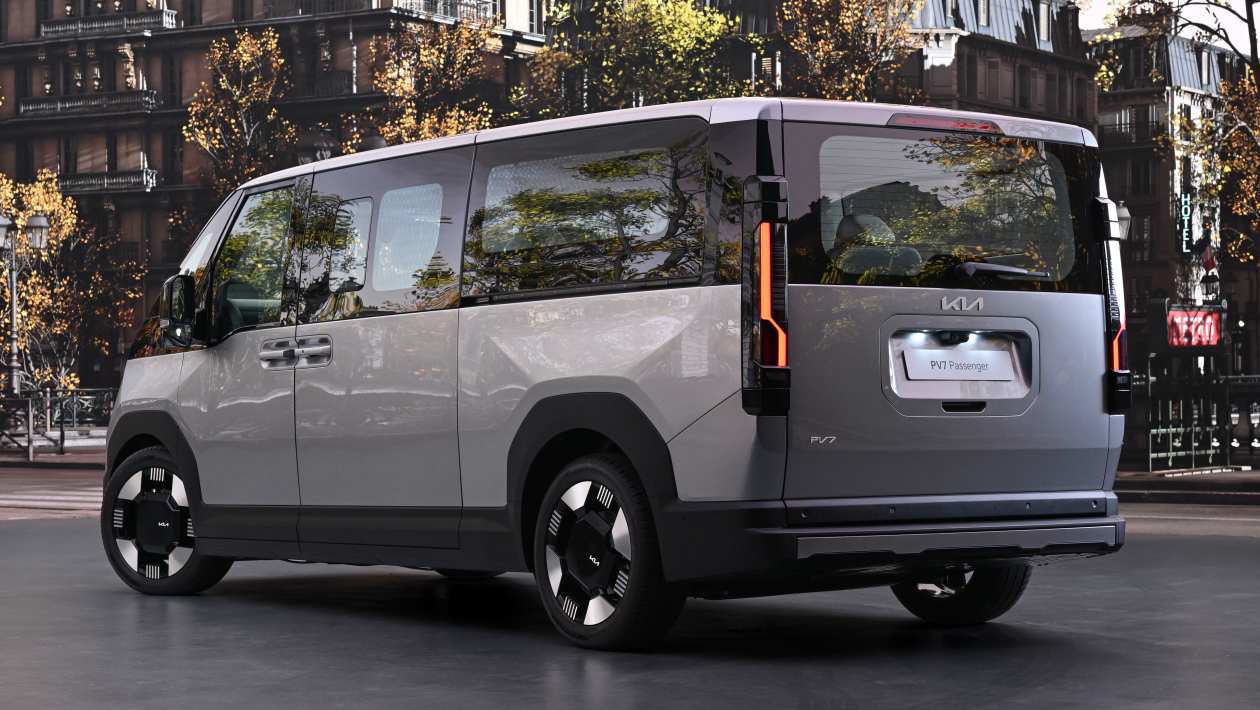
PV7 Passenger
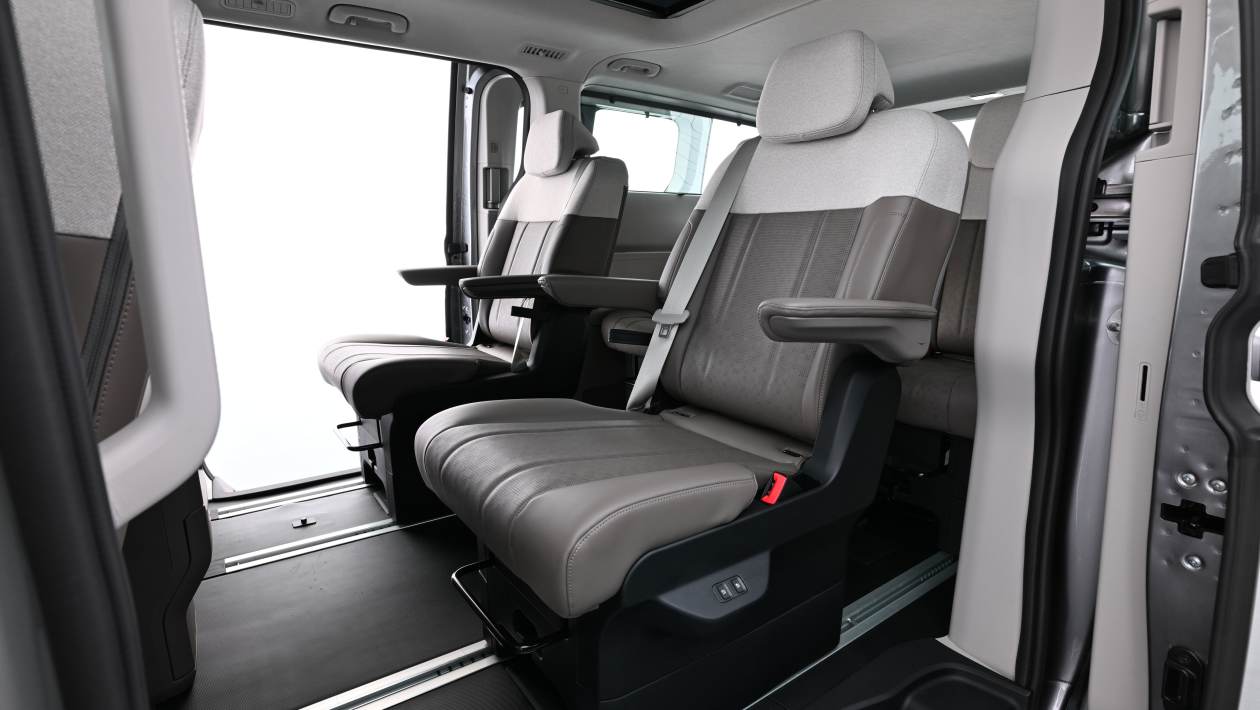
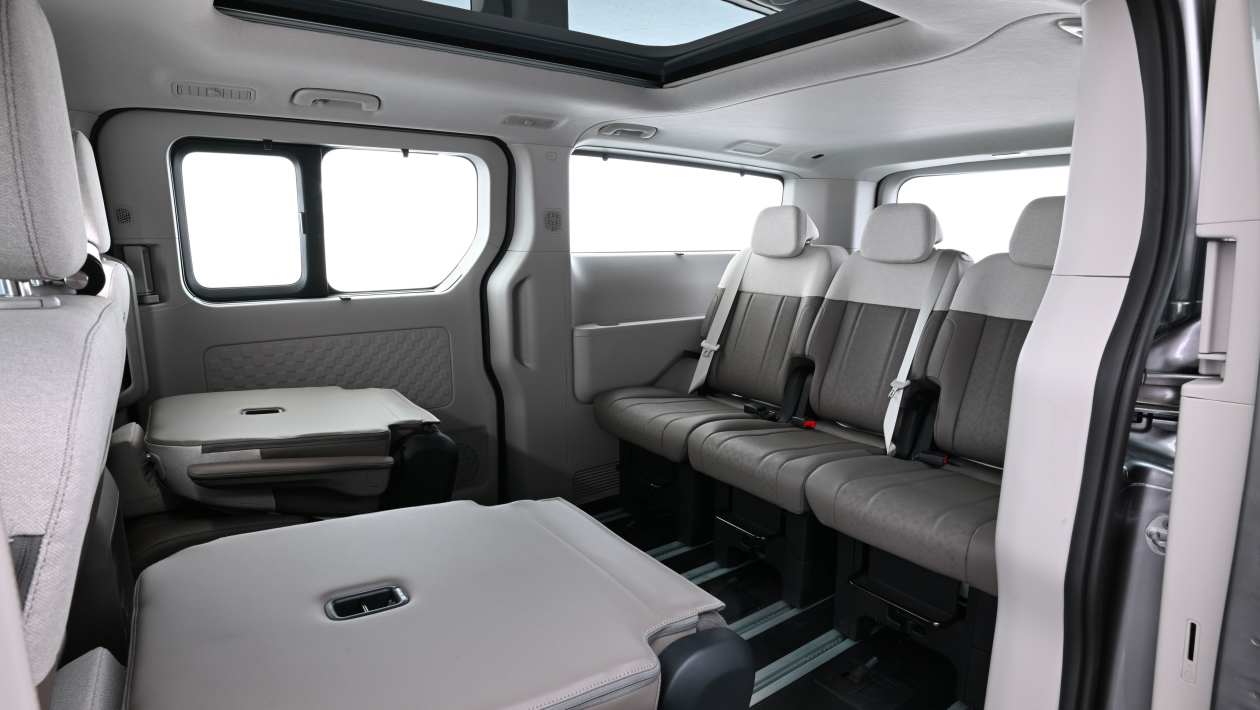
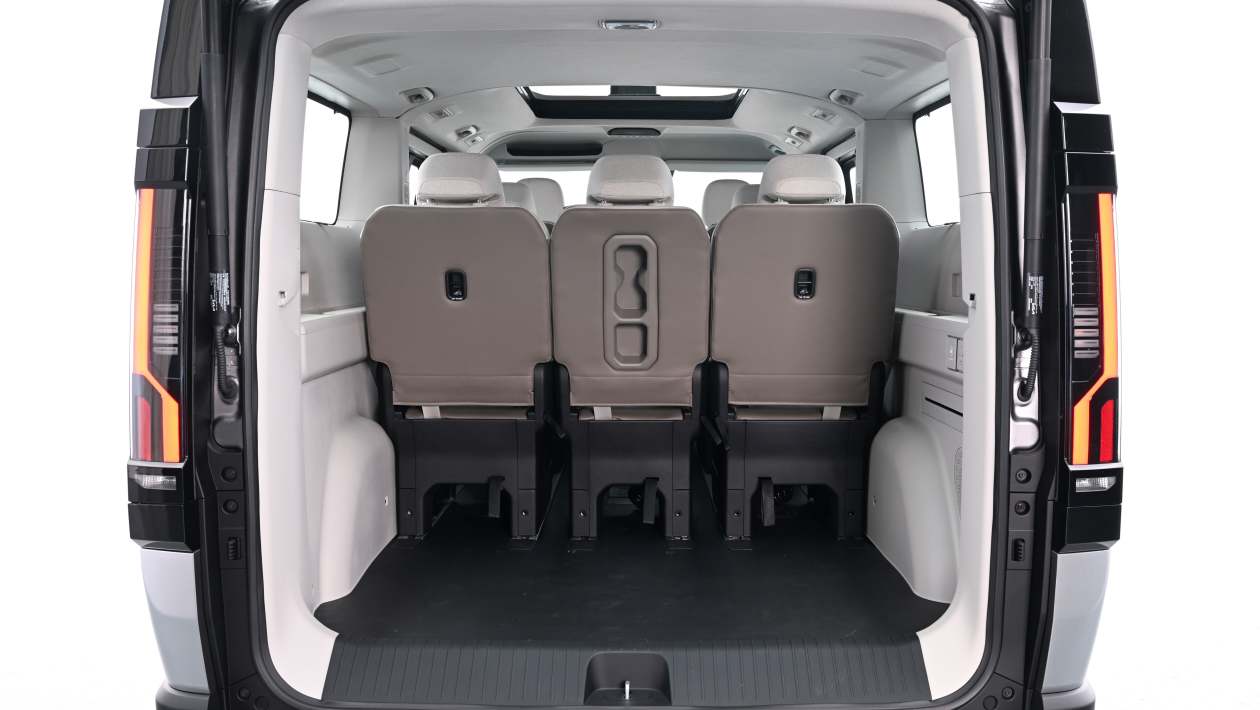
- Seats: up to 9 occupants globally, and up to 11 occupants in Korea
- Flexible seating: Kia says the 7 seat model uses Long Rail Easy Remove Seats for quick reconfiguration
- Convenience features mentioned by Kia: rear climate control, available 100W USB C charging, and storage solutions
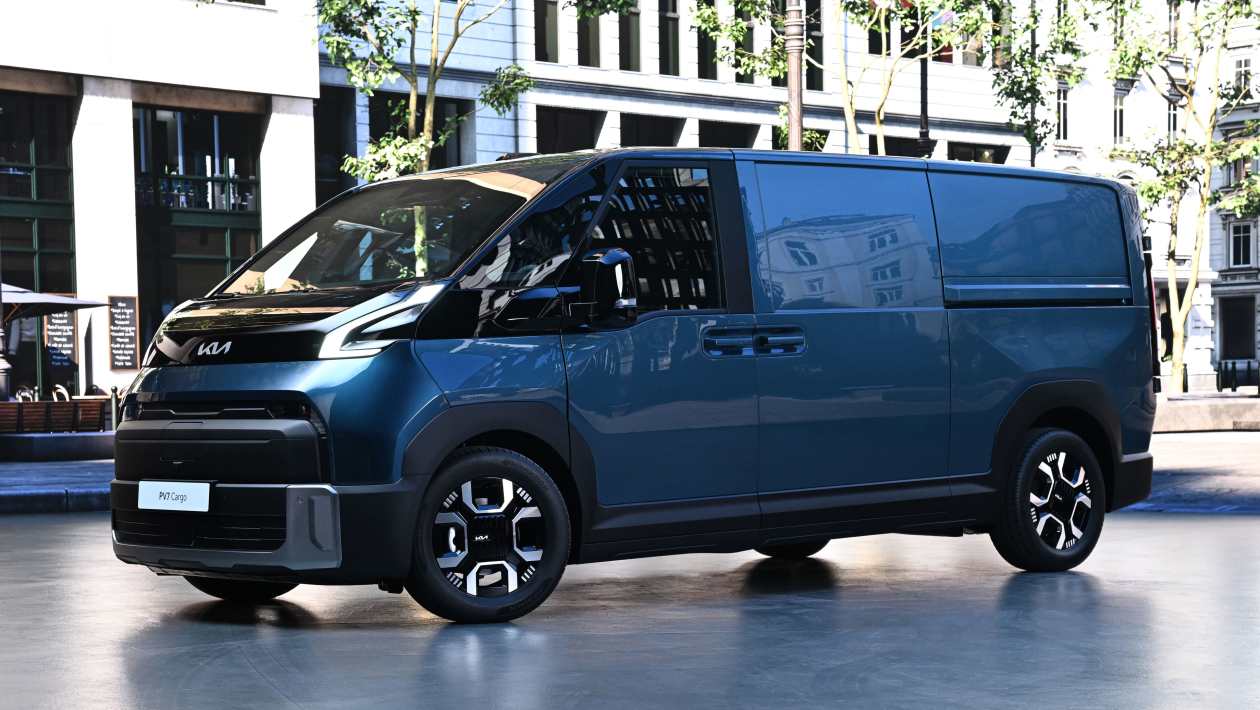
PV7 Cargo
- Cab layouts: 2 seat or 3 seat configurations
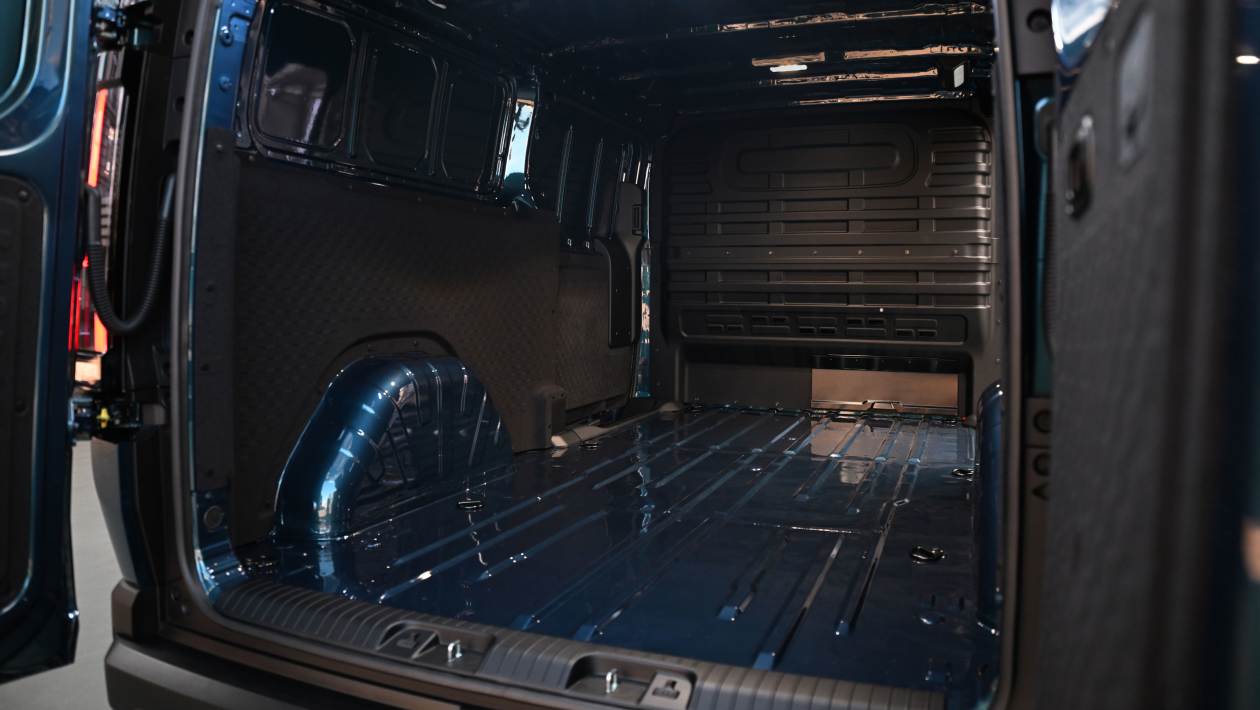
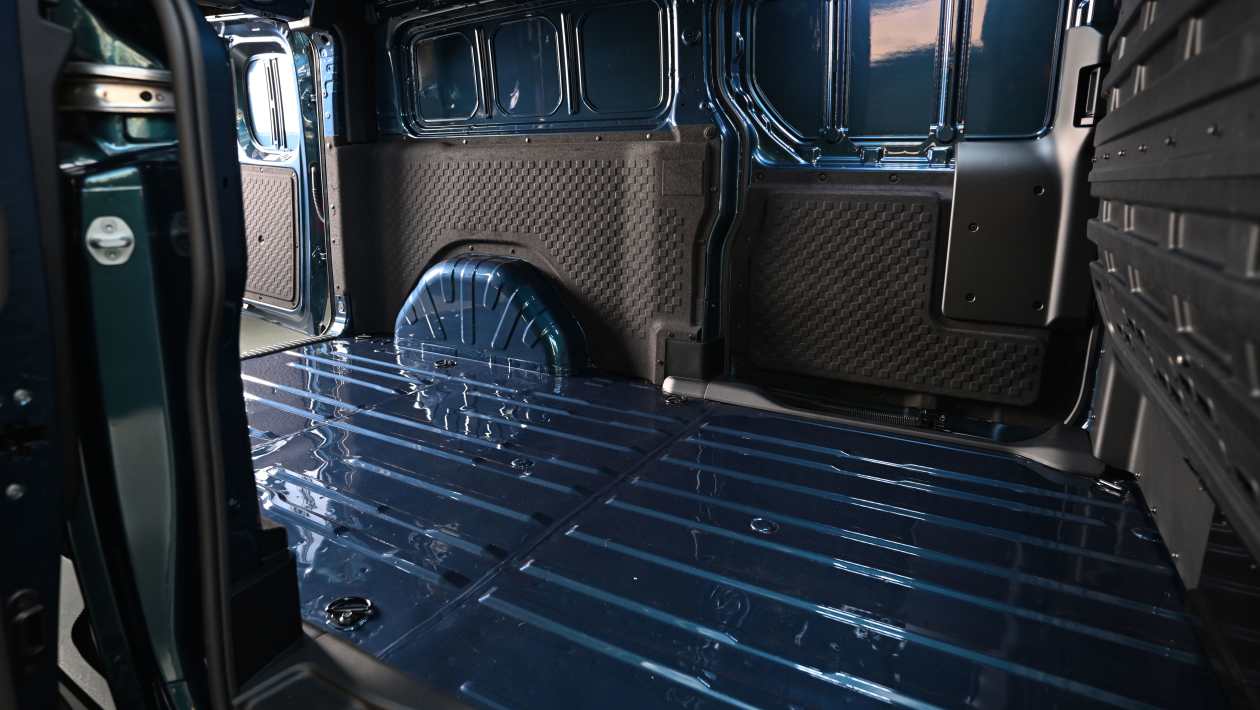
- Cargo volume: up to 6.1 cubic meters in Cargo Long, up to 8.0 cubic meters in Cargo High Roof (VDA)
- Payload: up to 1,165 kg for Long and up to 1,200 kg for Compact
- Work focused details: 550 mm loading height on the Long and capacity for up to three Euro pallets
- Doors and security: twin swing tailgate or lift up tailgate, plus features like cargo door status monitoring and independent cargo door lock and unlock
Batteries, range, and charging: the headline numbers (and the fine print)
Battery options
Kia lists two NCM battery packs: 71.5 kWh and 96.2 kWh.
Range target
Kia states the Long Range Cargo variant offers over 460 km of all electric range on the WLTP cycle as a target, and notes it is based on internal testing and subject to WLTP homologation.
Powertrain
Kia says output is up to 200 kW and 420 Nm to the front wheels, with front wheel drive standard and an all wheel drive variant planned as a future addition. Auto Express also reports a front motor setup producing 262 bhp and 420 Nm, and claims there is no sign yet of a dual motor all wheel drive version. The safest takeaway is that Kia has stated an AWD plan, while some early media coverage suggests it may not be confirmed for all markets at launch.
Charging performance
Kia’s PV7 uses an 800V architecture and supports up to 350 kW DC fast charging. With the larger battery pack, Kia claims a 10 to 80 percent charge in the mid 20 minute range using a 350 kW DC fast charger.
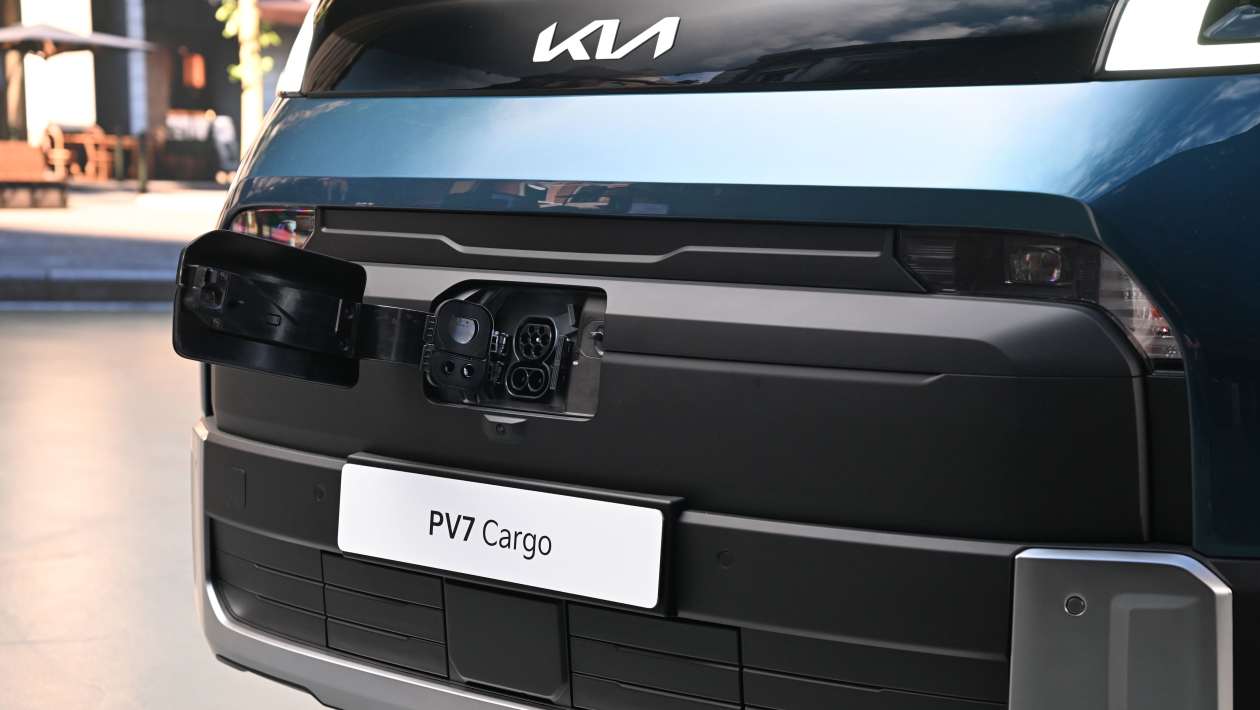
Kia also says the PV7 offers dual charging ports including a front AC DC port and an optional rear side AC port to improve flexibility in tight depots and varied parking layouts.
If you want an easy explanation of what 800V architecture can change, plus the idea of C rate fast charging in plain language, this article on our site is useful background: 800V architecture and fast charging explained.
Inside the PV7: Pleos Connect, Android Automotive, and practical storage
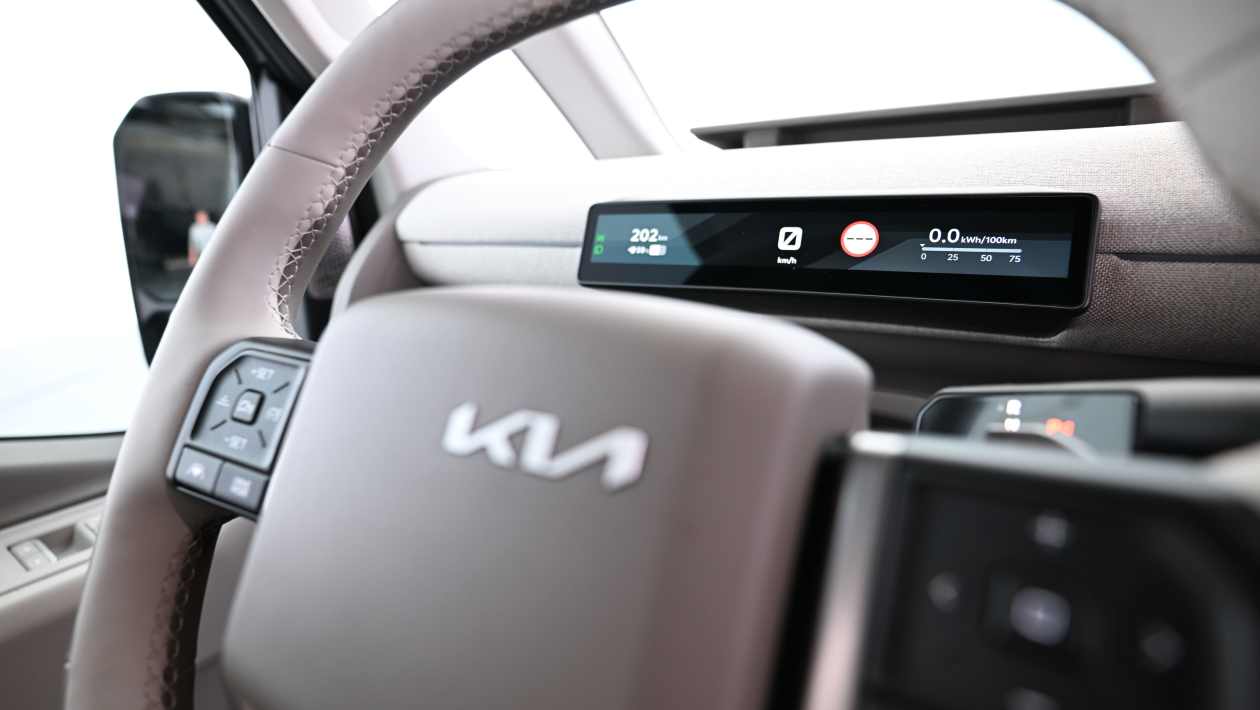
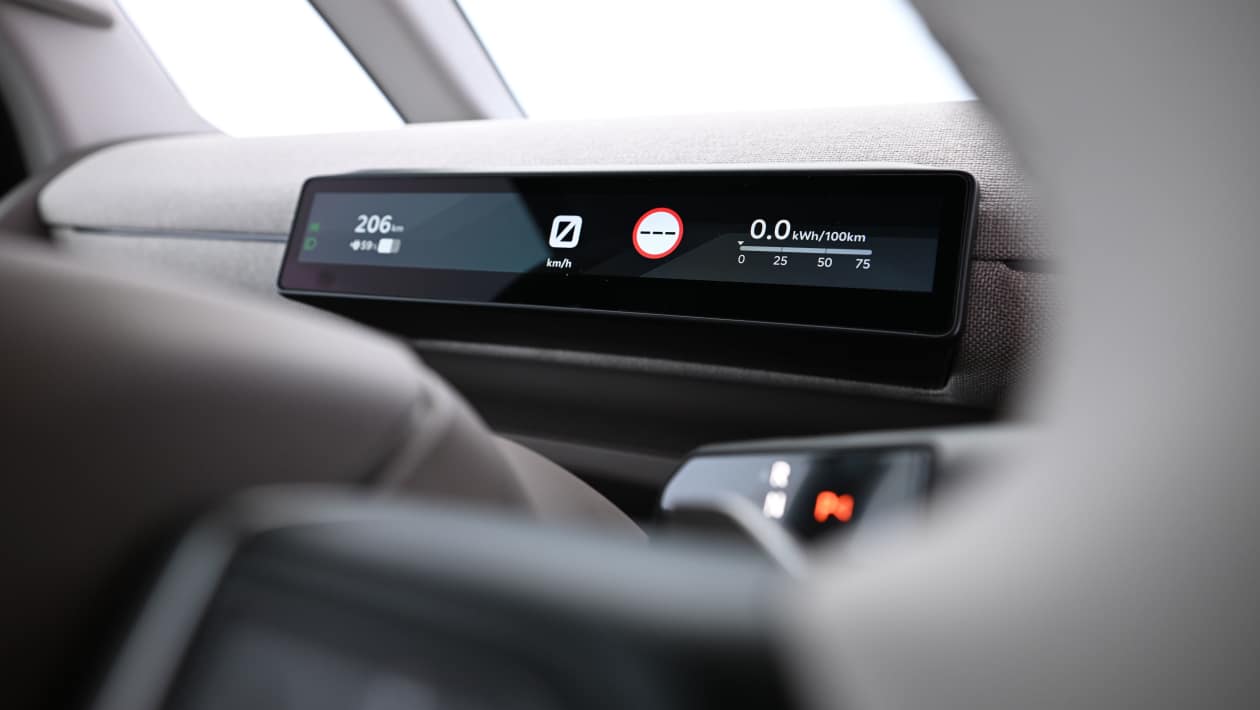
Kia says the PV7 uses Pleos Connect based on Android Automotive OS, with an app marketplace (including business apps), flexible screen layouts, connected navigation, and over the air updates. Kia also mentions Gleo AI, an AI powered voice assistant for natural language control of vehicle, navigation, and messaging functions.
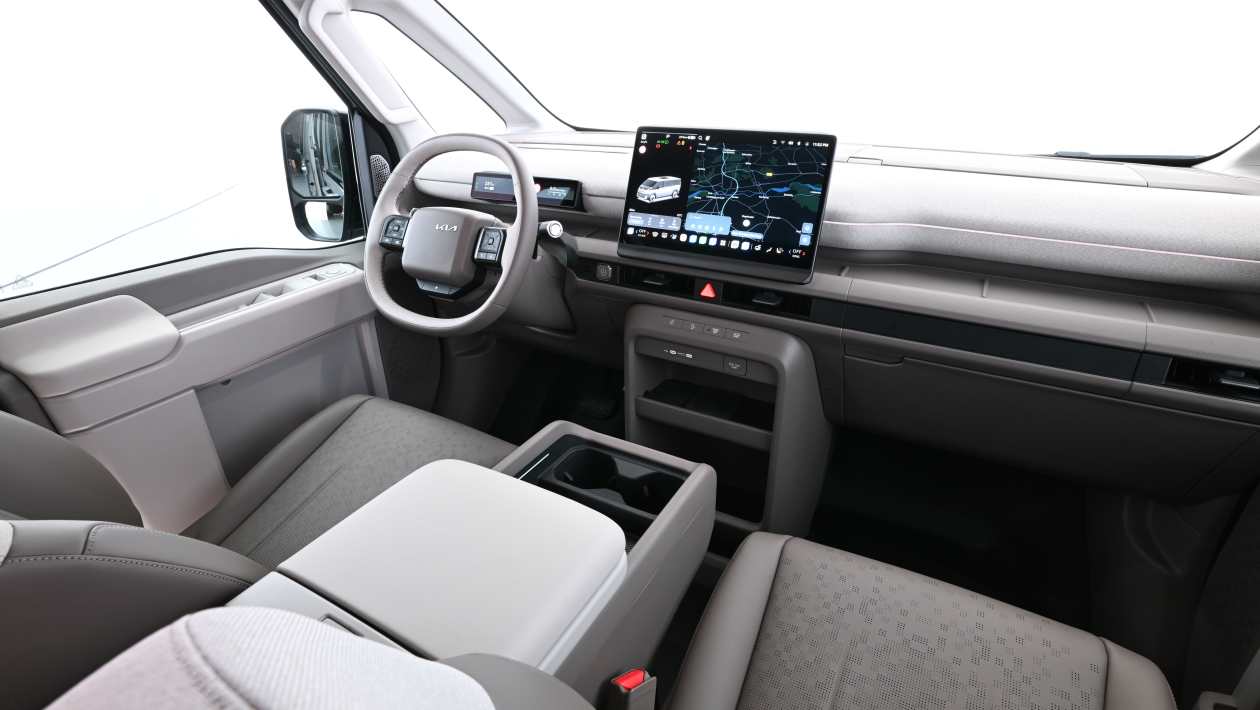
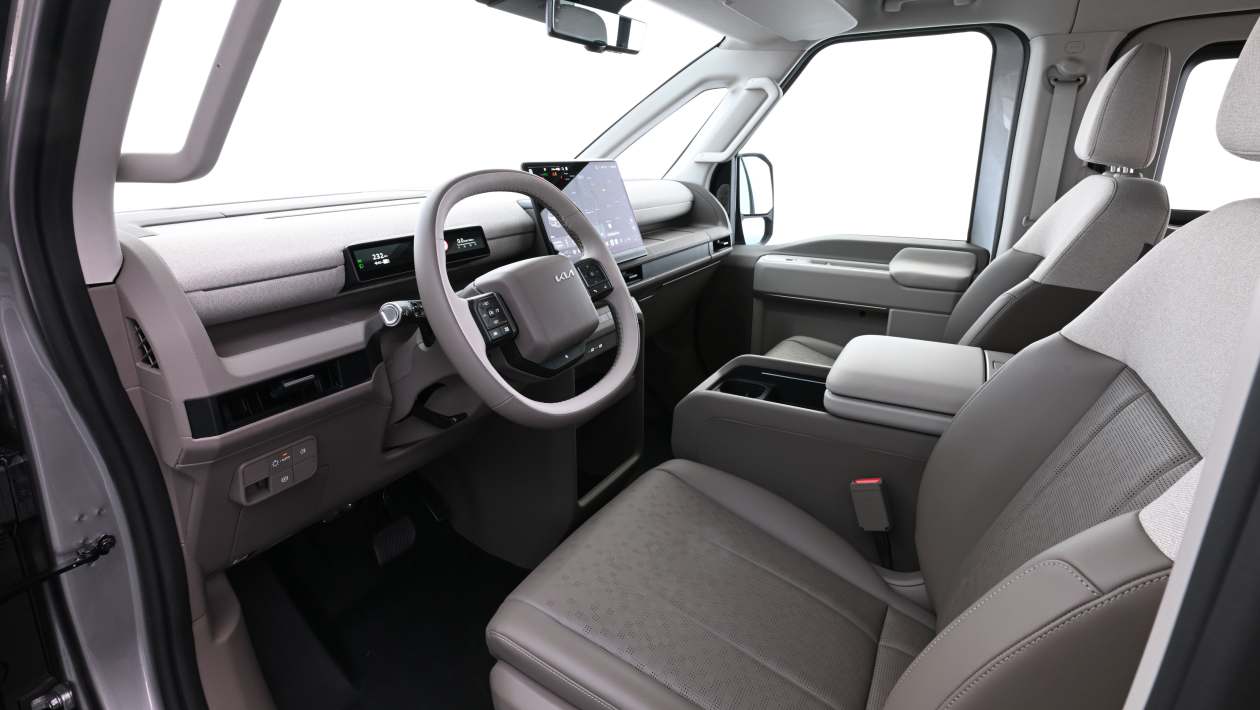
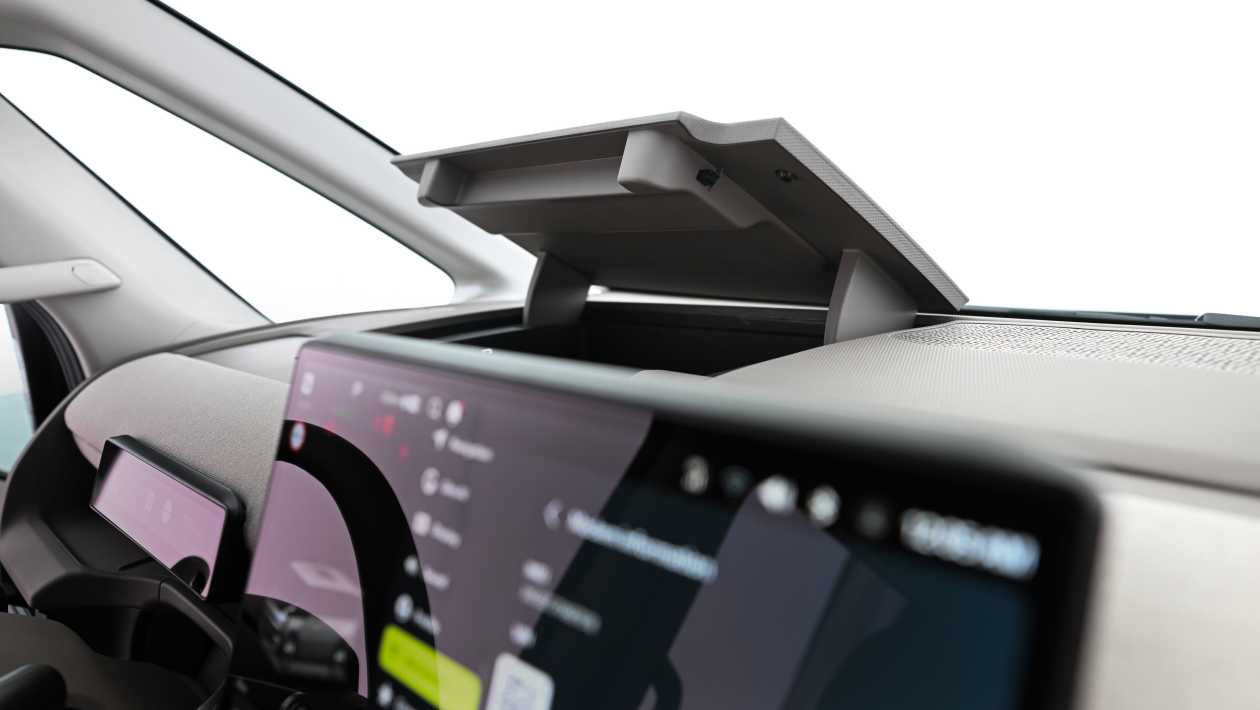
Auto Express adds that Pleos Connect is accessed via either a 12.9 inch or 14.6 inch touchscreen display, and describes a more premium cabin direction than PV5, including an upholstered dash and ambient lighting, while still prioritizing storage through packaging choices. One example they highlight is moving the front passenger airbag into the roof area to free space in the dashboard.
V2L matters more on a van than most people think
Kia says the PV7 supports Vehicle to Load (V2L) through exterior and interior outlets, so the van can power tools, equipment, and devices on site. For many fleets, this is not a gimmick. It can reduce the need for separate portable power solutions during field work.
Fleet software and uptime services: where the PV7 tries to stand out
Kia outlines a business stack that includes the Kia Business Solutions Portal for fleet management, charging, maintenance, and daily operations. Kia also mentions standardized Fleet Management System support and connected vehicle data APIs, plus Uptime services that include real time monitoring, predictive diagnostics, and proactive maintenance management.
What to compare before you buy an electric van like PV7
The smart comparison is not only range. For fleet and commercial buyers, these four checks are usually more predictive of cost and performance in real operations.
- Usable cargo volume in cubic meters, plus loading height
- Payload rating that matches your typical day, not your best case day
- Charging time predictability (charging curve) instead of peak kW alone
- Fleet software for visibility, maintenance planning, and uptime
If you are shopping the people mover side of this category and you are curious how the ID Buzz style space is evolving, this post is relevant: a look at Zeekr Mix and how it compares to the Volkswagen ID Buzz.
Watch the official Kia PV7 teaser film
Pros and cons (based on what is confirmed today)
Pros
- 800V charging architecture with up to 350 kW DC fast charging capability
- Clear Passenger and Cargo missions with meaningful payload and cargo volume numbers
- Dual charging port strategy can reduce charging friction for fleets
- Pleos Connect and fleet services show a strong business focused direction
- V2L can support real work use cases
Cons and unknowns
- Pricing has not been published in the official information referenced here
- Final certified WLTP results will vary by trim and market
- Availability and timing may differ by market, including when AWD becomes available
Release date and availability
Kia states it will launch the PV7 in Korea and Europe in 2027. Auto Express reports showroom arrival in the second half of 2027. If you are in other regions, Kia has indicated additional markets and derivatives will follow later, but details are not provided here.
FAQ: Kia PV7
Q: When will the Kia PV7 go on sale?
A: Kia says PV7 will launch in Korea and Europe in 2027, and Auto Express suggests showroom arrival in the second half of 2027.
Q: How many seats does the Kia PV7 have?
A: Kia says PV7 Passenger seats up to 9 occupants globally and up to 11 occupants in Korea, depending on configuration.
Q: What battery sizes are available on the PV7?
A: Kia lists 71.5 kWh and 96.2 kWh NCM battery packs.
Q: How fast can the Kia PV7 charge?
A: Kia says PV7 uses an 800V architecture, supports up to 350 kW DC fast charging, and can charge 10 to 80 percent in the mid 20 minute range with the larger battery.
Q: What is the PV7 range?
A: Kia states the Long Range Cargo variant offers over 460 km WLTP range target, and notes it is subject to WLTP homologation.
Q: What are the PV7 Cargo volume and payload figures?
A: Kia states up to 6.1 cubic meters for Cargo Long and up to 8.0 cubic meters for Cargo High Roof, with payload up to 1,165 kg (Long) and up to 1,200 kg (Compact).
Q: Does the Kia PV7 support V2L?
A: Yes. Kia says PV7 supports Vehicle to Load through exterior and interior outlets.
Conclusion
The Kia PV7 is shaping up to be more than a bigger PV5. The combination of 800V charging up to 350 kW, a clear Passenger and Cargo split, real cargo and payload numbers, and a stated fleet software stack makes it one of the most interesting new electric vans aimed at business buyers. The next big pieces to watch are market specific pricing, final certified range figures by trim, and the timing of AWD availability.
CTA: For more electric van coverage and practical EV explainers, browse our latest posts at WorldCars.blog.


