

Stellantis is learning China speed from Leapmotor so Jeep and Peugeot can build EVs faster
Jeep and Peugeot parent Stellantis spent years trying to crack China. Now it is leaning on a Chinese partner to learn how to move faster itself.
Through its investment in electric vehicle maker Leapmotor and their joint venture Leapmotor International, Stellantis is not just selling Chinese designed EVs in Europe. It is sending engineers to study how Leapmotor develops, integrates and launches cars in roughly 14 to 16 months, then asking how that China speed can be applied across brands like Jeep, Peugeot and Opel.
Key takeaways
- Stellantis owns about 20 percent of Leapmotor and leads the Leapmotor International joint venture, which has exclusive rights to sell and build Leapmotor vehicles outside Greater China.
- Leapmotor claims it can take a new car from program start to launch in about 14 to 16 months. Stellantis engineers are now studying that process in detail.
- The learning is focused on software led development, centralized electronics, integrated battery and power systems, and cost cutting in hidden areas so that budget can be spent where customers notice.
- The first confirmed Stellantis brand project using Leapmotor hardware is a C segment Opel electric SUV planned for around 2028, with development targeted at under two years and possible production in Zaragoza, Spain.
- Leapmotor already sells models such as the B03X compact crossover, the B05 hatchback and the B10 Hybrid EV in Europe, backed by Stellantis distribution and an expanding dealer and service network.
- Although no Jeep, Peugeot, Fiat, Alfa Romeo, Maserati or Ram models have been confirmed on Leapmotor platforms yet, the same fast development and integration methods could eventually reach those brands.
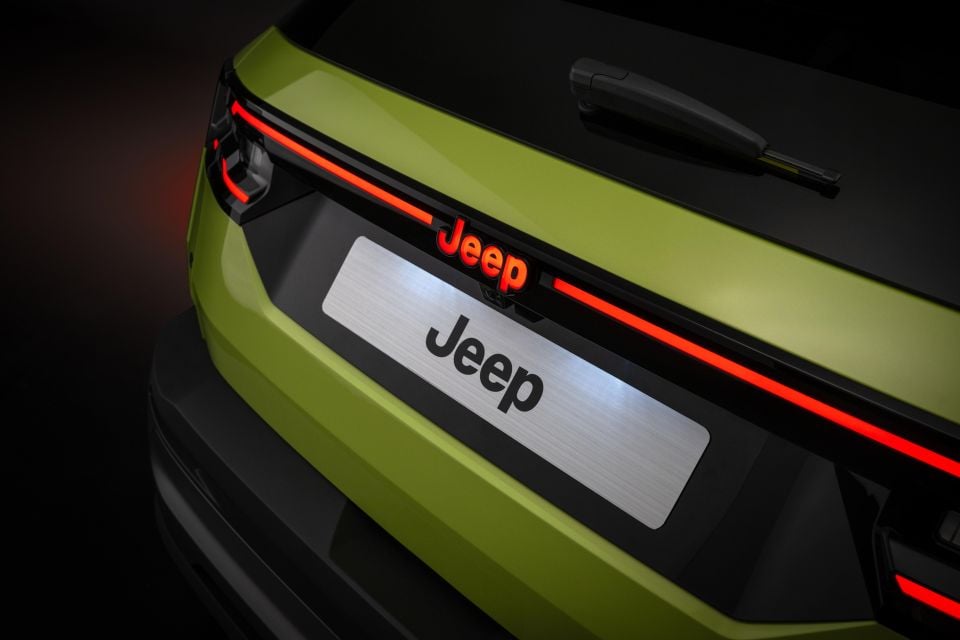
Background: inside the Stellantis Leapmotor partnership
Stellantis created Leapmotor International after announcing a strategic partnership with Leapmotor in late 2023. Under that deal, Stellantis agreed to invest about 1.5 billion euro to acquire roughly 20 percent of Leapmotor and form a joint venture that it controls 51 to 49. The JV has exclusive rights to export, sell and manufacture Leapmotor vehicles outside Greater China.
That structure is unusual. It effectively gives a Western legacy automaker control over a Chinese EV brand’s business everywhere except China, while letting Stellantis plug a ready made portfolio of affordable battery electric and range extender models into its existing distribution network. Leapmotor gets global reach and capital. Stellantis gets a shortcut into low cost EVs and learns how a Chinese startup moves so quickly.
Leapmotor International and Europe first strategy
Leapmotor International launched operations in Europe in 2024, initially focusing on the C10 SUV and T03 city car. The plan, according to Stellantis, is to add at least one new Leapmotor model each year over several years and to reach hundreds of retail and service points across key European markets.
By early 2026, Leapmotor and Stellantis reported that Leapmotor had a presence in more than 40 markets and was rapidly building a dealer and service footprint that was approaching 1700 locations. Leapmotor also said it had delivered more than one million vehicles in total, with around 600,000 units in 2025 alone, which put it among the most successful of the newer Chinese NEV brands.
What Stellantis is learning from Leapmotor
At the international media launch of the Leapmotor B03X crossover in Spain, Leapmotor executives described the relationship as increasingly two way. When the partnership was first announced, it was easy to see it as Stellantis helping a smaller Chinese brand go global. Now Stellantis engineers are tearing down Leapmotor vehicles component by component to see which ideas can be reused inside their own architectures.

Leapmotor B03X during the international media drive in Spain. Image credit: CarExpert.
China speed and a 14 to 16 month development cycle
Leapmotor executives told CarExpert and other media that the company can develop a new vehicle in roughly 14 to 16 months. They did not define exactly when the clock starts and stops, so it should not be compared blindly against other brands that quote different points in their timelines. The point, however, is clear. Stellantis wants to understand how Leapmotor can make decisions and bring vehicles to market so quickly.
Traditional Western automakers often plan three to five year programs for new models. Chinese EV makers have pushed that down well under two years by reusing highly modular platforms, cutting the number of unique parts and running software development in parallel with hardware design instead of treating it as a late stage add on.
Centralized electronics and deeply integrated components
Leapmotor’s global head of product planning and connectivity, Tianyue Zhong, told CarExpert that the company uses centralized electronics, highly integrated battery and power systems, common hidden components and fewer separate fasteners. The aim is to reduce wiring length, weight, assembly time and material waste where customers never see it, then redirect that saving into visible areas like cabin technology, space and surface materials.
Stellantis is already familiar with that approach from its own Stellantis STLA platforms, but Leapmotor’s implementation is an extreme example. Stellantis engineers are examining which of those ideas can be transplanted into future Stellantis brand platforms or combined with existing architectures in a practical way.
Time itself as a cost
Leapmotor executives also stress that time is a major cost driver in modern EV programs. Shorter development cycles reduce engineering overhead and let a company change course quickly when new battery chemistries, chips or user interface expectations emerge. That is especially important in China, where model cycles and price wars have become extremely intense.
For Stellantis, learning to compress its own cycles while maintaining safety and quality is one way to respond to the threat of fast moving Chinese EV brands. Ford executives have issued similar warnings about needing to match Chinese cost structures and development pace, a point we explored in depth in our coverage of Ford’s warning that Chinese cars could enter the United States within ten years.
Leapmotor products that Stellantis is watching closely
Stellantis is not just studying Leapmotor in the abstract. Its engineers have real products to examine, test and tear down.
Leapmotor B03X compact crossover
The B03X is a B segment, battery electric urban crossover built on Leapmotor’s latest dedicated EV architecture. According to Stellantis, it offers two LFP battery options, roughly 40 and 53 kWh, with WLTP ranges up to about 382 km in European specification, and supports fast charging from about 30 to 80 percent in around 16 minutes.
Inside, the B03X uses a modern cabin layout with a 14.6 inch central touchscreen, 8.8 inch digital instrument cluster and Leap OS 4.0 Plus software running on a Qualcomm 8155 chip, along with a full suite of level 2 driver assistance features. The car is designed as a global model and went on sale in Europe with a starting list price in the mid 20 thousand euro range.
Leapmotor B05 hatchback and B10 Hybrid EV
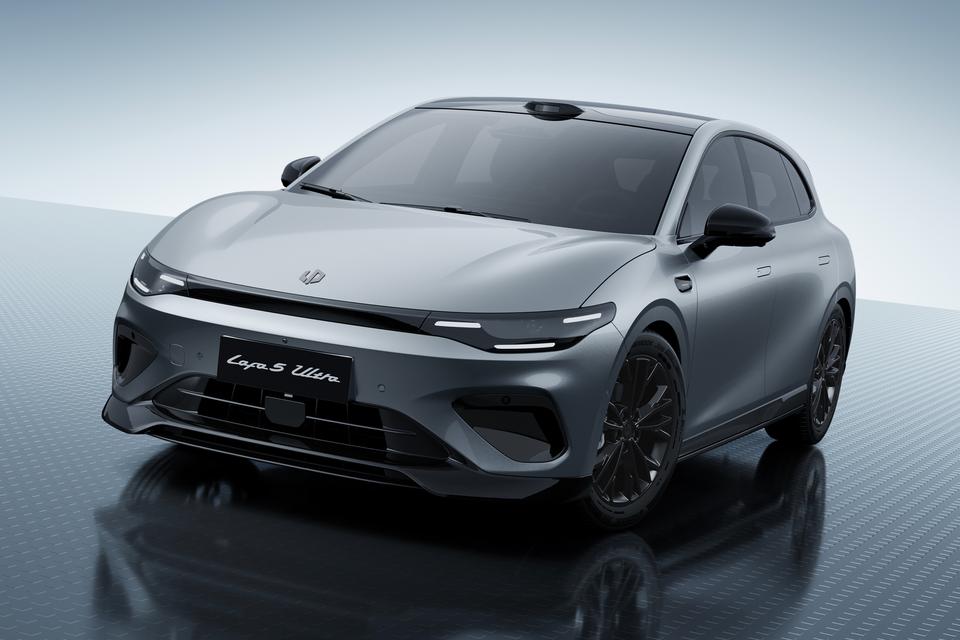
Leapmotor B05, a sporty electric hatchback in the C segment. Image credit: CarExpert.
At the 2026 Brussels motor show, Leapmotor presented its B05 hatchback and B10 Hybrid EV alongside the B03X. The B05 targets the C segment with a sleek coupe like profile, up to about 460 km WLTP range from a roughly 67 kWh battery and fast charging above 170 kW, according to pre homologation data released by Leapmotor.
The B10 Hybrid EV extends Leapmotor’s range extender technology, combining an approximately 18.8 kWh battery, about 80 km WLTP electric range and a compact 1.5 liter petrol generator for long distance trips, with a quoted combined range of up to 900 km. That makes it a good example of the extended range EV trend we discussed in our explainer on why Chinese EREVs have turned the gas engine into what some executives now call a marketing decoration.

Leapmotor B10 Hybrid EV, a range extender SUV aimed at family buyers. Image credit: CarExpert.
For a much deeper dive into Leapmotor’s hatchback strategy, including projected ranges, pricing and how the B05 stacks up against rivals like the Volkswagen ID.3 and MG 4, see our detailed Leapmotor B05 complete review and specs guide.
First Stellantis brand test: an Opel SUV on Leapmotor hardware
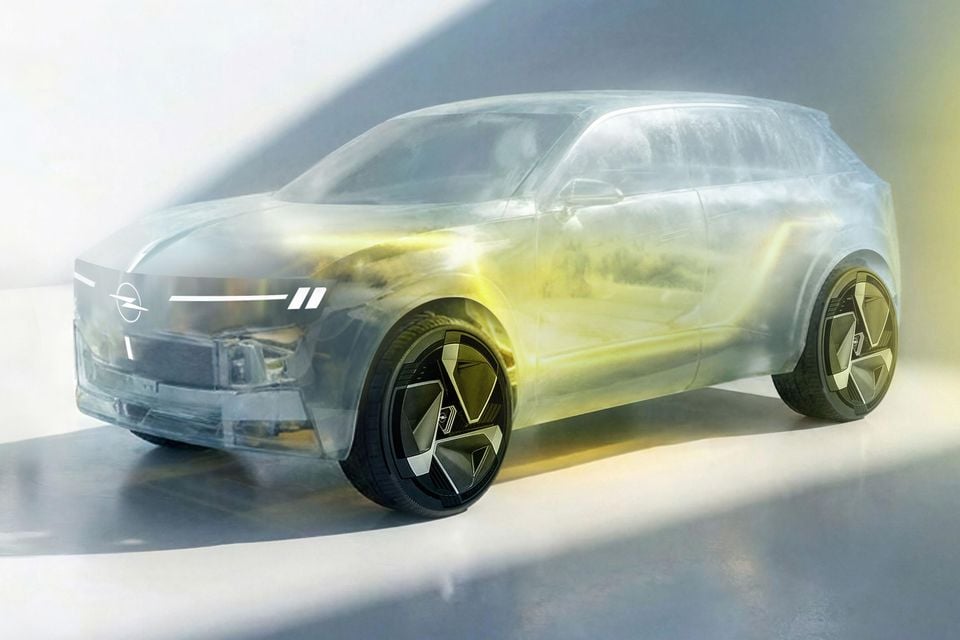
Early teaser of an Opel C segment SUV that could use Leapmotor architecture. Image credit: CarExpert.
The first concrete Stellantis project based on Leapmotor mechanicals is a planned Opel C segment electric SUV. According to CarExpert and Stellantis briefings, engineers in Germany and China are working together. Leapmotor will supply core components from its newest electric architecture and battery technology, while Opel will take the lead on design, chassis tuning, cabin, seating and lighting.
The project targets a development period of under two years, which would already be shorter than many traditional Western programs. Production is expected to take place at Stellantis Zaragoza in Spain, with sales planned from around 2028 if final approvals go ahead.
Stellantis has also signalled that Leapmotor products or derivatives will be built at its Villaverde plant in Madrid, potentially under Opel, Vauxhall or other badges, as part of a wider push to blend Chinese EV engineering with European manufacturing capacity.
What China speed could mean for Jeep, Peugeot and Ram

Peugeot Concept 6 and Concept 8 preview large electrified SUVs that could one day draw on lessons from Leapmotor. Image credit: CarExpert.
So far Stellantis has not named any Jeep, Peugeot, Fiat, Alfa Romeo, Maserati or Ram products that will sit directly on Leapmotor platforms. That is understandable. Replacing a Jeep Wrangler or Peugeot 3008 with a rebadged Chinese EV overnight would be a hard sell politically and commercially in many markets.
Instead, the near term focus is on learning processes and using Leapmotor hardware where it fits cleanly. Over time, those lessons are likely to show up in several ways across Stellantis brands:
- Shorter development cycles for new Jeep, Peugeot, Opel and Fiat EVs and plug in hybrids.
- More aggressive use of centralized electronics and integrated battery systems to cut cost and complexity.
- Greater use of Chinese sourced components in areas such as battery packs and semiconductors, blended with Stellantis existing European supplier network.
- More affordable EVs and range extender models that line up directly against Chinese competitors on price and specification.
Stellantis is also pursuing a separate Chinese venture with Dongfeng. That joint venture will build “new energy” Peugeot and Jeep models in Wuhan from 2027 for both China and export, based on large SUV concepts already revealed. Those vehicles may draw on Chinese engineering in a different way to Leapmotor based products.
In parallel, Stellantis is reportedly working with JAC on a new Maserati model, which would give its most upmarket brand access to Chinese developed EV or hybrid hardware. Put together, it shows an automaker trying to learn from multiple Chinese partners at once, not just one.
Why this matters in the global EV race
China’s EV makers have already forced established automakers to react. Brands like BYD, Geely, Leapmotor, Li Auto and others are shipping large volumes of aggressively priced EVs and range extender models with fast iteration cycles and heavy vertical integration.
Your own coverage of Leapmotor B05, BYD’s Great Tang flagship and fast charging Lynk and Co 10 sedans shows how quickly Chinese brands are turning out new architectures, large batteries and 800 or 1000 volt systems while still undercutting many Western rivals on price.
At the same time, governments are starting to push back with tariffs and local content rules. Malaysia’s new EV import policy and the United States 100 percent tariff on Chinese EVs are only two examples of how politics is colliding with technology.
In that context, Stellantis learning “China speed” from Leapmotor is not just a curiosity. It is a survival strategy. Western groups that cannot match Chinese development pace and cost discipline risk being boxed into shrinking premium niches or losing entire segments in open markets.
Frequently asked questions
What is the Stellantis Leapmotor partnership?
Stellantis agreed to invest about 1.5 billion euro into Chinese EV maker Leapmotor in 2023, taking roughly a 20 percent equity stake and forming Leapmotor International, a joint venture that Stellantis controls 51 to 49. The JV has exclusive rights to export, sell and build Leapmotor vehicles outside Greater China using Stellantis distribution and manufacturing assets.
What does China speed mean in car development?
In this context, China speed refers to the way newer Chinese EV makers can design, engineer and launch new models in well under two years, often quoting development times around 14 to 20 months. Leapmotor says it can deliver a new car in roughly 14 to 16 months, helped by centralized electronics, integrated battery systems and heavy reuse of modular platforms. Stellantis is now studying that process.
Which Stellantis brand will use Leapmotor technology first?
The first public example is a planned Opel C segment electric SUV that will use core components from Leapmotor’s latest electric architecture and battery technology, while Opel leads design and tuning work. The project targets a development time of less than two years, potential production in Zaragoza and sales from about 2028, subject to final approvals.
Will Jeep or Peugeot models use Leapmotor platforms?
As of this writing, Stellantis has not named a specific Jeep, Peugeot, Fiat, Alfa Romeo, Maserati or Ram model that will sit directly on Leapmotor underpinnings. Instead, Jeep and Peugeot already have a separate Chinese partnership with Dongfeng that will build new energy vehicles in Wuhan from 2027, while Leapmotor technology and processes are likely to influence Stellantis designs more gradually.
How is Leapmotor helping Stellantis cut EV costs?
Leapmotor relies on a heavily integrated, vertically controlled approach that includes in house development of batteries, motors and electronics and a central electronics architecture that reduces the number of control units and wiring. Stellantis engineers are studying how that approach reduces material, assembly and development costs and which elements can be adopted inside Stellantis platforms.
Is Leapmotor selling cars outside China already?
Yes. Through Leapmotor International, the brand has launched models such as the C10 SUV and T03 city car in Europe, and it is adding the B03X, B05 and B10 Hybrid EV. Stellantis and Leapmotor report that the brand is now active in more than 40 markets with a rapidly growing dealer and service footprint.
How does this affect other Western automakers?
Stellantis is the first major Western group to give a Chinese EV startup controlled access to its global network, but others are watching closely. If Stellantis can translate China speed into cheaper, faster developed Jeeps, Peugeots, Opels and Fiats, it will pressure rivals like Volkswagen, Ford and Toyota to either form similar partnerships or radically change how they develop and build EVs.
Watch: Leapmotor and Stellantis explained
If you prefer a visual overview of Leapmotor and why the Stellantis deal matters, this independent video walks through the brand’s origin, products and the strategic partnership.
Video: Leapmotor overview with a segment on the Stellantis partnership. Exact specifications and timelines in the video may differ from the latest Stellantis and Leapmotor documents.
Conclusion: a legacy giant goes to school in China
The Stellantis Leapmotor story flips the old script. Instead of a Western carmaker simply helping a Chinese brand reach Europe, Stellantis is openly studying a younger Chinese partner’s speed and integration methods in order to fix its own cost base and development pace.
Leapmotor supplies more than just cars for Stellantis to resell. It offers a working example of what a modern, vertically integrated EV company looks like when it does not carry decades of legacy architectures and factories. Stellantis is betting that by learning from that example, it can launch cheaper, smarter EVs and range extender models across Jeep, Peugeot, Opel, Fiat and other brands without losing control of design and brand identity.
For buyers, the results will not arrive overnight. The first Opel SUV based on Leapmotor hardware is still a few years away, and Stellantis has not yet confirmed Leapmotor based Jeeps or Peugeots. But as development processes, electronics architectures and supply chains converge, the effect of China speed will start to show up in how quickly new models arrive, how much tech they pack in and how much they cost.
If you want to track how this competition is reshaping the global market, it is worth following both the Chinese side of the story and the Western responses. Our coverage of China’s extended range EV boom, the warnings from Ford about Chinese automakers entering the United States, and high profile launches such as BYD’s latest flagships and Lynk and Co’s ultra fast charging sedans helps put the Stellantis Leapmotor experiment in a wider context.
Call to action: If you are a shopper or industry watcher, keep an eye on how quickly Opel, Peugeot, Jeep and other Stellantis brands update their EV and hybrid lineups over the next few years. The speed and pricing of those launches will be the clearest sign of whether Stellantis really learned China speed from Leapmotor or not.
Image gallery: Stellantis and Leapmotor in pictures


